



So a new, short-format cricket tournament is set to launch in Dubai. One that welcomes the world beyond cricket’s established borders.
One that will see the leading players in the game share the dressing room, the new ball, and stories with players from as far afield as Botswana, Papua New Guinea, Rwanda and Bhutan.
We were supposed to have been here before. But where the UAE T20x, a competition designed along similar lines to champion the game’s have-nots alongside its rich and famous, foundered before the stage of even selecting players, the FairBreak Invitational is all set for launch.
On Wednesday night, two sets of players who have only recently met each other will be pitted against each other at the Dubai International Stadium.
The six-team tournament will reach its conclusion at the same ground on May 15. The fare on offer is guaranteed to be something never-before-seen on these shores.
New T20 franchise competitions around the world always say they are going to be unique. They say their one will be different, and jazzy, and exciting.
Then the hired hands are the same guys you saw in a similar tournament in a different venue, in a different country, a month or so earlier. And a month or so before that. Different team names, perhaps. But all packaged in broadly the same way and presented by broadly the same people.
FairBreak, though, has a fair to claim to being unique.
“Within my team, I was chatting to the Nepal captain this morning about captaincy.” So said Heather Knight, whose most recent assignment in cricket was overseeing England’s ultimately doomed attempt to topple the mighty Australia in the World Cup final last month.
Now, she is in Dubai, playing for a team bearing the name of the supporters club more readily associated with the England men’s side. She has been trading notes about leadership with Rubina Chhetry, the Nepal captain who is also part of the Barmy Army side, but who has had a totally different journey in the game to get to this point.
Players to watch
-
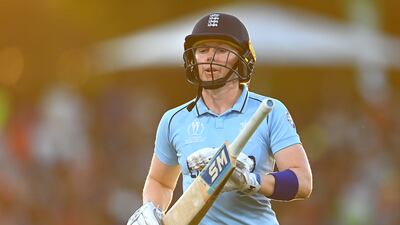
Heather Knight (England) - The Barmy Army captain has scored centuries in all three formats of international cricket, and led England to the World Cup final last month. Getty Images -
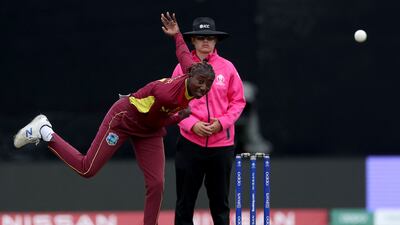
Stafanie Taylor (West Indies) - The Jamaican remains the only cricketer ever to have been ranked No 1 at the same time in both bowling and batting in the ICC standings, which she managed in 2013. AFP -
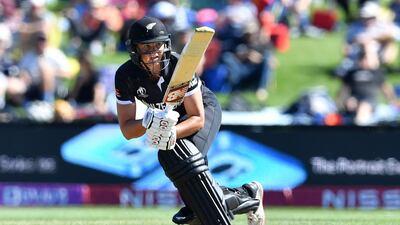
Suzie Bates (New Zealand) - More than 8,000 runs in international cricket for New Zealand, including most recently a century against Pakistan in the World Cup. AFP -
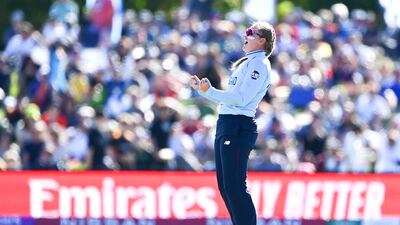
Sophie Ecclestone (England) - The slow left-armer is the world’s No 1 ranked limited-overs bowler, and bowled England to the World Cup final last month. Getty Images -

Theertha Satish (UAE) - A schoolgirl who only started playing cricket less than three years ago, she has played 14 T20Is for UAE so far – and been on the winning side in every one. Chris Whiteoak / The National -
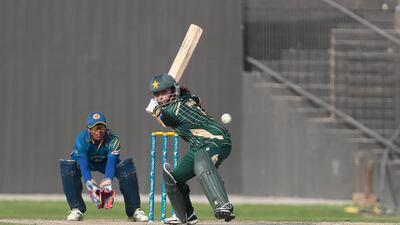
Sana Mir (Pakistan) - Two years into retirement, the former captain-turned-commentator will be returning to the playing field to lead South Coast Sapphires. Jeffrey E Biteng / The National -
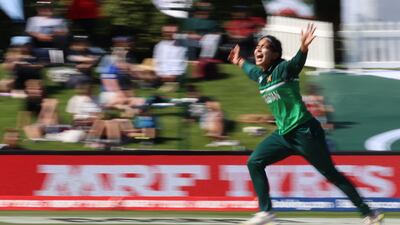
Fatima Sana (Pakistan) - Named the ICC’s emerging cricketer of the year for 2021 after breakthrough performances for Pakistan as an allrounder. Getty Images -

Esha Oza (UAE) - The big-hitting 23-year-old made the highest score ever by a UAE cricketer – male or female – in a T20 international in Oman last month. Chris Whiteoak / The National -
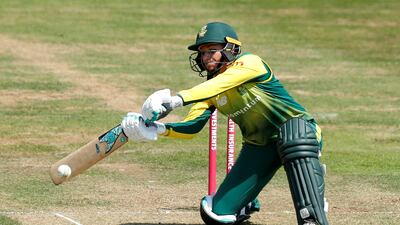
Mignon du Preez (South Africa) - The South African batter retired this month after representing her country more than 250 times in international cricket, and will take up a new role with FairBreak. Action Images -
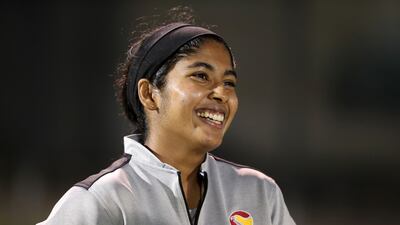
Kavisha Kumari (UAE) - Became the first female player to score a century against a male team in UAE when she did so in the Gulf Cup in Ajman at the turn of the year. Chris Whiteoak / The National -
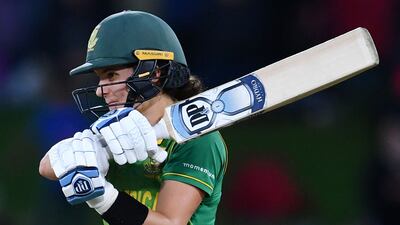
Laura Wolvaardt (South Africa) - Arrives in Dubai in prime touch having made five half-centuries in the space of six trips to the crease at the World Cup in New Zealand. AFP -
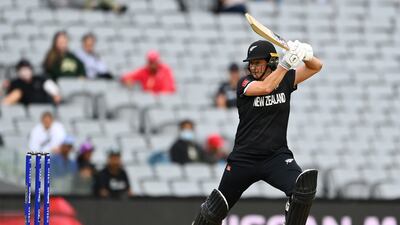
Sophie Devine (New Zealand) - A former international hockey player for New Zealand, Devine has racked up over 2,500 runs in T20 international cricket. Getty Images -
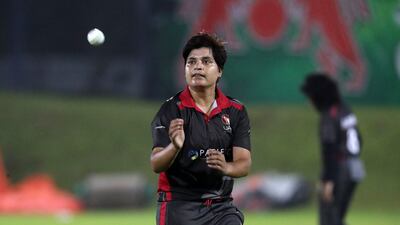
Chaya Mughal (UAE) - UAE’s captain takes time out from her job as a teacher to play. She will be alongside some of the stars of the game when she turns out for Spirit. Pawan Singh / The National -
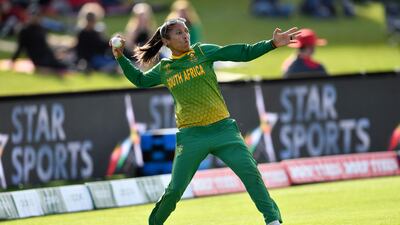
Shabnim Ismail (South Africa) - The all-time leading wicket-taker for South Africa’s women’s side, she has also featured in Australia’s Big Bash and The Hundred in the UK. AFP -

Elyse Villani (Australia) - Many of Australia’s leading lights are unavailable for the FairBreak event, but the country’s female cricketer of the year for 2021 has made it to Dubai for the tournament. Getty Images -
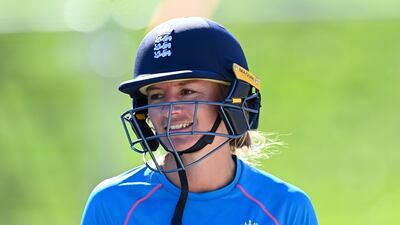
Danni Wyatt (England) - The England opener, who will be playing for the Falcons in Dubai, has two centuries to her name in T20 internationals. Getty Images


Also in their side they have players from Vanuatu, Hong Kong, Bangladesh, and a Brazilian who can’t speak English – but will be able to communicate thanks to the presence of another teammate from her home national team who can.
“There is probably nothing like it in men’s or women’s cricket – Associate players playing alongside Full member nations,” Knight said.
“There are so many countries represented, it has been so interesting for me to find out about what cricket is like in their country and the different challenges they have.
“The tournament is not completely just about the cricket. It is about bringing different people from women’s cricket together.
“Certainly women’s cricket doesn’t have the most equal spread around the world in terms of funding. The funding is based on the men’s game, which makes it a bit of a challenge for some countries.”
For the majority of the 90 players in the competition, the concept of being paid to play cricket – as they will be for this event - is entirely new, too.
Most are just grateful for the opportunity to play matches in their home countries, in between studies or working.
The fact this tournament is being played in Dubai is a quirk of circumstances brought about – much like the Indian Premier League and T20 World Cup earlier this season – by the Covid pandemic.
It had been due to be staged in Hong Kong, but a 21-day quarantine process there at the height of the pandemic led to the organisers to seek a temporary new home. It will likely head to Hong Kong in the future.
For now, though, its organisers cannot wait to get started.
“We have taken a long time putting together teams with players from all over the world,” said Geoff Lawson, the former Australia fast bowler who is part of the league’s management team.
“It has been a massive undertaking. To research all the players we have found has been tough work.
“The leading international players have had a few weeks off after a tough World Cup. They spent a lot of emotion and physical energy at the World Cup.
“They have got here, got to meet the Associate players. From what I have seen, we have teams who will gel and compete.
"From a pure cricket point of view, it is such an exciting place to be.”

