


Sub-Saharan Africa is a region to watch. As population growth in several parts of the world shrinks, many African countries are expected to witness significant population increase, with UN projections showing a 79 per cent rise to 2.2 billion people by 2054. Africa also has the youngest population in the world, with nearly three quarters of people in sub-Saharan Africa under the age of 30.
This demographic transformation presents huge opportunities for innovation and economic progress as well as peace and security. Sadly, it is the wars, insurgencies and coups d’etat that blight many of its countries that command the most international attention, especially for the way in which they hold back youthful, dynamic and developing societies. However, conflict is not the only challenge facing sub-Saharan Africa – preventable deaths from disease and malnutrition are all too widespread. The deaths of mothers and infants during childbirth, in particular, continue to fracture too many families and communities across the continent.
-
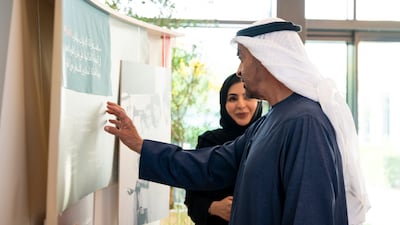
President Sheikh Mohamed reviews plans for the recently established Mohamed bin Zayed Foundation For Humanity at Al Shati Palace in Abu Dhabi. All photos: Abdulla Al Bedwawi / UAE Presidential Court -
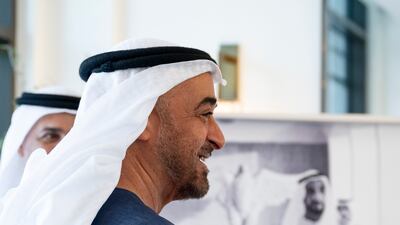
The foundation aims to advance human potential, support global health priorities, and expand opportunities for the most vulnerable communities around the world -

The foundation will focus on advancing sustainable efforts in global health and inclusive development by investing in innovative solutions that empower individuals and communities, driving prosperity and progress -
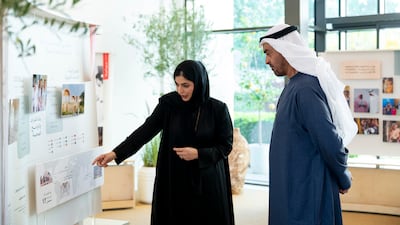
Sheikh Mohamed is briefed on the foundation’s mission -
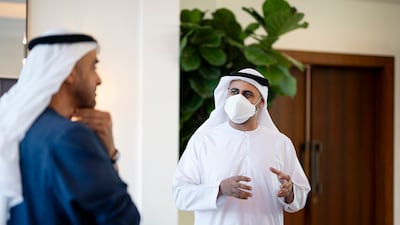
Sheikh Mohamed and Sheikh Theyab bin Mohamed, Chairman of the Office of Development and Martyrs Families Affairs at the Presidential Court -
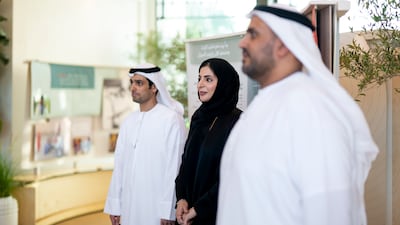
Over the next five years, the Mohamed Bin Zayed Foundation for Humanity aims to reach more than 500 million people across more than 50 countries, spanning Asia, Africa, and the Middle East


According to the World Health Organisation, sub-Saharan Africa alone accounted for around 70 per cent of the world’s maternal deaths in 2023. A joint report released earlier this month by UN agencies, the WHO and the World Bank found that a woman in sub-Saharan Africa is 400 times more likely to die in childbirth than a woman in Australia and New Zealand. The report also revealed that although women today are more likely than ever to survive pregnancy and childbirth, this progress has been put at risk by “unprecedented” aid cuts around the world.
Maternal deaths create a cascade of negative consequences. As well as the grief and trauma caused by such loss, the death of a mother can destabilise families, especially if she was the primary caregiver. Children can be orphaned, exposing them to myriad dangers such as exploitation and poverty. Frequent maternal deaths can strain communities as resources are stretched to breaking point by relatives and neighbours struggling to raise vulnerable and bereaved children.
In this context, it is timely that the UAE this week launched a major humanitarian project aimed at preventing 300,000 deaths in childbirth in sub-Saharan Africa over the next five years. Part of a $600 million healthcare strategy, the Beginnings Fund is the first flagship project unveiled by the Mohamed bin Zayed Foundation for Humanity, a philanthropic organisation established last month to deliver a crucial lifeline to needy communities.
Operating in 10 African countries, the fund also presents a template for constructive humanitarian intervention, working in partnership with African governments, national organisations and experts to provide access to quality care for 34 million mothers and babies by 2030.
It is not surprising that the Emirates has chosen to commit itself to such a project. The UAE is a society that, not long ago, felt the pain caused by deaths in childbirth. Before the country was able to harness its natural resources and develop the modern healthcare system it now enjoys, too many women died while giving birth. This gives the country a hard-earned insight into the damage that maternal deaths can wreak on a society. That insight is now being translated into action proving that, although much attention is still focused on sub-Saharan Africa’s problems, some countries are committed to finding solutions.

