


The images of bushfires in the US this month in California and Oregon were harrowing and apocalyptic. Orange, smoke-filled skies, blazing fonts of fire dotting the forested landscape, soot-covered firefighters sweating with exhaustion. This year has been unrelenting, and the scorched earth appeared to be a metaphor of the state of the world.
But there were other fires burning closer to home. This month, Syria, spared the large-scale military violence in recent months, endured dozens of wildfires in its agricultural hinterland in Hama and Jisr Al Shughour, as well as near the coastal regions of Latakia, which consumed several square kilometres of forests and burnt for a whole week through the area's lush greenery and forests, huge plumes of smoke filling the sky. An ongoing heatwave risks reviving the fires, which burnt on both sides of the frontline. Nearly 60 bushfires have occurred this year.
The fires are becoming increasingly common in the dry season between the summer and winter, and appear to have several causes. According to the independent Syrian media outlet Enab Baladi, it can be caused by farmers clearing out nearby land for possible cultivation, creating sources of coal from the partially burnt tree husks in preparation for the winter months in the fuel-starved nation, or due to arson. The result has been large tracts of land with destroyed ecosystems and further sorrow to add to the tab in a long-suffering nation.
-
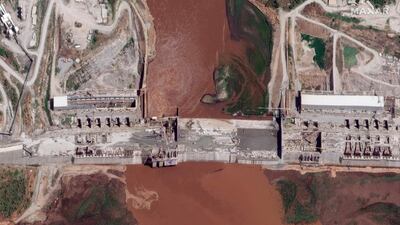
A satellite image of the Grand Ethiopian Renaissance Dam on the Blue Nile river in the Benishangul-Gumuz region of Ethiopia. Maxar Technologies via AP -

A satellite image of the Grand Ethiopian Renaissance Dam on the Blue Nile river in the Benishangul-Gumuz region of Ethiopia. Maxar Technologies via AP -
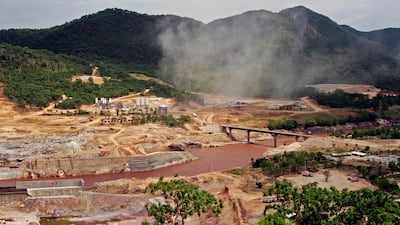
A 2013 photo showing the Blue Nile river flowing near the site of the Grand Ethiopian Renaissance Dam near Assosa in the Benishangul-Gumuz region of Ethiopia. AP, File -
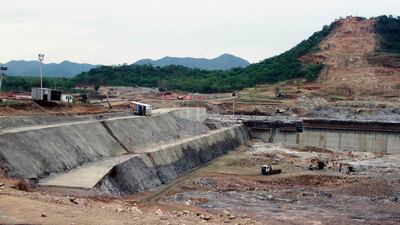
A general view of construction work at the site of the Grand Ethiopian Renaissance Dam near Assosa, Ethiopia. AP, File -
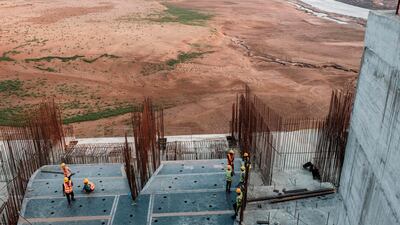
A general view of construction work at the site of the Grand Ethiopian Renaissance Dam near Assosa, Ethiopia. AFP, File -
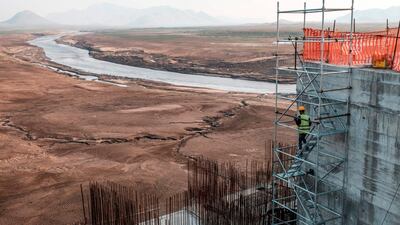
A general view of construction work at the site of the Grand Ethiopian Renaissance Dam near Assosa, Ethiopia. AFP, File -
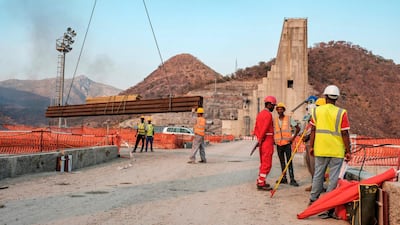
Construction workers are seen at the site of the Grand Ethiopian Renaissance Dam near Assosa, Ethiopia. AFP, File -
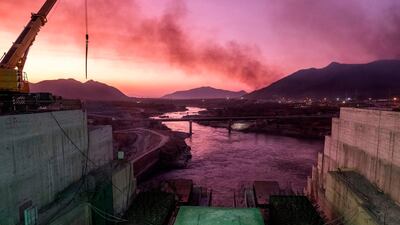
A general view of construction work at the site of the Grand Ethiopian Renaissance Dam near Assosa, Ethiopia. AFP, File -
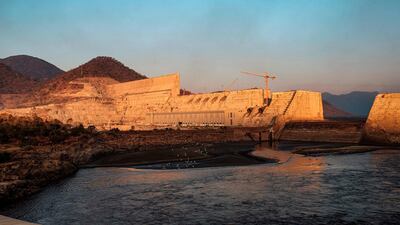
A general view of construction work at the site of the Grand Ethiopian Renaissance Dam near Assosa, Ethiopia. AFP, File -
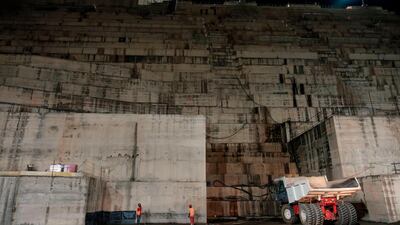
A view of construction work at the site of the Grand Ethiopian Renaissance Dam near Assosa, Ethiopia. AFP, File -
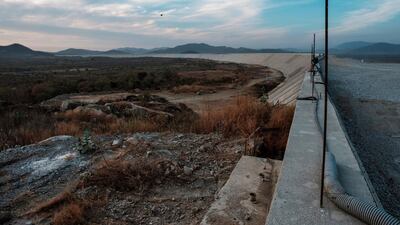
A general view of construction work at the site of the Grand Ethiopian Renaissance Dam near Assosa, Ethiopia. AFP, File -
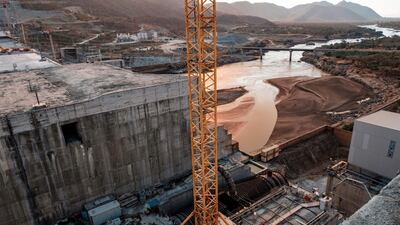
A general view of construction work at the site of the Grand Ethiopian Renaissance Dam near Assosa, Ethiopia. AFP, File -
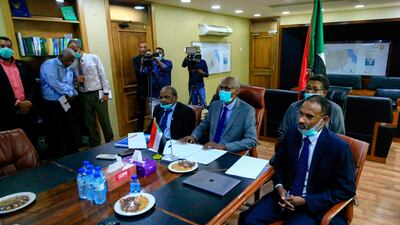
Sudan's Minister of Irrigation and Water Resources Yasir Mohamed (C) takes part in a video meeting over the Grand Ethiopian Renaissance Dam on June 9, 2020. AFP -

Egyptian Foreign Minister Sameh Shukry. AP -
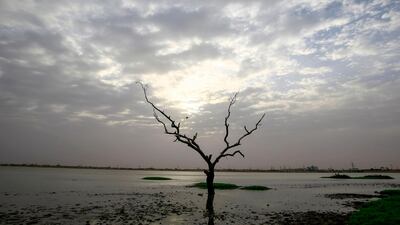
The Nile in the Sudanese capital, Khartoum. AFP -

The Nile in the Sudanese capital, Khartoum. AFP -
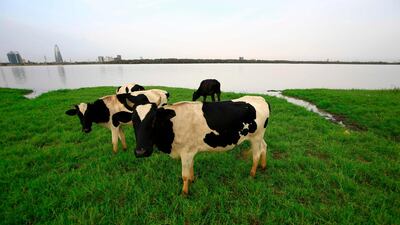
The Nile in the Sudanese capital, Khartoum. AFP -
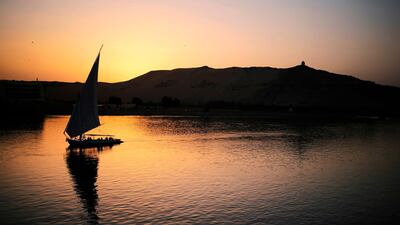
A pleasure boat carrying tourists and locals sails on the Nile at sunset in Aswan, Egypt. AP, file -
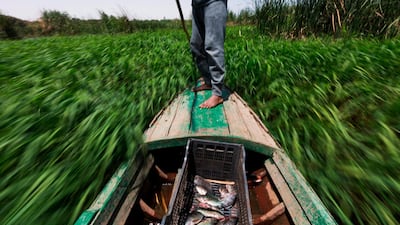
Sayed Ahmed Abdoh poles his boat to check fish traps in the Nile, near Abu Al Nasr village, about 770 kilometres south of Cairo, in Egypt. AP, file -
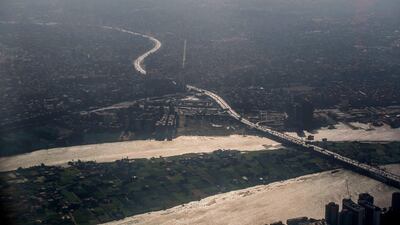
An aerial view shows the Nile before sunset in the Egyptian capital, Cairo. AFP -

An aerial view shows the Nile before sunset in the Egyptian capital, Cairo on June 20, 2020. AFP


The war has worsened some of these fires, partly because the affected area has long been a contested zone, making firefighting operations more difficult, and partly because some fires have been deliberately started to literally smoke out fighters or soldiers hiding in the forests, usually by the regime of Bashar Al Assad. In addition, firefighters on the opposition side, such as those from the White Helmets, the volunteer rescue organisation, say the fires have ignited unexploded ordinance in the area, further endangering rescue workers.
It may seem trite to worry about environmental devastation as a consequence of a war that has led to the death of over half a million people, displaced half of Syria’s pre-war population, ushered in a refugee crisis and a vacuum filled by extremists that reverberated around the world, caused untold numbers of permanent wounds and threw most of the population into pits of despair and destitution, not to mention the ongoing coronavirus pandemic and economic freefall.
But we ignore these environmental crises at our own peril, because as climate change accelerates and conflict leaves more destruction in its wake, we may end up finding ourselves with uninhabitable homes to go back to when the guns eventually fall silent, if they ever do so. Not only are we at the crossroads of geopolitical competition that has left many nations in ruin, we are also particularly vulnerable to long-term ecological losses and battles over resources, and the two feed off of each other in a wicked cycle.
Take food and water for example. As arable land shrinks and water sources dry up, all while climate change gathers pace, competition over water resources and food insecurity are likely to increase, fuelling further conflict and vice versa. Ethiopia's new Renaissance Dam is already a flashpoint of tension with Egypt, which will struggle to provide for its rapidly growing population. High temperatures and drought are already increasingly common in the fertile crescent and the Levant. In September 2014, I visited the area where the Litani River enters Lake Qaraoun – once gushing with water, that strip of the river was gone, replaced by cracked earth. The lake, created by a nearby dam, was the driest it has been since it was filled in 1959. A drought in Iraq last year was so severe that a 3,400-year-old hidden palace was uncovered in Kurdistan by the receding waters.
In October last year, Lebanon endured dozens of wildfires that burned through the countryside near the Chouf mountains for days, amid a heatwave that saw the highest recorded temperatures for that month, hospitalising and displacing dozens of people. They are likely to get worse as temperatures rise, and they came just before a wave of popular unrest demanding the overthrow of the Lebanese government that still persists to this day.
-
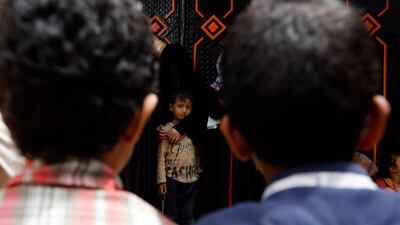
Yemenis wait to receive food rations from a charity group in the capital Sanaa. EPA -
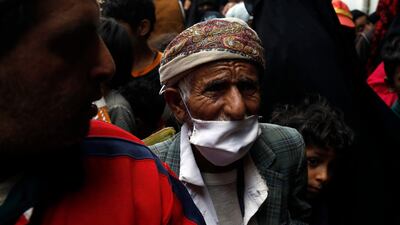
A Yemeni waits to receive rations in Sanaa. EPA -

A Yemeni girl is given free food by a charity group in the city. EPA -

Volunteers provide rations to people in Sanaa. EPA -
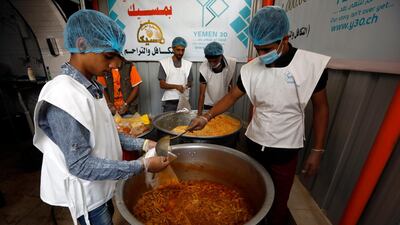
Volunteers prepare food to be given to those in need in Sanaa. EPA -

A Yemeni woman is among those who received rations from the charity group. EPA -
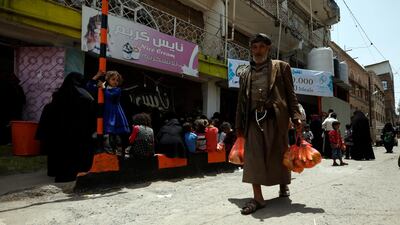
A Yemeni man leaves with his food aid. EPA


War is further fuelling this cycle of misery by worsening food insecurity throughout the region, a situation that will only get worse with environmental degradation, dwindling water resources and economic decline. Yemen has endured an ongoing famine since 2016. The economic collapse in Lebanon has left the country short of fuel needed to transport and store food, compounded by the pandemic, leading humanitarian workers to warn that the country may be headed for famine by the end of 2020. Syria is faring no better. Most Arab countries are vulnerable to disruptions in food supply chains – in fact, all of them are net importers of grains, according to EcoMENA, an environmental consultancy.
These threats to livelihood do not even begin to address other aspects of environmental degradation in the region, from pollution due to urbanisation and use of fossil fuels, the pollution of waterways, fallout from the destruction of cities in war, rubbish disposal, or other failures of monumental scale in the region that should be classified as public health crises.
The fires in Syria have been subdued for now, but they are only a symptom of a deeper malaise. The wars we are fighting today have devastated nations and societies. If we do not act, there may not be much left that’s worth fighting over.
Kareem Shaheen is a veteran Middle East correspondent in Canada and columnist for The National

