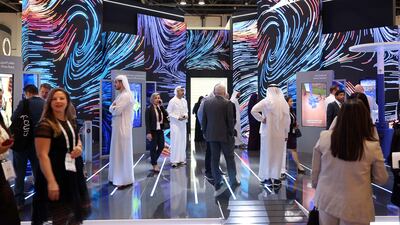
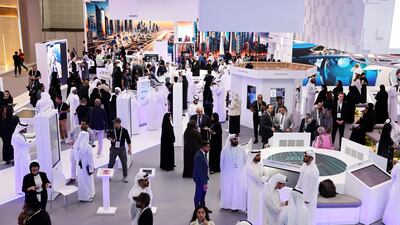
Bridging the gap between institutional silos and national priorities depends on co-ordination tools that researchers trust, use and feel a part of. Getty


The UAE has plenty of talented researchers but we need more systems to connect them


Mae Almansoori
Mae Almansoori
  • English
  • Arabic

August 08, 2025

When discussing advancements in research, the focus tends to centre on money, machines and milestones. But no ecosystem thrives solely on infrastructure. It depends on people and how effectively they are connected.

Across the UAE, researchers and engineers are tackling challenges in areas that run from healthcare and sustainability to AI and quantum technologies. Their work supports the nation’s ambition to become a global hub for advanced technology. According to the World Intellectual Property Organisation, the UAE ranks first in the Arab world and 32nd globally in its Global Innovation Index, which is a sign of national momentum. However, these efforts often remain fragmented – individuals working in isolation, disconnected from the opportunities where their expertise is most needed.

This is rarely due to a lack of talent. The UAE has made substantial investments in education and research and development talent. More often, it is a matter of visibility, of knowing who is working on what, and how to engage them. Talent infrastructure matters as much as physical infrastructure. Without systems that enable collaboration, knowledge sharing and recognition, even the most advanced facilities risk being underused.

Bridging the gap between institutional silos and national priorities depends on co-ordination tools that researchers trust, use and feel a part of. Effective planning depends not only on sound analysis, but also on the ability to bring together expertise across different fields.

The Emirates has taken significant steps in this direction. The UAE Research Map enables researchers to showcase their expertise and connect with peers across various disciplines. The UAE Research Hub complements this by providing streamlined access to specialised facilities, services and equipment that might otherwise remain inaccessible. Together, these platforms are designed not only to reduce technical friction but also to create an inclusive and supportive environment for experts at every career stage across the national R&D landscape.

Critically, they act as a kind of one-stop shop, enabling professionals to discover collaboration opportunities, identify funding calls and engage peer networks without relying on pre-existing connections or social capital. By highlighting real expertise and making achievements visible, these tools reduce the burden of networking and make it easier to contribute, especially for those outside traditional academic hierarchies.

But platforms alone are not enough. They must become embedded in daily research practice. This means encouraging researchers to maintain open, up-to-date profiles. It means treating national platforms as a default starting point when seeking collaborators, mentors or technical expertise. And it requires cultivating a culture in which contribution is recognised across institutions and sectors, not only within formal roles.

This visibility is especially powerful for early-career researchers and students. When they can see the real people behind the science, their projects, career paths and contributions, it demystifies Stem fields and reveals the many routes into them. Role models matter. A transparent and diverse research community helps young people imagine themselves in these roles, guiding them towards futures they might not have otherwise considered.

At the same time, experienced professionals are more likely to stay engaged when their contributions are acknowledged, whether through mentorship, advisory roles or participation in national initiatives. Recognition reinforces purpose and a visible, connected community reduces professional isolation, creating a shared sense of mission that sustains long-term motivation.

Globally, countries leading in innovation, from South Korea to Finland, are not only investing in infrastructure and technology, but also in the social architecture that connects researchers and ideas

Importantly, open research profiles benefit not only academics. They also enable educators, startups, investors, public agencies and industry leaders to connect with relevant expertise. In doing so, they accelerate cross-sector collaboration, enhance problem-solving capacity and ensure that research is not kept separate from its application.

Globally, countries leading in innovation, from South Korea to Finland, are not only investing in infrastructure and technology, but also in the social architecture that connects researchers and ideas. The UAE’s focus on sovereign capabilities and homegrown innovation reflects this same imperative. But talent remains the common denominator. If we are to lead in advanced technologies, we must ensure that knowledge flows freely within the system and that people know how to contribute and where to turn for support.

The expertise already exists. What we need are systems that highlight it, networks that bridge disciplines and practices that reward collective effort. These must become routine, not exceptional. This is because research does not thrive in isolation. Progress depends not only on what we know, but on the strength of the connections that turn knowledge into impact.


UAE currency: the story behind the money in your pockets
Sri Lanka v England

First Test, at Galle
England won by 211

Second Test, at Kandy
England won by 57 runs

Third Test, at Colombo
From Nov 23-27

RESULTS

Men
1 Marius Kipserem (KEN) 2:04:04
2 Abraham Kiptum (KEN) 2:04:16
3 Dejene Debela Gonfra (ETH) 2:07:06
4 Thomas Rono (KEN) 2:07:12
5 Stanley Biwott (KEN) 2:09:18

Women
1 Ababel Yeshaneh (ETH) 2:20:16
2 Eunice Chumba (BRN) 2:20:54
3 Gelete Burka (ETH) 2:24:07
4 Chaltu Tafa (ETH) 2:25:09
5 Caroline Kilel (KEN) 2:29:14

Infiniti QX80 specs

Engine: twin-turbocharged 3.5-liter V6

Power: 450hp

Torque: 700Nm

Price: From Dh450,000, Autograph model from Dh510,000

Available: Now

MATHC INFO

England 19 (Try: Tuilagi; Cons: Farrell; Pens: Ford (4)

New Zealand 7 (Try: Savea; Con: Mo'unga)

SPEC%20SHEET%3A%20APPLE%20M3%20MACBOOK%20AIR%20(13%22)
%3Cp%3E%3Cstrong%3EProcessor%3A%3C%2Fstrong%3E%20Apple%20M3%2C%208-core%20CPU%2C%20up%20to%2010-core%20CPU%2C%2016-core%20Neural%20Engine%3C%2Fp%3E%0A%3Cp%3E%3Cstrong%3EDisplay%3A%3C%2Fstrong%3E%2013.6-inch%20Liquid%20Retina%2C%202560%20x%201664%2C%20224ppi%2C%20500%20nits%2C%20True%20Tone%2C%20wide%20colour%3C%2Fp%3E%0A%3Cp%3E%3Cstrong%3EMemory%3A%3C%2Fstrong%3E%208%2F16%2F24GB%3C%2Fp%3E%0A%3Cp%3E%3Cstrong%3EStorage%3A%3C%2Fstrong%3E%20256%2F512GB%20%2F%201%2F2TB%3C%2Fp%3E%0A%3Cp%3E%3Cstrong%3EI%2FO%3A%3C%2Fstrong%3E%20Thunderbolt%203%2FUSB-4%20(2)%2C%203.5mm%20audio%2C%20Touch%20ID%3C%2Fp%3E%0A%3Cp%3E%3Cstrong%3EConnectivity%3A%3C%2Fstrong%3E%20Wi-Fi%206E%2C%20Bluetooth%205.3%3C%2Fp%3E%0A%3Cp%3E%3Cstrong%3EBattery%3A%3C%2Fstrong%3E%2052.6Wh%20lithium-polymer%2C%20up%20to%2018%20hours%2C%20MagSafe%20charging%3C%2Fp%3E%0A%3Cp%3E%3Cstrong%3ECamera%3A%3C%2Fstrong%3E%201080p%20FaceTime%20HD%3C%2Fp%3E%0A%3Cp%3E%3Cstrong%3EVideo%3A%3C%2Fstrong%3E%20Support%20for%20Apple%20ProRes%2C%20HDR%20with%20Dolby%20Vision%2C%20HDR10%3C%2Fp%3E%0A%3Cp%3E%3Cstrong%3EAudio%3A%3C%2Fstrong%3E%204-speaker%20system%2C%20wide%20stereo%2C%20support%20for%20Dolby%20Atmos%2C%20Spatial%20Audio%20and%20dynamic%20head%20tracking%20(with%20AirPods)%3C%2Fp%3E%0A%3Cp%3E%3Cstrong%3EColours%3A%3C%2Fstrong%3E%20Midnight%2C%20silver%2C%20space%20grey%2C%20starlight%3C%2Fp%3E%0A%3Cp%3E%3Cstrong%3EIn%20the%20box%3A%3C%2Fstrong%3E%20MacBook%20Air%2C%2030W%2F35W%20dual-port%2F70w%20power%20adapter%2C%20USB-C-to-MagSafe%20cable%2C%202%20Apple%20stickers%3C%2Fp%3E%0A%3Cp%3E%3Cstrong%3EPrice%3A%3C%2Fstrong%3E%20From%20Dh4%2C599%3C%2Fp%3E%0A
If you go

The flights
Etihad (etihad.com) flies from Abu Dhabi to Luang Prabang via Bangkok, with a return flight from Chiang Rai via Bangkok for about Dh3,000, including taxes. Emirates and Thai Airways cover the same route, also via Bangkok in both directions, from about Dh2,700.
The cruise
The Gypsy by Mekong Kingdoms has two cruising options: a three-night, four-day trip upstream cruise or a two-night, three-day downstream journey, from US$5,940 (Dh21,814), including meals, selected drinks, excursions and transfers.
The hotels
Accommodation is available in Luang Prabang at the Avani, from $290 (Dh1,065) per night, and at Anantara Golden Triangle Elephant Camp and Resort from $1,080 (Dh3,967) per night, including meals, an activity and transfers.

What vitamins do we know are beneficial for living in the UAE

Vitamin D: Highly relevant in the UAE due to limited sun exposure; supports bone health, immunity and mood.Vitamin B12: Important for nerve health and energy production, especially for vegetarians, vegans and individuals with absorption issues.Iron: Useful only when deficiency or anaemia is confirmed; helps reduce fatigue and support immunity.Omega-3 (EPA/DHA): Supports heart health and reduces inflammation, especially for those who consume little fish.

Mercer, the investment consulting arm of US services company Marsh & McLennan, expects its wealth division to at least double its assets under management (AUM) in the Middle East as wealth in the region continues to grow despite economic headwinds, a company official said.

Mercer Wealth, which globally has $160 billion in AUM, plans to boost its AUM in the region to $2-$3bn in the next 2-3 years from the present $1bn, said Yasir AbuShaban, a Dubai-based principal with Mercer Wealth.

Within the next two to three years, we are looking at reaching $2 to $3 billion as a conservative estimate and we do see an opportunity to do so,” said Mr AbuShaban.

Mercer does not directly make investments, but allocates clients’ money they have discretion to, to professional asset managers. They also provide advice to clients.

“We have buying power. We can negotiate on their (client’s) behalf with asset managers to provide them lower fees than they otherwise would have to get on their own,” he added.

Mercer Wealth’s clients include sovereign wealth funds, family offices, and insurance companies among others.

From its office in Dubai, Mercer also looks after Africa, India and Turkey, where they also see opportunity for growth.

Wealth creation in Middle East and Africa (MEA) grew 8.5 per cent to $8.1 trillion last year from $7.5tn in 2015, higher than last year’s global average of 6 per cent and the second-highest growth in a region after Asia-Pacific which grew 9.9 per cent, according to consultancy Boston Consulting Group (BCG). In the region, where wealth grew just 1.9 per cent in 2015 compared with 2014, a pickup in oil prices has helped in wealth generation.

BCG is forecasting MEA wealth will rise to $12tn by 2021, growing at an annual average of 8 per cent.

Drivers of wealth generation in the region will be split evenly between new wealth creation and growth of performance of existing assets, according to BCG.

Another general trend in the region is clients’ looking for a comprehensive approach to investing, according to Mr AbuShaban.

“Institutional investors or some of the families are seeing a slowdown in the available capital they have to invest and in that sense they are looking at optimizing the way they manage their portfolios and making sure they are not investing haphazardly and different parts of their investment are working together,” said Mr AbuShaban.

Some clients also have a higher appetite for risk, given the low interest-rate environment that does not provide enough yield for some institutional investors. These clients are keen to invest in illiquid assets, such as private equity and infrastructure.

“What we have seen is a desire for higher returns in what has been a low-return environment specifically in various fixed income or bonds,” he said.

“In this environment, we have seen a de facto increase in the risk that clients are taking in things like illiquid investments, private equity investments, infrastructure and private debt, those kind of investments were higher illiquidity results in incrementally higher returns.”

The Abu Dhabi Investment Authority, one of the largest sovereign wealth funds, said in its 2016 report that has gradually increased its exposure in direct private equity and private credit transactions, mainly in Asian markets and especially in China and India. The authority’s private equity department focused on structured equities owing to “their defensive characteristics.”

Updated: August 08, 2025, 4:56 AM