


Abu Dhabi stands at the forefront of modernity. As a cosmopolitan and innovative society, we embrace new ideas – from the incredible technologies embedded in Abu Dhabi’s new airport terminal to the world’s first graduate-level artificial intelligence university dedicated to research, and from cryptocurrencies to a growing space-exploration sector.
In some parts of the world, globalisation and technology are crowding out cultural identity. In Abu Dhabi, however, that very cultural identity is shaping the way we progress. Our vision for the future is grounded in our respect for the past.
We are like a sailor with his eyes on the stars and his hand on the rudder. We gaze both ahead and behind, looking to the past to inform us for the future. This gaze encompasses the recent past as well as the distant past, which is why Abu Dhabi has begun paying tribute to the work of our preceding generations through the Department of Culture and Tourism – Abu Dhabi’s Modern Heritage Conservation Initiative, which takes on even greater significance as we mark International Day of Monuments and Sites, also known as World Heritage Day, today.
-
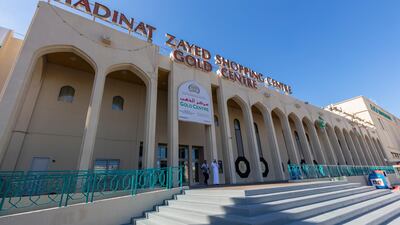
Madinat Zayed Gold Souq. Courtesy: Department of Culture and Tourism - Abu Dhabi -
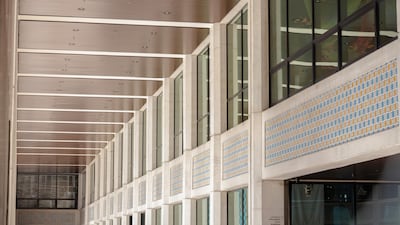
Abu Dhabi's Cultural Foundation was established in 1981. Department of Culture and Tourism - Abu Dhabi -
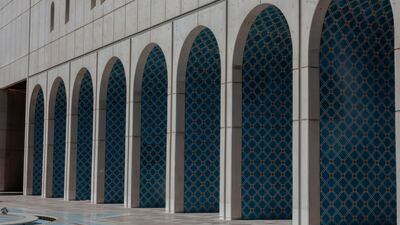
Abu Dhabi's Cultural Foundation was established in 1981. Department of Culture and Tourism - Abu Dhabi -
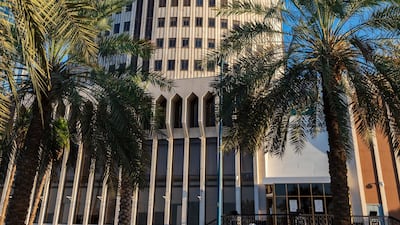
Abu Dhabi Chamber of Commerce & Industry. Courtesy: Department of Culture and Tourism - Abu Dhabi -
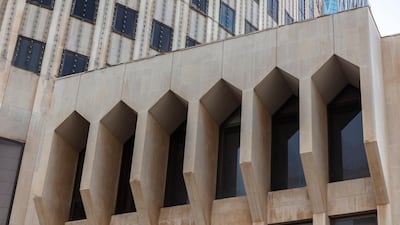
Abu Dhabi Chamber of Commerce & Industry Courtesy: Department of Culture and Tourism - Abu Dhabi -
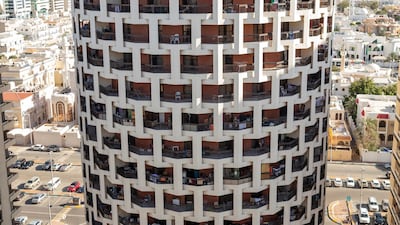
The Al Ibrahimi Building (Saeed Al Kalili) was built in the metabolist style, a fusion of nature and technology found in many Japanese cities. Courtesy: Department of Culture and Tourism - Abu Dhabi -
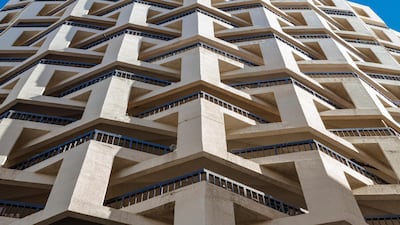
The Al Ibrahimi Building (Saeed Al Kalili) was built in the metabolist style, a fusion of nature and technology found in many Japanese cities. Courtesy: Department of Culture and Tourism - Abu Dhabi -
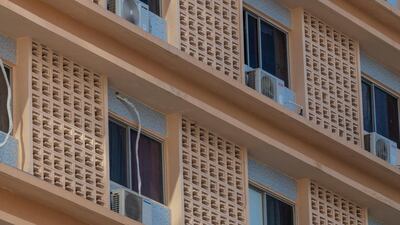
The Iran Bank has also been protected to provide physical evidence of the city’s continued development. Courtesy: Department of Culture and Tourism - Abu Dhabi -

Fishermen’s Wharf at Mina Zayed. Courtesy: Department of Culture and Tourism - Abu Dhabi


This global occasion is an opportunity for all of us to reflect on the importance of our respective nations’ ancient cultural monuments and sites, but I truly believe iconic modern structures are also monuments in their own right, serving as markers of our cultural vibrancy, diversity and evolution.
For both emirate and nation, the new appreciation of modern heritage dates to the early 2010s. In 2011, DCT Abu Dhabi launched the Modern Heritage Conservation Initiative to safeguard the collective memory of the emirate and preserve its evolution for posterity by establishing preservation guidelines and effective strategies.
Then in 2014, the UAE chose, as the theme of its pavilion at the Venice Architecture Biennale, to celebrate public and residential architecture of the 1960s and ’70s. The 2016 Venice pavilion continued in this new direction by describing the transformation of Emirati Sha’abi housing in the 1970s and ’80s. In that same year, Abu Dhabi’s Cultural Heritage Law of 2016 safeguarded all tangible and intangible heritage, irrespective of age.
In 2023, after years of painstaking research, DCT Abu Dhabi announced the registration of a large number of first-priority modern heritage sites across the emirate, in line with the Cultural Heritage Law. No demolition applications will be allowed for these buildings. Instead, priority will be given for them to be maintained and rehabilitated.
The modern heritage of Abu Dhabi serves as a reminder of our emirate, and our country, what we stand for, what we strive for, and for the legacy that we are creating for future generations. The Columbia University architecture professor Yasser Elsheshtawy has observed that the modern-heritage initiative sets Abu Dhabi apart from other regional cities. Abu Dhabi, he wrote, “represents a model for measured and sustainable development and urban growth that doesn’t merely seek to gain significance through spectacular architecture but also aims to preserve the past to serve the present”.
In terms of other benefits, the conservation of modern heritage contributes to Abu Dhabi’s sustainability goals by reducing the carbon footprint from demolition and redevelopment. The greenest building is one that is already built. Research shows that it takes 10 to 80 years to offset the carbon debt incurred when an existing building is replaced by a new one. Further, conservation of modern heritage diversifies the economy by stimulating alternative real estate investments into reuse and revitalisation of the existing built environment.
The first-priority sites designated for protection under the Modern Heritage Conservation Initiative represent diverse types of buildings – a hospital, a theatre, a school, mosques, parks, hotels, markets, and the Abu Dhabi Media Company building, which housed The National for the first decade of its life.
For instance, Al Manhal Palace was the first purpose-built presidential palace, where the flag of the state was raised after the UAE joined the UN in 1971. The Saeed Al Kalili Building, fondly known for Al Ibrahimi restaurant on its ground floor, is an award-winning structure and one of the capital’s architectural masterpieces designed by the prominent Egyptian architect Dr Farouk El Gohary.
Several of the sites honour the utilitarian aspects of daily life that make urbanity possible, such as the Abu Dhabi Bus Terminal and Taxi Stand and the Khalidiya water tank. The sites span the emirate, from the vegetable and fish market and the old gold souk in Al Ain to Al Hobbara Water Tank on Sir Bani Yas Island and the former Al Dhafra Region Municipality Building.
Looking ahead, as part of our modern-heritage initiative, DCT Abu Dhabi will continue to survey Abu Dhabi’s built environment to identify and inventory other modern heritage sites to be formally registered for protection and conservation.
Together we must guard modern heritage, because of the value it holds in our collective memory as residents of this emirate, and because of the historical testimony it conveys in telling Abu Dhabi’s story through architectural and urban identity.

