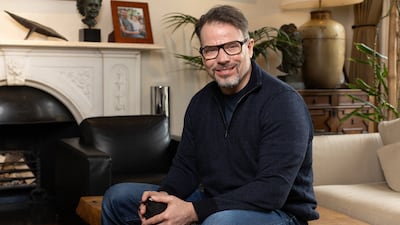

A hedge fund tycoon and philanthropist who was Britain’s third-biggest taxpayer last year has become the latest London-based billionaire to relocate abroad.
Chris Rokos, founder of Rokos Capital Management, is moving his residency from the UK to Greece, reported Bloomberg, which said he would open an office in Athens as part of the move. His company, based in Savile Row, London, employs more than 370 people and has offices in Abu Dhabi, New York and Singapore.
The Oxford-educated trader, who attended a state primary school before winning a scholarship to Eton, has a net worth of around £3 billion ($4.05 billion) and manages a fund worth more than £15 billion.
In 2025, he paid £330 million in tax, placing him near the top of the Sunday Times Tax List. He donated £190 million to the University of Cambridge this year to establish a school of government, saying he wanted to “give something back to Britain”.
His departure follows decisions by billionaires such as steel magnate Lakshmi Mittal, Egypt’s second-richest man Nassef Sawiris, Checkout.com founder Guillaume Pousaz and Goldman Sachs vice-chairman Richard Gnodde to leave the UK amid expectation of tax rises from Prime Minister Andy Burnham’s government.
Favourable tax regimes such as those in the UAE and Monaco have been the beneficiaries of the exodus of the super rich.
Greece has also proved attractive to high-net worth individuals, offering an annual flat tax of €100,000 ($116,000) on foreign earnings for 15 years if they invest at least €500,000 in the country. Meanwhile, Italy offers tax breaks for an annual fee of €100,000.
The UK has increased taxes on everything from private equity investments and private school fees to inheritance and capital gains. It also scrapped its non-domiciled status regime in 2024, which led to predictions of a wave of departures. Non-dom status had existed in the UK since 1799, when it was introduced to protect colonial investments. It allowed people living abroad to pay British taxes only on what they earned in the UK.

The number of non-dom taxpayers in the UK in the final year before the status was scrapped dropped by 1,200 to 81,900, but the true number of how many have left since the changes were introduced will not be known until next year.
The UK has brought in a new four-year programme called the Foreign Income and Gains regime, which offers 100 per cent relief from UK tax on overseas earnings.
It comes against a backdrop of heightened anxiety in financial markets about the fragility of the UK’s finances.
The Labour government faces difficult decisions in attempting to grow the economy and balance the books, with increased borrowing or tax rises the likely consequence.
Mr Burnham and Chancellor John Healey face pressure from back benchers to raise the money by increasing the tax burden on the wealthy at next month’s budget.
Mr Healey said in his first major speech on Monday that he wanted to see Britain “as a country of wealth creation”. He pledged to ease the burden on business but stopped short of suggesting tax cuts. Mr Burnham, who succeeded Keir Starmer as prime minister in July, has previously expressed support for more taxes on wealth, including capital gains and land.
Andrew Griffith, shadow chancellor of the exchequer, said: “Chris Rokos has made huge contributions to charities and educational causes across our country. Yet another wealth and job creator leaving Britain is bad news for all of us.
“Whatever your personal finances, wealth creators leaving the UK means fewer opportunities for young people and leaves the rest of us paying more. This is what happens when a government hikes taxes. Our best and brightest are choosing where to live – and they are not choosing Labour’s Britain.”
Labour's 'anti-rich policies'
Questioned by the BBC about Mr Rokos on Tuesday, Work and Pensions Secretary Pat McFadden said he still believes the UK is “a great place to live in, and found and grow a business”.
The government said: “The UK remains an attractive destination for talent and investment, with a competitive and stable tax system, deep capital markets, world-class universities and a highly skilled workforce.”
Neither Mr Rokos nor his company have made any comment.