


The FBI is investigating the sale of hundreds of objects that are believed to have been stolen from the British Museum.
The museum announced last year that more than 1,500 items were missing, stolen or damaged – many of which were thought to have been listed for sale on eBay, using PayPal to enable payment.
The US domestic intelligence service reportedly assisted with the return of 268 items after they were bought by a collector in Washington.
According to a BBC report, the FBI contacted one buyer to ask about two pieces he had bought on eBay, telling him the bureau was assisting the Metropolitan Police investigate missing or stolen items from the museum.
The buyer said he no longer held the items and did not believe they had been traced down by authorities.
The British Museum said 626 of the missing items were recovered while more than 100 were identified but had yet to be returned.
The British Museum through the years - in pictures
-
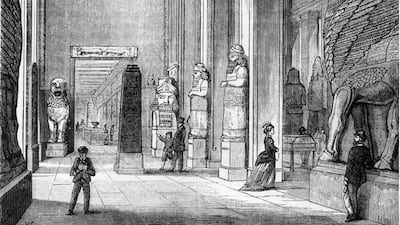
The Nineveh Gallery at the British Museum in London in 1852. All photos: Getty Images -
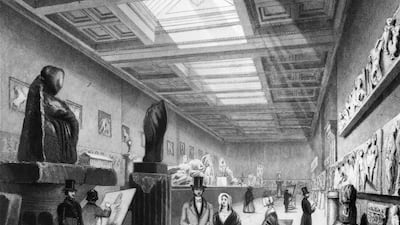
The Elgin Room at the British Museum in 1840 -
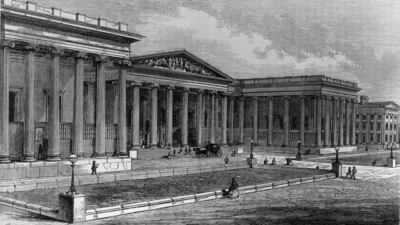
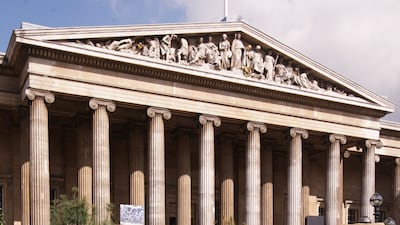
The neo-classical exterior of the British Museum in 1865 -
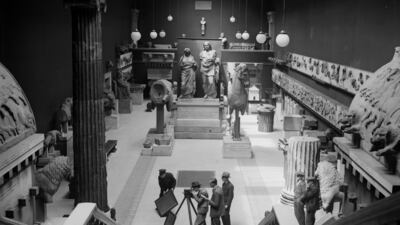
Filming takes place in the British Museum in 1928 -
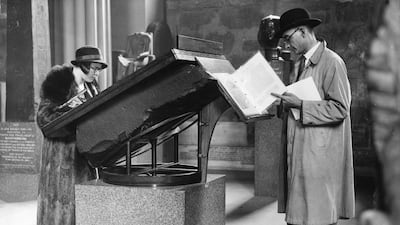
Visitors reading information concerning the Rosetta Stone, from the top of the stone itself, in the Egyptian Gallery in 1932 -
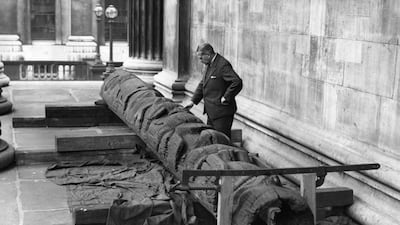
A man examines a totem pole which was purchased from a village in British Columbia and brought to the museum in 1933 -
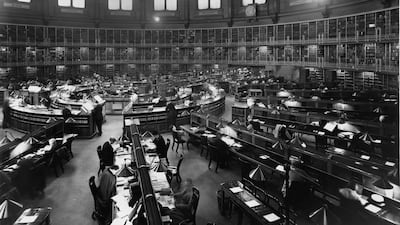
The Reading Room in 1937 -
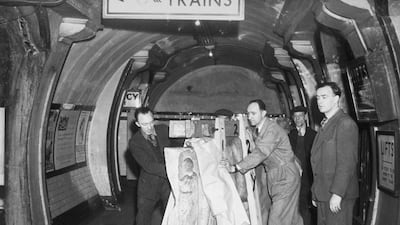
'Operation Elgin' is carried out in 1945, when 100 tonnes of priceless Elgin Marbles were moved from their wartime hideout in Aldwych Tube station to the British Museum -
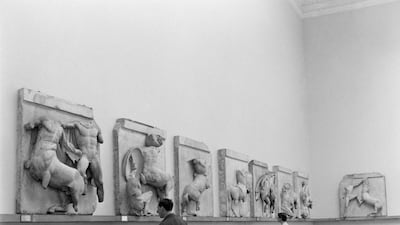
Visitors viewing the Parthenon Sculptures, also known as the Elgin Marbles, in the Egyptian Galleries in 1954 -
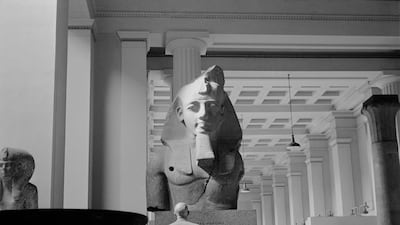
A statue of Egyptian pharaoh Rameses II in 1954 -
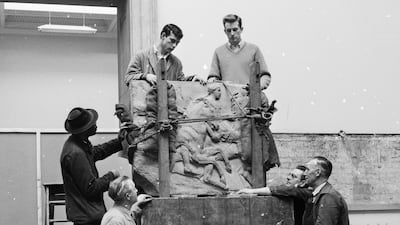
Workmen unload a portion of the Parthenon frieze before affixing it to the wall in the new Elgin Marbles room in 1961 -
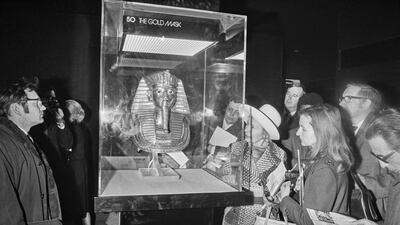
The gold death mask of Egyptian pharaoh Tutankhamun on display in 1972 -
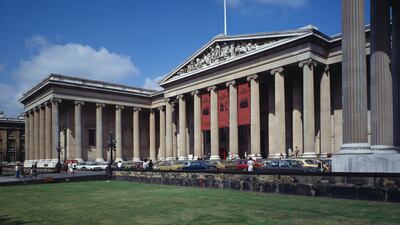
The exterior of the museum in 1980 -
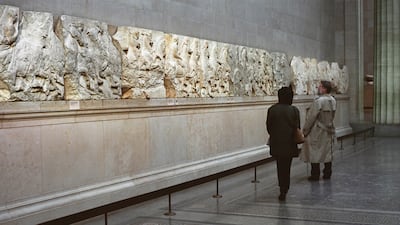
A frieze which forms part of the Elgin Marbles, taken from the Parthenon in Athens almost 200 years ago, on display in 2002 -
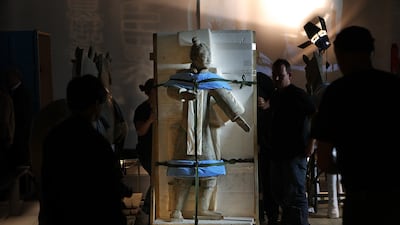
A Terracotta Warrior statue, wrapped in protective foam, is moved into place in the Reading Room in 2007 -
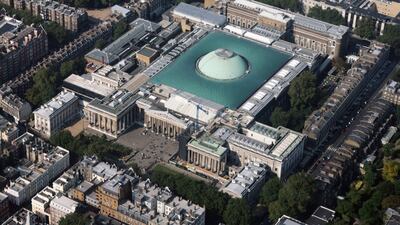
An aerial view in 2008 -
Gardeners from the Royal Botanic Gardens at Kew prune the foliage in an Indian-themed garden on the west lawn of the British Museum in 2009 -
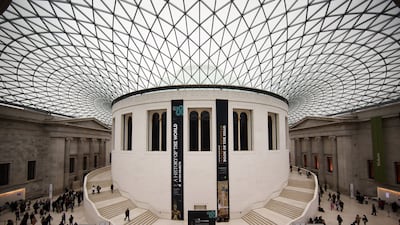
Visitors walk in The Great Court of the museum in 2011 -
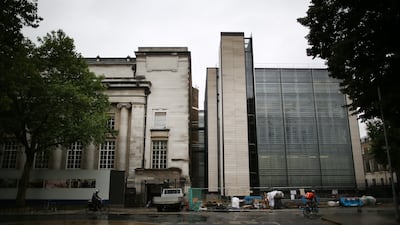
The British Museum's new World Conservation and Exhibitions Centre, right, adjoining the original building, in 2014 -
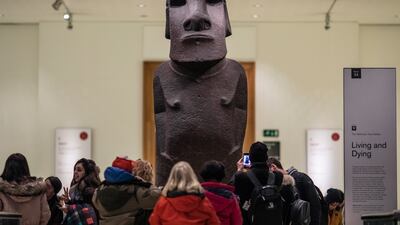
A basalt Easter Island Head figure, known as Hoa Hakananai'a, on display in 2018 -
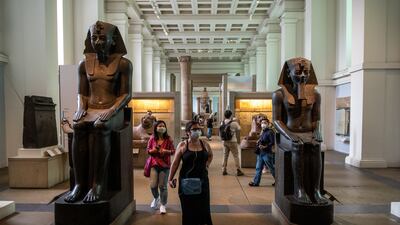
Visitors wearing face masks walk through the Egyptian exhibition as the museum reopened to the public after being closed for 163 days due to Covid lockdowns -
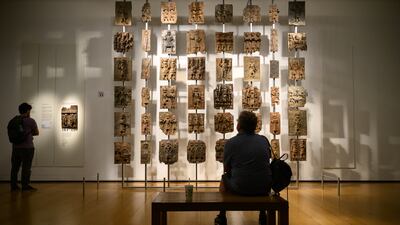
Items from a collection of metal plaques and sculptures taken from modern-day Nigeria in 1897, commonly referred to as the Benin Bronzes, are seen in a gallery of African relics in 2023


Most of the missing items were reportedly uncatalogued and the museum is seeking ways to prove its ownership.
The museum believes senior curator Dr Peter Higgs, who was dismissed for gross misconduct in July last year, took them.
Lawyers for the institution, which has brought a civil case against Dr Higgs, told London's High Court in March there was “compelling evidence” the former curator “abused his position of trust” between at least July 2009 and January 2018, which he denies.
He was ordered to list or return any stolen items within four weeks.
Barrister Daniel Burgess claimed that Dr Higgs, who has been investigated by the Metropolitan Police but not charged with an offence, stole items such as gems, jewellery, gold, silver and “intentionally” damaged artefacts by removing gold and silver from them.
The museum claims Dr Higgs, who worked in the Department of Greece and Rome for more than 30 years before he was sacked, made an estimated £100,000 from the sale of the items.
Dr Higgs did not attend the hearing due to poor health. The police investigation is continuing.
What is missing?
The museum is not sharing full details of the lost and damaged items on the advice of recovery specialists.
“What we can share is the type of material that we believe has been stolen,” said the museum on its website.
“The vast majority of the items are from the Department of Greece and Rome and mainly fall into two categories: Gems and jewellery.”
Types of missing objects include gems, cameos or intaglios, which are often set in rings or other settings, or left unmounted and unfinished.
They date across antiquity, especially from the Late Bronze Age, from about 15th to 11th century BCE, and the Hellenistic and Roman periods.
“While the majority of the items are gems and jewellery, our investigations suggest that there are also a number of other types of materials amongst the missing objects – such as small sculptural fragments and Greek pottery,” the museum said.

