
Lebanon has moved a step closer to abolishing the death penalty after the parliamentary justice committee approved a bill to end the practice.
While a moratorium on the death penalty has been in effect since 2004, committee chairman Georges Atallah said the new law would abolish it completely from the Lebanese legal system and bring Lebanon in line with international conventions.
The proposed law, which requires approval by the full parliament, would replace the death penalty with life imprisonment under “very strict conditions”.
The government has already signalled its approval of the law and no major protests have taken place against it – suggesting it is likely to be accepted by MPs.
Mr Atallah said that despite the dire situation Lebanon is facing – including war, occupation and continued economic collapse – approval of the bill showed that it is capable of making human rights decisions. He said the Lebanese legal system was now in line “with all international conventions on the subject of human rights”. The bill has received the approval of Justice Minister Adel Nassar.
Radical cleric Ahmad Al Assir is among those who have already been sentenced to death, in his case over deadly clashes between his supporters and the Lebanese army in 2013. However, he is undergoing a retrial.
The bill comes amid attempts at wider reform of the Lebanese justice and penal system, which has been criticised for delays, abuse and being in urgent need of change.
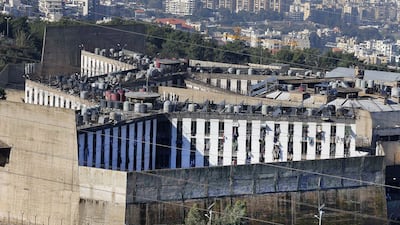
About 8,500 prisoners are being held in the country's penal system – many of whom have not faced trial – which has capacity for only 4,500 inmates. Conditions are typically dire and abuse rampant.
Authorities are seeking to relieve the pressure through a contentious amnesty law that would see many detainees released or their sentences put on hold.
However the law is currently stuck at the parliamentary committee stage amid widespread tensions over who should be included.
Powerful Parliamentary Speaker Nabih Berri had sought to schedule a parliament-wide vote two weeks ago but it was abruptly cancelled when protests broke out against the lack of inclusion of certain groups, including Al Assir and some of his supporters.