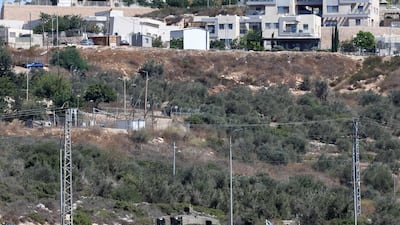

A UN list of companies doing business with settlements in the occupied West Bank has grown by one-third, with travel firms and materials suppliers prominent among the group.
Sixty-one new companies were added to the list, which the UN Office for Human Rights has maintained since 2020. A total of 214 companies from 11 countries are listed, including well-known travel brands such as Airbnb and Expedia.
Some are in European countries including the UK, Spain, France and the Netherlands, which this month announced bans on trading with illegal settlements. Violence against Palestinians has surged in the territory as a far-right government expands settlements in occupied territory that are widely considered illegal.
European companies that have been warned for years against operating in illegal settlements in the West Bank have appeared again on the updated list.
JC Bamford Excavators, a British manufacturer of construction vehicles, and Greenkote PLC, which makes metal coatings and is registered in the UK, are among the European companies named. The Dutch travel website Booking.com and French construction engineers Egis and Egis Rail were also included in the annual update, which was issued on Friday.
France, the Netherlands and the UK are among European states that have warned companies involved in settlement tenders, such as the controversial E1 project, that they could be exposed to sanctions. Companies otherwise operating in the West Bank remain out of reach of sanctions, although the UK has said this may change.
Newly added firms include the Israeli pesticides maker Adama, part of the Chinese-owned Syngenta Group, the Israeli property company Alony Hetz, and Spain's Salvat Logistica.
Five companies were removed from the list, including the UK-registered online travel company Opodo and Spanish-listed travel agent eDreams. The UN found there were reasonable grounds to believe they were no longer involved in the activities that had led to their inclusion. eDreams said last year it had withdrawn and would continue to block property listings in Israeli settlements, saying some had been uploaded directly by their owners.
The travel firm Expedia has previously said that the listings in what it called “disputed areas” were clearly labelled, complied with international laws and sanctions and are subject to due diligence.
The report calls on companies to “meet their own responsibility to respect human rights under widely accepted international standards”.
“Where business enterprises are involved in listed activities, they should take appropriate action to address the adverse human rights impacts with which they are involved,” it says.
“This report is another reminder to companies that they have human rights responsibilities and are expected to conduct due diligence to ensure that they do not become involved in human rights violations or abuses,” the UN human rights chief Volker Türk said.

