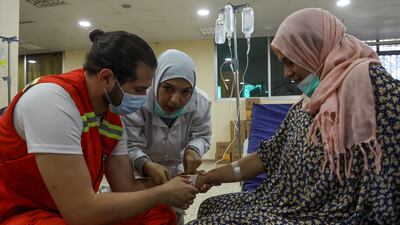
Lebanon's health sector is struggling to cope with the economic crisis. Elizabeth Fitt for The National

Lebanon's economic crisis pushes isolated communities into healthcare misery


Jamie Prentis
  • English
  • Arabic

For days, Nayef Houjeiri, a 51-year-old labourer from the isolated Lebanese border town of Arsal, had put up with his hypertension — the tightness in his chest and exhaustion.

After going around a number of clinics, some closed, others not, he arrived at a primary health care centre run by Doctors Without Borders (MSF), one of the few free facilities in the Baalbek-Hermel governorate.

By that time, his condition was critical and Mr Houjeiri, who has three children, collapsed in the clinic's waiting room.

“I was looking at my daughter's face and thinking I was saying goodbye,” he told The National from a hospital in the city of Baalbek.

After emergency surgery, Mr Houjeiri's prognosis is good. His treatment was paid for by MSF, which normally deals with primary health care situations but is increasingly having to support emergencies for Lebanese citizens such as Mr Houjeiri.

Lebanon’s economic crisis, which became apparent in 2019, has pushed much of the population into poverty. People like Mr Houjeiri are now unable to afford hospital treatment as inflation soars and salaries fail to match the rise in the cost of living amid the US dollar shortage, or access state support for healthcare.

Making the situation for people living in the Baalbek-Hermel governorate worse is the distance they must travel to find the treatment they need.

Arsal is 40 kilometres away in the mountains. The latter part of the journey to the town is marked by a winding road towards the Syrian border and the surging price of fuel is making matters more difficult.

“Definitely, 10 years ago I would have been able to afford to go to the hospital. I was living, not quite luxurious, but a comfortable life before the crisis,” Mr Houjeiri said.

“My heart condition has been exacerbated because of the stress I have been living in.”

And there is also the shame of being unable to afford treatment. Mr Houjeiri talks about the “humiliation” from not having the money to pay.

Before becoming aware that his care could be funded, “it was a conscious decision, wanting to stay at home and die rather than being put in that position”.

“I was so afraid to be put in a position where I go to a hospital and I cannot afford (it) … and feel like I’m helpless and I cannot do anything about my health. I was really worried about that. I was trying to say no to go to the hospital.”

Before the economic crisis Lebanese patients were paying about 15 per cent of their medical bills, with the rest covered by guarantors such as the Ministry of Public Health or Lebanon’s social security fund, said Maytham Al Jari, a referral nurse with MSF.

But now, Lebanese patients — already poor — have to pay about 85 to 90 per cent of the costs. Guarantors pay back at the official rate of the Lebanese pound — which is significantly lower than the parallel market figure that represents the true value to the US dollar of the local currency.

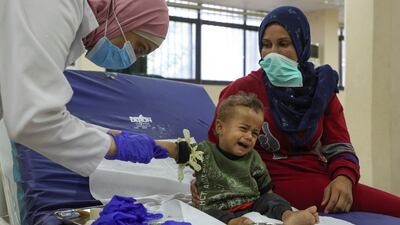
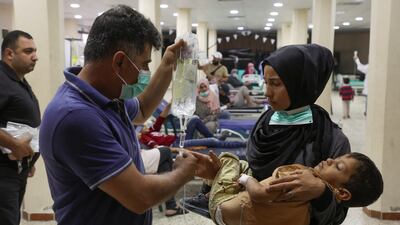
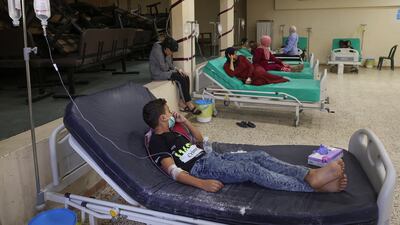
  • A health worker treats a child who is suspected of having cholera at a field hospital in Bebnine, Akkar district, northern Lebanon. All photos: Reuters
    A health worker treats a child who is suspected of having cholera at a field hospital in Bebnine, Akkar district, northern Lebanon. All photos: Reuters
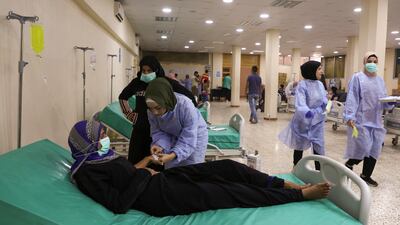
  • Lebanon's Ministry of Public Health has reported 130 cases of cholera, taking the total of suspected and confirmed case to 1,225 as of October 28.
    Lebanon's Ministry of Public Health has reported 130 cases of cholera, taking the total of suspected and confirmed case to 1,225 as of October 28.
  • Confirmed cholera cases in Lebanon now stand at 371, with 16 deaths.
    Confirmed cholera cases in Lebanon now stand at 371, with 16 deaths.
  • There are 154 cases of cholera in the Lebanese town of Bebnine.
    There are 154 cases of cholera in the Lebanese town of Bebnine.
  • Lebanon's first case of cholera since 1993 was reported on October 6 in Akkar district, about 20 kilometres north of Tripoli.
    Lebanon's first case of cholera since 1993 was reported on October 6 in Akkar district, about 20 kilometres north of Tripoli.
  • Cholera is an acute diarrhoeal disease that can be treated with oral rehydration but is deadly if left untreated, according to the World Health Organisation.
    Cholera is an acute diarrhoeal disease that can be treated with oral rehydration but is deadly if left untreated, according to the World Health Organisation.
  • Cholera is spread by unsafe water and food that has been contaminated by human waste.
    Cholera is spread by unsafe water and food that has been contaminated by human waste.
  • Lebanon shares border with Syria, where cases of cholera continue to rise.
    Lebanon shares border with Syria, where cases of cholera continue to rise.
  • Syria’s cholera outbreak is likely to have started with contaminated water and food irrigated by the Euphrates River, Save the Children says.
    Syria’s cholera outbreak is likely to have started with contaminated water and food irrigated by the Euphrates River, Save the Children says.

Then there is the effect of the economic crisis on hospitals. Qualified medical workers have left the country as their salaries buy less and living conditions deteriorate, while healthcare facilities face a shortage of electricity, surging fuel prices and a lack of medications.

“Let me give you an example. Before if I have pain in my abdomen, I used to go and seek medical advice,” said Mr Al Jari.

Now, fearing the financial cost, many patients delay treatment until the problem has worsened.

“They are preferring that, instead of going and taking medication or solving a problem which may require a simple medicine … they can’t afford this,” he said.

“They postpone, postpone, postpone. The problem gets worse.”

Abu Ali, 43, is a municipal policeman from Arsal who has five children. He earns $70 a month.

If you don’t have money you cannot access hospital care
Abu Ali

He has diabetes and heart problems. About a month ago, liquid began accumulating in his abdomen and he went to a hospital in Beirut, believing it to be the best place for specialised care despite the expense and distance from Arsal.

Taking a few thousand dollars with him, he was seen by a cardiologist. But he had developed a diabetic sore on his foot, and was told more money was needed to pay for his complex treatment.

Having run up bills of about $10,000, Abu Ali signed himself out of hospital against medical advice because he did not want any more debt.

“If you have money, you’re able to go to hospital. If you don’t have money, you cannot access hospital care,” said Abu Ali from hospital in Baalbek.

After presenting himself to the MSF clinic in Arsal, he was referred to the hospital in Baalbek and received further treatment. He now faces at least two months of recovery.

Even amid Lebanon’s economic crisis, residents on the Baalbek-Hermel governorate have more onerous challenges in accessing vital healthcare.

Distances are comparatively long and medical facilities limited. Abu Ali said he went all the way to Beirut, after raising money from family and friends, because he thought it was “safer”.

“I know that specialised care is more prominent there than this area.

“It was very, very expensive to make it to Beirut. We went in a public van, but it was still expensive.”

Mr Al Jari said that while there are some healthcare facilities in areas near Arsal, they are not equipped to tackle many specialised cases.

“The challenge to access hospital care is the distance and how the hospitals are from many locations in Baalbek-Hermel governorate, especially for Arsal,” said Mr Houjeiri.

“A lot of pregnant women delivered on the road before even reaching the hospital. With the transport costs, it’s even more difficult to afford.”


How to join and use Abu Dhabi’s public libraries

• There are six libraries in Abu Dhabi emirate run by the Department of Culture and Tourism, including one in Al Ain and Al Dhafra.

• Libraries are free to visit and visitors can consult books, use online resources and study there. Most are open from 8am to 8pm on weekdays, closed on Fridays and have variable hours on Saturdays, except for Qasr Al Watan which is open from 10am to 8pm every day.

• In order to borrow books, visitors must join the service by providing a passport photograph, Emirates ID and a refundable deposit of Dh400. Members can borrow five books for three weeks, all of which are renewable up to two times online.

• If users do not wish to pay the fee, they can still use the library’s electronic resources for free by simply registering on the website. Once registered, a username and password is provided, allowing remote access.

• For more information visit the library network's website.

SPEC%20SHEET%3A%20NOTHING%20PHONE%20(2)
%3Cp%3E%3Cstrong%3EDisplay%3A%3C%2Fstrong%3E%206.7%E2%80%9D%20LPTO%20Amoled%2C%202412%20x%201080%2C%20394ppi%2C%20HDR10%2B%2C%20Corning%20Gorilla%20Glass%3C%2Fp%3E%0A%3Cp%3E%3Cstrong%3EProcessor%3A%3C%2Fstrong%3E%20Qualcomm%20Snapdragon%208%2B%20Gen%202%2C%20octa-core%3B%20Adreno%20730%20GPU%3C%2Fp%3E%0A%3Cp%3E%3Cstrong%3EMemory%3A%3C%2Fstrong%3E%208%2F12GB%3C%2Fp%3E%0A%3Cp%3E%3Cstrong%3ECapacity%3A%3C%2Fstrong%3E%20128%2F256%2F512GB%3C%2Fp%3E%0A%3Cp%3E%3Cstrong%3EPlatform%3A%3C%2Fstrong%3E%20Android%2013%2C%20Nothing%20OS%202%3C%2Fp%3E%0A%3Cp%3E%3Cstrong%3EMain%20camera%3A%3C%2Fstrong%3E%20Dual%2050MP%20wide%2C%20f%2F1.9%20%2B%2050MP%20ultrawide%2C%20f%2F2.2%3B%20OIS%2C%20auto-focus%3C%2Fp%3E%0A%3Cp%3E%3Cstrong%3EMain%20camera%20video%3A%3C%2Fstrong%3E%204K%20%40%2030%2F60fps%2C%201080p%20%40%2030%2F60fps%3B%20live%20HDR%2C%20OIS%3C%2Fp%3E%0A%3Cp%3E%3Cstrong%3EFront%20camera%3A%3C%2Fstrong%3E%2032MP%20wide%2C%20f%2F2.5%2C%20HDR%3C%2Fp%3E%0A%3Cp%3E%3Cstrong%3EFront%20camera%20video%3A%3C%2Fstrong%3E%20Full-HD%20%40%2030fps%3C%2Fp%3E%0A%3Cp%3E%3Cstrong%3EBattery%3A%3C%2Fstrong%3E%204700mAh%3B%20full%20charge%20in%2055m%20w%2F%2045w%20charger%3B%20Qi%20wireless%2C%20dual%20charging%3C%2Fp%3E%0A%3Cp%3E%3Cstrong%3EConnectivity%3A%3C%2Fstrong%3E%20Wi-Fi%2C%20Bluetooth%205.3%2C%20NFC%20(Google%20Pay)%3C%2Fp%3E%0A%3Cp%3E%3Cstrong%3EBiometrics%3A%3C%2Fstrong%3E%20Fingerprint%2C%20face%20unlock%3C%2Fp%3E%0A%3Cp%3E%3Cstrong%3EI%2FO%3A%3C%2Fstrong%3E%20USB-C%3C%2Fp%3E%0A%3Cp%3E%3Cstrong%3EDurability%3A%3C%2Fstrong%3E%20IP54%2C%20limited%20protection%3C%2Fp%3E%0A%3Cp%3E%3Cstrong%3ECards%3A%3C%2Fstrong%3E%20Dual-nano%20SIM%3C%2Fp%3E%0A%3Cp%3E%3Cstrong%3EColours%3A%3C%2Fstrong%3E%20Dark%20grey%2C%20white%3C%2Fp%3E%0A%3Cp%3E%3Cstrong%3EIn%20the%20box%3A%3C%2Fstrong%3E%20Nothing%20Phone%20(2)%2C%20USB-C-to-USB-C%20cable%3C%2Fp%3E%0A%3Cp%3E%3Cstrong%3EPrice%20(UAE)%3A%3C%2Fstrong%3E%20Dh2%2C499%20(12GB%2F256GB)%20%2F%20Dh2%2C799%20(12GB%2F512GB)%3C%2Fp%3E%0A
The specs

Price, base / as tested Dh12 million

Engine 8.0-litre quad-turbo, W16

Gearbox seven-speed dual clutch auto

Power 1479 @ 6,700rpm

Torque 1600Nm @ 2,000rpm 0-100kph: 2.6 seconds 0-200kph: 6.1 seconds

Top speed 420 kph (governed)

Fuel economy, combined 35.2L / 100km (est)

AIDA%20RETURNS
%3Cp%3E%3Cstrong%3EDirector%3A%20%3C%2Fstrong%3ECarol%20Mansour%3C%2Fp%3E%0A%3Cp%3E%3Cstrong%3EStarring%3A%20%3C%2Fstrong%3EAida%20Abboud%2C%20Carol%20Mansour%3C%2Fp%3E%0A%3Cp%3E%3Cstrong%3ERating%3A%3C%2Fstrong%3E%203.5.%2F5%3C%2Fp%3E%0A
Ten tax points to be aware of in 2026

1. Domestic VAT refund amendments: request your refund within five years

If a business does not apply for the refund on time, they lose their credit.

2. E-invoicing in the UAE

Businesses should continue preparing for the implementation of e-invoicing in the UAE, with 2026 a preparation and transition period ahead of phased mandatory adoption. 

3. More tax audits

Tax authorities are increasingly using data already available across multiple filings to identify audit risks. 

4. More beneficial VAT and excise tax penalty regime

Tax disputes are expected to become more frequent and more structured, with clearer administrative objection and appeal processes. The UAE has adopted a new penalty regime for VAT and excise disputes, which now mirrors the penalty regime for corporate tax.

5. Greater emphasis on statutory audit

There is a greater need for the accuracy of financial statements. The International Financial Reporting Standards standards need to be strictly adhered to and, as a result, the quality of the audits will need to increase.

6. Further transfer pricing enforcement

Transfer pricing enforcement, which refers to the practice of establishing prices for internal transactions between related entities, is expected to broaden in scope. The UAE will shortly open the possibility to negotiate advance pricing agreements, or essentially rulings for transfer pricing purposes. 

7. Limited time periods for audits

Recent amendments also introduce a default five-year limitation period for tax audits and assessments, subject to specific statutory exceptions. While the standard audit and assessment period is five years, this may be extended to up to 15 years in cases involving fraud or tax evasion. 

8. Pillar 2 implementation 

Many multinational groups will begin to feel the practical effect of the Domestic Minimum Top-Up Tax (DMTT), the UAE's implementation of the OECD’s global minimum tax under Pillar 2. While the rules apply for financial years starting on or after January 1, 2025, it is 2026 that marks the transition to an operational phase.

9. Reduced compliance obligations for imported goods and services

Businesses that apply the reverse-charge mechanism for VAT purposes in the UAE may benefit from reduced compliance obligations. 

10. Substance and CbC reporting focus

Tax authorities are expected to continue strengthening the enforcement of economic substance and Country-by-Country (CbC) reporting frameworks. In the UAE, these regimes are increasingly being used as risk-assessment tools, providing tax authorities with a comprehensive view of multinational groups’ global footprints and enabling them to assess whether profits are aligned with real economic activity. 

Contributed by Thomas Vanhee and Hend Rashwan, Aurifer

Timeline

2012-2015

The company offers payments/bribes to win key contracts in the Middle East

May 2017

The UK SFO officially opens investigation into Petrofac’s use of agents, corruption, and potential bribery to secure contracts

September 2021

Petrofac pleads guilty to seven counts of failing to prevent bribery under the UK Bribery Act

October 2021

Court fines Petrofac £77 million for bribery. Former executive receives a two-year suspended sentence 

December 2024

Petrofac enters into comprehensive restructuring to strengthen the financial position of the group

May 2025

The High Court of England and Wales approves the company’s restructuring plan

July 2025

The Court of Appeal issues a judgment challenging parts of the restructuring plan

August 2025

Petrofac issues a business update to execute the restructuring and confirms it will appeal the Court of Appeal decision

October 2025

Petrofac loses a major TenneT offshore wind contract worth €13 billion. Holding company files for administration in the UK. Petrofac delisted from the London Stock Exchange

November 2025

180 Petrofac employees laid off in the UAE

Who's who in Yemen conflict

Houthis: Iran-backed rebels who occupy Sanaa and run unrecognised government

Yemeni government: Exiled government in Aden led by eight-member Presidential Leadership Council

Southern Transitional Council: Faction in Yemeni government that seeks autonomy for the south

Habrish 'rebels': Tribal-backed forces feuding with STC over control of oil in government territory

Updated: April 27, 2023, 12:38 PM