


Even during the conflict and Israeli attacks that hit Lebanon in 1982, Umm Maryam said she could still find basic necessities, such as medicine.
But so severe is Lebanon’s current economic meltdown and other crises that the mother of one and stepmother of five is forced to rely on charity this Ramadan.
“Even with the war, it was never like today. We used to eat well and live a good life,” said Umm Maryam, who is originally from Lebanon’s Bekaa region.
“It’s not similar to now. There’s no war, but there’s an economic war. We used to get anything we wanted, we would find it in the market.
“In the war, I was there — in the south and Bekka — and it didn’t feel like today.”
Umm Maryam has come to a school in Bchamoun, a short drive from Beirut in the Mount Lebanon governorate, where the roads begin to climb upwards into the hills and away from the capital.
She is there to pick up food parcels to get her family through Ramadan via aid packages co-ordinated by the US-headquartered NGO Anera and local partner the Association of Islamic Charitable Projects.
Increasingly families are forced to rely on food packages for Ramadan and the rest of the year. Covid-19, the Beirut port blast in 2020 and Russia’s invasion of Ukraine have only exacerbated Lebanon’s financial collapse, which began in 2019 and has seen inflation skyrocket and shortages of basic necessities.

Umm Al Baydaa, a 42-year-old from Bchamoun and mother of four, is in need of the support offered by groups such as Anera because of the situation in Lebanon. Before the economic crisis, she says “our lifestyle was different”. But now, financially stretched, only the bare essentials are being bought.
“It’s very important that they are giving this [support]. When they give this, we are able to buy other things like medicines,” she said.
Wael Dabbous of AICP has seen the number of families in need of support soar in recent years. Whereas more than two years ago, before the currency dropped and the dollar equivalent value of salaries plummeted, there may have been less than 10 families seeking help, but now it’s “thousands”.
Wheat shortages affect Lebanon's bakeries - in pictures
-
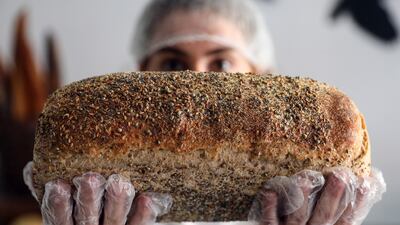
A baker holds up a seeded white loaf of bread at a bakery in Beirut, Lebanon, which faces a food crisis because of war in Europe. All photos: Bloomberg -
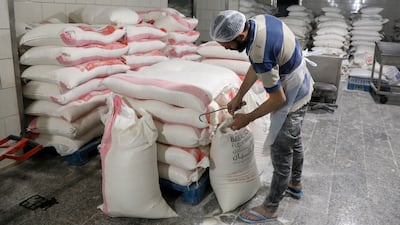
A worker opens a sack of flour to prepare bread dough in Beirut. Lebanon's wheat importers are already rationing flour sales to counter panic buying. -
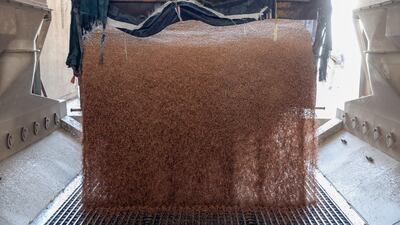
Lebanon, already suffering from years of financial crisis, has faced new problems since Russia invaded Ukraine in February. -
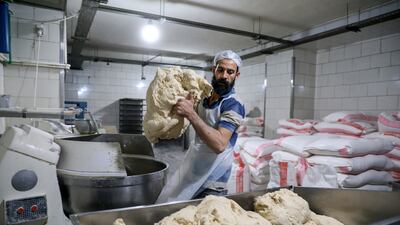
Lebanon normally buys 96 per cent of its wheat from Russia and Ukraine. -
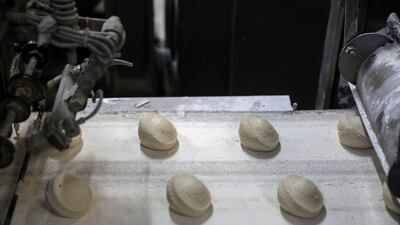
The war between two of the world's biggest wheat exporters has sparked fears of a food crisis in many Middle Eastern countries. -
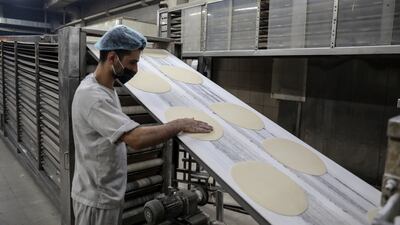
Lebanese importers are struggling to get dollars from a subsidy programme to buy wheat from new suppliers. -
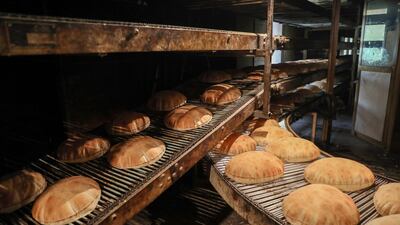
As countries try to secure new sources of wheat, cash-strapped Lebanon's small market of 6 million people could go without. -
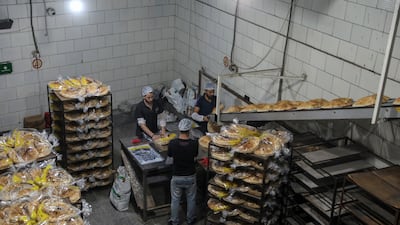
Lebanon lacks grain storage after silos were destroyed in the 2020 Beirut Port blast. -

The country needs 50,000 tonnes of wheat to feed its people for a month. -
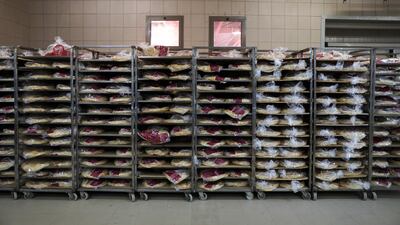
Subsidies keep the price of bread in Lebanon artificially low. -
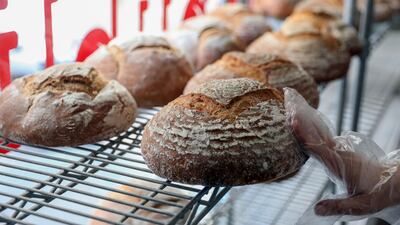
But a loaf now costs on average 10,000 Lebanese pounds, or $0.45, more than six times the price in 2019. -

Millers estimate that without subsidies, prices could more than double. -
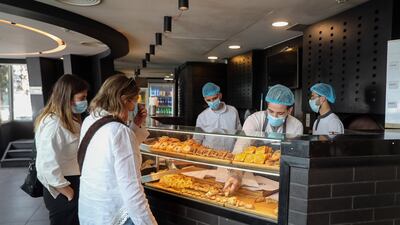
Analysts fear that could cause social unrest in a country where three quarters of the population now live in poverty.


“Before these two years, it [Bchemoun] was great,” he said. But now, most families were faced with “no other choice” than to be reliant on food aid.
On one Sunday alone during Ramadan, he said 412 families were coming to the school in Bchamoun to pick up food packages, vouchers and hygiene kits.
“Of course, if we didn’t need this we wouldn’t come here. This way we can get more of the things for home, because we are getting this food,” said Umm Maryam, citing the example of car fuel, and paying for rent and electricity.
Seated at a long desk in the school, volunteers helped co-ordinate the distribution of the food packages, which were donated by Islamic Relief USA.

Jihad Al Shami, a 48-year-old father of three, used to run his own clothing business, but lost it amid the economic turmoil. And while he is working again at a nearby supermarket, he says the situation is “getting worse and worse”.
“Because of the bad situation in Lebanon, even less help [than he is getting] would be a great help for people,” he said.
So severe is the financial crisis and loss of value of the Lebanese pound, Mr Al Shami said even comparatively well-paid colleagues of his risk spending all of their monthly salary in the first 10 days or so after getting paid.
“If I wanted to get shoes for my youngest child, for example, it will cost me around $15-20 — 500 or 600,000 Lebanese pounds — which is half of my salary.”

