


When Qatar hosted the 17th Arabian Gulf Cup in 2004, it wanted to celebrate a special moment: Iraq’s return to the competition for the first time in more than a decade.
Diplomatic ties between Iraq and its Gulf neighbours were severed after the 1990 invasion of Kuwait. As a result, the Iraqi national team were banned from taking part in the biennial tournament.
But Iraq returned in 2004, a year after Saddam Hussein was removed from power by an invasion led by the US. Despite this, the region was rocked by more than a decade of division as the country slipped into a period of sectarian strife.
Fifa banned Iraq from hosting international matches between 2003 and 2018, citing the poor security situation. But much has changed since and many view Iraq's hosting of the current tournament as a triumph of sports diplomacy, part of continuing efforts to heal a political rift.
To mark the occasion, Qatar commissioned the renowned Iraqi sculptor Ahmed Al Bahrani to design and create a new trophy for the tournament.
Mr Al Bahrani, who has lived in exile since the late 1990s, was overjoyed when he received the commission.
“I was happy for Iraq returning to the tournament and I was particularly proud to be given this opportunity as an Iraqi,” Mr Al Bahrani said.
He spent countless hours sketching out ideas and refining his design, pouring all of his passion and talent into the project.
He travelled to Milan in northern Italy to create his vision at GDE Bertoni, a medal and trophy manufacturer and design company that produced the current Fifa World Cup.
The cup takes the shape of a traditional incense burner of a kind used widely in Gulf states in ceremonies and celebrations. On the top, a pearl sits within the map of the region engraved on the trophy's surface.
Two shemaghs, chequered white Arab headdresses, are twisted together as if to mend a rift, symbolising the return of Iraq as tournament hosts, as they wrap around the globe.
“The headdress is the most precious thing for all men and it refers to how all men came together to mend the rift,” Mr Al Bahrani told The National.
The 47cm-tall trophy is made of white gold, weighs about 8.5kg and is the sixth version since the biennial Arabian Gulf Cup first took place in 1970.
Iraq hosted the competition in 1979 when they were crowned champions and they also won in 1984 and 1988.
On Friday, the eight-team tournament returned to Iraq and the games will be played in the southern port city of Basra located on the mouth of the Arabian Gulf. It will run until January 19.
-
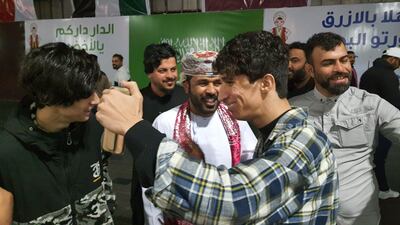
Iraqis mingle with fans from other countries during the Arabian Gulf Cup being held in Basra, Iraq from January 6 to 19. All photos: Sinan Mahmoud / The National -
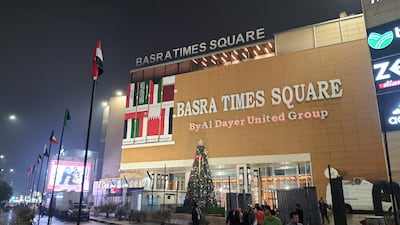
The flags of the eight countries taking part in the tournament are displayed all across the southern port city. Sinan Mahmoud / The National. -
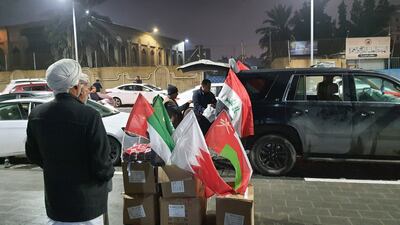
A street vendor sells flags of participating countries at Basra Corniche -
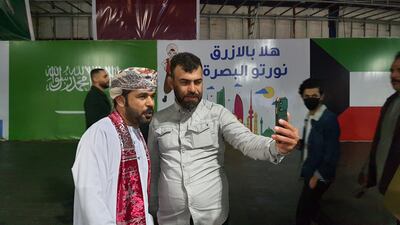
Omani fan Yahya Al Hashemi, 35, poses for a selfie with an Iraqi fan at Basra Corniche -

A statue of the mascot for the 25th edition of the Gulf Cup, Sinbad the Sailor – one of the region's legendary characters -
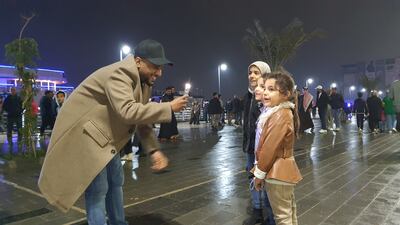
Omani journalist Salah Al Saadi recording Iraqi girls singing on Basra Corniche -

Football fans crowded the corniche in Basra -
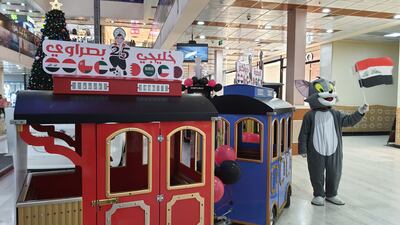
Basra residents are proud to host the tournament after several attempts since 2010, when the security situation started to improve -
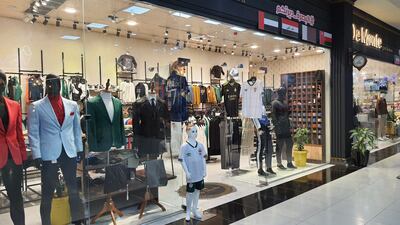
Flags of participating countries, hats, sports merchandise and souvenirs are displayed in shops and street stalls in Basra


The tournament features teams from the Gulf Co-operation Council countries — Kuwait, Saudi Arabia, Bahrain, Oman, Qatar and UAE — as well as Iraq and Yemen.
“Unity was achieved in 2004 when Iraq returned to the competition, but it is even stronger today with the presence of our brothers from the Gulf, players and fans among us,” Mr Al Bahrani said.
Born in 1965 in the town of Tuwaireej, on the Euphrates south of Baghdad, the sculptor showed remarkable talent in modelling clay on the riverbank.
He studied at the Institute of Fine Arts in Baghdad, graduating with a diploma in sculpture in 1988, before going on to teach there from 1992 to 1994.
Mr Al Bahrani left Iraq for Amman, then headed to Yemen. Since 1999, he has divided his time between Doha and Stockholm, Sweden.
He has held many exhibitions and been commissioned for numerous public projects, using his preferred materials of iron and bronze. He created the Olympic Rings sculpture for the 2006 Asian Games in Qatar.
He still has fond memories of the 1979 Gulf Cup in Baghdad, recalling the trips from his hometown with his late father to Al Shaab Stadium to attend the matches.
The game that still sticks in his mind was Iraq thumping Bahrain 4-0. Years later, he met Humood Sultan, Bahrain's goalkeeper on the day, in Doha and the two became close friends.
Like many Iraqis, he is overjoyed to see the Gulf Cup return to the country.
“I have been waiting for the tournament to be held again in Iraq and it is very nice to be in Basra,” he said.
“I feel proud and happy to see the championship taking place in Iraq and proud that the trophy is the one that I designed and created.
"This is not just a football tournament, it is a great opportunity for Iraq in general — and Basra specifically — to maintain normalcy and spur investment."
Opening of Arabian Gulf Cup
-
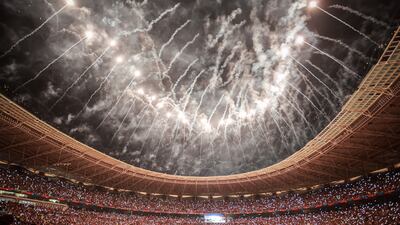
Fireworks light up the sky over the Basra International Stadium during the opening ceremony of the 25th Arabian Gulf Cup in Basra, southern Iraq, on Friday, January 6. Getty -
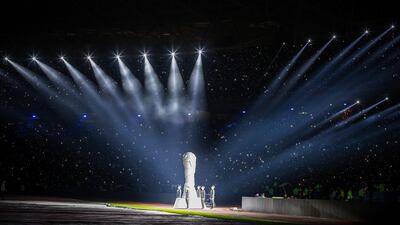
This is the first time Iraq has hosted the Gulf Cup since 1979. Getty -

A performance at the opening ceremony. Iraqis hope hosting the tournament will help kick off a national recovery, after 40 years of turmoil. Getty -

Artists entertain the Basra crowd. Iraq has won the tournament three times - including when it was held in Baghdad 43 years ago. Getty -
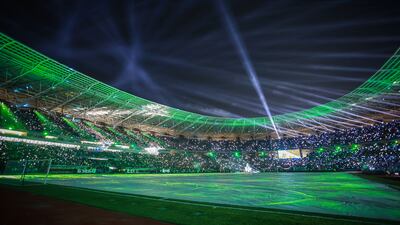
The 65,000-capacity Basra International Stadium bathed in light before the cup got under way with Iraq playing Oman. The game ended 0-0. Getty Images -
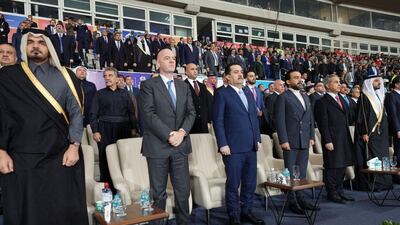
Iraqi Prime Minister Mohammed Shia Al Sudani, centre, at Basra International Stadium, with Fifa president Gianni Infantino to his right. Mr Al Sudani opened the tournament and welcomed the eight teams and their fans. Photo: Iraqi Prime Minister Media Office -

Performers at the opening ceremony. Competing for the Gulf Cup are: Iraq, the UAE, Saudi Arabia, Oman, Kuwait, Bahrain, Qatar and Yemen. Getty -

The spectacular Arabian Gulf Cup opening ceremony at Basra International Stadium. The tournament takes place from January 6 to January 19.



