Saddam's abandoned palaces- in pictures
-
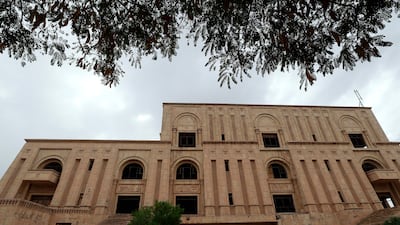
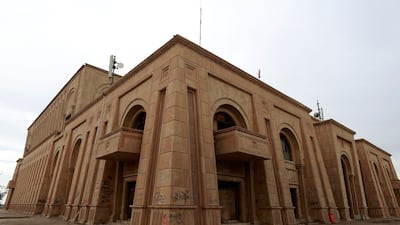
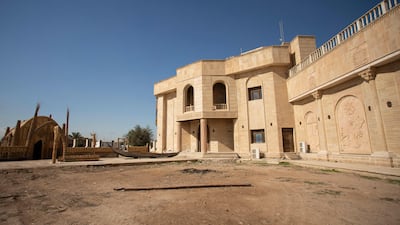
One of former Iraqi dictator Saddam Hussein's palaces in the Babylon Tourist Resort in the Babil Governorate in central Iraq. All photos: AFP -
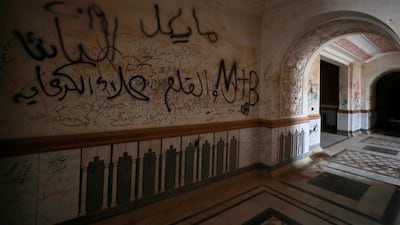
Scattered across Iraq lie more than 100 opulent palaces and villas built by the former dictator. -
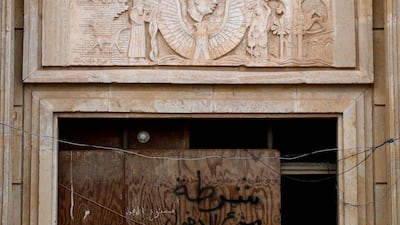
A portrait of Saddam can be seen on one of his palaces in the Babylon Tourist Resort. Graffiti in Arabic reads "not entry". -
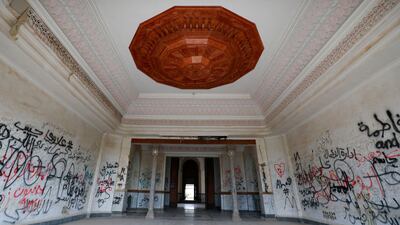
Some of the buildings are in use, but many are in ruins like much of the war-scarred country. -
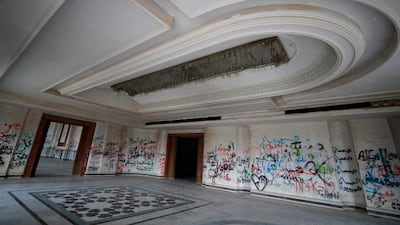
In many places, the initials 'S.H.' are still visible as reminders of the despot who was toppled by the 2003 US-led invasion, captured later that year and executed in 2006. -
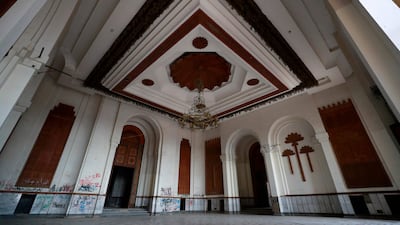
Most of his palaces were looted during the chaos of the invasion, when thieves scavenged all they could carry, even ripping electric cables out of walls. -
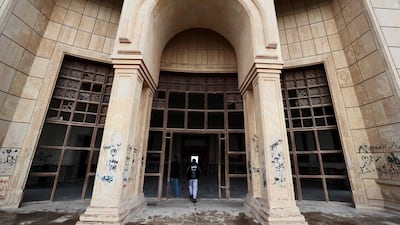
Only a handful of the palatial residences have been given a second lease of life, often as military bases or public administrations, more rarely as museums. -
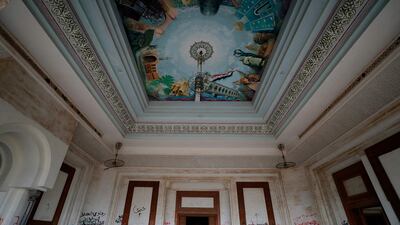
Most lie empty, in part because the cost of renovating them is prohibitive. -
'We can turn palaces into museums, at least in Baghdad -- a tapestry museum, for example, or on the royal family or Islamic art,' said Laith Majid Hussein, director of the Iraqi State Board of Antiquities and Heritage. -
But Mr Hussein conceded that rehabilitating many of Iraq's "gigantic castles" would require "astronomical sums". -
Red tape and entrenched corruption are other hurdles. -
Bureaucracy and corruption hinder the restoration of these palaces to turn them into tourist complexes or heritage centres,' Mr Hussein said. -
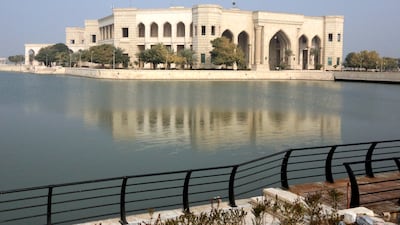
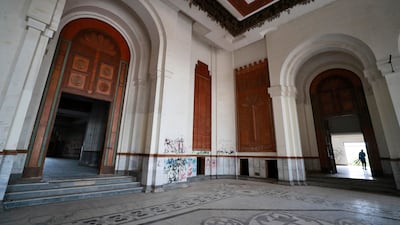
A palace complex near Baghdad International Airport. -
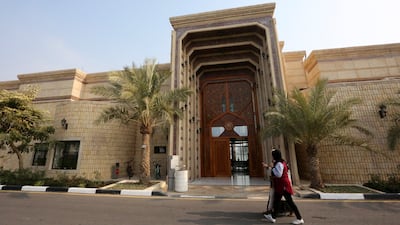
Another view of the palace complex near Baghdad Airport. -
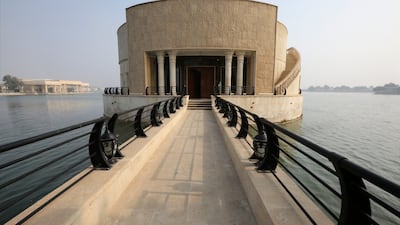
In the turmoil of war, many palaces and monuments were damaged in fighting or used as bases by US and other foreign forces. -
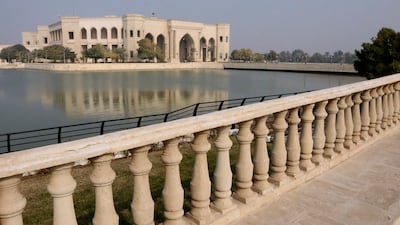
In Baghdad, three palaces now house the presidency and the prime minister's offices. -
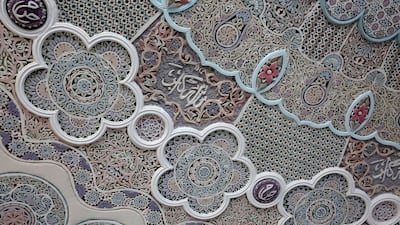
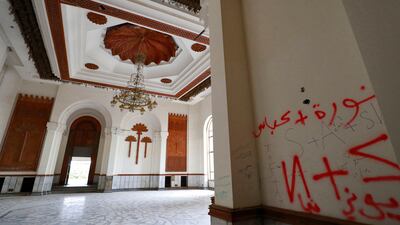
An inscription in Arabic reading 'Allahu Akbar' (God is great) in a palace complex near Baghdad's airport. -
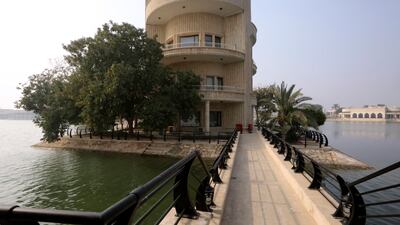
Iraq has a total of Saddam-era 166 residences, villas and other complexes. -
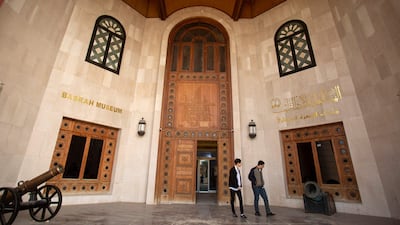
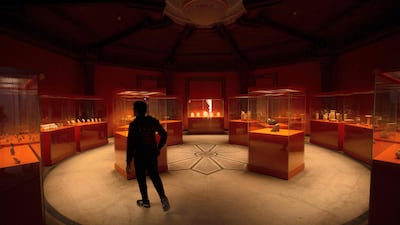
A former palace complex which has been turned into an antiquities museum in the southern city of Basra. -
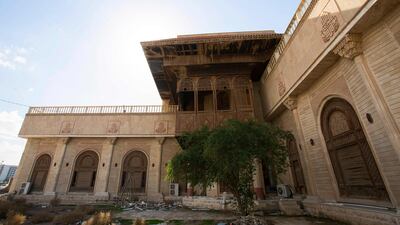
An architect from the former regime said that since 2003 Iraqi governments had built little and proven unable 'to match what Saddam erected'. -
In the southern city of Basra, three palaces remain. -
Two are used by the Hashed al-Shaabi, a pro-Iranian paramilitary alliance now integrated into the Iraqi regular forces. -
The third has become a prestigious antiquities museum. -
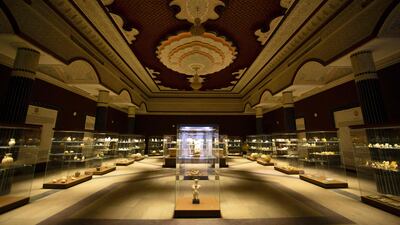
Part of the palace complex turned into an antiquities museum in the southern city of Basra. -
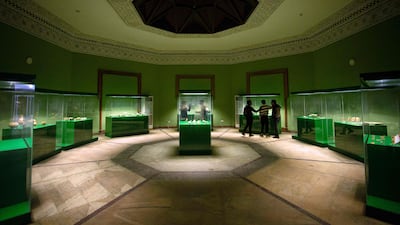
The antiquities museum in Basra. -
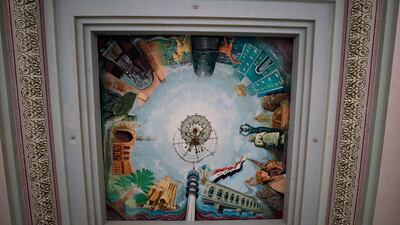
One of the palaces in the Babylon Tourist Resort in the Babil Governorate in central Iraq. -
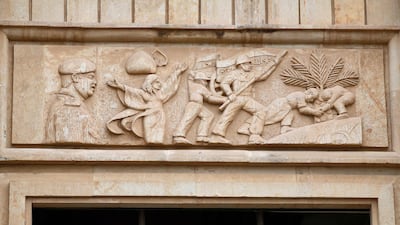
A portrait of Saddam on one of his palaces in the Babylon Tourist Resort. -
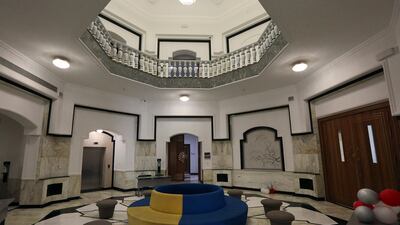
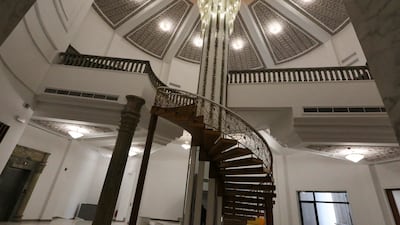
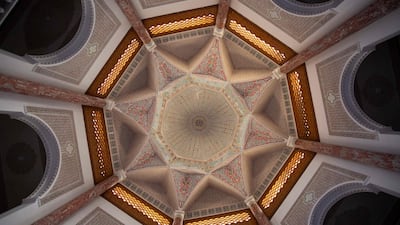
A picture of the interior of the palace complex near Baghdad International Airport. -
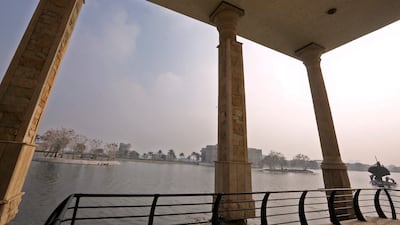
In Babylon province, authorities plan to turn a palace overlooking the Unesco World Heritage site there into a museum. -
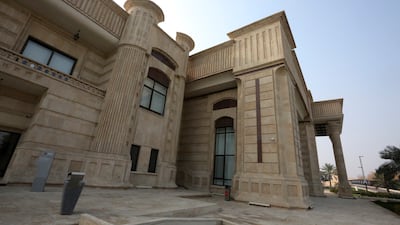
Billions of dollars were spent on lavish structures with gold and marble fittings – no expense was spared. -
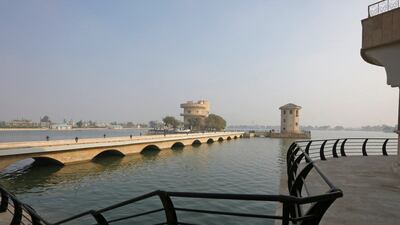
The Iraqi government now owns all the dictator's former residences. Some think the palaces should be restored — even if the history is full of horrors. Others believe they should be left to fall apart, taking memories of war and death with them.


Most popular today

