

Iran claims to have captured two French citizens who purportedly confessed to acts of espionage, and published a video showing the prisoners on Thursday.
The arrests come as Iranian leaders seek to portray continuing anti-government protests as a foreign plot instead of widespread anger over the death of a Iranian woman, 22, detained by the country’s "morality police".
A woman identified as Cecile Kohler, a high school teacher and educational trade union official, and her partner Jacques Paris were shown in the the video released by the state-run Irna news agency.
France’s government issued a rebuke to the accusations and called the detained citizens “state hostages”.
Iran, which has long used detained westerners as bargaining chips in negotiations, has previously offered no public evidence to support the spying accusations.
The French Foreign Ministry said the “supposed confessions extracted under duress” of the detained French nationals in the video was “outrageous”.
Mahsa Amini protests around the world - in pictures
-
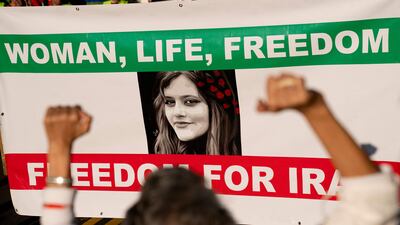
Demonstrators chant slogans during the March of Solidarity for Iran in Washington. AFP -
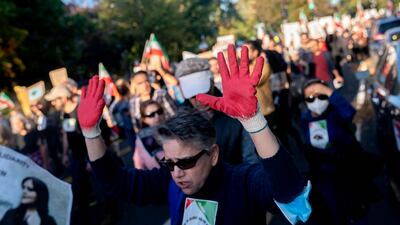
Another group of demonstrators at the march. AFP -
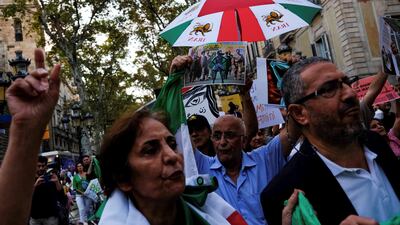
A protest in support of Iranian women in Barcelona. Reuters -
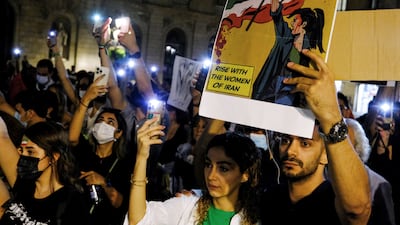
Iranian citizens and locals joined in the Barcelona protest. Reuters -
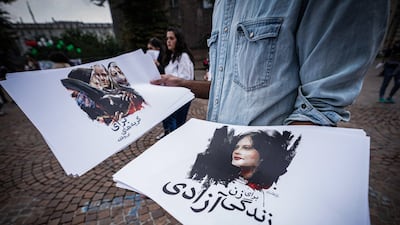
People attend a demonstration in solidarity with Mahsa Amini and other Iranian women in Castello Square, Turin. EPA -
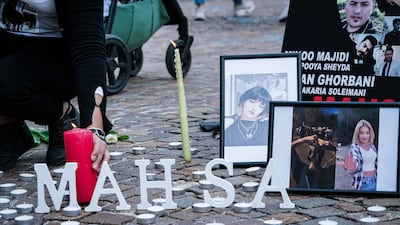
A person places a candle during the demonstration in Turin. EPA -
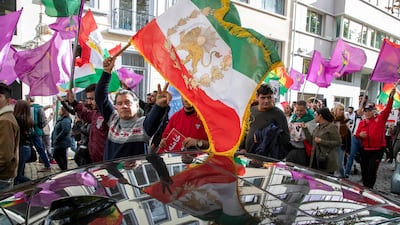
A protester holds a pre-Islamic Revolution Iranian flag during a demonstration in Brussels in support of the Iranians fighting for their freedom. AFP -
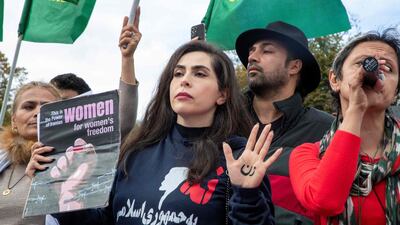
A protester wearing a top with a logo that reads 'No to an Islamic state" as she takes part in a rally in support of the Iranian people, in Brussels. AFP -
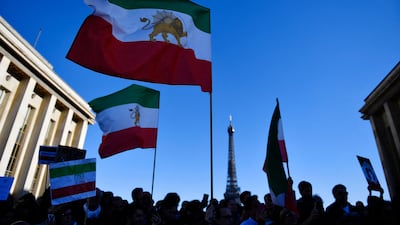
People wave the Shah-era Iranian flag during a protest in Paris. AFP -
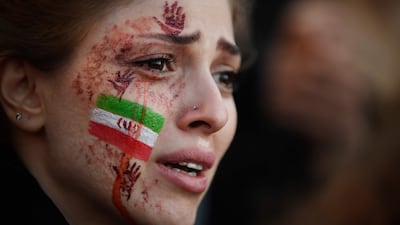
A woman shows her true colours in the protest against the Iranian government, in Paris. AFP -
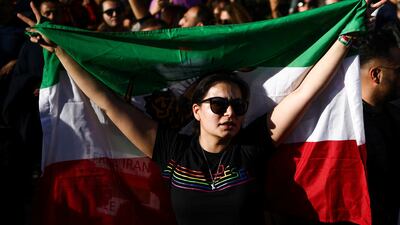
A woman holds a flag, as people protest against the Iranian regime outside Iran's embassy in central London. Reuters -
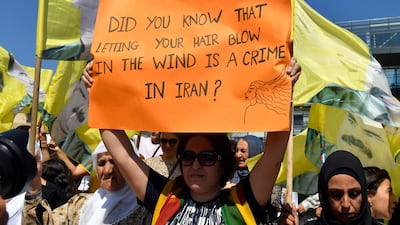
Supporters of the Kurdistan Workers' Party (PKK) carry placards and wave party flags in Beirut, during a protest against the death of Ms Amini. EPA -
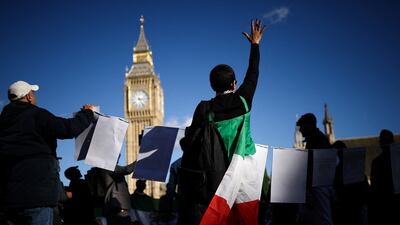
People demonstrate against the Iranian government outside the Houses of Parliament in London following the death of Amini. Reuters -
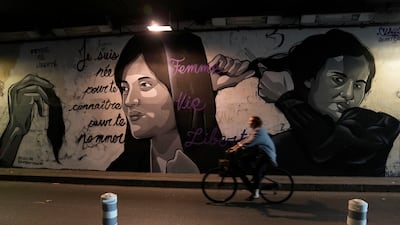
A mural in Paris depicts women cutting their hair to show support for Iranian protesters. AP -
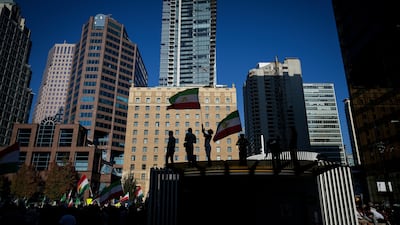
People take part in a rally against the Iranian government in Vancouver, Canada, on Saturday. AP -
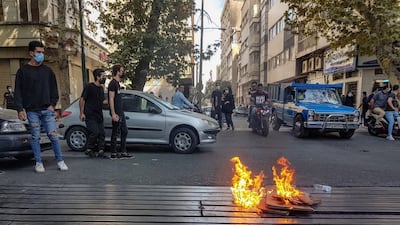
Protesters take to the streets of Tehran. EPA -
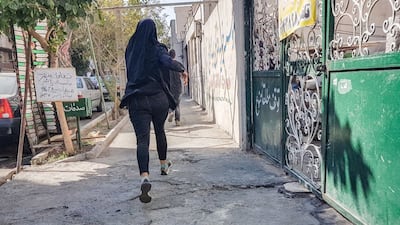
Iranian protesters run after clashing with with police. EPA -
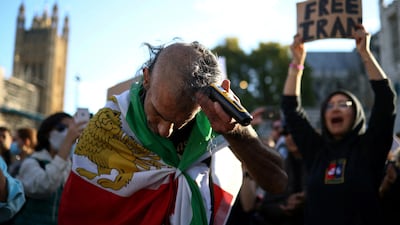
A protester shaves their head outside the Houses of Parliament in London. Reuters -
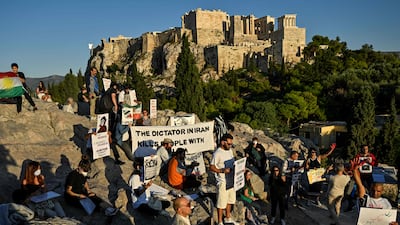
Iranians living in Athens hold a protest in solidarity. AFP -
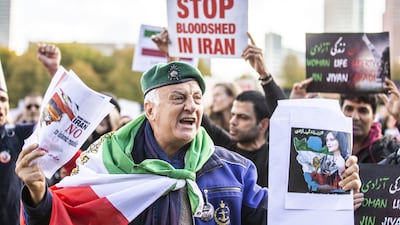
People take part in a rally in The Hague. AFP -
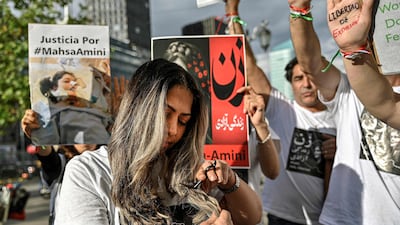
A woman cuts her hair during a demonstration in Santiago, Chile, by feminist groups and Iranian migrants in support of Iranian women following the death of Amini. AFP -
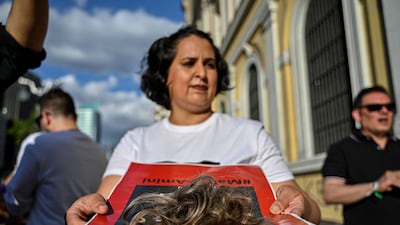
Members of feminist groups and Iranian migrants during the protests in Santiago. AFP -
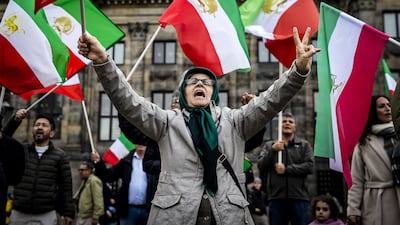
Iranian activists shout slogans during a protest against the government in Tehran, in Amsterdam, The Netherlands. EPA -
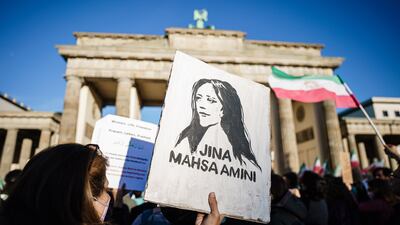
A protester holds a painted portrait of Mahsa Amini in Berlin, Germany. EPA -
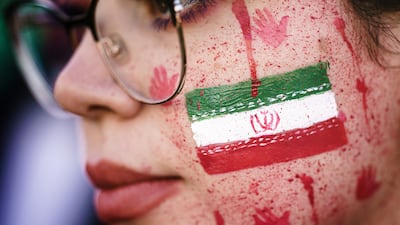
A protester shows red paint on her face, resembling blood splatters and bloody handprints next to the national Iranian emblem, during a rally in Berlin. EPA -
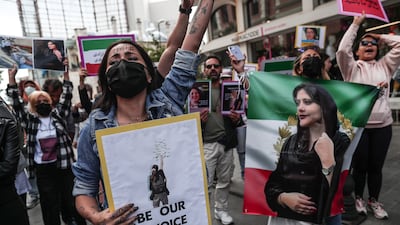
Iranian protesters shout slogan during a protest in Istanbul, Turkey. EPA -
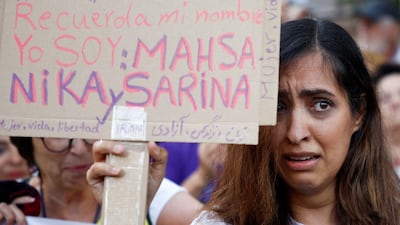
A woman holds a sign during a protest against the Iranian government, in front of the country's embassy in Madrid, Spain. The protests were triggered by the death of a young Iranian woman, Mahsa Amini, in police custody. Reuters -
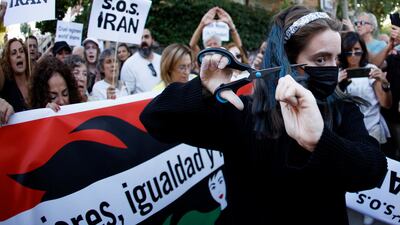
A woman cuts her hair during the protest in front of the Iranian embassy in Madrid. Reuters -
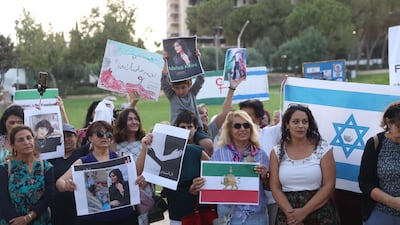
Israelis show their support for women in Iran as they hold up placards of Amini during a protest in Jerusalem. EPA -
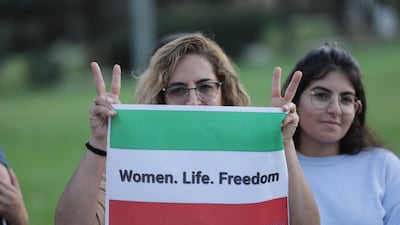
Amini, 22, was arrested in Tehran on September 13, 2022, by the morality police. She fell into a coma while in police custody and was declared dead on September 16. EPA -
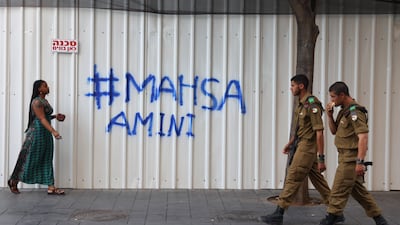
People walk by graffiti in support of the protests triggered by Amini's death, in Jerusalem. EPA -
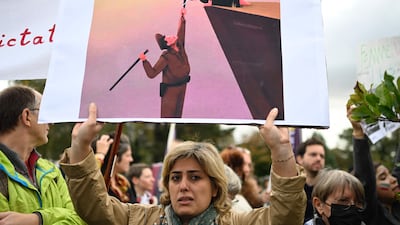
A protest in Nantes, western France, after the death of Amini in Iranian police custody. AFP -
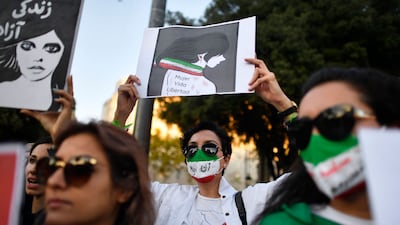
Women gather for a demonstration in Barcelona, Spain. AFP -
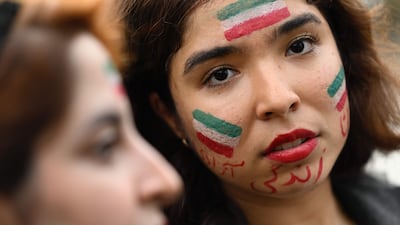
Demonstrators in Nantes. Amini's death has sparked a global protest movement. AFP -
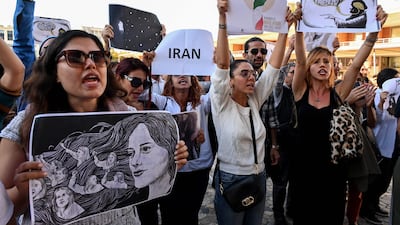
Women protest outside the town hall in in Montpellier, southern France. AFP -
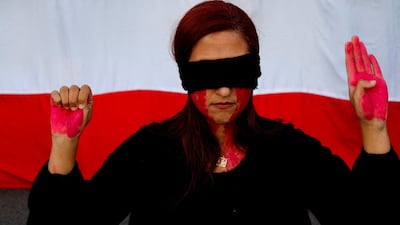
A woman at a protest in Catalunya Square, Barcelona. Reuters -
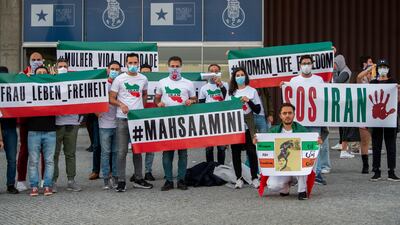
Campaigners and football fans protest at a Champions League match between Porto and Bayer Leverkusen at the Dragao stadium in Portugal. EPA -
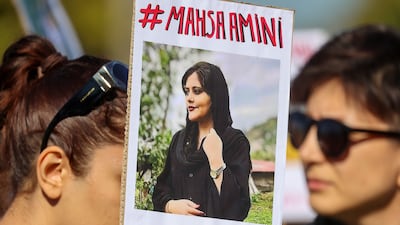
People hold placards during a demonstration in solidarity with the Iranian people near the European Parliament in Strasbourg, France. EPA -
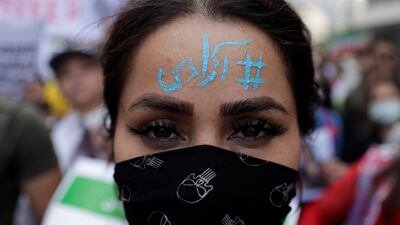
An Iranian woman living in Turkey with 'Freedom' written on her forehead takes part in a protest near the Iranian consulate in Istanbul. Reuters -
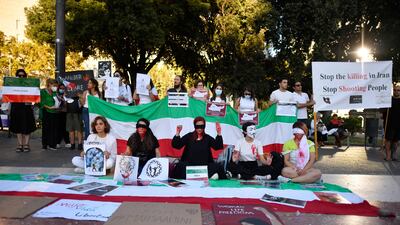
In Barcelona, protesters take part in a demonstration in support of Iranian women. AFP -
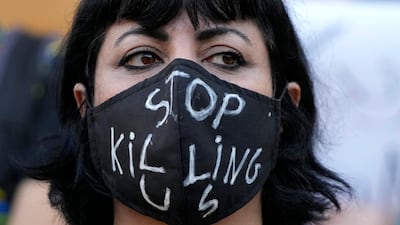
A Lebanese activist takes part in a protest in Beirut, triggered by the death of Amini, 22. AP -
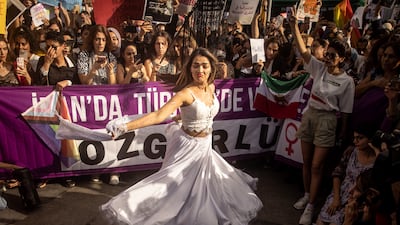
A Turkish protester takes off her head scarf while giving a performance in Instanbul during a protest against Iran over Amini's death. Getty -

A woman in Istanbul cuts her hair during a protest against Iran. Getty -
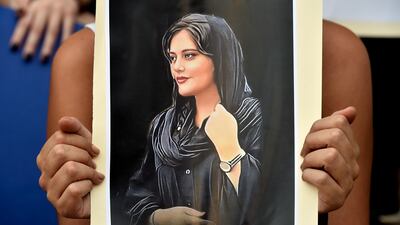
A Lebanese activist holds a poster depicting Amini during a protest in Beirut organised by feminist groups in support of women protesters in Iran. EPA -
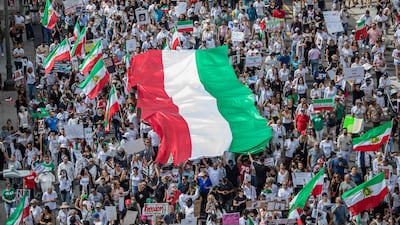
Demonstrators in Los Angeles, California, hold the Iranian flag during a protest against the government in Tehran. AFP -
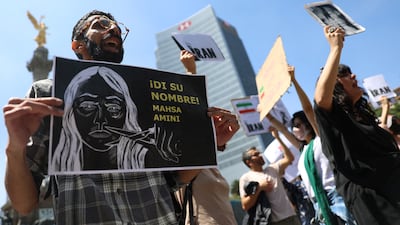
Demonstrators hold placards in Mexico City during a protest against Iran. Reuters -
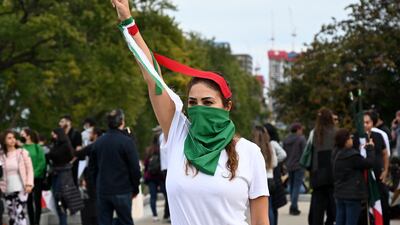
People demonstrate in Montreal, Canada, during a protest triggered by Amini's death. AFP -
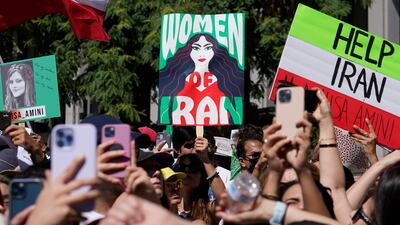
Iranian Americans participate in a rally in central Los Angeles, in solidarity with women in Iran. AP -
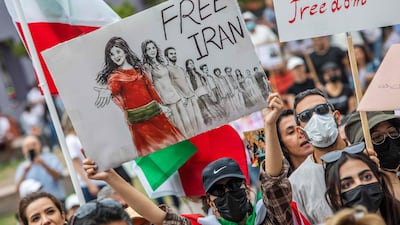
Demonstrators march during a protest in Los Angeles, California. AFP -
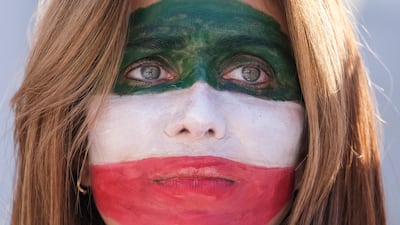
A woman with the colours of the Iranian flag painted on her face participates in a rally as thousands demonstrate in support of Iranian women in Los Angeles. EPA -
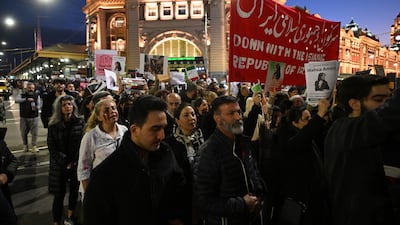
Australians protest over Amini's death in Melbourne. EPA -
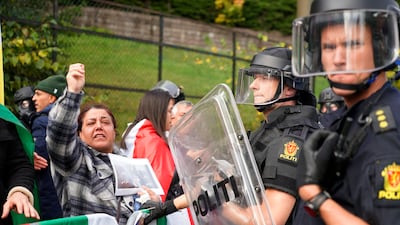
Police block protesters from entering Iran's embassy in Oslo, Norway. EPA -
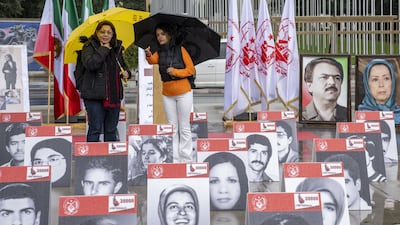
Demonstrators in front of the European headquarters of the UN in Geneva, Switzerland, during a rally against Iran. EPA -
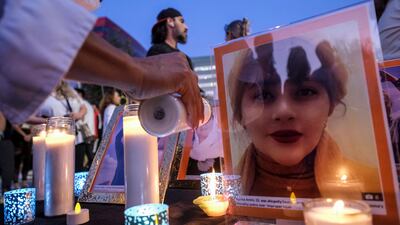
A candlelight vigil for Amini in Los Angeles. AFP -
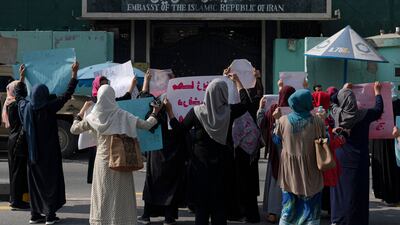
Afghan women hold placards as they take part in a protest in front of the Iranian embassy in Kabul. AFP -
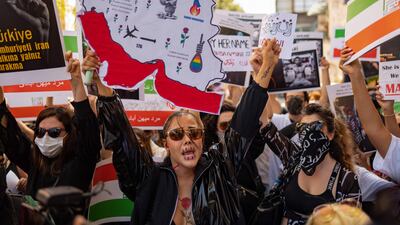
Protestors take part in a rally outside the Iranian consulate in Istanbul. AFP -
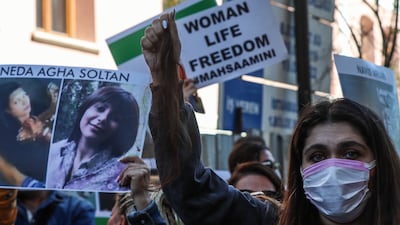
An Iranian woman shows a lock of hair she cut off during a protest outside the Iranian consulate in Istanbul. EPA -
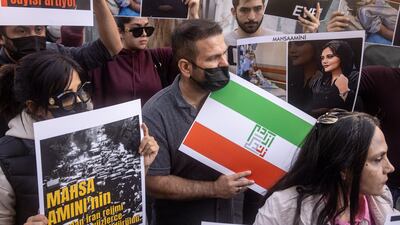
Demonstrators outside the Iranian consulate in Istanbul. Getty -
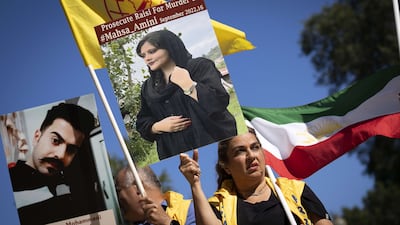
Iranian Americans rally on Capitol Hill in Washington to show support for protesters in Iran. AFP -
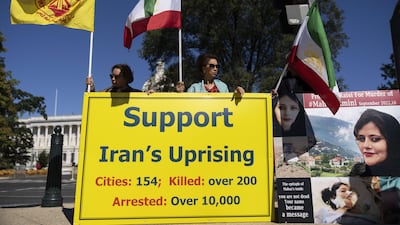
Protesters on Capitol Hill hold a sign condemning the crackdown by Tehran. AFP -
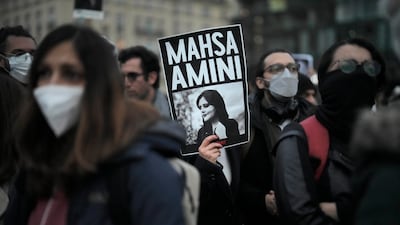
German demonstrators gather in Berlin after the death of Amini in Iranian police custody. AP -
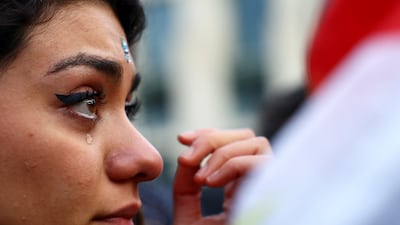
A protester cries during a rally in Berlin. Reuters -
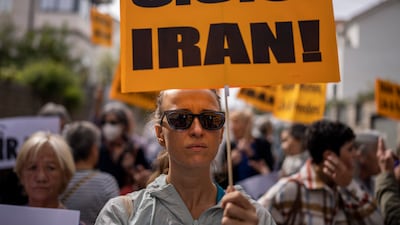
A demonstration in Madrid, Spain. Thousands have gathered in cities across Europe to support protests in Iran. AP -
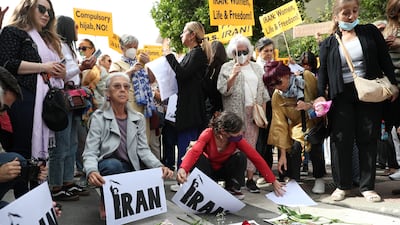
Demonstrators gather outside the Iranian embassy in Madrid. Reuters -
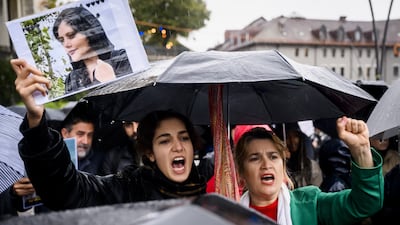
People take part in a protest in Lausanne, Switzerland. EPA -
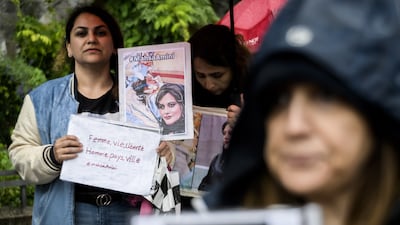
Protesters hold signs featuring images of Amini during the protest in the western Swiss city. EPA -
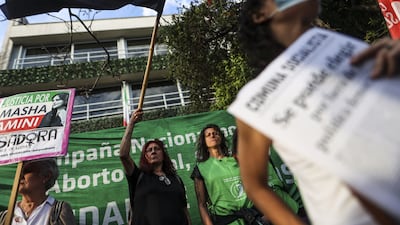
Demonstrators in front of the Iranian embassy in Buenos Aires, Argentina. EPA -
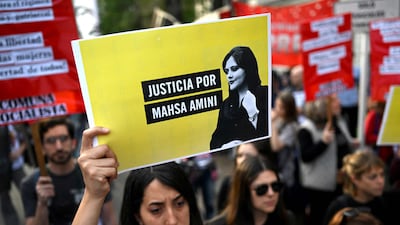
An activist outside the Iranian embassy in Buenos Aires, Argentina, with a sign that reads 'Justice for Mahsa Amini'. AFP -
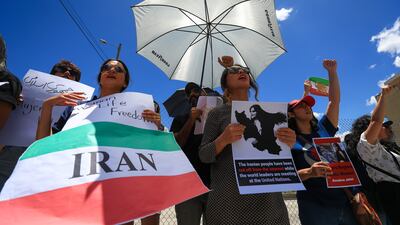
A demonstration against violence in Iran is held in Quito, Ecuador. The Iranian community in Ecuador protested outside the Iranian embassy. EPA -
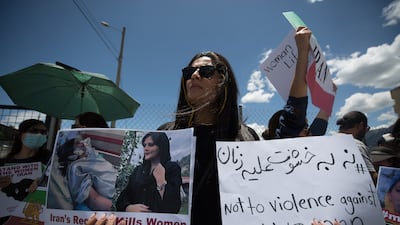
Protesters at a demonstration outside the Iranian embassy in Quito, Ecuador. EPA


“This masquerade reveals the contempt for human dignity that characterises the Iranian authorities,” the ministry said.
It said other French citizens are also being arbitrarily held in Iran, without identifying them.
Meanwhile, the EU adopted a resolution on Thursday calling for sanctions against those responsible for the death of Mahsa Amini in the custody of Iran’s morality police, and Iran’s subsequent crackdown on anti-government protests.
The resolution, adopted by a show of hands, urges the 27-nation bloc to impose sanctions on Iranian officials and calls for an investigation into Amini’s death.
Iran protests - in pictures
-
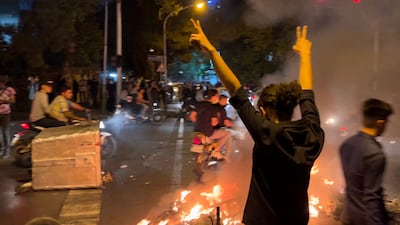
A protest for Mahsa Amini, a woman who died after being arrested by the Islamic republic's 'morality police', in Tehran. AFP -
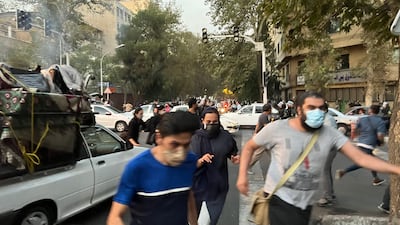
Demonstrators disperse during the protest for Amini, who died in a hospital in the capital Tehran on Friday. AFP -
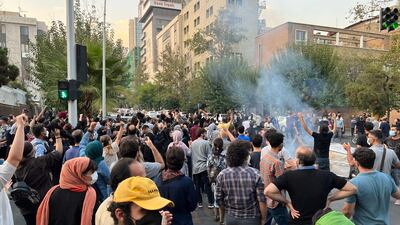
The crowd chanted 'Death to the dictator', meaning Supreme Leader Ayatollah Ali Khamenei, while some women took off their headscarves. AFP -
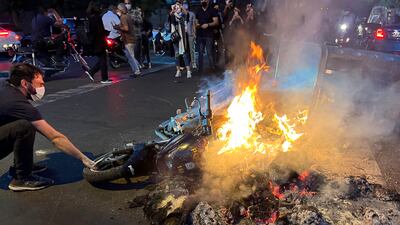
A man pulls out a police motorcycle set on fire during the protest. Amini had been detained for violating the country's conservative dress code. AP -
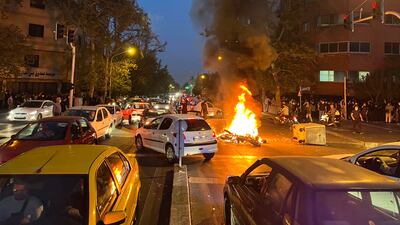
In recent months, rights activists have urged women to remove their veils in public, a gesture that would risk their arrest for defying a dress code as the country's rulers crack down on 'immoral behaviour'. AP -
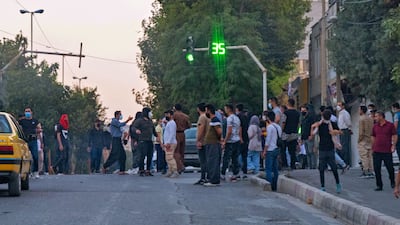
Iranians protest in Sanandaj, the capital of Iran's Kurdistan province, following the Amini's death while in custody. AFP -

Iranian police officers clash with demonstrators in Tehran. Police said Amini fell into a coma as she waited with other detained women at a morality police station, rejecting allegations that she was probably beaten. AFP


“Parliament strongly condemns the widespread and disproportionate use of force by Iranian security forces against the crowds,” the resolution said.
Politicians also demanded that Iran “immediately and unconditionally release and drop any charges against anyone who has been imprisoned solely for exercising their rights to freedom of expression, association and peaceful assembly, as well as all other human rights defenders.”
The outpouring of anger in Iran — largely led by young women and directed at the government’s male leadership — has created a seminal moment for the country, leading to some of the largest and boldest protests against the country’s Islamic leadership seen in years.
The clips released on Thursday resembled other videos of confessions Tehran has forced prisoners to make.
In 2020, one report suggested authorities over the past decade had aired at least 355 coerced confessions.
In the clips, Ms Kohler wears a headscarf and purportedly describes herself as an “intelligence and operation agent of French foreign security service".
Mr Paris purportedly says: “Our goals in the French foreign security service is to put pressure on Iran’s government.”
The clips are part of what is described as a coming documentary to air on Iranian state TV that will accuse them of bringing cash to the country to stir dissent.
Iranian riot police clash with university students - video
France did not immediately respond to the release of the video clips. In May, however, the French government demanded their release and condemned “these baseless arrests.”
Their visit to Iran coincides with months of protests by teachers for higher wages in the country.
Any sanctions by the EU would fall under the bloc’s “Global Human Rights Sanctions Regime.”
It was set up two years ago so the bloc could “target individuals, entities and bodies — including state and non-state actors — responsible for, involved in or associated with serious human rights violations and abuses worldwide".
Other human rights breaches or abuses can be included “if they are widespread, systematic or otherwise of serious concern".
These measures usually consist of travel bans and asset freezes on officials accused of involvement in any suspect abuses or “entities,” like banks, companies, agencies or other organisations.
It prevents EU citizens from making funds available to those listed.

