


The remains of Egypt’s last queen consort, Farida, wife of Farouk I, were moved from Old Cairo’s Imam El Shafei cemetery to the nearby El Rifa’i Mosque on Monday, following a notice from the government that her family’s tomb would be demolished.
The late queen’s grand-nephew Mr Seif Allah Zulficar told The National that the transfer of her remains followed a months-long liaison between her family and the government.
The family received a notice from the government in November of last year that their ancestral tomb would be demolished to make way for a new flyover set to be built in the area, revealed Zulficar.
A petition from the late queen’s grandson to leave the tomb intact was personally given to President Abdel Fattah El Sisi, he said, which started a negotiation between the family and the prime minister’s office.
“Though we weren’t successful in saving the family’s tomb from demolition, the government did open a channel of communication with us, something which they hadn’t done before when they sent the demolition notice,” said Mr Zulficar.
The conversation between the family and the government developed, after which it was agreed that in recognition of her importance as a historical figure, Queen Farida’s remains would be moved to the nearby Al Rifa’i mosque, where her three daughters, princesses Ferial, Fawzia and Fadia are buried, along with the majority of the members of Muhammad Ali’s dynasty is also buried.
-

More than 2,000 tombs will be bulldozed if a plan to build a highway through the southern cemetery of Cairo’s vast historic necropolis comes to fruition. Nada El Sawy / The National -

The Zulfiqar family cemetery, where Queen Farida, the first wife of King Farouk, is buried. Nada El Sawy / The National -

The family cemetery of Ismail Sedky, a former prime minister of Egypt in the first half of the 20th century. Nada El Sawy / The National -

Dr Mostafa El Sadek, a professor of obstetrics and gynaecology at Cairo University, is part of a campaign to save the city’s historic cemeteries. Nada El Sawy / The National -
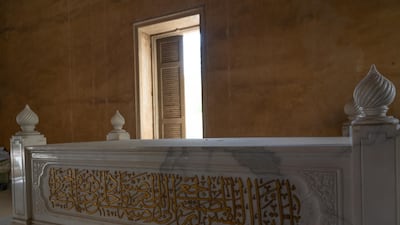
Intricate Islamic calligraphy is inscribed on a tomb above ground in the City of the Dead. Mahmoud Nasr / The National -
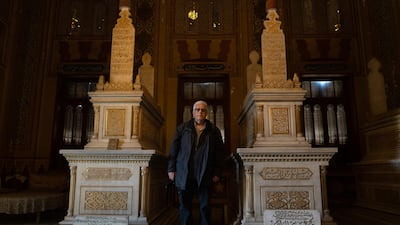
Dr El Sadek in the family mausoleum of Ismail Sedky. Mahmoud Nasr / The National -

Markings in black spray paint indicating plans for demolition have left families devastated. Nada El Sawy / The National -

Medhat Khalaf, the caretaker of the Ismail Sedky family cemetery, points to a black marking indicating the street will be expanded by 32 metres. Nada El Sawy / The National -

Families have emptied their relatives’ graves based on black markings and informal notices that they would soon be demolished. Nada El Sawy / The National -

A decision issued by Prime Minister Mostafa Madbouly stated the owners of cemeteries affected by the highway project will be compensated. Nada El Sawy / The National -

Architect Galila El Kadi and Islamic antiquities professor Hossam Ismail were among the speakers at an event at the Greater Cairo Public Library on Saturday. Nada El Sawy / The National -
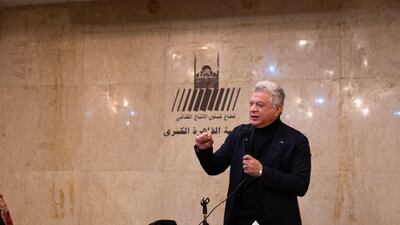
Hany Eissa Al Fekky, the planner of road expansions in City of the Dead, defended the projects as beneficial for the public good. Mahmoud Nasr / The National -
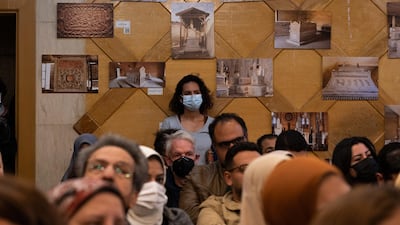
More than 200 people attended a photography exhibit and talk at the Greater Cairo Public Library in Zamalek on Saturday about saving the city’s historic cemeteries. Mahmoud Nasr / The National


The transfer took place after a small ceremony, attended by two of the former queen’s grandchildren.
Before she was transferred, the former queen was buried in her family cemetery in Cairo's famed City of the Dead. Many of the tombs in the Unesco heritage sight are likely to soon be demolished to make way for a new motorway.
Among those buried there are members of some of Egypt's most prominent families. Many are unsure whether their family's graves will be spared in the development of the historic area.
Farida’s family, the Zulfiqars, were descended from the ruling family of a feudal state in the Caucasus.

The family moved to Egypt in the early 19th century, explained Mr Zulficar, during an economic boom the country was witnessing. They became part of the country's aristocracy through marriage, he said.
Farida’s mother, a former lady-in-waiting to Queen Nazli, the second wife of Farouk I’s father, Fuad I, and her father was a prominent judge of Caucasian origin.
The family is still awaiting a response from the Ministries of Antiquities and Awqaf (religious endowments) to a petition that an epitaph bearing the former queen consort’s name be placed over her new tomb.
Though Farida’s remains have been moved, the government has not yet responded to a petition to move 70 other members of the Zulfiqar family to a new location before their graves are demolished by the new development project.

