


The Israeli parliament expanded legislation on Wednesday that will introduce a policy of stripping citizenship over “terrorism” offences, aimed at those who receive funds from the Palestinian Authority.
The bill received 94 votes in favour and 10 against in the Knesset and paves the way for Israel to expel people from the country or annexed East Jerusalem.
Israeli Prime Minister Benjamin Netanyahu hailed it on Twitter as “our answer to terrorism”, while a rights group said the move was “in violation of international law”.
A statement from parliament said politicians had approved “the revocation of citizenship or residency of a terrorist operative who receives compensation [from the Palestinian Authority] for committing an act of terrorism”.
The Palestinian Authority gives stipends to numerous families of prisoners, or detainees themselves, including those convicted of killing Israelis.
Israel says making payments to the families of attackers encourages further violence, but for some Palestinians, such payments are a key source of income.
The Palestinian family who live in a cemetery — in pictures
-
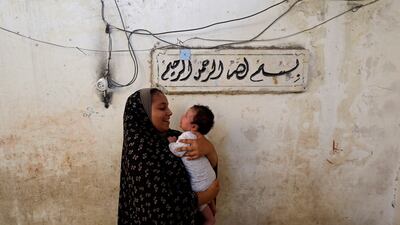
Lamis Kuhail, 12, plays with her 2-month-old brother, Ahmed, at their family home in the Sheikh Shaban cemetery, Gaza city. All photos: Reuters -
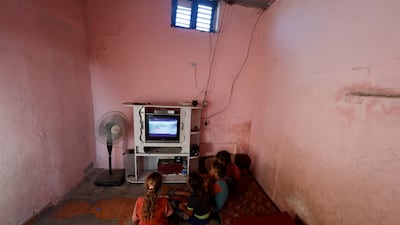
Children from the Kuhail family watch television in the family home in Sheikh Shaban cemetery. The children earn small amounts bringing water to funeral ceremonies. -
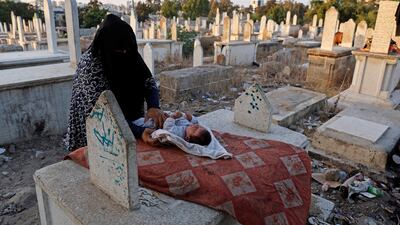
Kamilia Kuhail, 35, tends to her son Ahmed, in Sheikh Shaban cemetery. The pressure on space in the cemetery reflects the growing pressure on land in Gaza. -

A horse owned by the Kuhail family is tethered to a grave in Sheikh Shaban cemetery. -
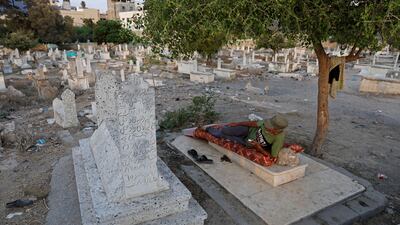
Omar Kuhail, 65, rests on a grave in Sheikh Shaban cemetery. Homeless squatters live in Gaza's cemeteries while authorities grapple with demand for new housing. -
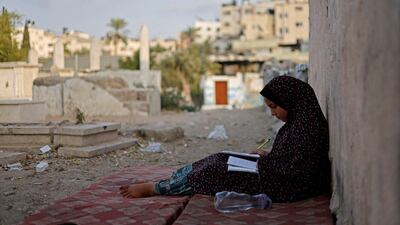
Lamis Kuhail studies for school in Sheikh Shaban cemetery. 'I sometimes get invited by friends from school, but I can't invite them here,' she said. -
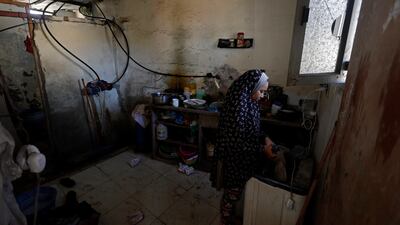
Lamis Kuhail does housework in the kitchen of the family home. -
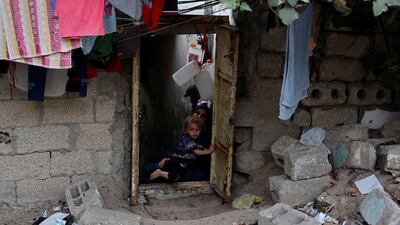
Khadija Kuhail, 30, with her son, Mohanad, 1, in the doorway of their home at the Sheikh Shaban cemetery. Gaza's population is set to more than double within the next 30 years to 4.8 million and already land is running out. -
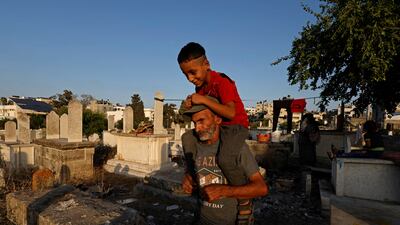
Omar Kuhail, 65, carries his grandson Mohammad, 7, on his shoulders in Sheikh Shaban cemetery, where they live. Gaza needs 14,000 new housing units a year, according to officials.


Adalah, an organisation that advocates Palestinians' rights in Israel, said the law “not only creates an additional avenue for the revocation of the citizenship of residency of Palestinians … under the Israeli regime, but also facilitates their expulsion”.
“The law explicitly and exclusively targets Palestinians as part of Israel's entrenchment of two separate legal systems based on Jewish supremacy,” the group charged in a statement.
The law may affect hundreds of East Jerusalem Palestinians and dozens of Israeli citizens, according to Dani Shenhar, head of the legal department at Israeli rights group HaMoked.
“The threshold is very low, so we're very worried about it, especially the effect on East Jerusalem,” he told AFP when the bill was tabled last month.
The text approved by politicians lays out a judicial procedure for denying legal status following a request by the interior minister.
Most Palestinians living in East Jerusalem hold Israeli residency permits rather than citizenship.
Palestinians recycling plastic for fuel — in pictures
-
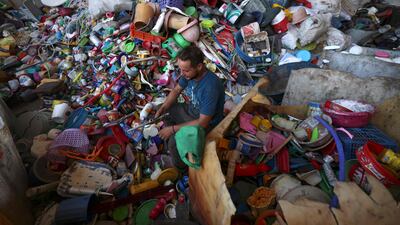
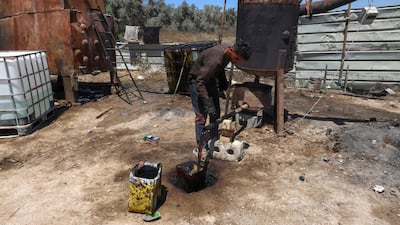
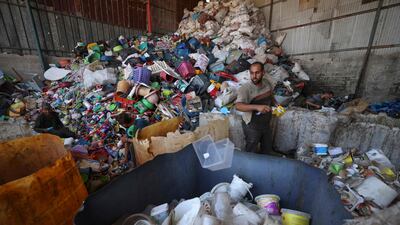
A Palestinian worker in Jabalia on the northern Gaza Strip prepares plastic for processing to extract fuel. All photos AFP -
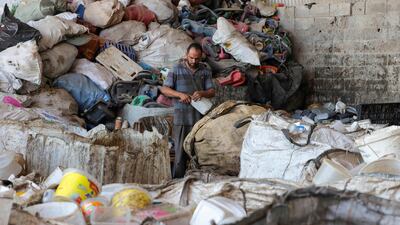
Gaza is one of the poorest parts of the Middle East. -
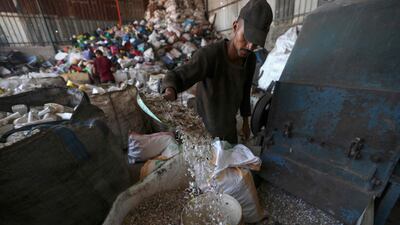
Palestinians in Gaza are burning existing plastic to make affordable diesel. -
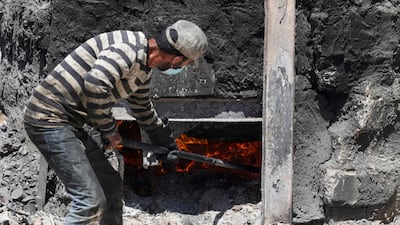
More and more people are using plastic for fuel to make ends meet. -
As more and more people adopt this practice, fears grow that workers could inhale toxic fumes omitted when the plastic is burned. -
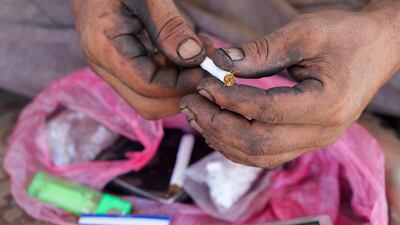
A Palestinian worker rolls a cigarette during a break from processing plastic. -
Unemployment in Gaza has hit an alarming 47 per cent. -
The average daily wage in Gaza is just $18. -

Following the invasion of Ukraine by Russia, petrol delivered from Israel skyrocketed to $2.40 a litre in Gaza. -
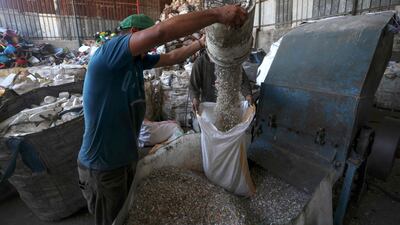
A worker pours shredded plastic into a furnace. -
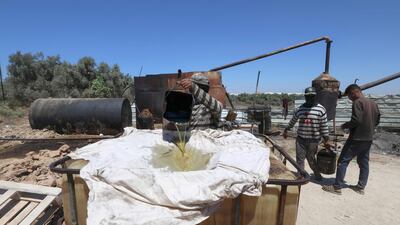
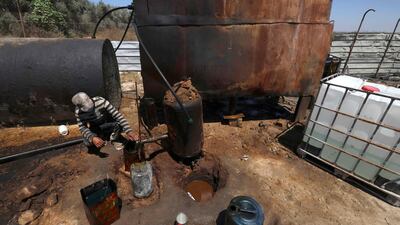
After the plastic melts and the vapors flow through a pipe into a water tank, fuel is transferred into containers. -

Palestinians work on machinery that extracts fuel from recycled plastic. -
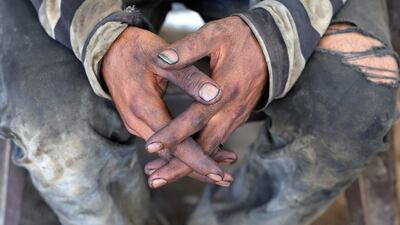
One tankful of plastic can produce 264 gallons of fuel, but it's a lengthy process.


The new legislation allows deportation “to the territories of the Palestinian Authority [in the occupied West Bank] or the Gaza Strip”.
Gaza, controlled by Hamas, has been under an Israeli-led blockade since 2007.
Israel has occupied the West Bank and East Jerusalem since the 1967 war.
Ahmad Tibi, an Arab opposition lawmaker, denounced the law as discriminatory.
“When an Arab commits a crime, they are a conditional citizen, whereas when a Jew commits even a more serious crime, revoking their citizenship is unheard of,” he said during Wednesday's debate in parliament.
Politicians on Wednesday also approved in a preliminary vote a bill to allow the deportation of family members of those convicted of “terrorism”, in cases in which they are found to have supported the crime or known about it and failed to report it to the authorities.
Israel has previously stripped residency and citizenship, including that of French-Palestinian lawyer Salah Hamouri, who was deported in December.
Palestinian-Israeli clashes — in pictures
-
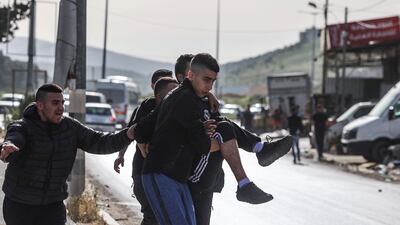
Palestinians carry a wounded man after Israeli troops raided the Nur Shams refugee camp, near Tulkarm in the occupied West Bank. AFP -
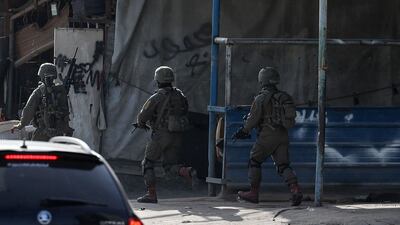
Israeli troops search the camp for relatives of a gunman from Jenin who went on a shooting spree in Tel Aviv on April 7, killing three people and wounding more than a dozen others. AFP -
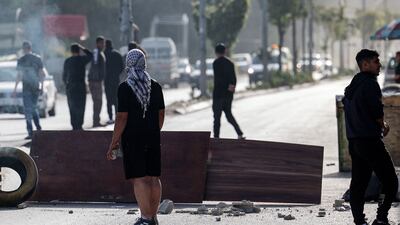
Palestinians confront Israeli troops at the entrance of the Nur Shams refugee camp. AFP -

Israeli military vehicles are positioned by the camp. AFP -
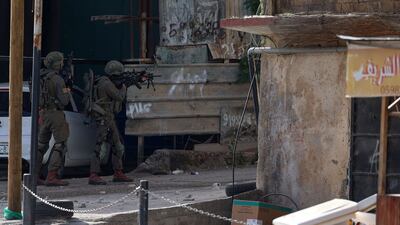
Israeli troops look for people suspected of involvement in the shooting, which occurred in a busy nightlife district. AFP -
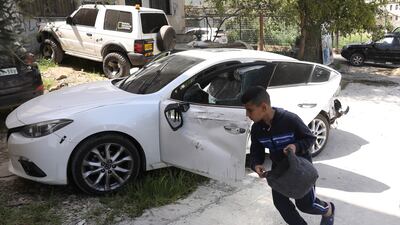
A child recovers items from the car of Ahmed Al Sadi, who was killed during clashes that erupted after Israeli troops raided the refugee camp, near Jenin. EPA -
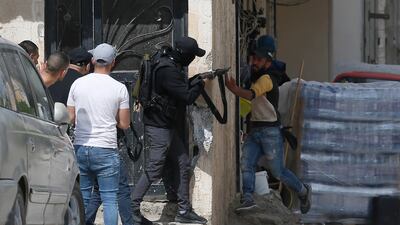
A man, right, takes shelter as a Palestinian man fires towards Israeli troops during the clashes. EPA -
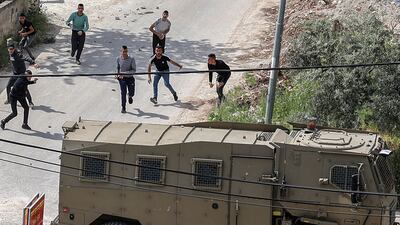
Stones are thrown at a passing Israeli military vehicle during the unrest. AFP -
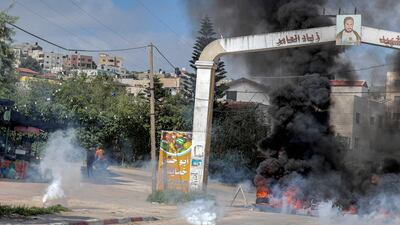
Tear gas canisters fall near flaming tyres by the camp’s entrance. AFP


The Jerusalem resident had been arrested and jailed on several occasions by Israel, which revoked his residency permit citing ties the outlawed Popular Front for the Liberation of Palestine.
In 2017, an Israeli court revoked an Arab citizen's nationality over an attack against Israelis.
That was the first time an amendment passed in 2008 had been used to revoke citizenship.
Also in 2017, Israel announced it was stripping 20 people of citizenship after they allegedly joined ISIS.
Human Rights Watch said Israel has stripped 15,000 East Jerusalem Palestinians of their right to residency since 1967, warning the practice may constitute a “war crime”.

