
Frantic civilians are drowning as they flee a new outbreak of fighting in South Sudan and perhaps hundreds have died in the attacks, the UN said on Thursday.
“Initial reports describe unimaginable scenes of Adidiang (town) set ablaze, humanitarian structures established as recently as two weeks ago destroyed and civilians fleeing the fighting by canoes and boats, leading to several people drowning,” the UN peacekeeping mission said.
South Sudan has struggled with violence between armed groups in the years since civil war ended in 2018. Thousands of people have been displaced since mid-August by fighting in and around the town of Tonga in Upper Nile state. On Wednesday, fighting broke out near Adidiang, where thousands of displaced people had taken refuge.
According to unconfirmed reports nearly 300 people have been killed in the attacks, the UN said.
-
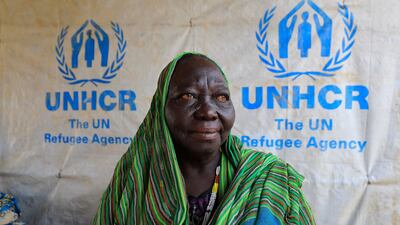
Rosa Ghobria is a South Sudanese refugee living at Sudan's Al Takamol camp on the outskirts of the capital Khartoum. -
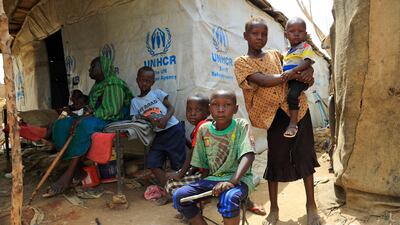
Rosa Ghobria, left, pictured with her children, packed up her life in Sudan more than a decade ago to start anew in the seceded south, but has since been stranded in a poorly kept camp awaiting repatriation. -
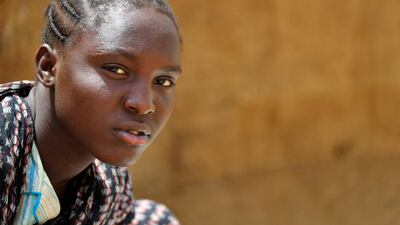
South Sudan split from the north on the back of a 2005 peace deal under the now-ousted Sudanese president Omar Al Bashir, whose rule was marred by internal conflicts and civil war. -

Al Bashir's government sought to repatriate tens of thousands of South Sudanese after the separation. -
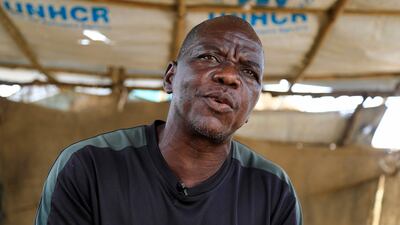
Repatriations were put on hold after South Sudan descended into political crisis in December 2013. -
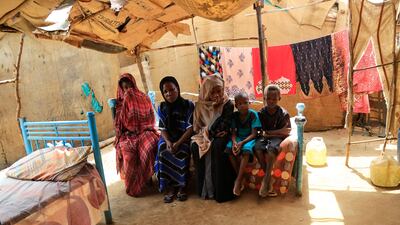
Hundreds of South Sudanese refugees are now living in tents at the Al Takamol camp. -
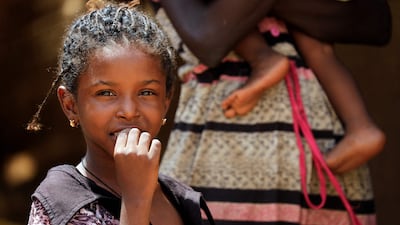
Its 2013 civil war is estimated to have killed almost 400,000 people and displaced nearly four million. -
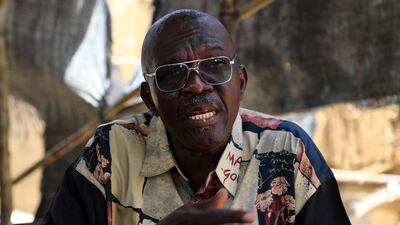
Today, South Sudan ranks 187th out of 189 on the Human Development Index. -
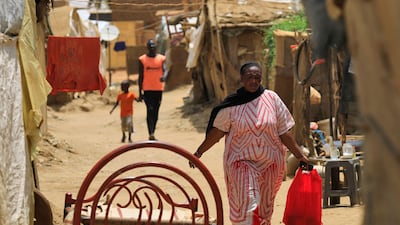
As South Sudan turns 10 on July 9, all eyes are on how the country will navigate the road ahead.


“This kind of violence, in an area hosting displaced civilians, is unconscionable,” said the UN humanitarian co-ordinator for South Sudan, Sara Beysolow Nyanti.
According to an internal UN report, the field office in the city of Malakal on Wednesday afternoon received a report that the White Army, an armed group, had attacked the camp for displaced people at Adidiang and fighting was ongoing. It was not clear what led to the attack.
“A rescue mission was immediately sent,” the UN report said.
But it said more than 100 people had drowned.
“All partners are engaged in a race against time to save those at risk of drowning in their haste to flee the violence,” the UN’s public statement said.
The Danish Refugee Council said it tried to reach the scene but could not.
“Yesterday, on the way to Adidiang to assess the situation and verify the numbers of people there, our team was advised to return back to Malakal,” country director Alana Mascoll said. “They reported heavy civilian movement on the river towards Malakal. There were canoes and larger boats with people heading toward the camp.”
She said concerns are especially high for unaccompanied children, the elderly and people with disabilities since the journey of up to three days is especially difficult for them.
“As traumatised civilians start arriving in Malakal, humanitarian partners estimate that up to 5,000 people could arrive in the coming hours and days,” the UN said. But fighting occurred even within the camp for displaced people in Malakal on Wednesday night, it added. The violence was contained but concerns remained about the spreading tensions.
The White Army is loyal to Gen Gatwich Dual, the leader of the SPLM-IO Kitgwang armed group and a former army chief of staff for former opposition fighter and current Vice President Riek Machar.
The White Army is thought to be fighting Agwelek forces loyal to Gen Johnson Olony, a former senior army officer under Mr Machar.
Upper Nile state’s minister of information, Luke Sadallah, blamed the fighting on SPLM-IO Kitgwang splinter groups and called on them to stop their confrontation and stop harming civilians.
“There is no benefit in this battle,” he said.

