

Lebanese label Georges Hobeika has announced it will delay the presentation of its spring / summer couture collection owing to the coronavirus pandemic.
The designer had been due to present his collection on Monday during Paris Haute Couture Week, but announced that the label would now push the presentation back to "more serene and happier times".
“As the pandemic remains strong, health restrictions are being put in place around the world: they are needed to help healthcare workers and researchers that save precious lives,” the label’s statement, posted on Instagram, reads.
“Haute couture will always be the privileged instrument of dreams, poetry and magic. These wonders are made possible thanks to the virtuosity of the craftsmen and the dedication of the employees who combine their precious know-how to bring life to the fabrics; their safety and well-being are paramount."
The label added it would announce a new presentation date, in "more serene and happier times", on social media.
The news follows fellow countryman Elie Saab's decision to also withdraw from the event. Speaking to WWD, Elie Saab Jr, the brand's chief executive, revealed that although the collection is ready, a decision had been made to postpone its presentation until conditions in Lebanon had improved.
“The haute couture collection is ready, but there’s the whole shooting logistic, which is quite complicated. We decided to take a small break and wait for the right time to shoot it and to present it to the public.
“What we’ve seen in recent weeks in Lebanon is an important escalation of cases and an important scarcity in hospital beds and hospital tools such as respirators. Things are really getting out of control, so we have to be cautious, we have to be responsible,” said Saab Jr.
“Honestly, the risk is too high, and for us, regardless of what we are doing, safety comes first, especially the safety of our employees and everyone that’s working on the collection.”
Paris Haute Couture Week runs from Monday, January 25 to Thursday, January 28, and is scheduled to feature presentations from the likes of Chanel, Giorgio Armani, Viktor & Rolf, and Jean-Paul Gaultier.
However, the presentations will be digital as pandemic restrictions mean that events cannot go ahead as usual.
Haute Couture Week follows Menswear week, which saw labels including Louis Vuitton and Dior present their latest collections.
Georges Hobeika's Paris Fashion Week spring / summer 2020 show:
-
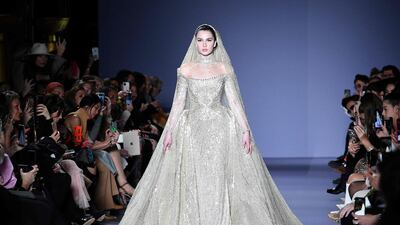
Maya Henry closes the Georges Hobeika spring / summer 2020 show at Paris Haute Couture Fashion Week on January 20, 2020. AFP -
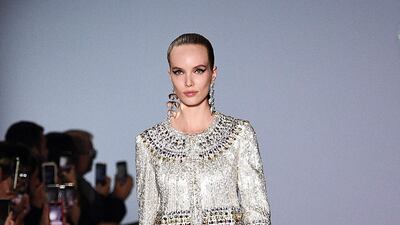
A look from the Georges Hobeika spring / summer 2020 show at Paris Haute Couture Fashion Week on January 20, 2020. AFP -

A look from the Georges Hobeika spring / summer 2020 show at Paris Haute Couture Fashion Week on January 20, 2020. AFP -
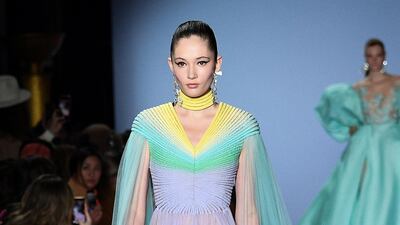
A look from the Georges Hobeika spring / summer 2020 show at Paris Haute Couture Fashion Week on January 20, 2020. AFP -
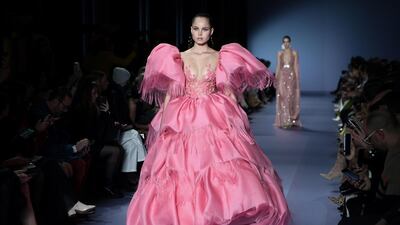
A look from the Georges Hobeika spring / summer 2020 show at Paris Haute Couture Fashion Week on January 20, 2020. AFP -
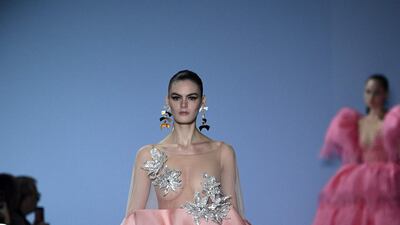
A look from the Georges Hobeika spring / summer 2020 show at Paris Haute Couture Fashion Week on January 20, 2020. AFP -
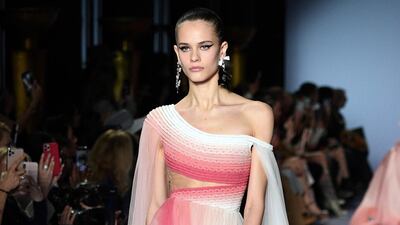
A look from the Georges Hobeika spring / summer 2020 show at Paris Haute Couture Fashion Week on January 20, 2020. AFP -
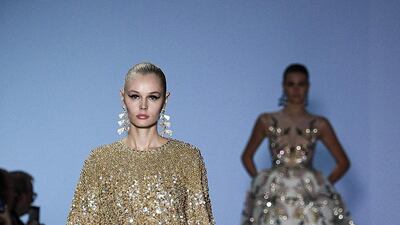
A look from the Georges Hobeika spring / summer 2020 show at Paris Haute Couture Fashion Week on January 20, 2020. AFP -
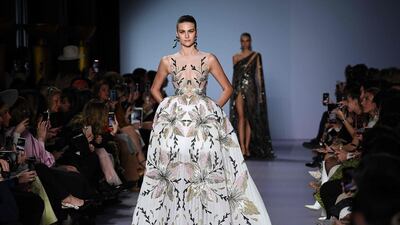
A look from the Georges Hobeika spring / summer 2020 show at Paris Haute Couture Fashion Week on January 20, 2020. AFP -
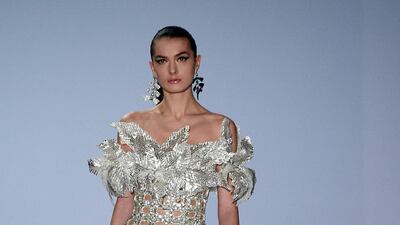
A look from the Georges Hobeika spring / summer 2020 show at Paris Haute Couture Fashion Week on January 20, 2020. AFP -
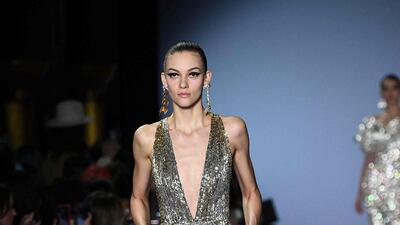
A look from the Georges Hobeika spring / summer 2020 show at Paris Haute Couture Fashion Week on January 20, 2020. AFP -
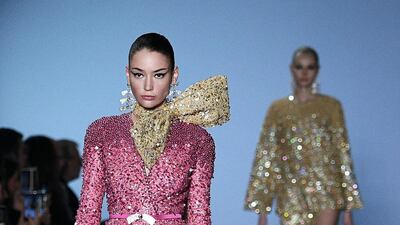
A look from the Georges Hobeika spring / summer 2020 show at Paris Haute Couture Fashion Week on January 20, 2020. AFP -
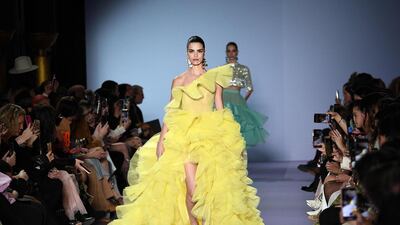
A look from the Georges Hobeika spring / summer 2020 show at Paris Haute Couture Fashion Week on January 20, 2020. AFP -
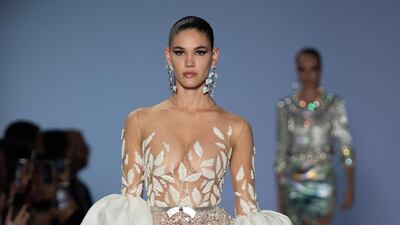
A look from the Georges Hobeika spring / summer 2020 show at Paris Haute Couture Fashion Week on January 20, 2020. EPA -
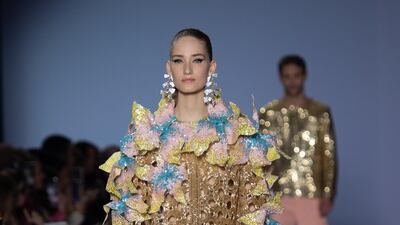
A look from the Georges Hobeika spring / summer 2020 show at Paris Haute Couture Fashion Week on January 20, 2020. EPA -

A look from the Georges Hobeika spring / summer 2020 show at Paris Haute Couture Fashion Week on January 20, 2020. EPA -
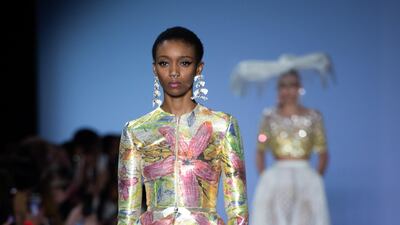
A look from the Georges Hobeika spring / summer 2020 show at Paris Haute Couture Fashion Week on January 20, 2020. EPA -

A look from the Georges Hobeika spring / summer 2020 show at Paris Haute Couture Fashion Week on January 20, 2020. EPA -
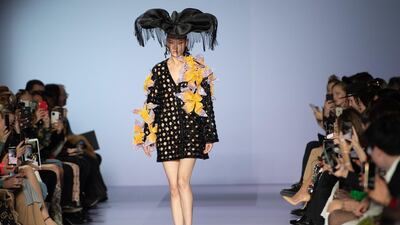
A look from the Georges Hobeika spring / summer 2020 show at Paris Haute Couture Fashion Week on January 20, 2020. EPA -
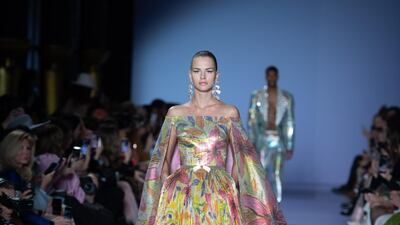
A look from the Georges Hobeika spring / summer 2020 show at Paris Haute Couture Fashion Week on January 20, 2020. EPA -

A look from the Georges Hobeika spring / summer 2020 show at Paris Haute Couture Fashion Week on January 20, 2020. EPA -
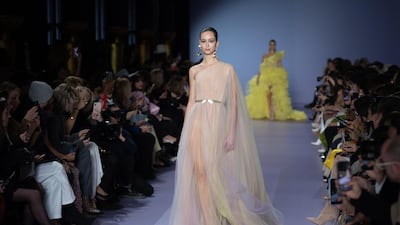
A look from the Georges Hobeika spring / summer 2020 show at Paris Haute Couture Fashion Week on January 20, 2020. EPA -

A look from the Georges Hobeika spring / summer 2020 show at Paris Haute Couture Fashion Week on January 20, 2020. EPA -
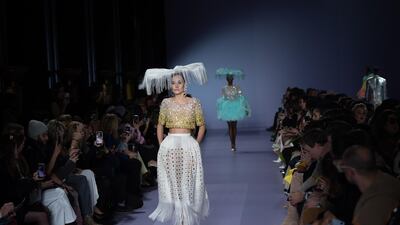
A look from the Georges Hobeika spring / summer 2020 show at Paris Haute Couture Fashion Week on January 20, 2020. EPA -

A look from the Georges Hobeika spring / summer 2020 show at Paris Haute Couture Fashion Week on January 20, 2020. EPA -
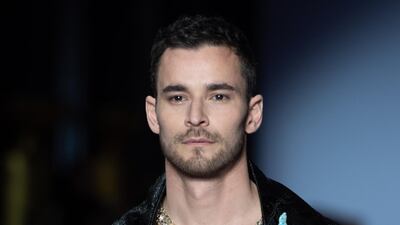
A look from the Georges Hobeika spring / summer 2020 show at Paris Haute Couture Fashion Week on January 20, 2020. EPA -
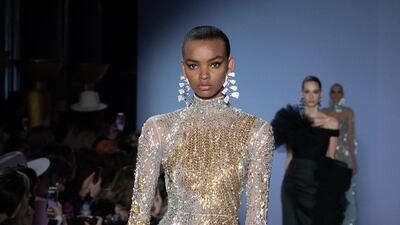
A look from the Georges Hobeika spring / summer 2020 show at Paris Haute Couture Fashion Week on January 20, 2020. EPA -
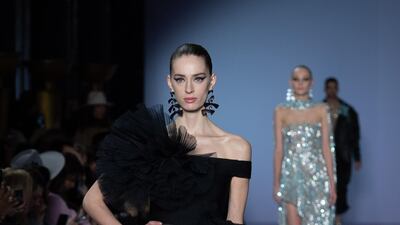
A look from the Georges Hobeika spring / summer 2020 show at Paris Haute Couture Fashion Week on January 20, 2020. EPA -
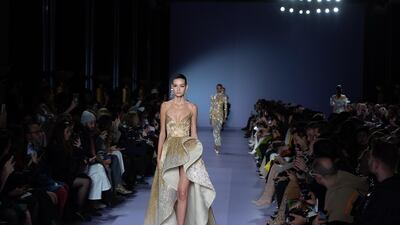
A look from the Georges Hobeika spring / summer 2020 show at Paris Haute Couture Fashion Week on January 20, 2020. EPA -
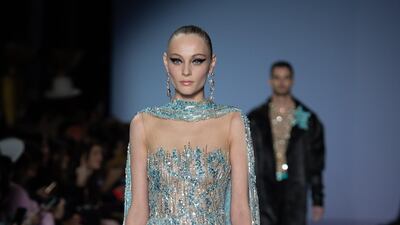
A look from the Georges Hobeika spring / summer 2020 show at Paris Haute Couture Fashion Week on January 20, 2020. EPA -

Models walk the runway at the Georges Hobeika spring / summer 2020 show at Paris Haute Couture Fashion Week on January 20, 2020. EPA -

Models walk the runway at the Georges Hobeika spring / summer 2020 show at Paris Haute Couture Fashion Week on January 20, 2020. EPA -

Models walk the runway at the Georges Hobeika spring / summer 2020 show at Paris Haute Couture Fashion Week on January 20, 2020. EPA -

Lebanese designer Georges Hobeika greets the audience at the end of his show. EPA



