


The largest shareholder in Heathrow is selling its 25 per cent stake in the London airport to investors from Saudi Arabia and France.
Saudi Arabia’s Public Investment Fund (PIF) will buy 10 per cent of Heathrow from Ferrovial of Spain, while Paris-based Ardian will acquire a 15 per cent slice in a deal worth £2.37 billion ($3 billion).
Ferrovial had indicated earlier this month that it was considering selling its shareholdings in FGP Topco, the company that owns Heathrow.
The Spanish company also owns 50 per cent stakes in Aberdeen, Glasgow and Southampton airports in the UK, 60 per cent of Dalaman Airport in Turkey and 49 per cent of JFK’s New Terminal One.
“Over the last 17 years, we have been contributing to Heathrow’s transformation, together with our fellow shareholders, achieving some excellent milestones throughout our long-term role as investor," Luke Bugeja, chief executive of Ferrovial Airports said.
"These include overseeing an investment of £12 billion, expanding its capacity with the construction of Terminal 2, and improving its operational performance.
"We are very pleased to have made Heathrow one of the world’s most connected airports and the busiest airport in Europe.”

Analysts feel Ferrovial may be taking the opportunity to reduce its own debt at a time when interest rates are high.
"Ferrovial still has a lot of debt so a chance to pay down some of that debt may be welcome at a time when interest rates stand at multi-year highs and central banks are, for now at least, threatening to keep them there for some time," Russ Mould, investment director at AJ Bell, told The National.
"Ferrovial owned a 25 per cent stake in Heathrow before the deal, whereas it fully owns a lot of its other assets, notably toll roads in the USA. Note also that the UK, including stakes in other airports, comes to just 6 per cent of group asset value and the US and Canada seem to be higher strategic priorities," he added.
Internationally-owned airport
Saudi Arabia's PIF has investments in several British companies, including Newcastle United Football Club and the car manufacturers Aston Martin and McLaren.
"This is just a pure investment play by the Saudi PIF into one of the world's most attractive airport assets, where demand is almost guaranteed in future years." John Gant at the aviation data and analytics company OAG told The National.
The PIF joins another Gulf sovereign wealth fund, the Qatar Investment Authority, as a part owner of Heathrow's parent company FGP Topco.
The Qatar Investment Authority holds a 20 per cent slice of what is one of the world's busiest airports.
Smaller investors include Caisse de depot et placement du Quebec, Singapore’s GIC sovereign wealth fund and the China Investment Corporation.
The completion of the deal is subject to regulatory approval.
Traffic numbers take off
Traffic numbers at Heathrow have bounced back since the pandemic and the airport significantly narrowed its losses in the first nine months of this year to £19 million from £442 million in the same period in 2022, but is still saddled with debts of more than £14 billion.
Last month, seven million passengers travelled through Heathrow, up 19 per cent on the same month last year.
The London airport's passenger numbers have been improving over the course of the year – 59.4 million passengers passed through Heathrow's terminals between the start of January and the end of September, compared with 44.2 million in the same period in 2022.
Last month a ruling on passenger landing fees by the UK's competition watchdog drew dissatisfaction from Heathrow and its airline clients. While the airlines wanted the charges lowered, Heathrow argued that they should be higher.
Nonetheless, demand for air travel is expected to increase in the post-pandemic era and Heathrow was recently ranked as the best-connected airport in the world by OAG.
"It’s all about long-term demand and supply within the total London market," Mr Gant told The National.
"For nearly every international airline in the world, Heathrow is the place to be with a better mix of traffic and potential connectivity."
Nonetheless, some analysts feel Heathrow is not without its problems and the airport's new stakeholders will have to weather them.
"Given high inflation and painful interest rates deployed to bring it down, financing costs of its big debt pile have increased significantly," Susannah Streeter, head of money and markets at Hargreaves Lansdown told The National.
"It’s also been hit by lower revenues at retail outlets at its terminals, partly because of the so-called ‘tourist tax’, meaning visitors can’t claim back VAT.
"With inflation likely to remain stubborn and high interest rates likely to settle in for a sustained period, it seems PIF and Ardian should be prepared to ride out some more turbulence ahead.’’
Decades of flight: Heathrow through the years - in pictures
-
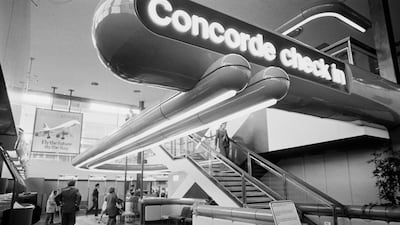
Heathrow Airport in London, the UK's busiest, has been a travel hub for decades. Here The National takes a look back at Heathrow through the years. All photos: Getty Images -
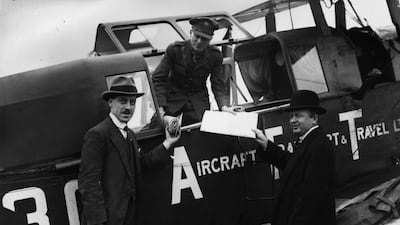
An Airco De Havilland biplane of the British airline, Aircraft Transport and Travel Limited, about to leave on the company’s inaugural flight from Hounslow Heath Aerodrome, later known as Heathrow, to Le Bourget, Paris, in August 1919 -
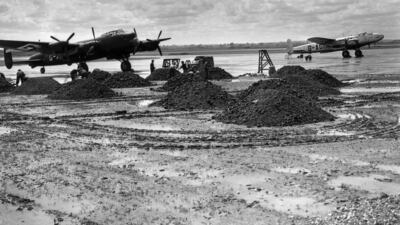
Waterlogged runways at London Airport - Heathrow's original name - one week before it became Britain's main aerial gateway to the US in 1946 -
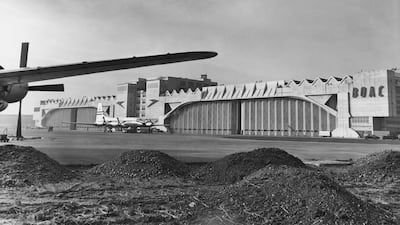
The new BOAC maintenance headquarters at London Airport circa 1955 -
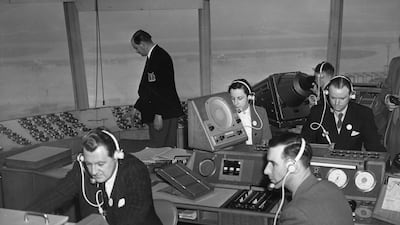
The air traffic control room at the airport's new terminal in 1955 -
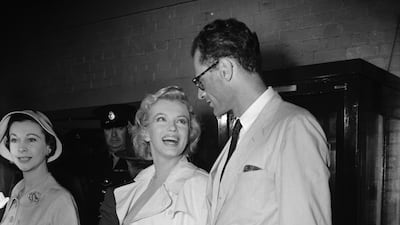
US film star Marilyn Monroe with her husband, playwright Arthur Miller, after arriving at the airport in July 1956 -
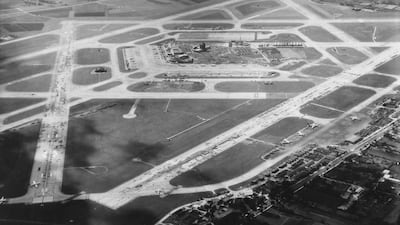
An aerial view showing the runways in 1958 -

The arrivals and departures board in 1960 -

A new airport gift shop, selling items by Chanel, Wedgwood and Pringle of Scotland, in 1961 -
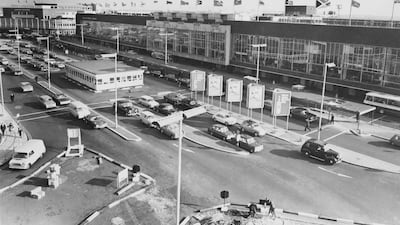
The Queen's Building and the No. 1 Building Europa at Heathrow in 1965 -
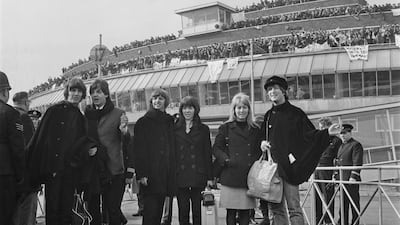
The Beatles leave Heathrow for Salzburg in Austria, to resume filming of the movie Help!, in 1965 -
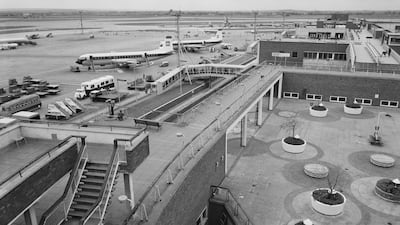
Passenger terminal gates at Heathrow in 1966 -
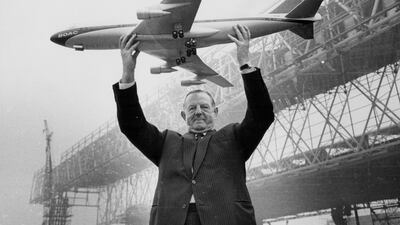
Keith Granville, managing director of BOAC, holding up a model of the Boeing 747 jet, with the new aircraft hangars under construction in the background, at Heathrow in 1969 -
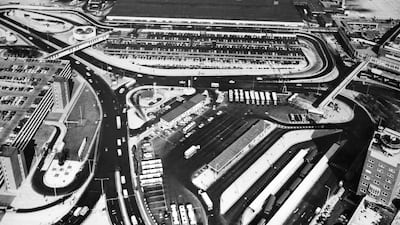
An aerial view of Heathrow in 1970 -
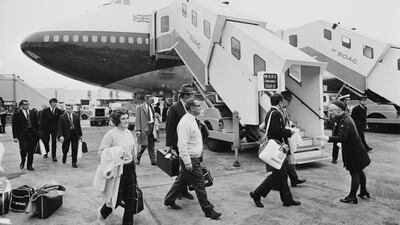
Passengers boarding the first BOAC Jumbo Jet 747 used for a commercial flight, from London Heathrow to New York, in 1971 -
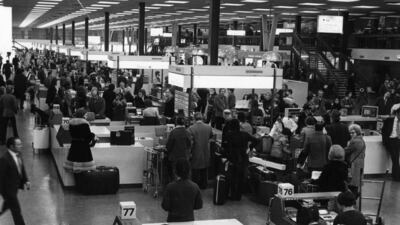
Passengers going through the departure lounge at Heathrow in 1973 -
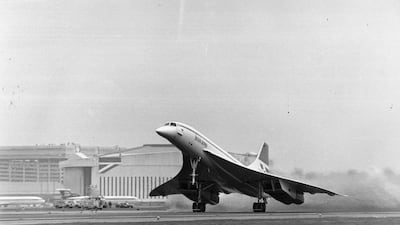
Concorde takes off from Heathrow on her first commercial flight for British Airways in 1976 -
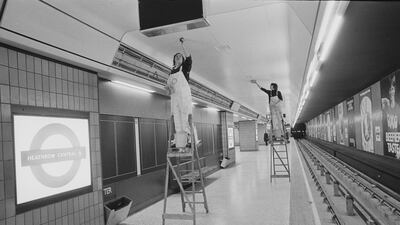
Men at work finalising the Heathrow Central underground station before its opening in 1977 -
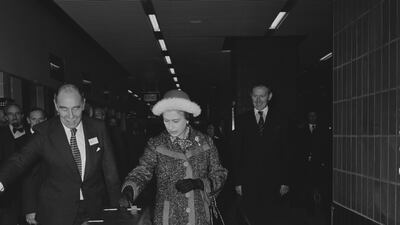
Queen Elizabeth II passing though the Tube gates at Heathrow Central station on its opening in 1977 -
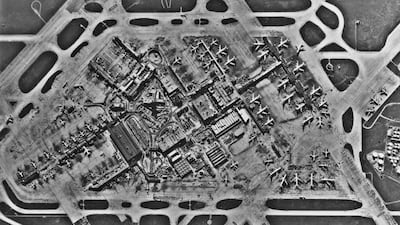
An aerial view of Heathrow in 1978 -

Passengers waiting near a departures board in 1979 -
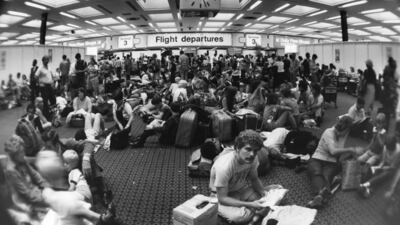
Holidaymakers waiting in the departure lounge at Terminal 3 of Heathrow in 1981 -
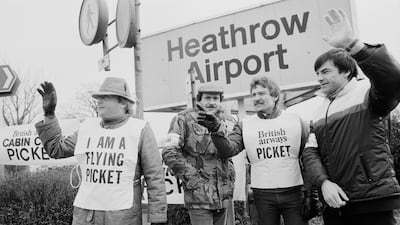
British Airways employees protesting at Heathrow in 1984 -
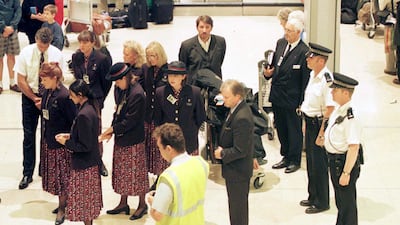
Passengers and staff observe a silence in Heathrow's Terminal One to mark the beginning of the funeral of Diana, Princess of Wales, in 1997 -
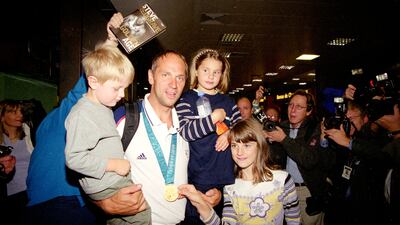
Rower Steve Redgrave at Heathrow with daughters Sophie and Natalie and son Zak after returning from the Sydney 2000 Olympic Games with his gold medal -
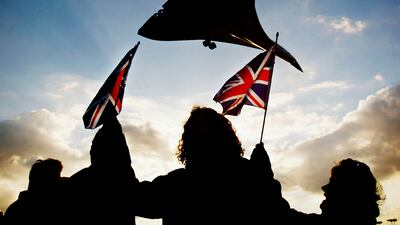
Spectators watch the last Concorde land at Heathrow in 2003 -
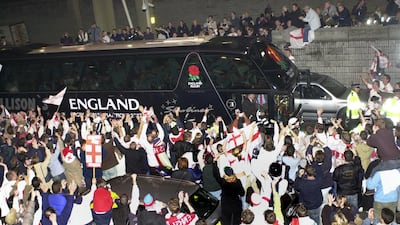
Fans surround the coach carrying the England rugby team at Heathrow, as they arrived from Sydney after winning the World Cup in 2003 -
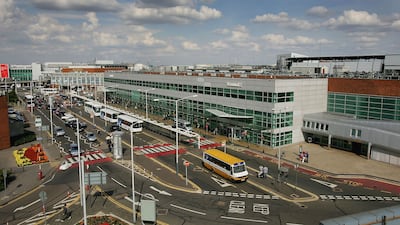
Heathrow's Terminal 2 in 2004 -
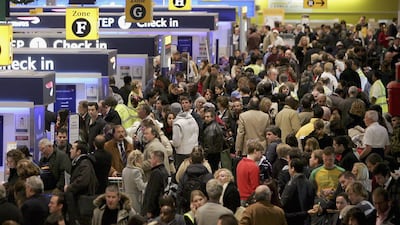
Passengers queue to check in at Terminal 1 of Heathrow Airport during the Christmas 2006 and New Year period -
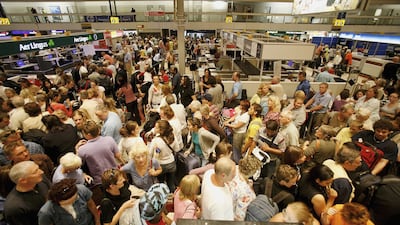
Passengers wait at Terminal 1 on August 10, 2006, after airport security was raised to critical when a terrorist plot to blow up planes in mid-flight from the UK to the US was disrupted by police -
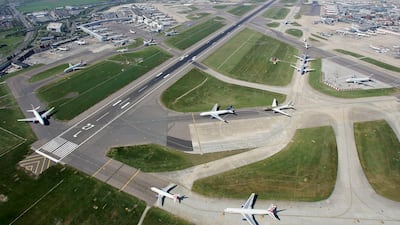
Planes queueing to take off at Heathrow in 2007 -
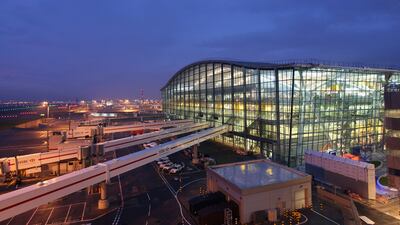
The new Terminal 5 at Heathrow in 2008 -
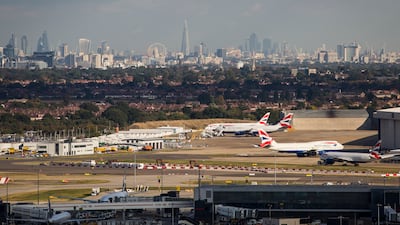
Aircraft at Heathrow Airport in front of the London skyline in 2016 -
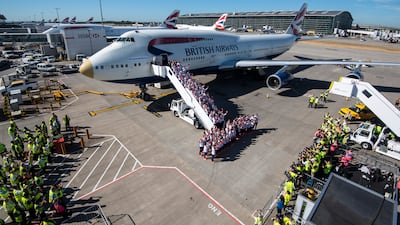
Members of Team GB arrive from Rio de Janeiro at Heathrow, after returning from the 2016 Olympics, which saw Great Britain's strongest performance at the Games in over a century -

A composite photo shows planes taking off from Heathrow in November 2016. Forty-two planes were captured between 10.17am and 11.17am and a montage was created from those single images -
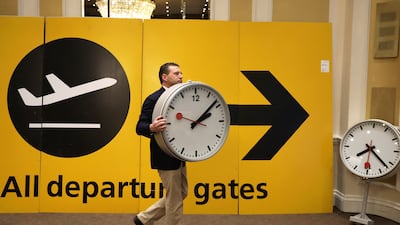
Items are arranged during an auction preview at Heathrow in 2018. The contents of Terminal 1, which closed in 2015, were being sold -
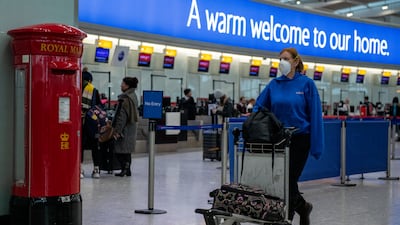
An airline passenger wearing a face mask pushes her bags through Heathrow's Terminal 5 during the coronavirus pandemic in 2020 -
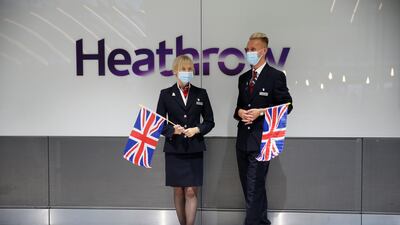
British Airways employees welcome Olympians returning from the Tokyo Olympics in 2021 -
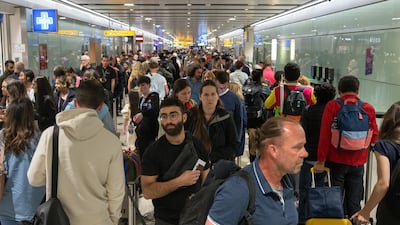
Travellers wait in a long queue to pass through the security check in 2022



