


Saudi Arabia aims to have 15 per cent of its public transport vehicles as autonomous by 2030, as the kingdom seeks to be a leader in the future generation of transport, an official has said.
The kingdom has also set a target of converting a quarter of goods transport vehicles into AVs by the start of the next decade, Omaimah Bamasag, deputy of transport enablement at the Transport General Authority, said in the latest edition of Arthur D Little's Autonomous Mobility Journal.
The future generation of transport in Saudi Arabia is primarily taking shape in its mega developments — Neom, the $500 billion futuristic mega-city, and the luxury resort-laden Red Sea Project.
“The kingdom’s goals for AV transport are very ambitious and can be seen from the giant projects based on autonomy”, Ms Bamasag said.
“These smart cities are designed to be sustainable through the introduction of new transport systems for passengers and goods based entirely on autonomous mobility.”
Saudi Arabia, the Arab world's biggest economy, is in the midst of implementing its Vision 2030 strategy, its major economic diversification programme in which technology is key.
Mega-projects in the kingdom have made moves to use autonomous mobility in their respective locations, including forging partnerships.
In December 2021, Neom and Germany's Volocopter launched a joint venture to operate electric air taxi services in the city to connect various areas, including The Line, Oxagon and Trojena. Last November, Neom announced a $175 million Series E investment in Volocopter.
In AlUla, visitors can travel through the historic city by riding on an autonomous electric smart pod. AVs for passengers at The King Salman Park project in Riyadh and the King Abdullah University of Science and Technology in Thuwal are also envisaged, Ms Bamasag said.
The value of the global autonomous vehicle market is forecast to top $1.8 trillion by 2030, from about $94.4 billion in 2021, growing at a compound annual rate of almost 39 per cent, latest data from Precedence Research shows.
This is close to an earlier estimate from analysts at Swiss bank UBS, that the market could be worth about $2 trillion a year by 2030.

Ms Bamasag acknowledged that Saudi Arabia is still in the “early stages” of regulating AVs, but authorities at all levels are working “very hard” to legislate AVs by piloting different technologies, conducting studies and meeting with local and global authorities in the field.
“Saudi Arabia’s desire to build one of the largest sandboxes for new mobility may be strong support for advancing the growth of AVs in the kingdom and is a great accelerator for the development of its regulations and legislation”, she said.
Perhaps the biggest challenge is the readiness of infrastructure, particularly if the aim is to achieve the commercial operation of AVs at levels 4 and 5, she said. The levels of vehicle autonomy run from 0 to 5, with 5 not requiring steering wheels or pedals.
Global technology companies that are testing self-driving cars, including Tesla and Google, have run into trouble after a number of AV crashes.
Last month, Tesla recalled 362,000 vehicles to update its full self-driving software after US regulators said it did not follow traffic safety laws appropriately, posing a crash risk.
deputy of transport enablement at the Transport General Authority
“It is important to note that the readiness of the infrastructure and regulation play an important role in achieving the commercialisation of AVs”, Ms Bamasag said.
“Public acceptance may be another roadblock to increasing AVs in the kingdom, especially if privacy and security issues are not well addressed.”
The growth of other mobility-related technologies … are expected to pave the way and facilitate the uptake of autonomous mobility, said Antonio Semeraro, senior principal at Arthur D Little Middle East.
“Following a lot of anticipation over the potential of autonomous vehicles over the last decade, promising silver linings are starting to appear”, he said.
“While autonomous mobility is still not accessible or even available to most users on the roads globally, companies operating in this space have continued their work in the background to advance the technology.”
-
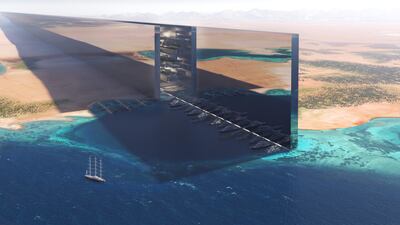
The Line is one of 10 districts in Saudi Arabia's $500 billion Neom megacity. Photo: Neom -
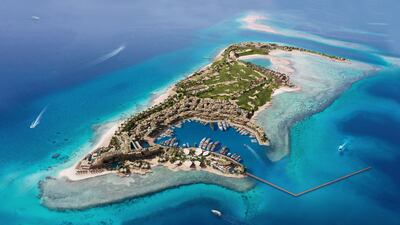
Sindalah Island is set to be the first destination open to the public within the Neom mega project. Photo: Neom -
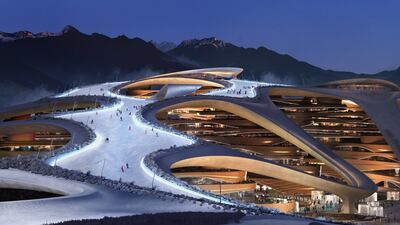
Trojena, a mountain tourism destination, will be the first major outdoor skiing site in the GCC. Photo: Neom -
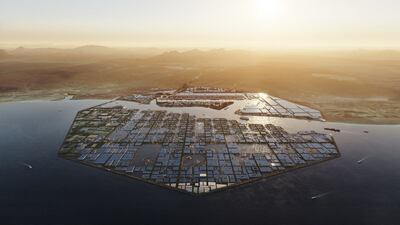
Oxagon, part of the Neom mega project, is a futuristic new industrial city in the sea. Photo: Neom -
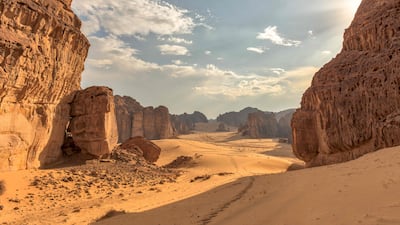
AlUla is a budding tourist magnet in the north-western Madinah region. AFP -
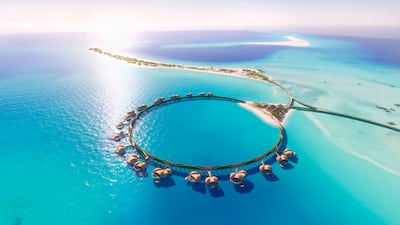
When it opens in 2023, Nujuma, a Ritz-Carlton Reserve, will form part of The Red Sea project. Photo: Marriott International -
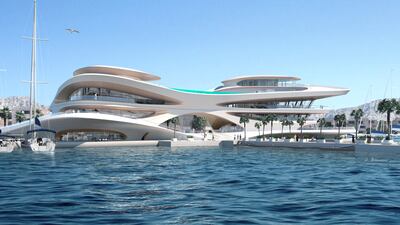
Amaala has unveiled the design for its Triple Bay Yacht Club. Photo: Amaala -
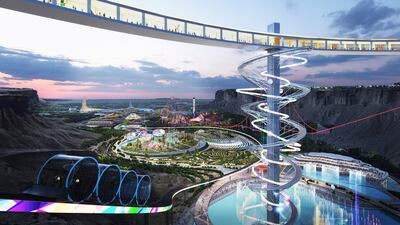
Qiddiya City is an entertainment development project to be established in Riyadh. -
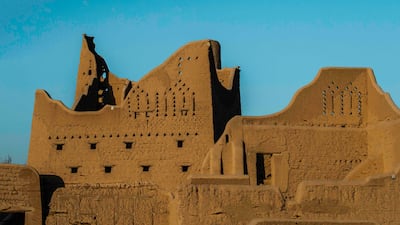
Salwa Palace is the largest standing structure in the historic city of Diriyah. Photo: Diriyah Gate Development Authority -

A screen grab of aerial footage of the King Salman Park in Riyadh. The project is set to become the world’s biggest urban park.



