

Google employees, after watching peers at rival tech companies lose their jobs en masse, were anxious about when layoffs would happen to them.
Then on Friday morning, some of them couldn’t get into their corporate accounts.
The company, owned by Alphabet, had finally decided to cut 12,000 employees, or 6 per cent of the workforce.
Employees described a mostly orderly, if impersonal, transition, communicated mostly via the same technology products they helped build, with no direct answers for individuals about why they were included or not.
Inside Google's new Bay View campus — in pictures
-

A bicycle path along Google's new Bay View campus. EPA -
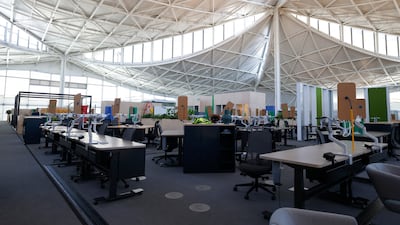
Workstations in Google's new Bay View campus building. EPA -

Sitting area at Google's Campfire Corner in Google's new Bay View campus. EPA -

Sitting area at Google's Campfire Corner in Google's new Bay View campus building. EPA -

Interior view in Google's new Bay View campus building. EPA -
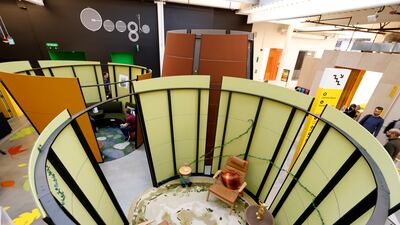
Interior view of Google's Campfire Corner in Google's new Bay View campus building. EPA -

Interior view in Google's new Bay View campus building. EPA -
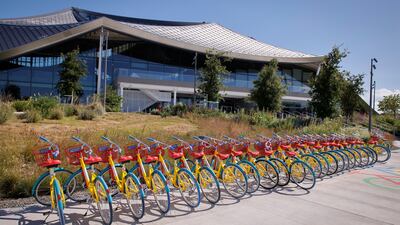
An exterior view of building BV200 and Google shared bicycles during a tour of Google's new Bay View Campus. Reuters -

A seating area in Google's new Bay View campus building. EPA -
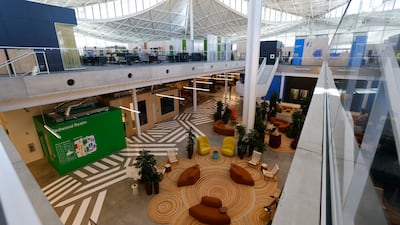
Google announced the opening of its new Bay View campus in Silicon Valley, representing the company's first time developing its own major campus. EPA -
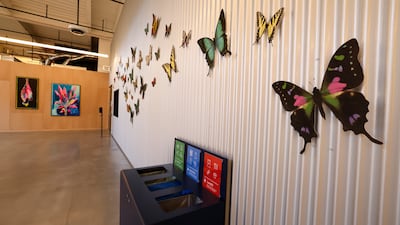
Art work in Google's new Bay View campus. EPA -
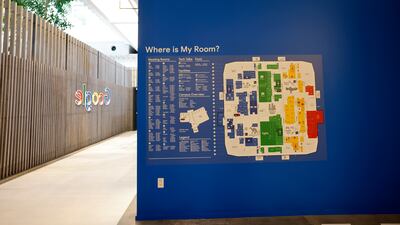
An Office directory in Google's new Bay View campus. EPA -

Interior and ceiling view of BV200, Google's new Bay View campus building. EPA -

The Google bicycle Pedal Park inside Google's new Bay View campus building. EPA -

Binary code and art work on the window of Google's new Bay View campus. EPA -

The side of Google's new Bay View campus building. EPA -

An outdoor weight room in front of Google's new Bay View campus. EPA -

Binary code on the window of Google's new Bay View campus. EPA -
The Google logo in front of Google's Bay View Building. EPA -
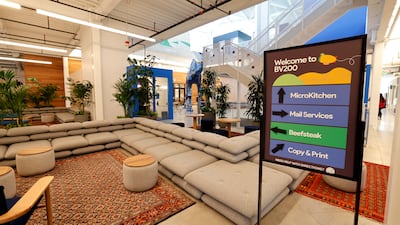
An interior view of BV200, Google's new Bay View campus. EPA -

An Interior view of BV200, Google's new Bay View campus building. EPA -
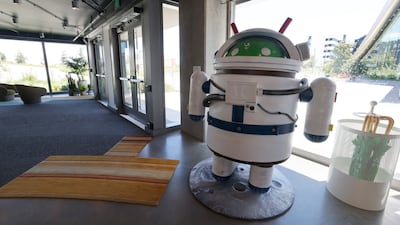
A Google Android bot in the lobby of BV100, Google's new Bay View campus. EPA -

The Bay View campus was designed by architects Bjarke Ingels Group (BIG) and Heatherwick Studio, as well as Google's design and engineering teams and spans 42 acres adjacent to the open space, two office buildings, and 1,000-person event centre. EPA -

A coffee table made out of a wood stump in the sitting area at BV200, Google's new Bay View campus. EPA -

Google employees in the cafeteria area in Mountain View, California. EPA -

A Google employee in the cafeteria area in Mountain View, California. EPA -

A worker inside Google's new Bay View campus in Mountain View, California. Bloomberg -

A seating area inside Google's new Bay View campus. Bloomberg -

Inside Google's new Bay View campus in Mountain View, California. Bloomberg -

Workers inside Google's new Bay View campus. Bloomberg -
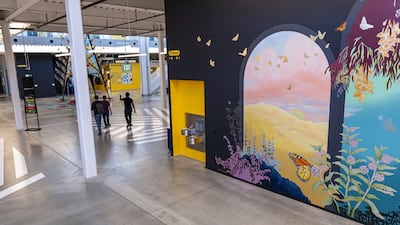
A mural inside Google's new Bay View campus in Mountain View, California. Bloomberg -
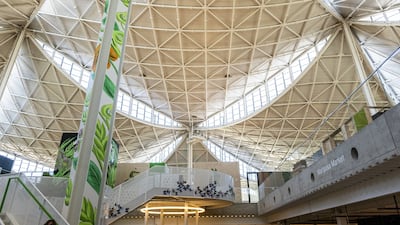
Inside Google's new Bay View campus in Mountain View, California. Bloomberg -
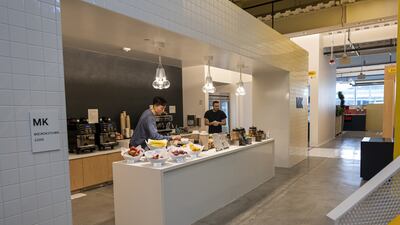
Workers in one of the many dining areas inside Google's new Bay View campus in Mountain View, California. Bloomberg -

Inside Google's new Bay View campus in Mountain View, California. Bloomberg -

Desks inside Google's new Bay View campus. Bloomberg -
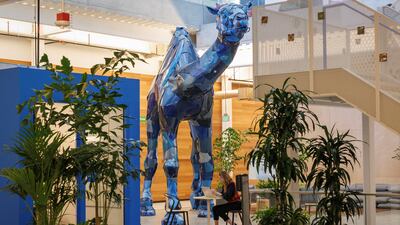
One of nine pieces of art created by Bay Area artists for the campus. Reuters


Some found out they lost their jobs via messages sent to their personal email addresses.
With no central way to see which roles had been eliminated, the remaining workers took to writing to their peers on messaging app Google Chat to see if it worked.
If not, it meant that person had lost their job, according to a Google employee who requested anonymity.
On messaging apps and internal chat rooms, employees started to pose theories and share anxieties about the future.
The layoffs appeared to be structural, rather than performance-based.
With performance reviews yet to be finalised later this month, some workers fretted that their roles were still at risk of elimination, according to multiple employees who spoke with Bloomberg.
Workers who had lost their jobs gathered on messaging platforms such as Discord and Slack to stay in touch.
For months, the company had refrained from thinning its ranks as tech peers such as Amazon, Microsoft and Meta Platforms laid off thousands of workers.
When the cuts did come, they appeared to impact a wide swath of the company.
“It’s hard for me to believe that after 20 years at #Google I unexpectedly find out about my last day via an email,” one software engineer, Jeremy Joslin, wrote on Twitter.
“What a slap in the face. I wish I could have said goodbye to everyone face to face.”
The company’s prized artificial intelligence teams appeared to escape mostly unscathed.
In a message to staff announcing the layoffs, Alphabet chief executive Sundar Pichai framed the cuts as a way for the company to sharpen its focus on AI.
But Area 120, an in-house incubator for new ideas, was decimated. The unit’s managing partner and workers on three projects slated to be folded into Google were spared, but virtually all other employees were laid off, according to two people with knowledge of the matter.
Google employee Dallas Barnes, a visual designer, wrote on Twitter that he was the only member of his team who had survived the cuts.
“The amount of sadness, frustration and confusion I’m feeling right now is hard to put into words,” he wrote.
The Alphabet Workers Union, a so-called minority union that does not have collective bargaining rights, said the layoffs underscored the importance of worker organising.
“This is egregious and unacceptable behaviour by a company that made $17 billion dollars in profit last quarter alone,” Parul Koul, executive chair of Alphabet Workers Union, said.
“With billions in profits and executive compensation untouched, our jobs should not be on the chopping block.”
There had been a sense of foreboding among Googlers about the possibility of layoffs, especially as other tech companies started to announce cuts to their workforce in recent weeks, said Keith Chaney, who worked on Google’s partnerships strategy team for about a year. He lost his job on Friday.
“I wasn’t super shocked,” he said. “There was a looming thought that it could happen. I just didn’t know to what extent and when.”
Mr Chaney said he was eager for the chance to embrace entrepreneurship. Last year, he launched a start-up called Peadbo, a platform that lets users build a “personal advisory board” dedicated to their personal or professional growth.

