


The performance of the Dubai property market last year was described as exceptional by Crown Prince Sheikh Hamdan bin Mohammed, as the value of deals reached a new high of Dh528 billion ($143.7 billion).
The value of transactions was up 76.5 per cent annually, while the number of transactions, at 122,658, rose 44.7 per cent year on year, a Dubai Media Office statement said.
The sector's “exceptional performance” will help achieve Dubai's vision to be “one of the world’s top three cities”, said Sheikh Hamdan.
“The results also support the goal of the Dubai Economic Agenda D33 … to double the size of Dubai's economy by 2033. The sector is a pillar of Dubai's strategy for sustainable development and a vital driver of its 2040 Urban Master Plan.”
Dubai remains one of the world's most attractive investment destinations because of its stable economy, strong financial fundamentals and ability to find opportunities for growth, Sheikh Hamdan said.
“Moreover, global investors, institutions and businesses continue to have high confidence in Dubai’s economy due to its growing profile as one of the best metropolises to live and work, its exceptional infrastructure and supportive regulations,” he said.
__________________________________
Dubai property prices: where they rose and fell in December 2022
-
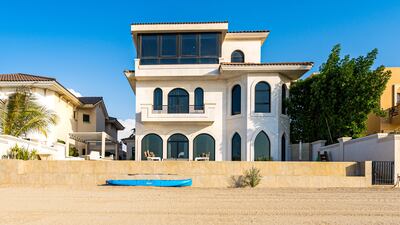
VILLA PRICES FROM CBRE: Palm Jumeirah: Dh3,921 per square foot — up 3.1 per cent in December month on month, up 2.6 per cent in November, up 3.0 per cent in October, up 0.2 per cent in September, up 1.9 per cent in August, up 4.6 per cent in July, up 4.9 per cent in June, up 5 per cent a month in May, up 5 per cent in April. -
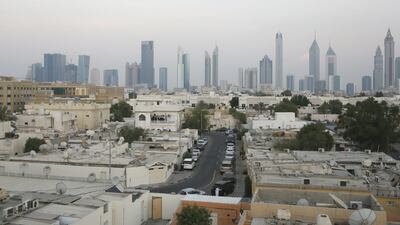
Jumeirah: Dh2,270 per square foot — down 0.4 per cent in December, up 2.9 per cent in November, up 3.6 per cent in October, up 2.3 per cent in September, down 1.1 per cent in August, up 2.2 per cent in July, up 1.0 per cent in June, up 2.0 per cent in May, up 3.7 per cent in April. Sarah Dea / The National -
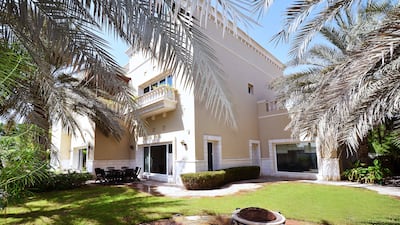
Emirates Hills: Dh2,268 per square foot — down 0.3 per cent in December, up 4.6 per cent in November, down 3.6 per cent in October, up 3.8 per cent in September, no change in August, up 0.3 per cent in July, up 3.3 per cent in June, up 1.8 per cent in May, up 1.8 per cent in April. Photo: Knight Frank -

District One: Dh2,025 per square foot — down 3.1 per cent per cent in December, up 1.6 per cent in November, up 3.2 per cent in October, up 2.4 per cent in September, down 2.1 per cent in August, up 2.2 per cent in July, up 4.1 per cent in June, up 2.3 per cent in May, down 0.9 per cent in April. Satish Kumar / The National -
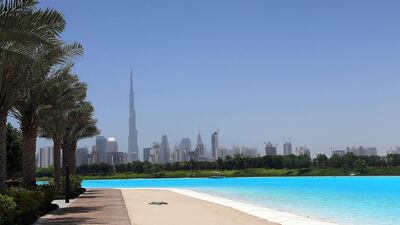
Mohammed bin Rashid City: Dh1,733 per square foot — up 0.5 per cent in December, up 3.1 per cent in November, up 0.7 per cent in October, up 0.6 per cent in September, up 1.2 per cent in August, up 3.6 per cent in July, up 4.0 per cent in June, up 0.1 per cent in May, up 0.7 per cent in April. -
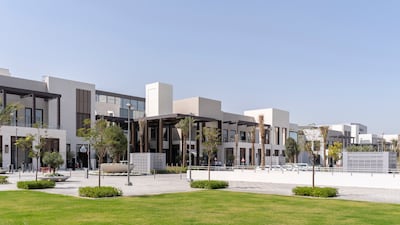
Dubai Hills: Dh1,653 per square foot — up 2.4 per cent in December, up 1.6 per cent in November, up 2.3 per cent in October, up 1.0 per cent in September, up 0.9 per cent in August, down 0.2 per cent in July, up 4.1 per cent in June, up 1.2 per cent in May, up 1.5 per cent in April. Photo: Emaar Malls Management -
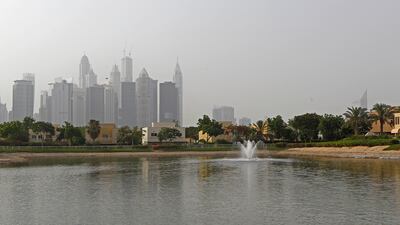
The Meadows: Dh1,559 per square foot — down 1.5 per cent in December, down 0.2 per cent in November, up 2.2 per cent in October, up 1.2 per cent in September, up 1.5 per cent in August, up 2.5 per cent in July, up 0.9 per cent in June, up 1.6 per cent in May, down 0.5 per cent in April. Jeffrey E Biteng / The National -
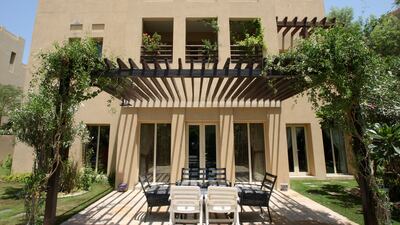
The Lakes: Dh1,514 per square foot — up 1.2 per cent in December, up 2.2 per cent in November, down 1.3 per cent in October, down 1.1 per cent in September, up 1.3 per cent in August, up 1.3 per cent in July, up 1.6 per cent in June, up 1.2 per cent in May, up 1.0 per cent in April. Pawan Singh / The National -
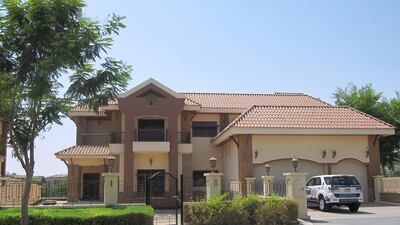
Jumeirah Islands: Dh1,586 per square foot — up 1.9 per cent in December, down 0.4 per cent in November, up 3.9 per cent in October, up 2.9 per cent in September, down 3.7 per cent in August, down 0.1 per cent in July, up 3.6 per cent in June, up 0.9 per cent in May, up 2.5 per cent in April. Photo: Prestige Dubai -
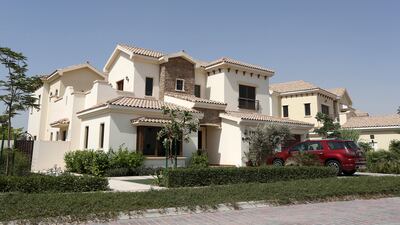
Jumeirah Golf Estates: Dh1,409 per square foot — down 3.7 per cent in December, down 0.8 per cent in November, down 1.6 per cent in October, up 4.6 per cent in September, down 1.4 per cent in August, up 4.4 per cent in July, down 1.1 per cent in June, up 3.6 per cent in May, up 4.6 per cent in April. Pawan Singh / The National -
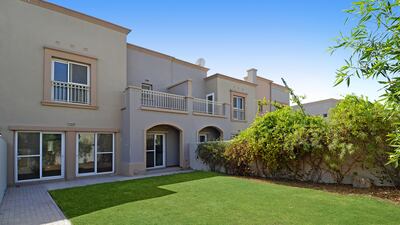
The Springs: Dh1,173 per square foot — down 1.0 per cent in December, up 1.7 per cent in November, up 0.9 per cent in October, up 1.0 per cent in September, down 0.4 per cent, up 3.9 per cent in July, up 0.8 per cent in June, up 1.8 per cent in May, up 2.1 per cent in April. Photo: Better Homes -
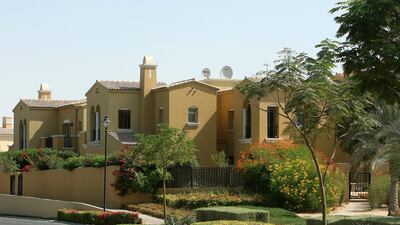
Arabian Ranches: Dh1,232 per square foot — down 0.8 per cent in December, up 0.5 per cent in November, up 1.3 per cent in October, up 1.4 per cent in September, up 0.8 per cent in August, down 2.5 per cent in July, up 1.7 per cent in June, up 0.7 per cent in May, up 3.7 per cent in April. Pawan Singh / The National -
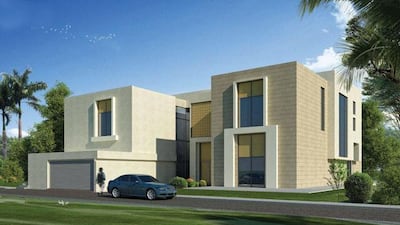
Meydan City: Dh1,223 per square foot — up 2.8 per cent in December, down 0.7 per cent in November, up 0.8 per cent in October, up 0.4 per cent in September, up 0.6 per cent in August, down 0.4 per cent in July, up 1.3 per cent in June, up 0.9 per cent in May, up 0.9 per cent in April. -
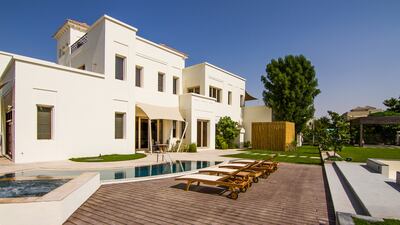
Al Barari: Dh1,282 per square foot — up 0.8 per cent in December, down 1.2 per cent in November, up 1.0 per cent in October, up 2.9 per cent in September, up 2.2 per cent in August, up 3.5 per cent in July, up 3.0 per cent in June, down 0.7 per cent in May, up 4.9 per cent in April. Photo: Luxhabitat -
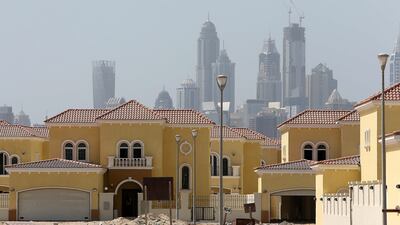
Jumeirah Park: Dh1,189 per square foot — up 4.5 per cent in December, up 2.9 per cent in November, down 2.0 per cent in October, down 1.9 per cent in September, up 0.4 per cent in August, up 0.4 per cent in July, up 3.8 per cent in June, up 0.2 per cent in May, up 0.8 per cent in April. Pawan Singh / The National -
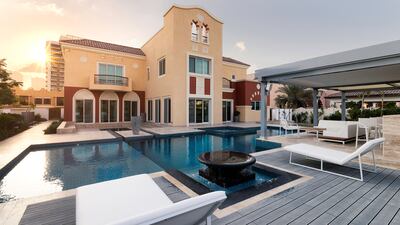
Victory Heights: Dh1,181 per square foot — up 4.0 per cent in December, down 0.3 per cent in November, up 4.2 per cent in October, down 0.9 per cent in September, down 1.3 per cent in August, down 0.3 per cent in July, up 1.4 per cent in June, up 3.7 per cent in May, down 2.2 per cent in April. Photo: Luxhabitat -
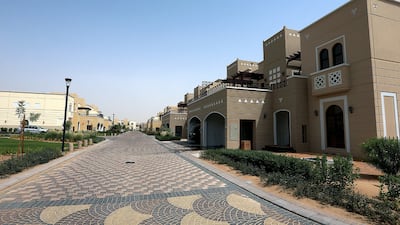
Mudon: Dh1,066 per square foot — up 1.1 per cent in December, up 4.1 per cent in November, down 0.7 per cent in October, up 2.1 per cent in September, down 2.6 per cent in August, up 0.9 per cent in July, up 1.4 per cent in June, down 0.5 per cent in May, up 2.7 per cent in April. Satish Kumar / The National -
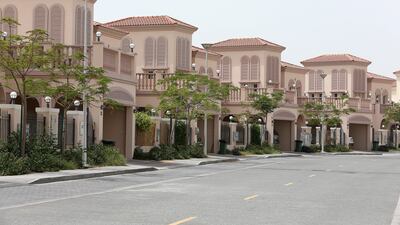
Jumeirah Village Triangle: Dh996 per square foot — down 2.9 per cent in December, down 0.6 per cent in November, up 2.8 per cent in October, up 0.4 per cent in September, up 0.7 per cent in August, down 0.1 per cent in July, up 3.7 per cent in June, down 0.2 per cent in May, up 2.3 per cent in April. Pawan Singh / The National -
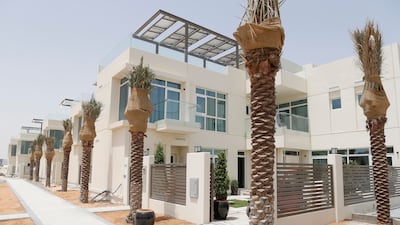
Sustainable City: Dh970 per square foot — down 0.8 per cent in December, up 1.2 per cent in November, down 0.4 per cent in October, up 0.5 per cent in September, down 0.7 per cent in August, up 0.7 per cent in July, up 2.6 per cent in June, down 0.8 per cent in May, up 0.6 per cent in April. Antonie Robertson / The National -
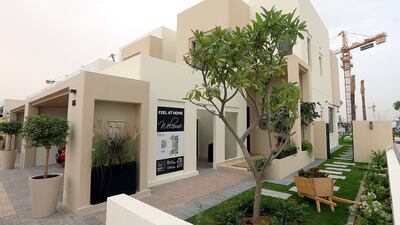
Town Square: Dh826 per square foot — up 1.2 per cent in December, down 0.9 per cent in November, up 1.5 per cent in October, up 0.4 per cent in September, up 0.6 per cent in August, up 0.6 per cent in July, down 0.8 per cent in June, down 1.0 per cent in May, up 1.4 per cent in April. Satish Kumar / The National -
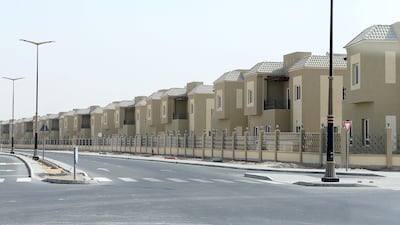
Living Legends: Dh831 per square foot — up 3.9 per cent in December, down 3.0 per cent in November, down 4.2 per cent in October, down 1.9 per cent in September, up 2.6 per cent in August, up 0.7 per cent in July, up 4.0 per cent in June, up 1.2 per cent in May. Pawan Singh / The National -
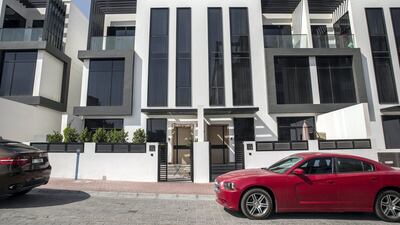
Jumeirah Village Circle: Dh652 per square foot — up 4.6 per cent in December, up 3.7 per cent in November, down 1.8 per cent in October, down 1.3 per cent in September, down 1.4 per cent in August, up 3.3 per cent in July, down 1.6 per cent in June, up 0.8 per cent in May, up 1.3 per cent in April. Antonie Robertson / The National -
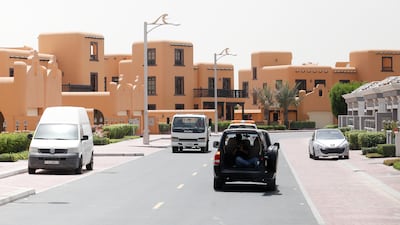
Falconcity of Wonders: Dh754 per square foot — up 0.5 per cent in December, down 0.8 per cent in November, up 0.9 per cent in October, down 2.0 per cent in September, up 4.8 per cent in August, up 0.7 per cent in July, flat in June, down 2.5 per cent in May, up 1.6 per cent in April. Sarah Dea / The National -
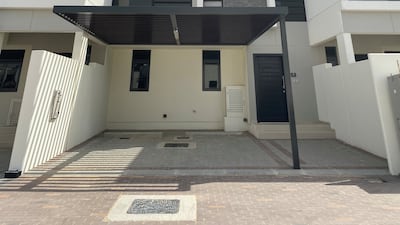
Damac Hills 2: Dh605 per square foot — up 0.4 per cent in December, up 1.3 per cent in November, down 1.2 per cent in October, down 0.4 per cent in September, down 0.5 per cent in August, down 0.4 per cent in July, down 1.6 per cent in June, up 1.0 per cent in May, up 1.3 per cent in April. Photo: Allsopp & Allsopp


__________________________________
In 2022, 80,216 investors registered 115,183 new property investments in the emirate valued at Dh264.15 billion, an annual growth of 59.5 per cent in volume and 78.4 per cent in value.
The number of investors increased by 53 per cent compared with 2021.
The booming property market comes amid a resurgent wider economy following the coronavirus-induced slowdown, and despite a challenging global economic situation.
In the first nine months of 2022, Dubai’s gross domestic product grew 4.6 per cent year on year to reach Dh307.5 billion.
Business activity in the Dubai's non-oil private sector economy remained strong in December, boosted by a sharp increase in output as new orders climbed amid rising customer demand at the end of last year.
The emirate's seasonally adjusted S&P Global purchasing managers' index reading in December edged higher to 55.2, from 54.9 in November, firmly above the neutral 50 mark separating expansion from contraction.
Changes to visa rules have made it easier for foreigners to settle in the UAE while ultra-high-net-worth individuals have flocked to Dubai on the back of the country's positive handling of the coronavirus.
There has been a particularly strong performance in the prime sector of the market.
Last year was a record period for ultra-luxury property deals, with 219 sales of homes valued at $10 million and more registered, according to Knight Frank.
The prime sector, which include Emirates Hills, Jumeirah Bay Island and The Palm Jumeirah, collectively registered a price appreciation of 44 per cent last year, the consultancy said on Monday.
“The performance at the top of the market clearly demonstrates the arrival of Dubai as a luxury hub to rival long-established markets elsewhere, with no sign to suggest a slowdown in the seemingly relentless demand from global ultra-high-net-worth-individuals zeroing in on the emirate in search of second homes,” said Faisal Durrani, partner and head of Middle East Research at Knight Frank.

