


Dubai's prime residential market is set for the world's strongest growth next year, according to a new report.
Across the 25 cities tracked, property consultancy Knight Frank expects prime residential prices to rise by 2 per cent on average in 2023, down from 2.7 per cent predicted six months ago.
It predicts Dubai to lead the way with a 13.5 per cent rise in prime prices, ahead of the likes of Miami (5 per cent), Los Angeles (4 per cent) and Paris (4 per cent).
“Dubai’s prime residential market has and continues to be a global outlier, with record price growth in 2022, albeit this has been from a low base,” said Faisal Durrani, partner — head of Middle East research at Knight Frank.
“Prime values are being fuelled by Dubai’s safe-haven status, an exceptionally diverse range of international ultra-high-net-worth individuals in search of luxury second homes, combined of course with the government’s world-leading response to the pandemic, which has spurred business confidence.”
He added that Dubai is one of the most “affordable” luxury residential markets in the world, with prices trailing the 2014 peak levels by 21.4 per cent.
Prices have been rising this year across all sectors in Dubai amid the wider economic recovery following the pandemic.
-
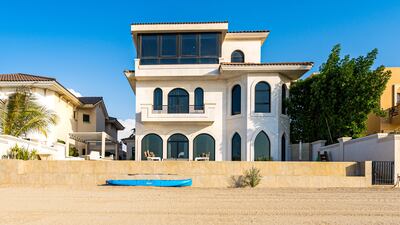
VILLA PRICES FROM CBRE: Palm Jumeirah: Dh3,704 per square foot — up 3.0 per cent in October, up 0.2 per cent in September, up 1.9 per cent in August, up 4.6 per cent in July, up 4.9 per cent in June, up 5 per cent a month in May, up 5 per cent in April. -
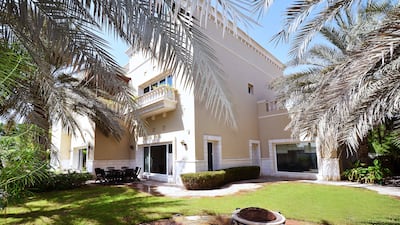
Emirates Hills: Dh2,175 per square foot — down 3.6 per cent in October, up 3.8 per cent in September, no change in August, up 0.3 per cent in July, up 3.3 per cent in June, up 1.8 per cent in May, up 1.8 per cent in April. Photo: Knight Frank -
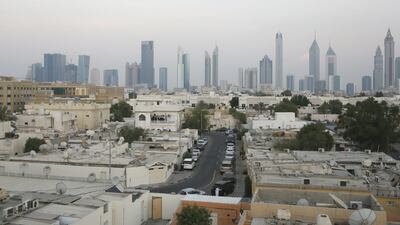
Jumeirah: Dh2,214 per square foot — up 3.6 per cent in October, up 2.3 per cent in September, down 1.1 per cent in August, up 2.2 per cent in July, up 1.0 per cent in June, up 2.0 per cent in May, up 3.7 per cent in April. Sarah Dea / The National -

District One: Dh2,055 per square foot — up 3.2 per cent in October, up 2.4 per cent in September, down 2.1 per cent in August, up 2.2 per cent in July, up 4.1 per cent in June, up 2.3 per cent in May, down 0.9 per cent in April. Satish Kumar / The National -
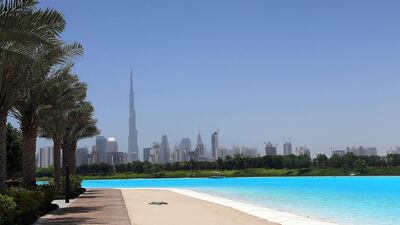
Mohammed bin Rashid City: Dh1,672 per square foot — up 0.7 per cent in October, up 0.6 per cent in September, up 1.2 per cent in August, up 3.6 per cent in July, up 4.0 per cent in June, up 0.1 per cent in May, up 0.7 per cent in April. -
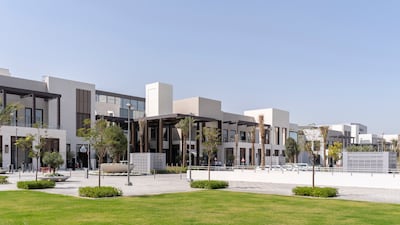
Dubai Hills: Dh1,588 per square foot — up 2.3 per cent in October, up 1.0 per cent in September, up 0.9 per cent in August, down 0.2 per cent in July, up 4.1 per cent in June, up 1.2 per cent in May, up 1.5 per cent in April. Photo: Emaar Malls Management -
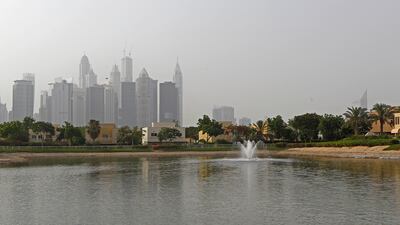
The Meadows: Dh1,586 per square foot — up 2.2 per cent in October, up 1.2 per cent in September, up 1.5 per cent in August, up 2.5 per cent in July, up 0.9 per cent in June, up 1.6 per cent in May, down 0.5 per cent in April. Jeffrey E Biteng / The National -
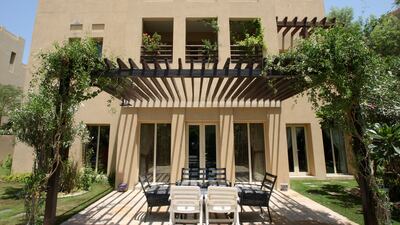
The Lakes: Dh1,464 per square foot — down 1.3 per cent in October, down 1.1 per cent in September, up 1.3 per cent in August, up 1.3 per cent in July, up 1.6 per cent in June, up 1.2 per cent in May, up 1.0 per cent in April. Pawan Singh / The National -
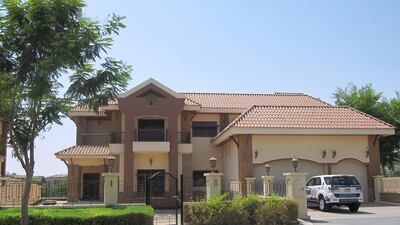
Jumeirah Islands: Dh1,563 per square foot — up 3.9 per cent in October, up 2.9 per cent in September, down 3.7 per cent in August, down 0.1 per cent in July, up 3.6 per cent in June, up 0.9 per cent in May, up 2.5 per cent in April. Photo: Prestige Dubai -
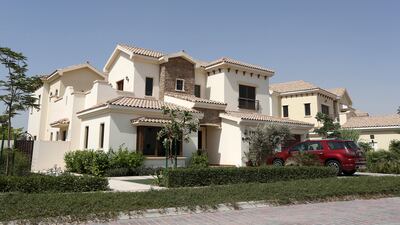
Jumeirah Golf Estates: Dh1,474 per square foot — down 1.6 per cent in October, up 4.6 per cent in September, down 1.4 per cent in August, up 4.4 per cent in July, down 1.1 per cent in June, up 3.6 per cent in May, up 4.6 per cent in April. Pawan Singh / The National -
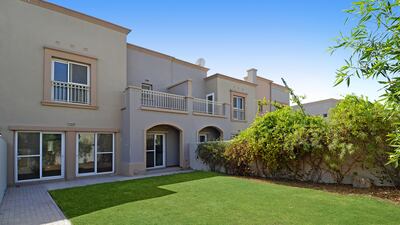
The Springs: Dh1,165 per square foot — up 0.9 per cent in October, up 1.0 per cent in September, down 0.4 per cent, up 3.9 per cent in July, up 0.8 per cent in June, up 1.8 per cent in May, up 2.1 per cent in April. Photo: Better Homes -
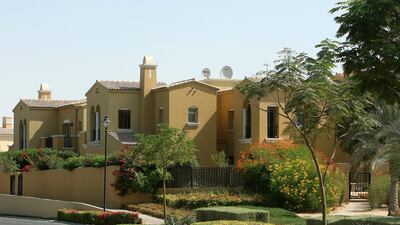
Arabian Ranches: Dh1,235 per square foot — up 1.3 per cent in October, up 1.4 per cent in September, up 0.8 per cent in August, down 2.5 per cent in July, up 1.7 per cent in June, up 0.7 per cent in May, up 3.7 per cent in April. Pawan Singh / The National -
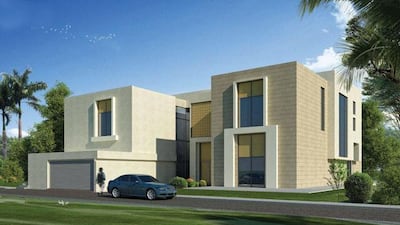
Meydan City: Dh1,199 per square foot — up 0.8 per cent in October, up 0.4 per cent in September, up 0.6 per cent in August, down 0.4 per cent in July, up 1.3 per cent in June, up 0.9 per cent in May, up 0.9 per cent in April. -
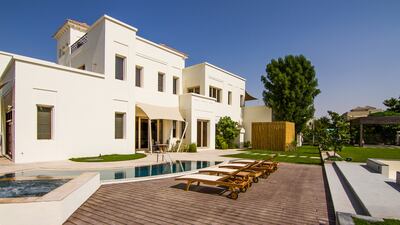
Al Barari: Dh1,287 per square foot — up 1.0 per cent in October, up 2.9 per cent in September, up 2.2 per cent in August, up 3.5 per cent in July, up 3.0 per cent in June, down 0.7 per cent in May, up 4.9 per cent in April. Photo: Luxhabitat -
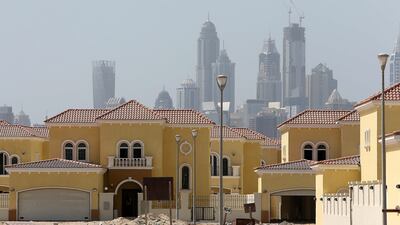
Jumeirah Park: Dh1,106 per square foot — down 2.0 per cent in October, down 1.9 per cent in September, up 0.4 per cent in August, up 0.4 per cent in July, up 3.8 per cent in June, up 0.2 per cent in May, up 0.8 per cent in April. Pawan Singh / The National -
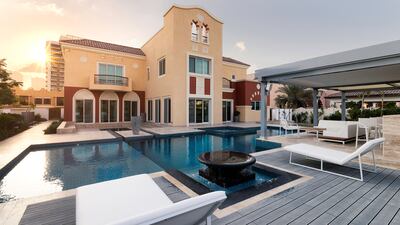
Victory Heights: Dh1,139 per square foot — up 4.2 per cent in October, down 0.9 per cent in September, down 1.3 per cent in August, down 0.3 per cent in July, up 1.4 per cent in June, up 3.7 per cent in May, down 2.2 per cent in April. Photo: Luxhabitat -
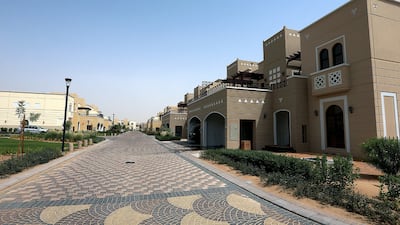
Mudon: Dh1,013 per square foot — down 0.7 per cent in October, up 2.1 per cent in September, down 2.6 per cent in August, up 0.9 per cent in July, up 1.4 per cent in June, down 0.5 per cent in May, up 2.7 per cent in April. Satish Kumar / The National -
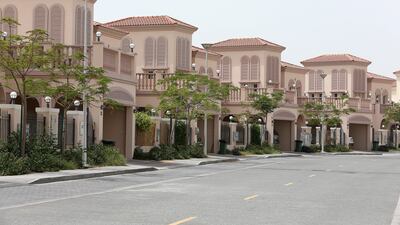
Jumeirah Village Triangle: Dh1,031 per square foot — up 2.8 per cent in October, up 0.4 per cent in September, up 0.7 per cent in August, down 0.1 per cent in July, up 3.7 per cent in June, down 0.2 per cent in May, up 2.3 per cent in April. Pawan Singh / The National -
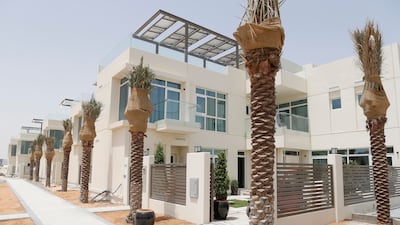
Sustainable City: Dh966 per square foot — down 0.4 per cent in October, up 0.5 per cent in September, down 0.7 per cent in August, up 0.7 per cent in July, up 2.6 per cent in June, down 0.8 per cent in May, up 0.6 per cent in April. Antonie Robertson / The National -
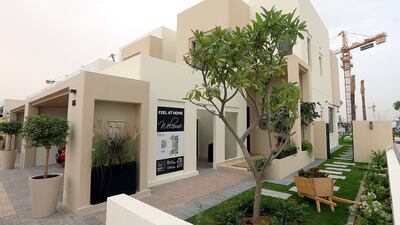
Town Square: Dh823 per square foot — up 1.5 per cent in October, up 0.4 per cent in September, up 0.6 per cent in August, up 0.6 per cent in July, down 0.8 per cent in June, down 1.0 per cent in May, up 1.4 per cent in April. Satish Kumar / The National -
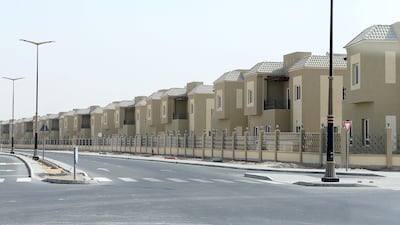
Living Legends: Dh825 per square foot — down 4.2 per cent in October, down 1.9 per cent in September, up 2.6 per cent in August, up 0.7 per cent in July, up 4.0 per cent in June, up 1.2 per cent in May. Pawan Singh / The National -
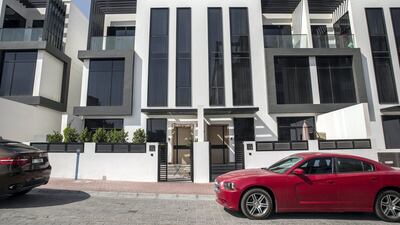
Jumeirah Village Circle: Dh601 per square foot — down 1.8 per cent in October, down 1.3 per cent in September, down 1.4 per cent in August, up 3.3 per cent in July, down 1.6 per cent in June, up 0.8 per cent in May, up 1.3 per cent in April. Antonie Robertson / The National -
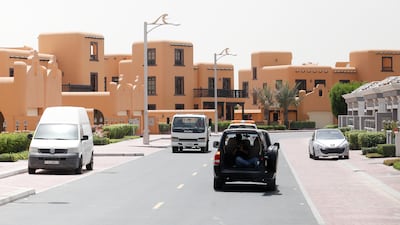
Falconcity of Wonders: Dh756 per square foot — up 0.9 per cent in October, down 2.0 per cent in September, up 4.8 per cent in August, up 0.7 per cent in July, flat in June, down 2.5 per cent in May, up 1.6 per cent in April. Sarah Dea / The National -
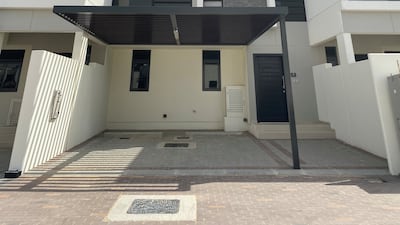
Damac Hills 2: Dh595 per square foot — down 1.2 per cent in October, down 0.4 per cent in September, down 0.5 per cent in August, down 0.4 per cent in July, down 1.6 per cent in June, up 1.0 per cent in May, up 1.3 per cent in April. Photo: Allsopp & Allsopp


Business activity in Dubai's non-oil private sector economy was “robust” in October as companies increased their headcounts at the fastest pace in about three years amid stronger new orders.
The emirate's headline seasonally adjusted S&P Global purchasing managers' index reading stood at 56, above the neutral 50 mark separating expansion from contraction.
The UAE economy is set to grow by more than 6 per cent this year, after expanding by 3.8 per cent in 2021, buttressed by a rebound in tourism, construction and activity related to the Expo 2020 Dubai, the International Monetary Fund said last week.
A lack of prime supply has also been driving up prices. Knight Frank said the number of new high-end homes planned is failing to keep pace with demand.
Bulgari Lighthouse on Jumeirah Bay Island (31 apartments) and Alpago’s Palm Flower on The Palm Jumeirah (11 apartments) account for the bulk of new high-end homes coming to the city’s prime neighbourhoods.
“Supply is the other critical factor in our 2023 outlook, with just eight villas in Dubai’s prime precincts expected to be delivered by 2025,” Mr Durrani said.
“Developers have not responded to the buoyancy in demand as we have seen in past cycles and with supply remaining limited and demand for luxury waterfront continuing to strengthen, our 2023 prime residential forecast of 13.5 per cent is supported by a clear demand-supply imbalance as well as a positive economic backdrop.”
Dubai prices are likely to end the year about 50 per cent higher than 2021, Mr Durrani added.
Palm Jumeirah villa prices are the most expensive in Dubai at Dh3,704 per square foot in October, data from CBRE show. Prices have risen in each of the past six months, sometimes by as much as 5 per cent on a month-by-month basis.
The Palm has been the location for a number of records this year. Alpago's Casa Del Sole villa sold for a Dubai property market record of Dh302 million, while there was also recently a rental record after a villa was leased on a six-month basis for Dh4 million.

