

A frog-themed digital token that has only been around for a month may be signalling pain ahead for Bitcoin bulls.
Trading in meme coins — cryptocurrency assets that can be inspired by viral images and memes and attract loyal social-media communities but otherwise lack in inherent utility — soared in recent days.
Leading the pack was Pepe, a new-fangled amphibian-themed token, which sparked frenzied speculation and has spawned many copy cats since its birth in April.
Pepe was obsessively promoted on Twitter before and after its launch, and it peaked at a market value of more than $1.6 billion on May 5 before reversing course and plummeting as much as 70 per cent in following days, according to CoinMarketCap.
The ill-fated frog — which, as is the case with many meme coins, never traded higher than a fraction of a cent even at its height — took Bitcoin and Ether down with it.
Both coins have dropped about 10 per cent since May 5, a notable step-down after four straight months of gains.
Long-time cryptocurrency traders have seen this play out before: Meme-coin booms typically start during frothy periods, when traders whose wallets have recently grown fat are more willing to take on added risk.
These speculators typically offload some of their Bitcoin or Ether holdings to invest in meme coins, so a craze can lead to a drawdown in the prices of the two major coins, Kyle Doane, a trader at digital-asset manager Arca, said.
Once the meme-coin frenzy fades, as it inevitably does, most traders lose their funds, and have less to invest back in Bitcoin and Ether, he said.
“At the end of the day, it’s a lottery ticket,” said Mr Doane, who does not trade Pepe. “That type of trading is basically a centralised casino.”
Past meme-coin crazes have signalled market tops that have been followed by multi-month drawdowns in Bitcoin, data from price tracker Dune shows.
For example, when Shiba Inu-themed Dogecoin led a meme-based boom in May 2021, it was followed soon after by a Bitcoin sell-off that lasted into July.
Another meme-coin rally that same year happened in October. That was a few weeks before Bitcoin reached its record high of more than $68,000, after which it began a wrenching retreat that lasted all of last year.
To be sure, Bitcoin is still up 60 per cent since the beginning of 2023, while Ether is up 48 per cent.
And there are many other factors that play into price action, such as the macroeconomic environment and regulatory climate. Ether’s price, for example, can be hugely affected by expectations related to the network’s software upgrades.
Watch: What happened to the Bitcoin price?
But meme-coin hype may be a sign of an overextended market.
And this time around, the speculation has led to more disruptions on the blockchains where the coins are minted.
Meme coins only became available on the Bitcoin network this year, and when these “BRC-20” tokens started to take off in April, they began clogging up the network and driving up transaction fees to two-year highs.
Ethereum, where most of the speculation takes place still, was similarly affected — which means that customers of truly useful financial and gaming apps had to pay more as well.
Most important, perhaps, “mom-and-pop” traders burnt by meme coins may be hesitant to re-enter the market again for some time.
“When the buzz disappears and the hype dissipates, the value tends to plummet and investors can suffer significant losses,” said Joe Rotunda, director of the enforcement division at the Texas State Securities Board.
“It’s like musical chairs — when the music stops, investors often can’t find a safe place to land. Except investing isn’t a game, losses can be far too real.”
Cryptocurrencies — in pictures
-
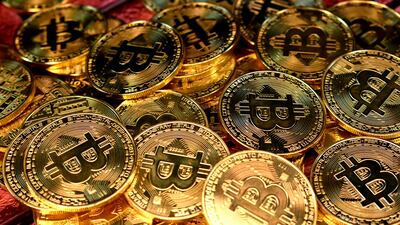
The crypto market, which includes currencies such as Bitcoin, pictured, has lost $2 trillion of its value in six months. Unsplash -

The price of Ethereum, the second largest cryptocurrency by market size, has fallen by 70 per cent this year. Investors and analysts are watching to see if it will dip below $1,000. Unsplash -
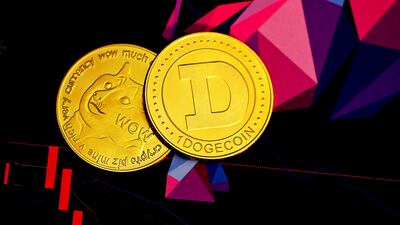
Dogecoin, supported by Elon Musk, is about 90 per cent down from May last year, yet it is outperforming Bitcoin and Ethereum in the current crash. Unsplash -
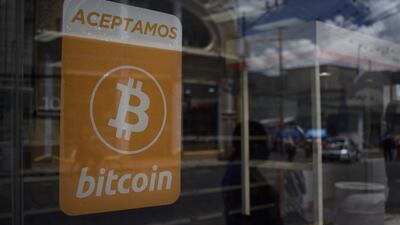
The government of El Salvador has invested $105 million in Bitcoin. President Nayib Bukele's embrace of the cryptocurrency as legal tender is being questioned as the market crashes. Getty -

Changpeng Zhao, founder of crypto exchange giant Binance, has compared the current market turmoil to the dotcom bubble of the early 2000s. Still, the company is aggressively pursuing licensing in international jurisdictions and introducing new products. Getty -
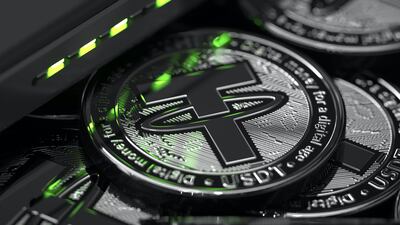
Tether is the biggest issuer of stablecoins, a type of cryptocurrency pegged to a traditionally stable asset like the US dollar. Most stablecoins are meant to maintain a constant price of $1 and are backed by real reserve funds, making it easy to convert crypto investments into cash. But Tether's financial statements show that may not be true, leaving the issuer and its investors vulnerable. Unsplash -

The recent crypto crash can in part be attributed to the collapse of TerraUSD, a stablecoin pegged to the US dollar through algorithms and linked to a "sister" cryptocurrency named Luna. When the price of Luna plummeted, TerraUSD also fell, creating a “death spiral” to practically zero for both coins. Unsplash -

On June 12 crypto lender Celsius Network said it had paused customer withdrawals, saying it needed “to stabilise liquidity and operations”. Investors are still waiting, with no signs that the current meltdown will let up. Getty


Cashing out of meme coins — which many traders jump into for fear of missing out, or Fomo — is typically difficult, because when everyone wants to sell, there are often few takers.
“Everyone is feeling Fomo behaviour, but it’s $1 million of paper,” said Merav Ozair, a FinTech expert at Cornell University. “Because it’s illiquid, they can’t sell it.”
Some meme coins do have longevity. Doge and Shiba Inu have remained top 15 coins by market value — but they are the exceptions.
Thousands more of the tokens have turned into barely traded zombies. However, that has not stopped the boom-and-bust pattern from repeating.
“I think every single meme coin trader including me is trading them for profit,” said a Pepe trader who goes by the handle Poordart on Twitter and declined to provide their real name.
“Gamifying trading, making it fun, avoids the stress bit to a degree — but ultimately it is, of course, for profit only.”
Until the music stops.

