


New UAE residents can now use their home country credit histories to speed up the process when applying for financial services under a new partnership between Al Etihad Credit Bureau (AECB) and US-based cross-border credit bureau Nova Credit.
The “credit passport” agreement, the first in the GCC region, gives the country’s local and international financial institutions and banks real-time access to the translated home credit histories of new residents who have not had enough time to build a credit score in the UAE.
“AECB is proud to be among the region’s first federal entities to provide cross-border credit solutions, creating value for lenders, individuals, businesses, government entities and the public through key collaborations with international bureaus,” Marwan Lutfi, chief executive of the credit bureau, said on Tuesday.
“As we continue to introduce cutting-edge products to our customers, we reiterate our commitment to creating a positive social impact, in line with the UAE’s vision of becoming the epicentre of a borderless global economy.”
Set up in November 2014, AECB brings transparency to the lending industry by assembling a credit record of the UAE’s financially active residents.
It collects data such as loan, mortgage, credit card and phone bill payments.
A person’s credit report documents their entire credit history in the UAE, showing the credit cards, loans or other finance products they have signed up for, along with their payment behaviour.
This also means that any bounced cheques and payment defaults will be reflected in a person’s credit history.
A UAE resident's report is generated only when they have a credit card, loan, mortgage or a phone bill. The AECB collects data from banks, finance companies and telecom companies.
A credit score for individuals is a three-digit number between 300 and 900 that represents a borrower’s creditworthiness and how likely they are to make credit card or loan payments on time.
A low score indicates they are a higher risk for a lender while a higher score indicates a lower risk.
The credit passport is now available for AECB subscribers to support credit applications from new residents with a financial history in countries such as India, the Philippines and the UK, the credit bureau said.
Other countries will be added in the near future, it said.
Nova Credit also serves people coming from Australia, Brazil, Canada, the Dominican Republic, Kenya, Mexico, Nigeria, South Korea, Spain and Switzerland, according to its website.
UAE salary guide 2023 — in pictures
-
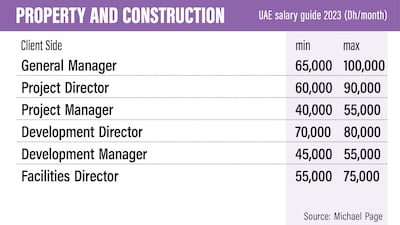
UAE salary guide 2023 -

UAE salary guide 2023 -
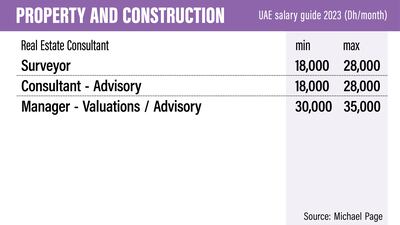
UAE salary guide 2023 -
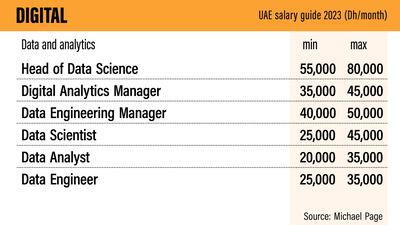
UAE salary guide 2023 -
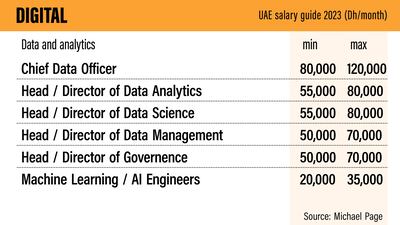
UAE salary guide 2023 -
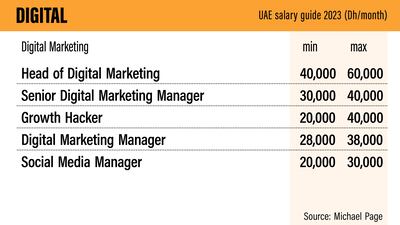
UAE salary guide 2023 -

UAE salary guide 2023 -
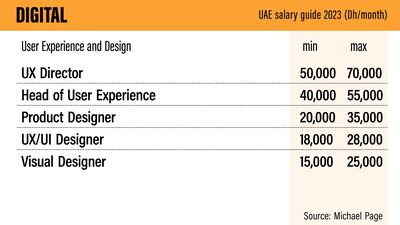
UAE salary guide 2023 -

UAE salary guide 2023 -
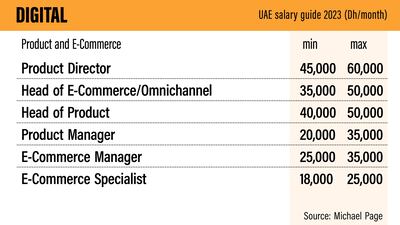
UAE salary guide 2023 -
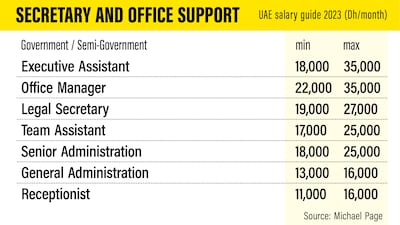
UAE salary guide 2023 -
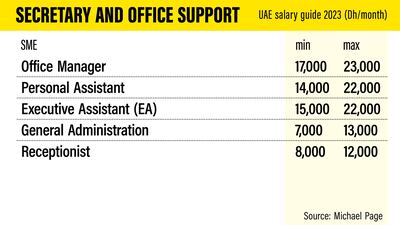
UAE salary guide 2023 -
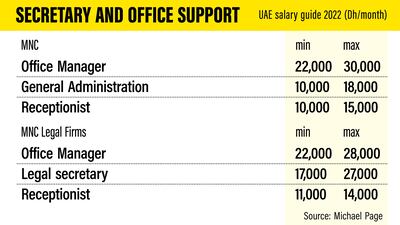
UAE salary guide 2023 -
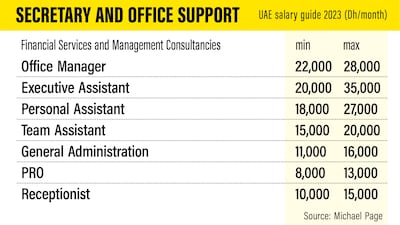
UAE salary guide 2023 -
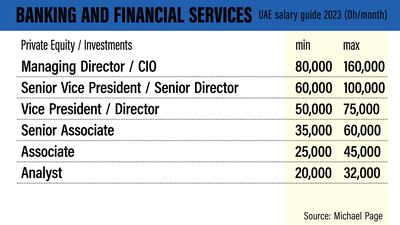
UAE salary guide 2023 -
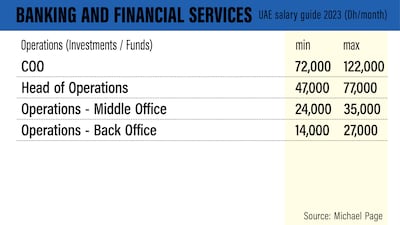
UAE salary guide 2023 -
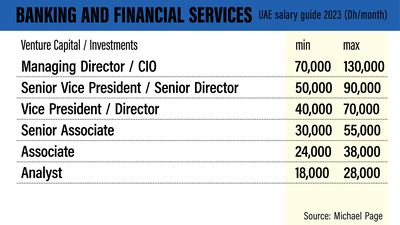
UAE salary guide 2023 -
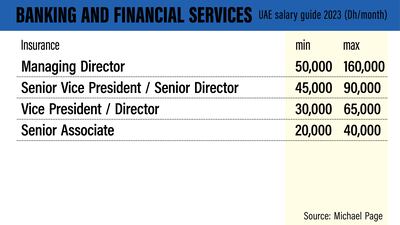
UAE salary guide 2023 -
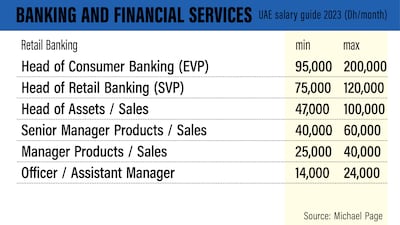
UAE salary guide 2023 -
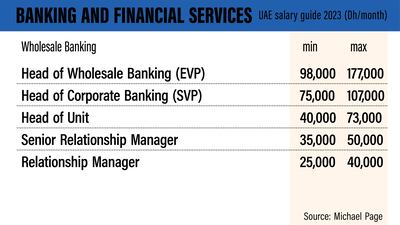
UAE salary guide 2023 -
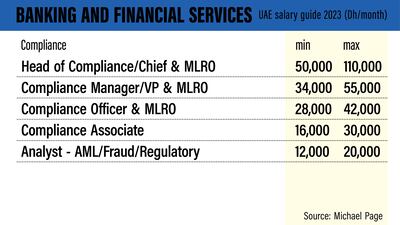
UAE salary guide 2023 -
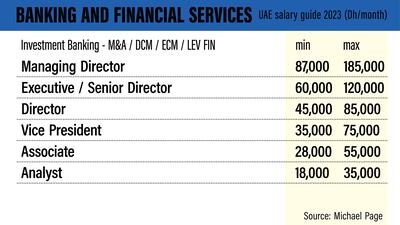
UAE salary guide 2023 -
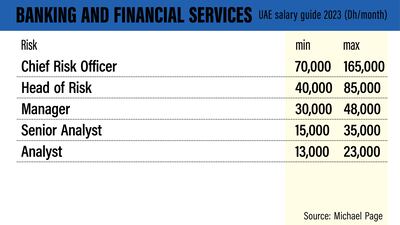
UAE salary guide 2023 -
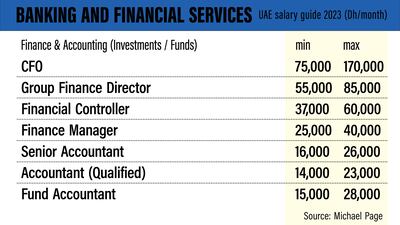
UAE salary guide 2023 -
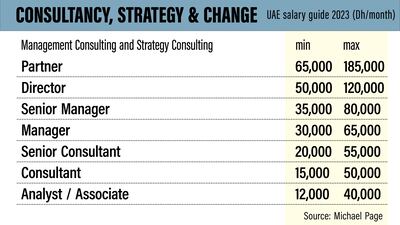
UAE salary guide 2023 -

UAE salary guide 2023 -
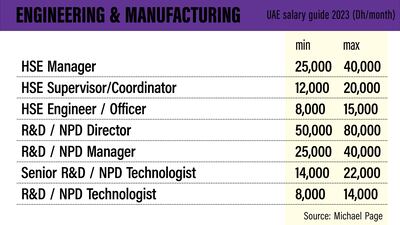
UAE salary guide 2023 -

UAE salary guide 2023 -

UAE salary guide 2023 -

UAE salary guide 2023 -
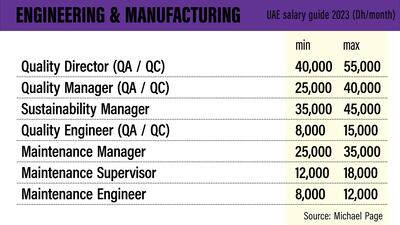
UAE salary guide 2023 -

UAE salary guide 2023 -
UAE salary guide 2023 -
UAE salary guide 2023 -
UAE salary guide 2023 -
UAE salary guide 2023 -
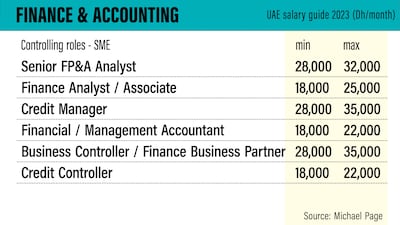
UAE salary guide 2023 -
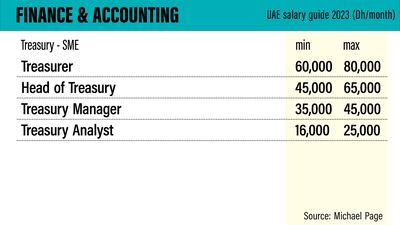
UAE salary guide 2023 -
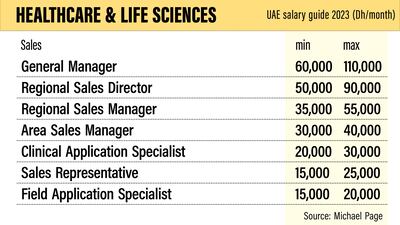
UAE salary guide 2023 -
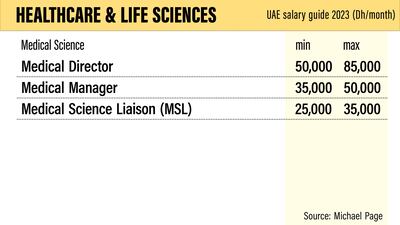
UAE salary guide 2023 -
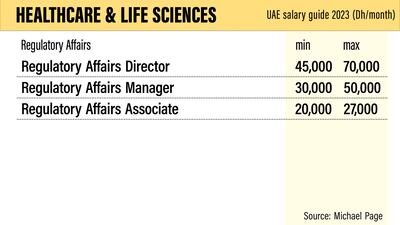
UAE salary guide 2023 -

UAE Salary Guide -
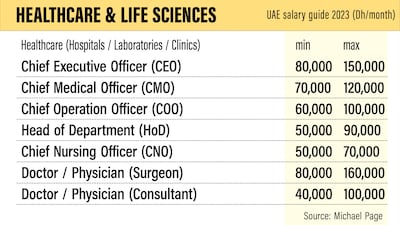
UAE salary guide 2023 -
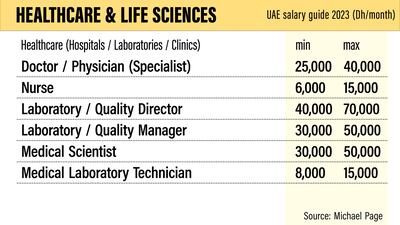
UAE salary guide 2023 -
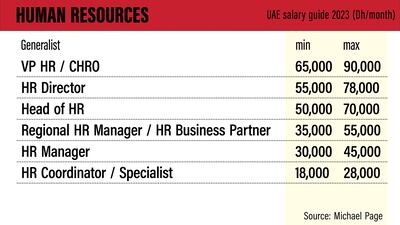
UAE salary guide 2023 -

UAE salary guide 2023 -
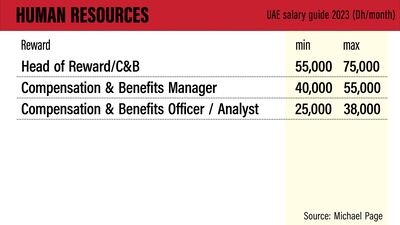
UAE salary guide 2023 -

UAE salary guide 2023 -
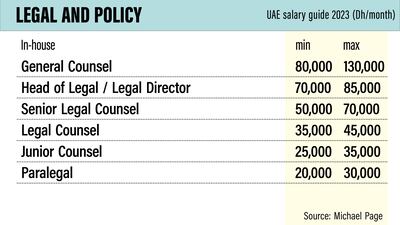
UAE salary guide 2023 -
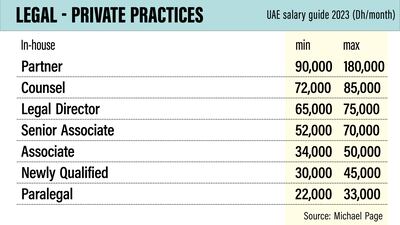
UAE salary guide 2023 -
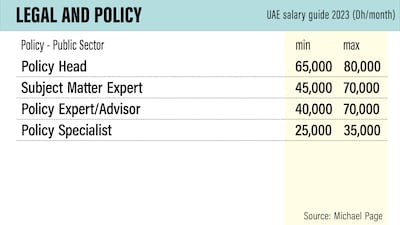
UAE salary guide 2023 -
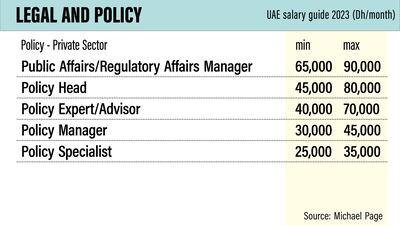
UAE salary guide 2023 -
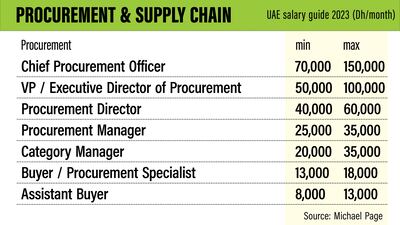
UAE salary guide 2023 -
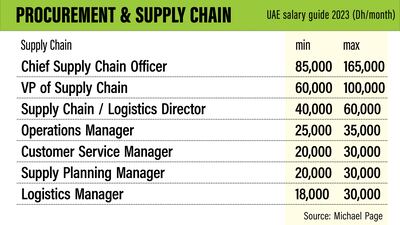
UAE salary guide 2023 -
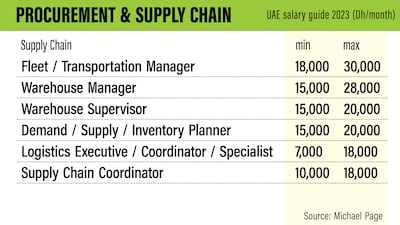
UAE salary guide 2023 -

UAE salary guide 2023 -
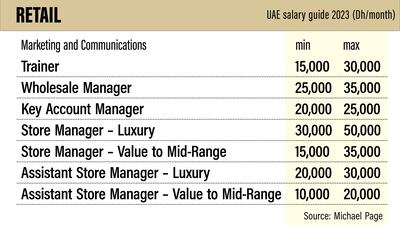
UAE salary guide 2023 -

UAE salary guide 2023 -
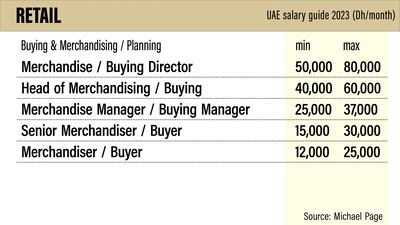
UAE salary guide 2023 -
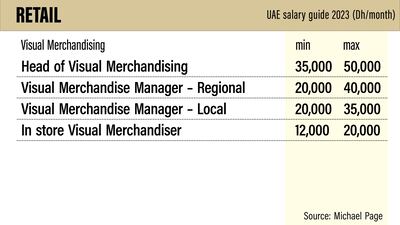
UAE salary guide 2023 -

UAE salary guide 2023 -

UAE salary guide 2023 -

UAE salary guide 2023 -

UAE salary guide 2023 -
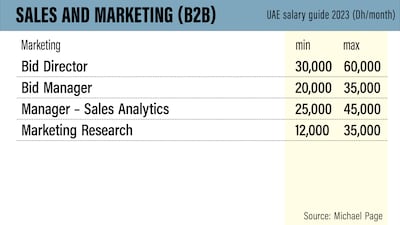
UAE salary guide 2023 -
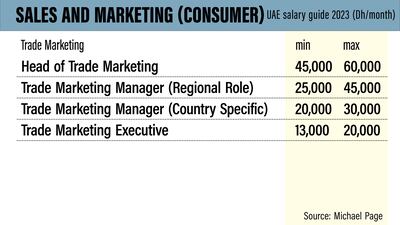
UAE salary guide 2023 -
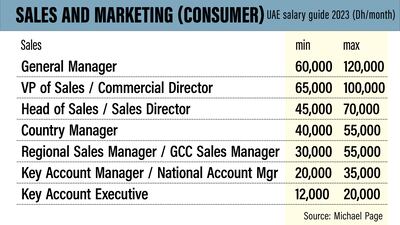
UAE salary guide 2023 -

UAE salary guide 2023 -

UAE salary guide 2023 -
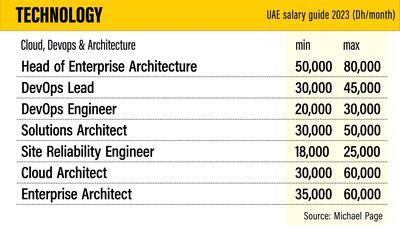
UAE salary guide 2023 -
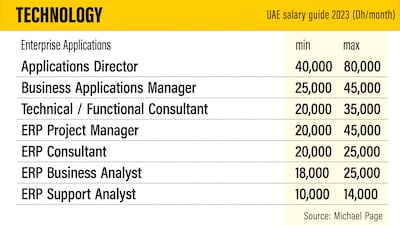
UAE salary guide 2023 -
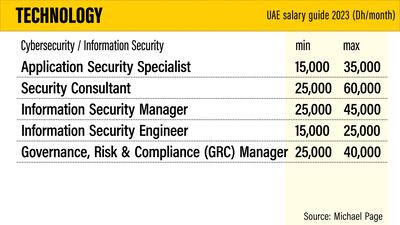
UAE salary guide 2023 -
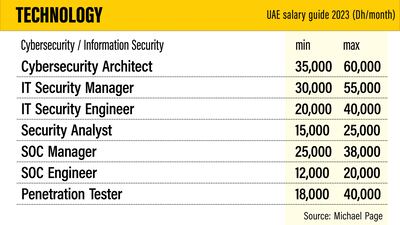
UAE salary guide 2023 -
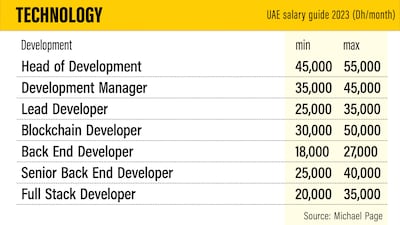
UAE salary guide 2023 -
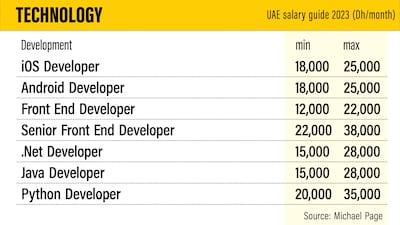
UAE salary guide 2023 -
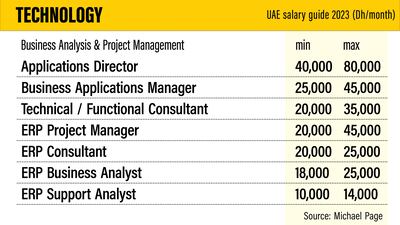
UAE salary guide 2023 -
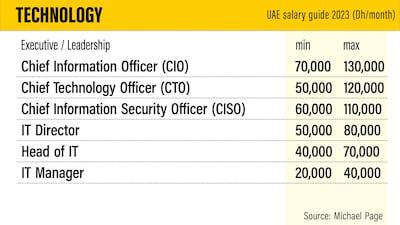
UAE salary guide 2023 -
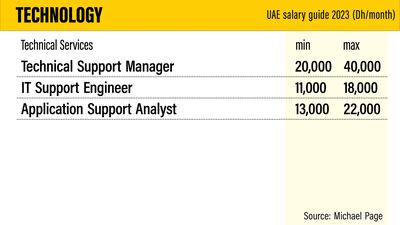
UAE salary guide 2023 -

UAE salary guide 2023 -
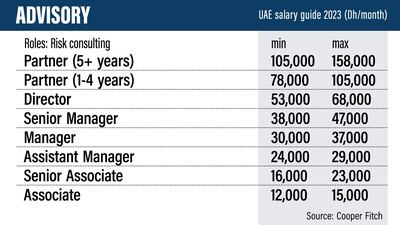
UAE salary guide 2023. -

UAE salary guide 2023. -
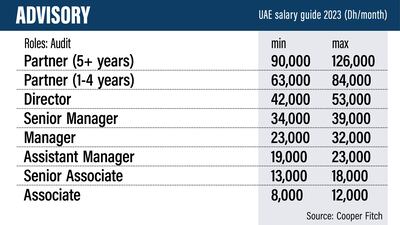
UAE salary guide 2023. -

UAE salary guide 2023 -

UAE salary guide 2023 -
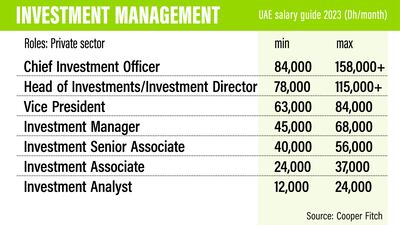
UAE salary guide 2023 -

UAE salary guide 2023 -
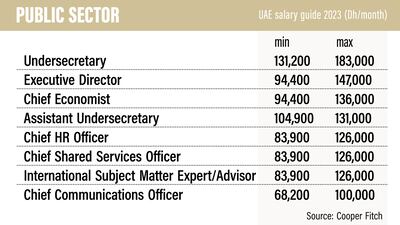
UAE salary guide 2023 -

UAE salary guide 2023 -
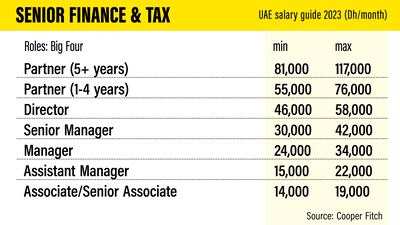
UAE salary guide 2023 -

UAE salary guide 2023 -
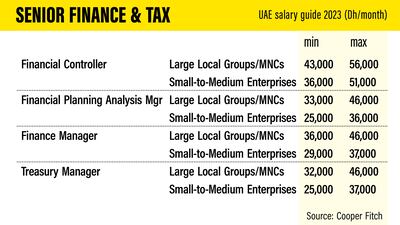
UAE salary guide 2023 -
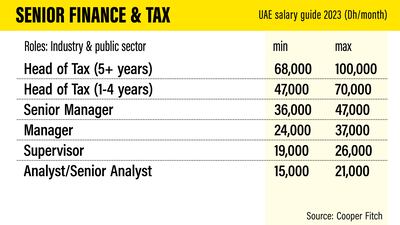
UAE salary guide 2023 -
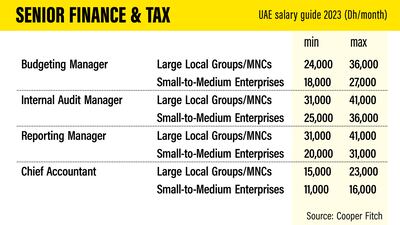
UAE salary guide 2023 -
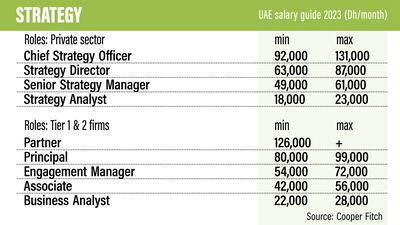
UAE salary guide 2023 -
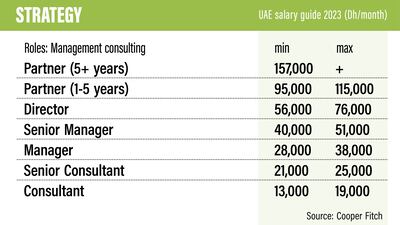
UAE salary guide 2023


“Today’s consumers deserve the ability to take ownership of their financial data and not be locked out of accessing basic services due to the siloed characteristic of our global credit reporting system,” said Collin Galster, vice president of international at Nova Credit.
“We are looking forward to taking this next step with AECB and expanding the global footprint of credit passport, so consumers around the world can experience borderless credit reporting.”
Lenders and financial institutions in the UAE welcomed the move, saying it would help new UAE residents to meet their financial needs within minutes rather than months as they build a local credit score.
“There will be more visibility on the new-to-country applicants’ credit health based on their home country credit portfolio, which will allow them to have any lending product rather than waiting for two to three months,” said Iftekhar Salim, chief executive of Appro, a FinTech app that simplifies credit applications for customers.
There are about nine million residents in the UAE, representing 200 nationalities, according to government data.
chief executive of Appro
Last September, the UAE was ranked first across the Middle East, Africa and Asia, and was among the top 10 countries around the world for residents to relocate to, a survey by health insurance company Cigna found.
Four per cent of expatriates around the world want to relocate to the UAE because of its progressive policy changes, recent visa reforms and economic rebound after Covid-19, Cigna said.
“AECB understands the importance of providing transparent and seamless access to customers’ data and offering a comprehensive view of their credit worthiness across borders,” said Farhan Mahmood, group chief risk officer of RAKBank.
“This is especially critical in the UAE market, where many expatriates seek to take advantage of their home market credit history. With advanced scorecard models, we aim to enhance our performance and offer seamless access to credit and banking services for all customers entering the UAE.”

