


Remote job postings have more than doubled in the UAE as companies adapt to changing preferences in the workforce caused by the coronavirus pandemic, research by professional network service LinkedIn has shown.
However, the biggest concern for business leaders is that employees working from home may feel it is harder to climb the career ladder, the survey found.
LinkedIn polled about 110 executive-level managers in the UAE at companies with more than 1,000 employees and $250 million annual turnover.
About 33 per cent of business leaders said a “proximity bias” may arise, where decision makers in an organisation positively favour employees who are regularly seen at work, the research found. Nearly 35 per cent said they found it difficult to trust employees to do their work and collaborate effectively when they are not physically present in the office.
“Even as most companies rethink their work models, we are seeing a rise of presenteeism that is threatening the greater flexibility we have achieved over the last 20 months,” Ali Matar, head of LinkedIn Middle East and North Africa and Europe Middle East and Africa emerging markets, said.
“The only way around this is by putting people first and making them feel included, regardless of their location.”
After the onset of Covid-19 in March last year, many organisations around the world switched to remote working to enforce physical distancing restrictions that were necessary to curb the spread of the coronavirus.
More than half of working professionals in the Mena region believe that remote working will increase after the Covid-19 pandemic has been brought under control, a recent survey by jobs site Bayt.com and market research company YouGov found.
Forty-one per cent of Mena-based employees said frequent technical glitches were one of the most common challenges associated with remote work, Bayt.com said.
About 36 per cent of respondents said they found it challenging to separate work and personal life when working remotely, while 34 per cent cited frequent interruptions and another 34 per cent were worried about how isolation could affect their mental health, the Bayt.com survey added.
Meanwhile, a LinkedIn employee sentiment survey of 1,000 workers in September found that 65 per cent of employees who work remotely in the UAE and Saudi Arabia said regardless of how productive they feel they are, they suffer from a lack of face time with colleagues and managers, which negatively impacts promotions and affects their career progression.
“Both employees and businesses will benefit from evolving workplace policies such as learning and new performance reviews metrics that prioritise people while solving for productivity at the same time,” Mr Matar said.
About 80 per cent of UAE business leaders have plans to provide guidance for what hybrid or flexible working will look like for their teams, according to the latest LinkedIn research. They cited building an inclusive culture and helping employees adapt to new working styles as their key priorities.
head of LinkedIn Mena and EMEA emerging markets
A majority of UAE business leaders (84 per cent) are optimistic that new hybrid working models will improve workforce diversity, with 64 per cent of them prioritising virtual interviews for the recruitment of top talent who traditionally would not have been able to come to the office, according to LinkedIn.
Nearly half of all leaders surveyed said they are ensuring middle management lead with empathy and trust to avoid forming any biases about where people choose to work, the research found.
-
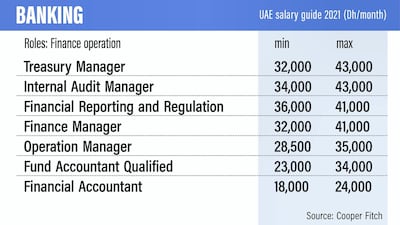
UAE Salary Guide 2021 -
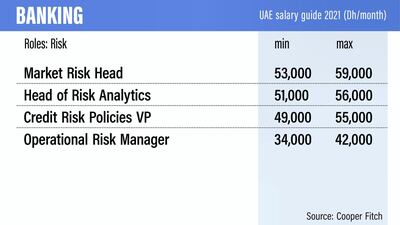
Banking -
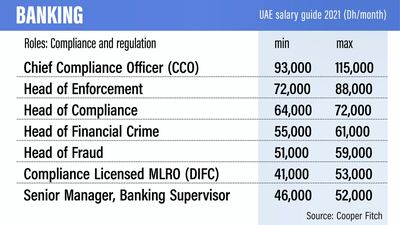
Banking -
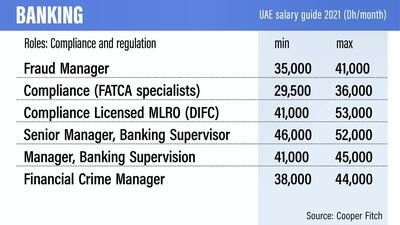
Banking -
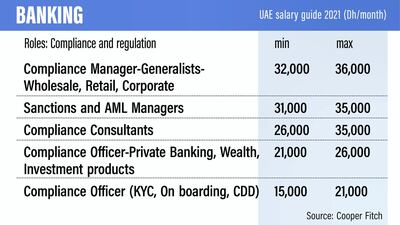
Banking -
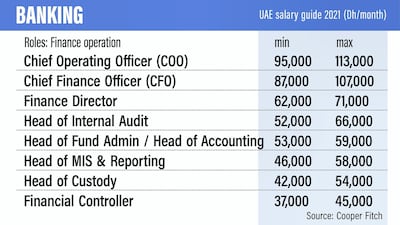
Banking -
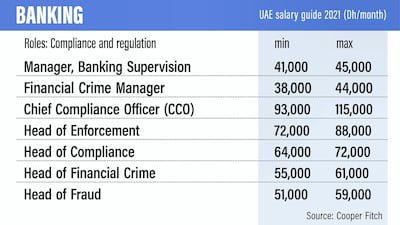
Banking -
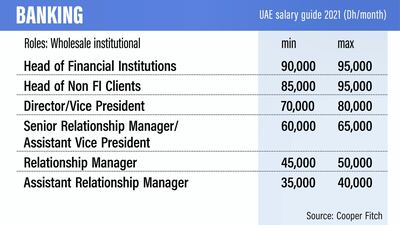
Banking -
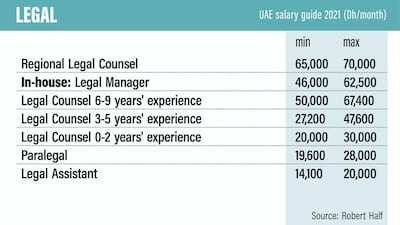
Legal -
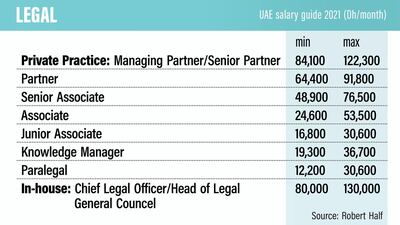
Legal -
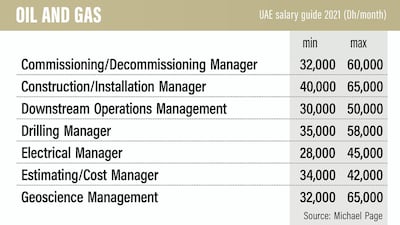
Oil and Gas -
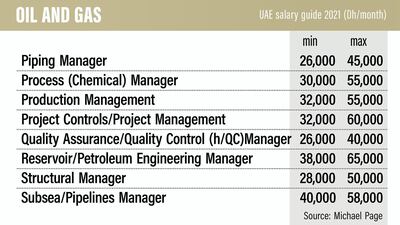
Oil and Gas -
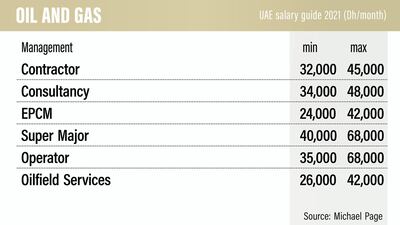
Oil and Gas -
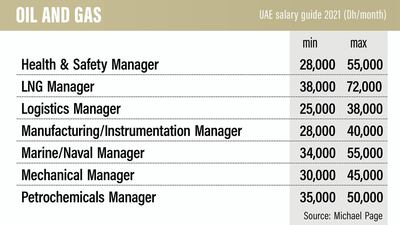
Oil and Gas -
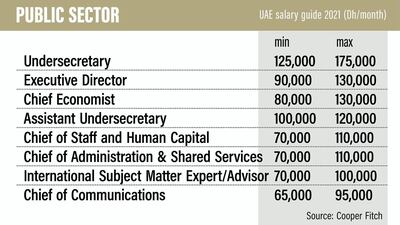
Public sector -
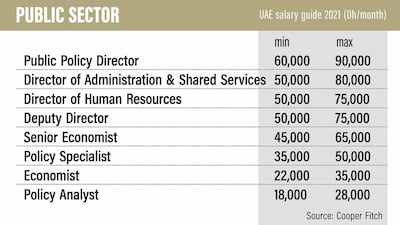
Public sector -
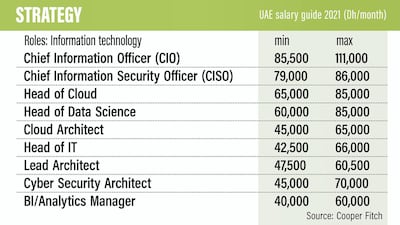
Strategy -

Strategy -
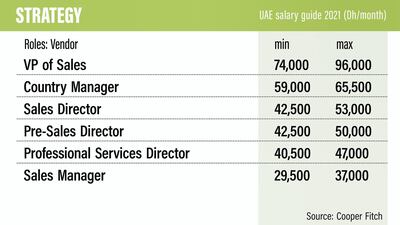
Strategy -
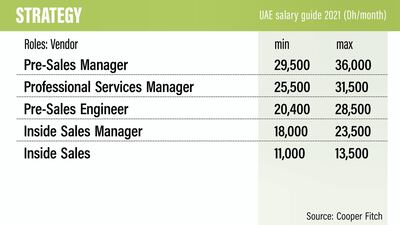
Strategy -
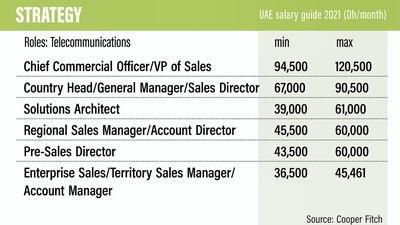
Strategy -
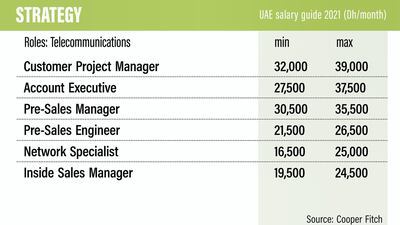
Strategy -
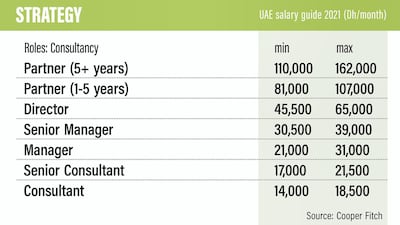
Strategy -
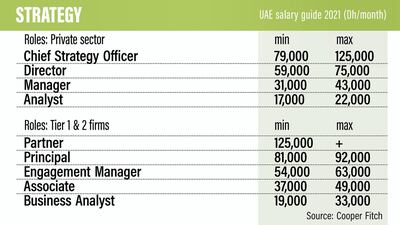
Strategy -
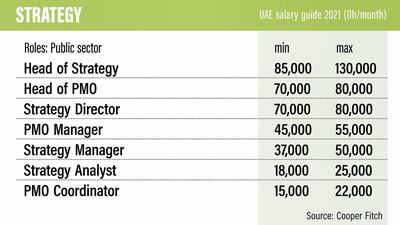
Strategy -
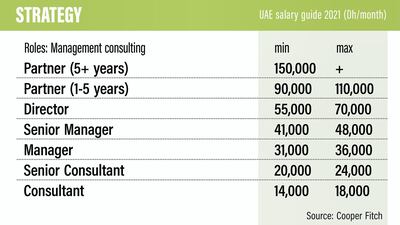
Strategy -
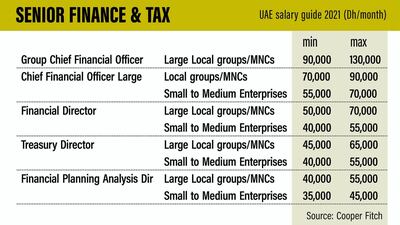
Senior finance and tax -

Senior finance and tax -

Senior finance and tax -
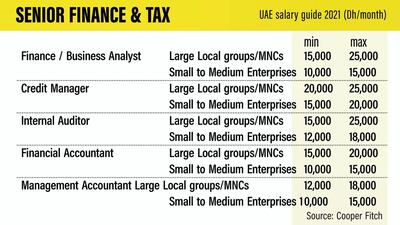
Senior finance and tax -
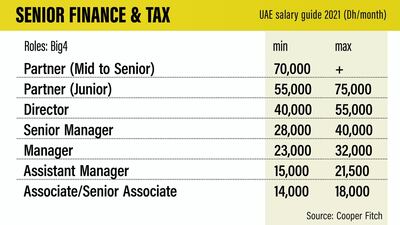
Senior finance and tax -

Senior finance and tax -
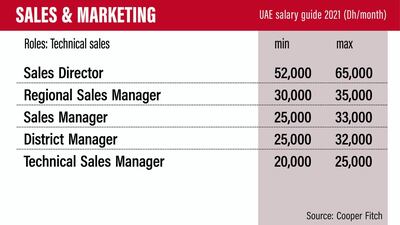
Sales and marketing -
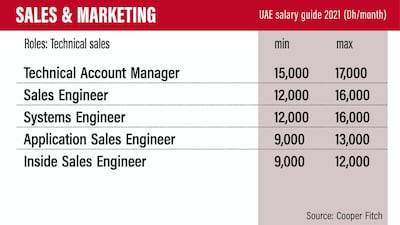
Sales and marketing -
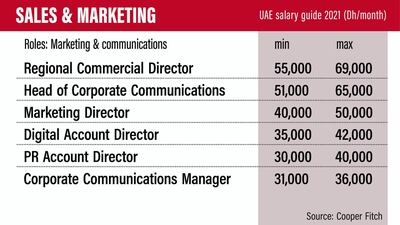
Sales and marketing -
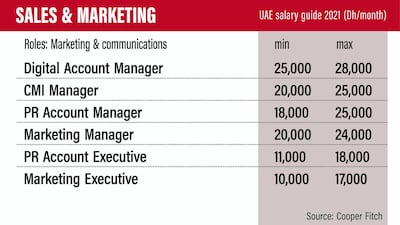
Sales and marketing -
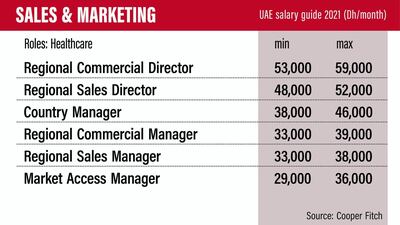
Sales and marketing -
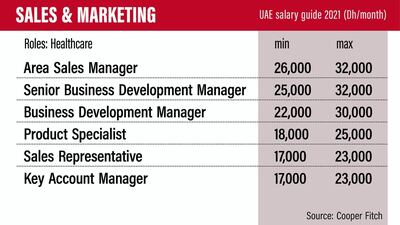
Sales and marketing -
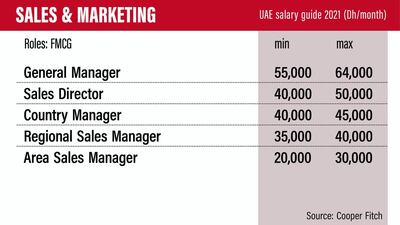
Sales and marketing -
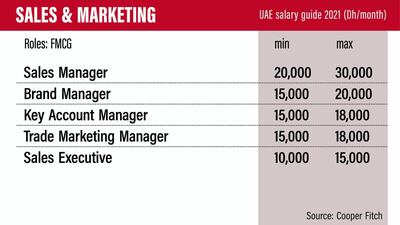
Sales and marketing -
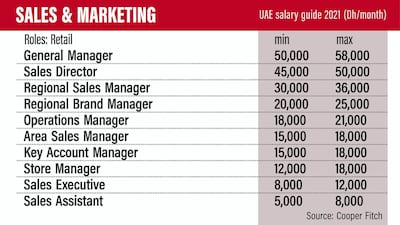
Sales and marketing -
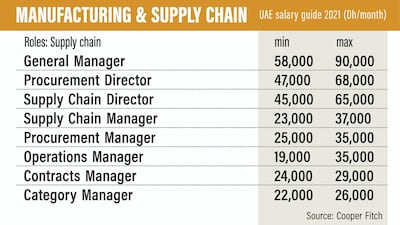
Manufacturing -
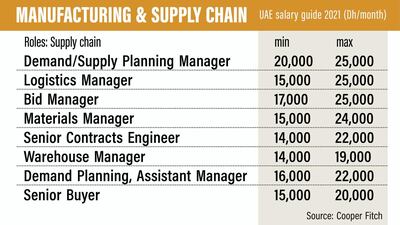
Manufacturing -
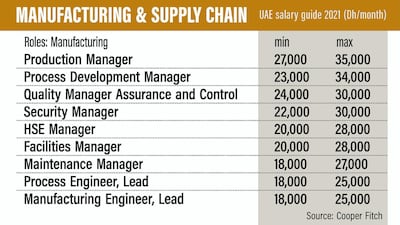
Manufacturing -
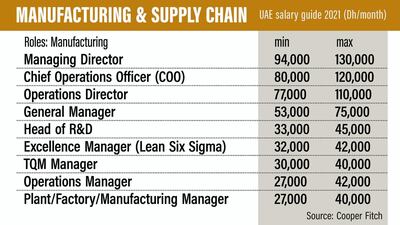
Manufacturing -
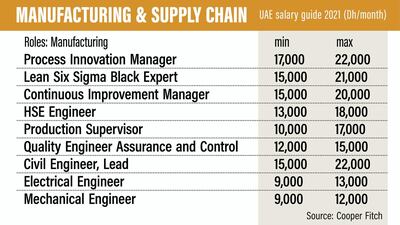
Manufacturing -
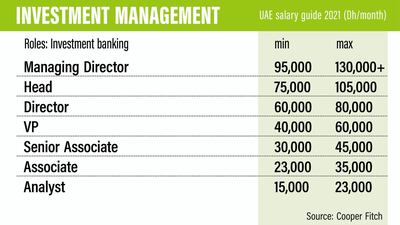
Investment management -
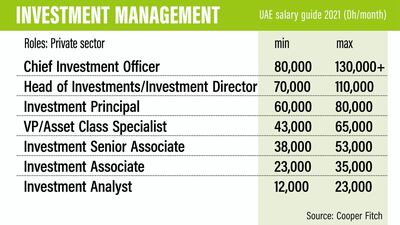
Investment management -

Investment management -
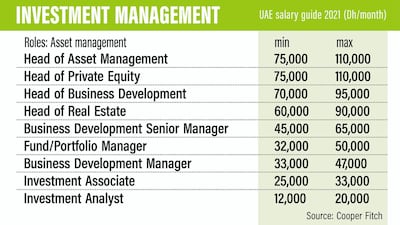
Investment management -
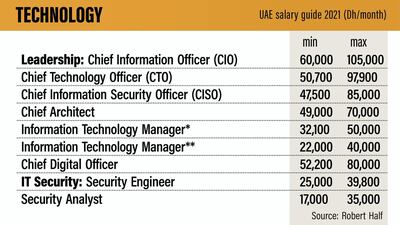
Technology -
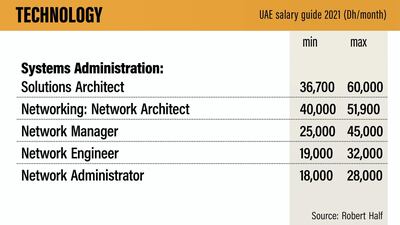
Technology -
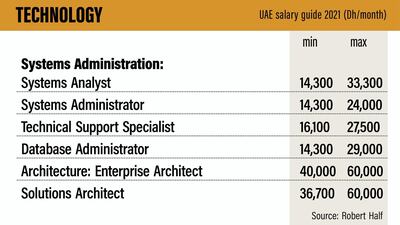
Technology -
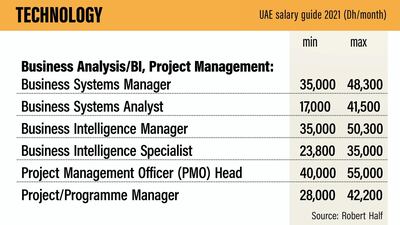
Technology -
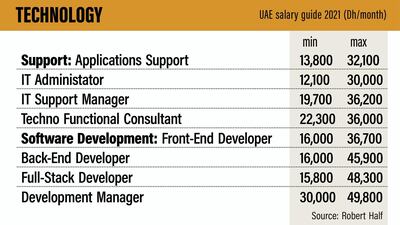
Technology -
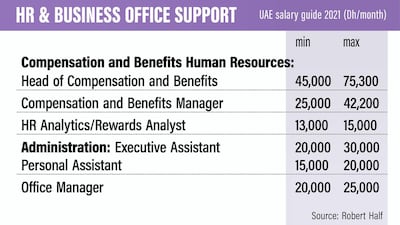
HR and office support -
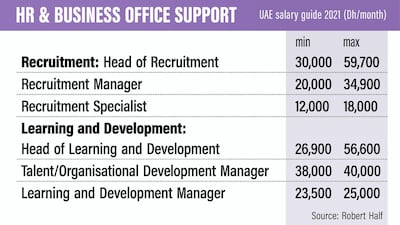
HR and office support -
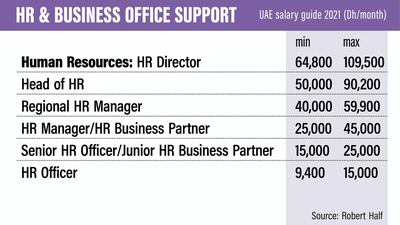
HR and office support -
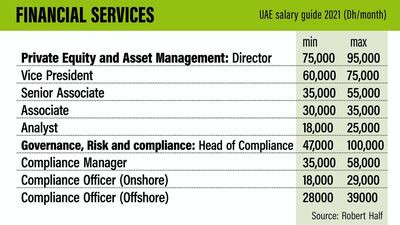
Financial services -
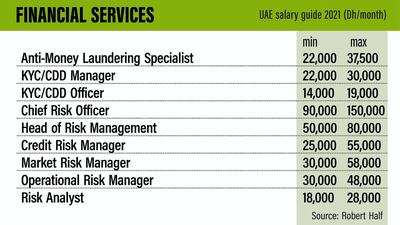
Financial services -
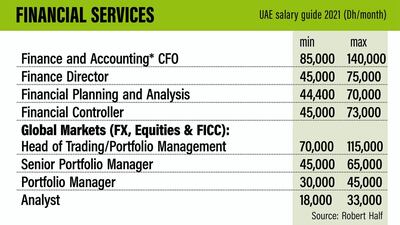
Financial services -
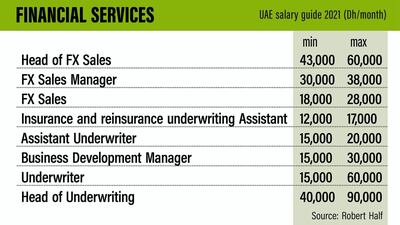
Financial services -
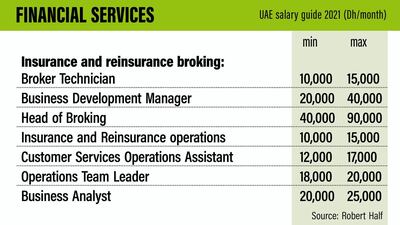
Financial services -
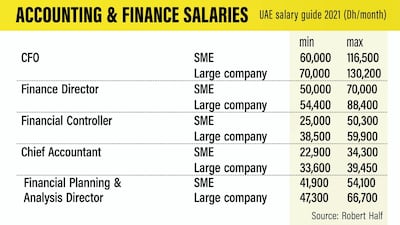
Accounting -
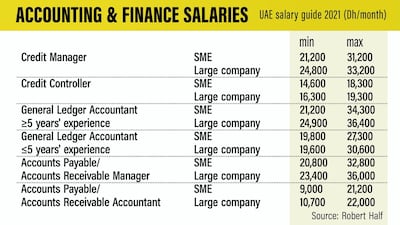
Accounting -
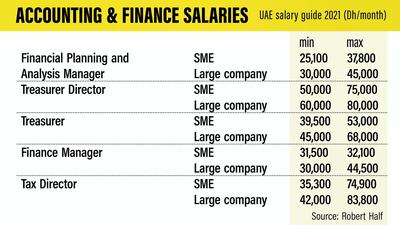
Accounting -
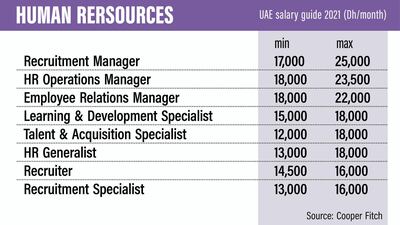
Human Resources -
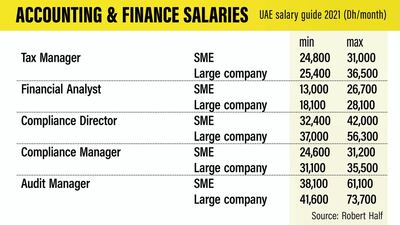
Accounting and finance salaries -
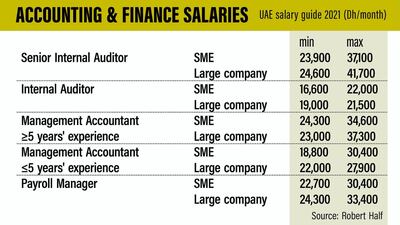
Accounting and finance salaries -

Property and construction -
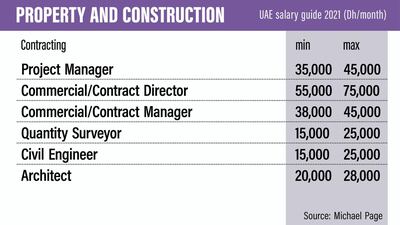
Property and construction -
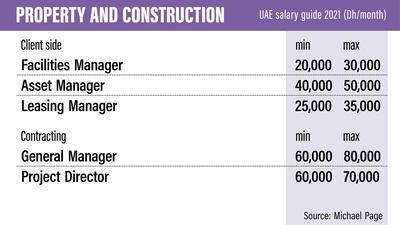
Property and construction -
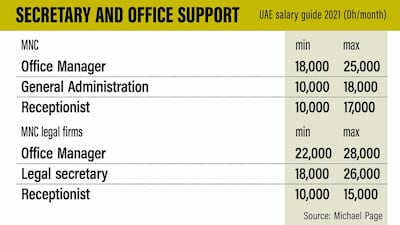
Secretary and office support -
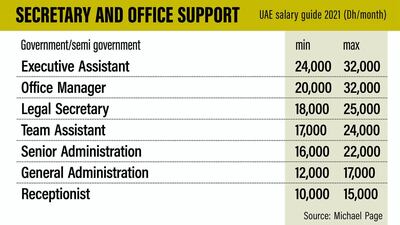
Secretary and office support -
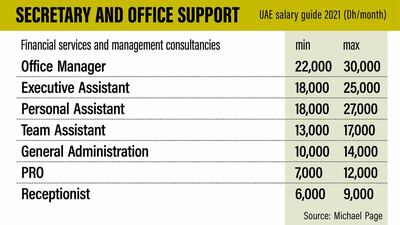
Secretary and office support -
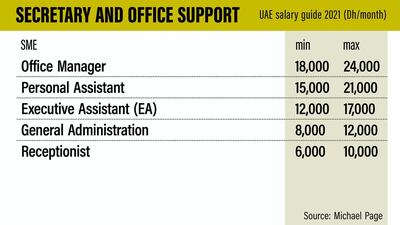
Secretary and office support -
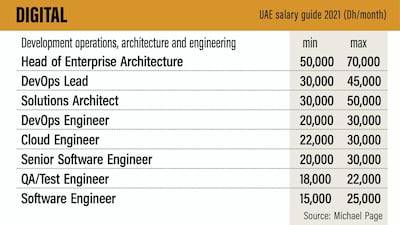
Digital -
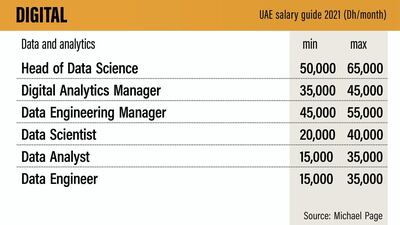
Digital -
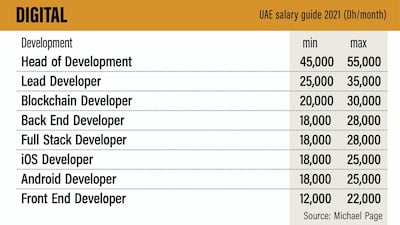
Digital -
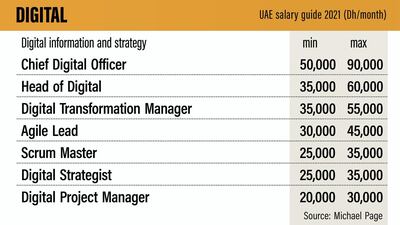
Digital -
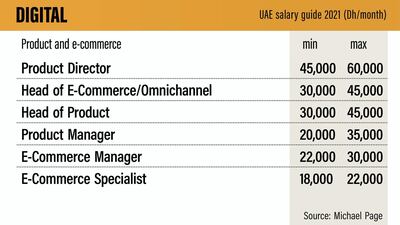
Digital -

Digital -
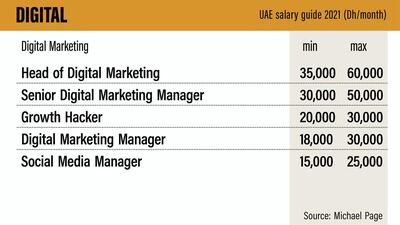
Digital -
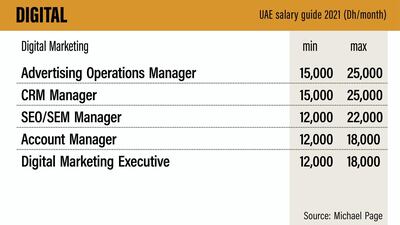
Digital



