

RELATED: US salary guide 2022: how much should you be earning?
US Federal Reserve chairman Jerome Powell outlined his most aggressive approach to taming inflation to date, potentially endorsing two or more half percentage-point interest rate increases while describing the labour market as overheated.
“I would say that 50 basis points will be on the table for the May meeting,” Mr Powell said at a panel discussion hosted by the International Monetary Fund on Thursday in Washington, which also included European Central Bank president Christine Lagarde and other officials.
Demand for workers is “too hot, you know; it is unsustainably hot", he said.
The Fed chief is taking direct aim at strong demand that the central bank wants to cool.
It is a strategy that bears considerable risk for US workers and the economy’s overall growth prospects in the coming months, as well as for the Fed itself in a year of midterm congressional elections, with inflation a major concern among ordinary Americans.
“This is going to be a very close call on whether we get a recession or not,” said Ethan Harris, head of global economics at Bank of America Securities.
“They have to get monetary policy into tight territory and they probably need to get some kind of rise in the unemployment rate.”
Mr Powell also reinforced expectations for another half-point increase in June by citing minutes from last month’s policy meeting that said many officials had noted “one or more” 50 basis-point increases could be appropriate to curb the hottest inflation in four decades.
“There is something in the idea of front-end loading” moves if appropriate, “so, that points in the direction of 50 basis points being on the table”, Mr Powell said.
Investors are betting on half-point increases in May, June and possibly July. Rising yields, in turn, have unsettled the stock market, with the S&P 500 Index closing down 1.5 per cent on Thursday.
Mr Powell’s St Louis Fed colleague James Bullard has also opened a debate about doing a more aggressive 75 basis-point increase if needed, while even normally dovish officials such as San Francisco’s Mary Daly have said that a “couple” of half-point moves look likely.
Mr Powell “approved a 50 basis-point hike in May, but I think June is also there and maybe even more”, said Yelena Shulyatyeva, senior US economist for Bloomberg Economics.
To some, it is too little, too late. Critics say that US central bankers are caught in a policy bind of their own making.
Prices began to accelerate in the fourth quarter of 2021, when employers shrugged at the latest wave of the coronavirus and added more than a 500,000 workers each month to their payrolls.
-
US salary guide 2022 - Hays -
US salary guide 2022 - Hays -

US salary guide 2022 - Hays -
US salary guide 2022 - Hays -
US salary guide 2022 - Hays -
US salary guide 2022 - Hays -
US salary guide 2022 - Hays -

US salary guide 2022 - Hays -

US salary guide 2022 - Hays -
US salary guide 2022 - Hays -
US salary guide 2022 - Hays -
US salary guide 2022 - Hays -
US salary guide 2022 - Hays -
US salary guide 2022 - Hays -
US salary guide 2022 - Hays -
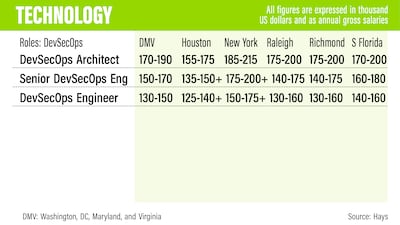
US salary guide 2022 - Hays -
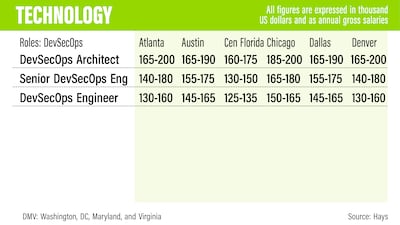
US salary guide 2022 - Hays -

US salary guide 2022 - Hays -
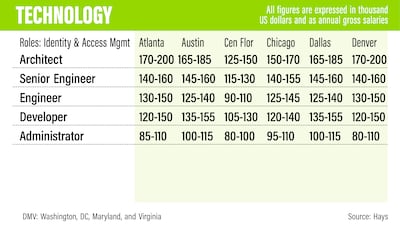
US salary guide 2022 - Hays -
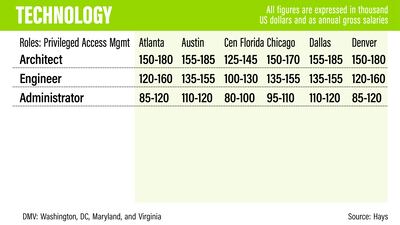
US salary guide 2022 - Hays -
US salary guide 2022 - Hays -

US salary guide 2022 - Hays -
US salary guide 2022 - Hays -
US salary guide 2022 - Hays -
US salary guide 2022 - Hays -
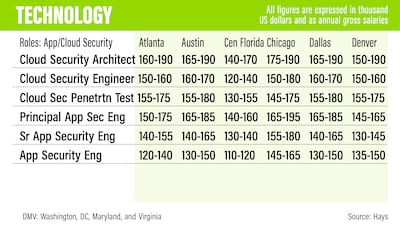
US salary guide 2022 - Hays -
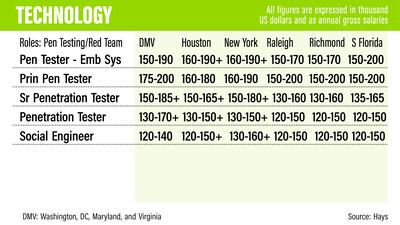
US salary guide 2022 - Hays -
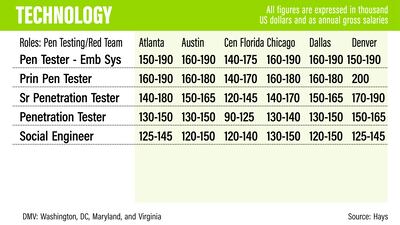
US salary guide 2022 - Hays -
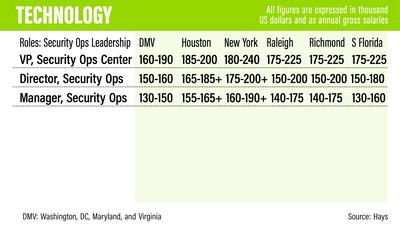
US salary guide 2022 - Hays -
US salary guide 2022 - Hays -
US salary guide 2022 - Hays -
US salary guide 2022 - Hays -
US salary guide 2022 - Hays -

US salary guide 2022 - Hays -
US salary guide 2022 - Hays -
US salary guide 2022 - Hays -
US salary guide 2022 - Hays -
US salary guide 2022 - Hays -
US salary guide 2022 - Hays -
US salary guide 2022 - Hays -
US salary guide 2022 - Hays -
US salary guide 2022 - Hays -
US salary guide 2022 - Hays -
US salary guide 2022 - Hays -
US salary guide 2022 - Hays -
US salary guide 2022 - Hays -
US salary guide 2022 - Hays -
US salary guide 2022 - Hays -
US salary guide 2022 - Hays -
US salary guide 2022 - Hays -
US salary guide 2022 - Hays -

US salary guide 2022 - Hays -
US salary guide 2022 - Hays -
US salary guide 2022 - Hays -
US salary guide 2022 - Hays -
US salary guide 2022 - Hays -
US salary guide 2022 - Hays -
US salary guide 2022 - Hays -
US salary guide 2022 - Hays -
US salary guide 2022 - Hays -
US salary guide 2022 - Hays -
US salary guide 2022 - Hays -
US salary guide 2022 - Hays -
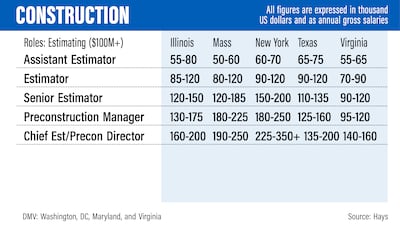
US salary guide 2022 - Hays -
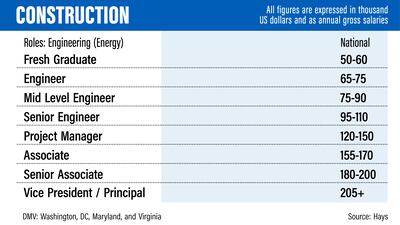
US salary guide 2022 - Hays -

US salary guide 2022 - Hays -
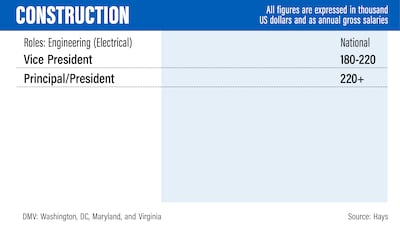
US salary guide 2022 - Hays -
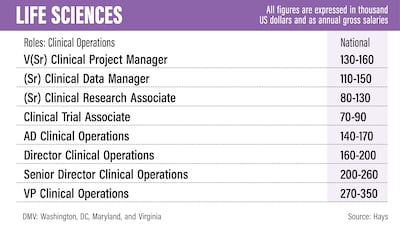
US salary guide 2022 - Hays -

US salary guide 2022 - Hays -
US salary guide 2022 - Hays -
US salary guide 2022 - Hays -
US salary guide 2022 - Hays -
US salary guide 2022 - Hays -
US salary guide 2022 - Hays -
US salary guide 2022 - Hays -
US salary guide 2022 - Hays -
US salary guide 2022 - Hays -

US salary guide 2022 - Hays


Wage gains picked up and demand strengthened, broadening inflation pressures throughout the economy even as the Fed continued to add stimulus by holding rates near zero and buying bonds.
Policymakers last year wanted to avoid pre-emptive tightening but the combination of fiscal stimulus, monetary support and a bounce-back in demand put them behind inflation pressures that were well under way.
The consumer price index rose 8.5 per cent in March from a year earlier, the most since 1981; the Fed’s target is based on a separate measure known as the personal consumption expenditures price index, which rose 6.4 per cent for the year through February.
Russia’s military offensive in Ukraine is expected to raise food and energy prices further.

Now, Fed officials are scrambling to raise interest rates to a level that does not add further stimulus, and possibly push forward into restrictive territory.
The Fed will no longer forecast relief from goods prices and improving supply chains, Mr Powell said, which could be an acknowledgement that pressures have also disbursed into service prices as well.
“I just don’t understand why they did this,” Mr Harris said. “They had many chances to take the off-ramp and they never did.”
Another uncertainty in policy strategy is what happens to financial conditions when officials start running assets off their balance sheet.
Fed officials have signalled this process will be announced in May, with the run-off stepping up to $95 billion a month combined for Treasuries and mortgage-backed securities.
There is no reliable estimate about how much tightening the run-off will add, Ms Shulyatyeva said.

