The health-conscious know the importance of trace elements in vitamins for their overall health and well-being.
Similarly, copper is essential to the vitality of the world economy — increasingly so, with the turn to new energy systems. The trace element's weak price is a warning sign, both for immediate prospects and for the long-term energy transition.
Copper is the best conductor of electricity among common materials — only silver, which is much more expensive, is superior.
It is, therefore, a vital component of electric wiring and motors. As electricity rises from 20 per cent of final energy use to 50 per cent after mid-century, the need for the red metal will grow.
A battery vehicle needs about two-and-a-half times as much copper as a traditional car.
Long-distance transmission will be needed to bring electricity from remote wind, solar and hydroelectric sites. Stronger local grids will be required to accommodate electric vehicle charging and rooftop solar installations.
These factors mean that current demand of about 25 million tonnes a year will almost double by 2035. It is no exaggeration to say that the success of the energy transition hinges on whether we can supply enough copper.
Yet despite this importance, copper does not feature on either the EU or US lists of “critical minerals”.
It is very different from materials such as lithium, cobalt and rare earths.
It is already a large global market — not as big as steel, but bigger than aluminium, and worth almost $300 billion last year. By comparison, cobalt was worth less than $10bn and the much-hyped rare earths below $3bn.
Unlike many of these speciality minerals, copper has few good substitutes. Aluminium can replace it in some applications, such as transmission wires, but is less conductive, bulkier, more energy-intensive to produce and needs more maintenance.
Most of copper's uses today are not energy transition-related, unlike the emerging niche minerals. And some other useful energy transition metals — including silver, gold, nickel and tellurium — are by-products or found in association with copper.
The metal the Romans called cuprum took its name from the island of Cyprus, and has been dug for extensively since antiquity.
There is no shortage of resources, but new mines exploit ores that contain less than 1 per cent of copper. Compare this to the 19th century, when rich deposits held up to 10 per cent of the metal.
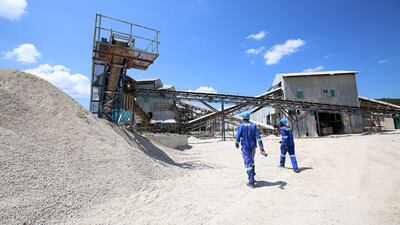
Mining, grinding and processing so much waste material raises costs, energy and water use, and environmental disruption.
Chile and Peru dominate global copper mining, while the Democratic Republic of Congo and Zambia are also important. Mexico is another significant resource holder.
In Latin American countries, mines are frequently blocked by workers’ strikes and by protesters seeking greater community benefits and environmental restoration.
_____________
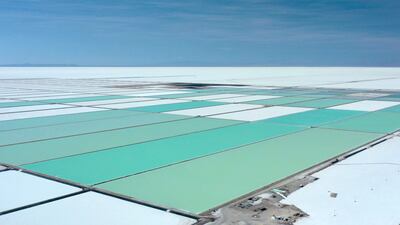
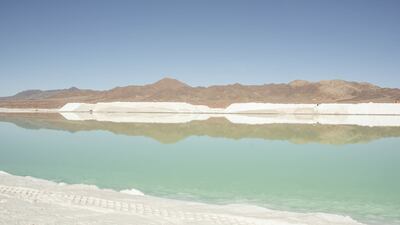
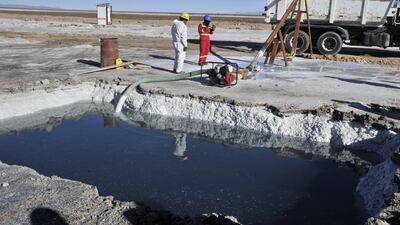
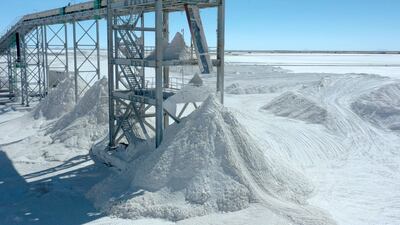
Lithium mining — in pictures
The DRC and Zambia have suffered insecurity and operational problems. Power and water shortages affect many sites.
Last month, Newmont delayed plans for a major new copper and gold mine in Peru.
The conflict in Ukraine does not help. Russia is not a top copper miner but it does produce about 5 per cent of the global total, with two big new mines under development, but exports and output growth could be hampered by sanctions.
The US and European governments have strategic goals to boost self-sufficiency and green energy.
Yet, mining locations in Europe and the US are hampered by community and environmental opposition. One major project in Minnesota is held up by pollution concerns, while another in the state was effectively cancelled in January.
Even under favourable conditions, new mines take a decade or more to open and forecast demand will require hundreds of billions of dollars of investment, while capital expenditure by leading miners is at barely half its peak levels of 2012-2013 after a decade of overspending and poor financial returns.
It is already a large global market – not as big as steel, but bigger than aluminium, and worth almost $300 billion last year
Robin Mills,
chief executive of Qamar Energy
Recycling is already an important source of copper and will grow further as government and corporate attention rises, the stock of old equipment expands and shortages make it more profitable.
But it will still be insufficient to meet longer-term demand.
This looming tightness is not registering in the market today. Copper prices enjoyed a strong run-up from $2 per pound in the depths of the pandemic to $4.85 in May last year.
But they slumped in April and again in June and now languish at around $3.40. This is well above the typical price of the 1990s, but, allowing for inflation, only about the average for the boom era of 2003 onwards.
Why are prices relatively weak while the supply-demand outlook appears so strained? China is, as so often, the key commodity country.
It accounts for about 10 per cent of world copper mining, but around half of smelting and use. This concentration is a longer-term concern for Beijing’s global adversaries.
For now, though, China’s property slump, its continuing Covid lockdowns and more general concerns over global economic conditions, are keeping prices down.
This further deters investment in new mining. A squeeze on supplies appearing in the late 2020s and growing most acute in the mid-2030s is not enough to engage attention today.
Could this be an opportunity for the Middle East?
The likelihood and timing of “net-zero carbon” pathways, diminishing fossil-fuel demand, need to be weighed against potential copper shortages.
Hydrogen-powered vehicles, at least for heavy freight, might be preferable to copper-hungry battery-powered lorries.
In the GCC, Saudi Arabia and Oman have substantial reserves and are developing new mines. The region’s abundance of low-cost, low-carbon gas and electricity could make it a good location for copper smelting, refining and recycling.
The world currently feels the pain of fossil-fuel supply falling short of demand. Electric vehicles, batteries and renewable energies are supposed to be the solution.
Governments and companies must diagnose the problem correctly — and ensure the patient gets enough copper.
Robin M Mills is chief executive of Qamar Energy and author of The Myth of the Oil Crisis

Tu%20Jhoothi%20Main%20Makkaar%20
%3Cp%3E%3Cstrong%3EDirector%3A%20%3C%2Fstrong%3ELuv%20Ranjan%26nbsp%3B%3C%2Fp%3E%0A%3Cp%3E%3Cstrong%3EStars%3A%20%3C%2Fstrong%3ERanbir%20Kapoor%2C%20Shraddha%20Kapoor%2C%20Anubhav%20Singh%20Bassi%20and%20Dimple%20Kapadia%3C%2Fp%3E%0A%3Cp%3E%3Cstrong%3ERating%3A%3C%2Fstrong%3E%203%2F5%3C%2Fp%3E%0A
The specs: 2017 Dodge Ram 1500 Laramie Longhorn
Price, base / as tested: Dhxxx
Engine: 5.7L V8
Transmission: Eight-speed automatic
Power: 395hp @ 5,600rpm
Torque: 556Nm @ 3,950rpm
Fuel economy, combined: 12.7L / 100km
Other workplace saving schemes
- The UAE government announced a retirement savings plan for private and free zone sector employees in 2023.
- Dubai’s savings retirement scheme for foreign employees working in the emirate’s government and public sector came into effect in 2022.
- National Bonds unveiled a Golden Pension Scheme in 2022 to help private-sector foreign employees with their financial planning.
- In April 2021, Hayah Insurance unveiled a workplace savings plan to help UAE employees save for their retirement.
- Lunate, an Abu Dhabi-based investment manager, has launched a fund that will allow UAE private companies to offer employees investment returns on end-of-service benefits.
UAE currency: the story behind the money in your pockets
%E2%80%98White%20Elephant%E2%80%99
%3Cp%3E%3Cstrong%3EDirector%3A%3C%2Fstrong%3E%20Jesse%20V%20Johnson%3Cbr%3E%3Cstrong%3EStars%3A%3C%2Fstrong%3E%20Michael%20Rooker%2C%20Bruce%20Willis%2C%20John%20Malkovich%2C%20Olga%20Kurylenko%3Cbr%3E%3Cstrong%3ERating%3A%3C%2Fstrong%3E%203%2F5%3C%2Fp%3E%0A
'Spies in Disguise'
Director: Nick Bruno and Troy Quane
Stars: Will Smith, Tom Holland, Karen Gillan and Roshida Jones
Rating: 4 out of 5 stars
UAE WARRIORS RESULTS
Featherweight
Azouz Anwar (EGY) beat Marcelo Pontes (BRA)
TKO round 2
Catchweight 90kg
Moustafa Rashid Nada (KSA) beat Imad Al Howayeck (LEB)
Split points decision
Welterweight
Gimbat Ismailov (RUS) beat Mohammed Al Khatib (JOR)
TKO round 1
Flyweight (women)
Lucie Bertaud (FRA) beat Kelig Pinson (BEL)
Unanimous points decision
Lightweight
Alexandru Chitoran (ROU) beat Regelo Enumerables Jr (PHI)
TKO round 1
Catchweight 100kg
Marc Vleiger (NED) beat Mohamed Ali (EGY)
Rear neck choke round 1
Featherweight
James Bishop (NZ) beat Mark Valerio (PHI)
TKO round 2
Welterweight
Abdelghani Saber (EGY) beat Gerson Carvalho (BRA)
TKO round 1
Middleweight
Bakhtiyar Abbasov (AZE) beat Igor Litoshik (BLR)
Unanimous points decision
Bantamweight
Fabio Mello (BRA) beat Mark Alcoba (PHI)
Unanimous points decision
Welterweight
Ahmed Labban (LEB) v Magomedsultan Magomedsultanov (RUS)
TKO round 1
Bantamweight
Trent Girdham (AUS) beat Jayson Margallo (PHI)
TKO round 3
Lightweight
Usman Nurmagomedov (RUS) beat Roman Golovinov (UKR)
TKO round 1
Middleweight
Tarek Suleiman (SYR) beat Steve Kennedy (AUS)
Submission round 2
Lightweight
Dan Moret (USA) v Anton Kuivanen (FIN)
TKO round 2
Who's who in Yemen conflict
Houthis: Iran-backed rebels who occupy Sanaa and run unrecognised government
Yemeni government: Exiled government in Aden led by eight-member Presidential Leadership Council
Southern Transitional Council: Faction in Yemeni government that seeks autonomy for the south
Habrish 'rebels': Tribal-backed forces feuding with STC over control of oil in government territory
Mercer, the investment consulting arm of US services company Marsh & McLennan, expects its wealth division to at least double its assets under management (AUM) in the Middle East as wealth in the region continues to grow despite economic headwinds, a company official said.
Mercer Wealth, which globally has $160 billion in AUM, plans to boost its AUM in the region to $2-$3bn in the next 2-3 years from the present $1bn, said Yasir AbuShaban, a Dubai-based principal with Mercer Wealth.
“Within the next two to three years, we are looking at reaching $2 to $3 billion as a conservative estimate and we do see an opportunity to do so,” said Mr AbuShaban.
Mercer does not directly make investments, but allocates clients’ money they have discretion to, to professional asset managers. They also provide advice to clients.
“We have buying power. We can negotiate on their (client’s) behalf with asset managers to provide them lower fees than they otherwise would have to get on their own,” he added.
Mercer Wealth’s clients include sovereign wealth funds, family offices, and insurance companies among others.
From its office in Dubai, Mercer also looks after Africa, India and Turkey, where they also see opportunity for growth.
Wealth creation in Middle East and Africa (MEA) grew 8.5 per cent to $8.1 trillion last year from $7.5tn in 2015, higher than last year’s global average of 6 per cent and the second-highest growth in a region after Asia-Pacific which grew 9.9 per cent, according to consultancy Boston Consulting Group (BCG). In the region, where wealth grew just 1.9 per cent in 2015 compared with 2014, a pickup in oil prices has helped in wealth generation.
BCG is forecasting MEA wealth will rise to $12tn by 2021, growing at an annual average of 8 per cent.
Drivers of wealth generation in the region will be split evenly between new wealth creation and growth of performance of existing assets, according to BCG.
Another general trend in the region is clients’ looking for a comprehensive approach to investing, according to Mr AbuShaban.
“Institutional investors or some of the families are seeing a slowdown in the available capital they have to invest and in that sense they are looking at optimizing the way they manage their portfolios and making sure they are not investing haphazardly and different parts of their investment are working together,” said Mr AbuShaban.
Some clients also have a higher appetite for risk, given the low interest-rate environment that does not provide enough yield for some institutional investors. These clients are keen to invest in illiquid assets, such as private equity and infrastructure.
“What we have seen is a desire for higher returns in what has been a low-return environment specifically in various fixed income or bonds,” he said.
“In this environment, we have seen a de facto increase in the risk that clients are taking in things like illiquid investments, private equity investments, infrastructure and private debt, those kind of investments were higher illiquidity results in incrementally higher returns.”
The Abu Dhabi Investment Authority, one of the largest sovereign wealth funds, said in its 2016 report that has gradually increased its exposure in direct private equity and private credit transactions, mainly in Asian markets and especially in China and India. The authority’s private equity department focused on structured equities owing to “their defensive characteristics.”
MATCH INFO
World Cup qualifier
Thailand 2 (Dangda 26', Panya 51')
UAE 1 (Mabkhout 45 2')
SPEC%20SHEET%3A%20NOTHING%20PHONE%20(2A)
%3Cp%3E%3Cstrong%3EDisplay%3A%3C%2Fstrong%3E%206.7-inch%20flexible%20Amoled%2C%202%2C412%20x%201%2C080%2C%20394ppi%2C%20120Hz%2C%20Corning%20Gorilla%20Glass%205%3C%2Fp%3E%0A%3Cp%3E%3Cstrong%3EProcessor%3A%3C%2Fstrong%3E%20MediaTek%20Dimensity%207%2C200%20Pro%2C%204nm%2C%20octa-core%3C%2Fp%3E%0A%3Cp%3E%3Cstrong%3EMemory%3A%3C%2Fstrong%3E%208%2F12GB%3C%2Fp%3E%0A%3Cp%3E%3Cstrong%3ECapacity%3A%3C%2Fstrong%3E%20128%2F256GB%3C%2Fp%3E%0A%3Cp%3E%3Cstrong%3EPlatform%3A%3C%2Fstrong%3E%20Android%2014%2C%20Nothing%20OS%202.5%3C%2Fp%3E%0A%3Cp%3E%3Cstrong%3EMain%20camera%3A%3C%2Fstrong%3E%20Dual%2050MP%20main%2C%20f%2F1.88%20%2B%2050MP%20ultra-wide%2C%20f%2F2.2%3B%20OIS%2C%20EIS%2C%20auto-focus%2C%20ultra%20XDR%2C%20night%20mode%3C%2Fp%3E%0A%3Cp%3E%3Cstrong%3EMain%20camera%20video%3A%3C%2Fstrong%3E%204K%20%40%2030fps%2C%20full-HD%20%40%2060fps%3B%20slo-mo%20full-HD%20at%20120fps%3C%2Fp%3E%0A%3Cp%3E%3Cstrong%3EFront%20camera%3A%3C%2Fstrong%3E%2032MP%20wide%2C%20f%2F2.2%3C%2Fp%3E%0A%3Cp%3E%3Cstrong%3EBattery%3A%3C%2Fstrong%3E%205%2C000mAh%3B%2050%25%20in%2030%20minutes%20with%2045-watt%20charger%3C%2Fp%3E%0A%3Cp%3E%3Cstrong%3EConnectivity%3A%3C%2Fstrong%3E%20Wi-Fi%2C%20Bluetooth%205.3%2C%20NFC%20(Google%20Pay)%3C%2Fp%3E%0A%3Cp%3E%3Cstrong%3EBiometrics%3A%3C%2Fstrong%3E%20Fingerprint%2C%20face%20unlock%3C%2Fp%3E%0A%3Cp%3E%3Cstrong%3EI%2FO%3A%3C%2Fstrong%3E%20USB-C%3C%2Fp%3E%0A%3Cp%3E%3Cstrong%3EDurability%3A%3C%2Fstrong%3E%20IP54%2C%20limited%20protection%20from%20water%2Fdust%3C%2Fp%3E%0A%3Cp%3E%3Cstrong%3ECards%3A%3C%2Fstrong%3E%20Dual-nano%20SIM%3C%2Fp%3E%0A%3Cp%3E%3Cstrong%3EColours%3A%3C%2Fstrong%3E%20Black%2C%20milk%2C%20white%3C%2Fp%3E%0A%3Cp%3E%3Cstrong%3EIn%20the%20box%3A%3C%2Fstrong%3E%20Nothing%20Phone%20(2a)%2C%20USB-C-to-USB-C%20cable%2C%20pre-applied%20screen%20protector%2C%20Sim%20tray%20ejector%20tool%3C%2Fp%3E%0A%3Cp%3E%3Cstrong%3EPrice%20(UAE)%3A%3C%2Fstrong%3E%20Dh1%2C199%20(8GB%2F128GB)%20%2F%20Dh1%2C399%20(12GB%2F256GB)%3C%2Fp%3E%0A
SPEC%20SHEET%3A%20SAMSUNG%20GALAXY%20Z%20FLIP%204
%3Cp%3E%3Cstrong%3EDisplay%3A%20%3C%2Fstrong%3EMain%20%E2%80%93%206.7%22%20FHD%20Dynamic%20Amoled%202X%2C%202640%20x%201080%2C%2022%3A9%2C%20425ppi%2C%20HDR10%2B%2C%20up%20to%20120Hz%3B%20cover%20%E2%80%93%201.9%22%20Super%20Amoled%2C%20512%20x%20260%2C%20302ppi%3C%2Fp%3E%0A%3Cp%3E%3Cstrong%3EProcessor%3A%3C%2Fstrong%3E%20Qualcomm%20Snapdragon%208%2B%20Gen%201%2C%204nm%2C%20octa-core%3B%20Adreno%20730%20GPU%3C%2Fp%3E%0A%3Cp%3E%3Cstrong%3EMemory%3A%3C%2Fstrong%3E%208GB%3C%2Fp%3E%0A%3Cp%3E%3Cstrong%3ECapacity%3A%3C%2Fstrong%3E%20128%2F256%2F512GB%3C%2Fp%3E%0A%3Cp%3E%3Cstrong%3EPlatform%3A%3C%2Fstrong%3E%20Android%2012%2C%20One%20UI%204.1.1%3C%2Fp%3E%0A%3Cp%3E%3Cstrong%3EMain%20camera%3A%3C%2Fstrong%3E%20Dual%2012MP%20ultra-wide%20(f%2F2.2)%20%2B%2012MP%20wide%20(f%2F1.8)%2C%20OIS%2C%20portrait%2C%20super%20slo-mo%2C%20hyperlapse%3C%2Fp%3E%0A%3Cp%3E%3Cstrong%3EVideo%3A%3C%2Fstrong%3E%204K%4030%2F60fps%2C%20full-HD%4030%2F60fps%2C%20HD%4030fps%3B%20slo-mo%40240%2F960fps%3B%20HDR10%2B%3C%2Fp%3E%0A%3Cp%3E%3Cstrong%3EFront%20camera%3A%3C%2Fstrong%3E%2010MP%20(f%2F2.4)%3C%2Fp%3E%0A%3Cp%3E%3Cstrong%3EBattery%3A%3C%2Fstrong%3E%203700mAh%2C%2025W%20fast%20charging%2C%2015W%20wireless%20charging%2C%20reverse%20wireless%20charging%2C%20'all-day'%20life%3C%2Fp%3E%0A%3Cp%3E%3Cstrong%3EConnectivity%3A%3C%2Fstrong%3E%205G%3B%20Wi-Fi%2C%20Bluetooth%205.2%2C%20NFC%20(Samsung%20Pay)%3C%2Fp%3E%0A%3Cp%3E%3Cstrong%3EI%2FO%3A%3C%2Fstrong%3E%20USB-C%3C%2Fp%3E%0A%3Cp%3E%3Cstrong%3ECards%3A%3C%2Fstrong%3E%20Nano-SIM%20%2B%20eSIM%3B%20no%20microSD%20slot%3C%2Fp%3E%0A%3Cp%3E%3Cstrong%3EColours%3A%3C%2Fstrong%3E%20Bora%20purple%2C%20graphite%2C%20pink%20gold%2C%20blue%3B%20Bespoke%20Edition%20in%20select%20countries%3C%2Fp%3E%0A%3Cp%3E%3Cstrong%3EIn%20the%20box%3A%3C%2Fstrong%3E%20Flip%204%2C%20USB-C-to-USB-C%20cable%3C%2Fp%3E%0A%3Cp%3E%3Cstrong%3EPrice%3A%3C%2Fstrong%3E%20Dh3%2C799%20%2F%20Dh3%2C999%20%2F%20Dh4%2C449%3C%2Fp%3E%0A
yallacompare profile
Date of launch: 2014
Founder: Jon Richards, founder and chief executive; Samer Chebab, co-founder and chief operating officer, and Jonathan Rawlings, co-founder and chief financial officer
Based: Media City, Dubai
Sector: Financial services
Size: 120 employees
Investors: 2014: $500,000 in a seed round led by Mulverhill Associates; 2015: $3m in Series A funding led by STC Ventures (managed by Iris Capital), Wamda and Dubai Silicon Oasis Authority; 2019: $8m in Series B funding with the same investors as Series A along with Precinct Partners, Saned and Argo Ventures (the VC arm of multinational insurer Argo Group)
If you go
The flights
There are direct flights from Dubai to Sofia with FlyDubai (www.flydubai.com) and Wizz Air (www.wizzair.com), from Dh1,164 and Dh822 return including taxes, respectively.
The trip
Plovdiv is 150km from Sofia, with an hourly bus service taking around 2 hours and costing $16 (Dh58). The Rhodopes can be reached from Sofia in between 2-4hours.
The trip was organised by Bulguides (www.bulguides.com), which organises guided trips throughout Bulgaria. Guiding, accommodation, food and transfers from Plovdiv to the mountains and back costs around 170 USD for a four-day, three-night trip.
Bridgerton%20season%20three%20-%20part%20one
%3Cp%3E%3Cstrong%3EDirectors%3A%20%3C%2Fstrong%3EVarious%3C%2Fp%3E%0A%3Cp%3E%3Cstrong%3EStarring%3A%3C%2Fstrong%3E%20Nicola%20Coughlan%2C%20Luke%20Newton%2C%20Jonathan%20Bailey%3C%2Fp%3E%0A%3Cp%3E%3Cstrong%3ERating%3A%20%3C%2Fstrong%3E3%2F5%3C%2Fp%3E%0A
The specs
Engine: 3.0-litre six-cylinder MHEV
Power: 360bhp
Torque: 500Nm
Transmission: eight-speed automatic
Price: from Dh282,870
On sale: now
Election pledges on migration
CDU: "Now is the time to control the German borders and enforce strict border rejections"
SPD: "Border closures and blanket rejections at internal borders contradict the spirit of a common area of freedom"
HER%20FIRST%20PALESTINIAN
%3Cp%3EAuthor%3A%20Saeed%20Teebi%3C%2Fp%3E%0A%3Cp%3EPages%3A%20256%3C%2Fp%3E%0A%3Cp%3EPublisher%3A%C2%A0House%20of%20Anansi%20Press%3C%2Fp%3E%0A
Tips to stay safe during hot weather
- Stay hydrated: Drink plenty of fluids, especially water. Avoid alcohol and caffeine, which can increase dehydration.
- Seek cool environments: Use air conditioning, fans, or visit community spaces with climate control.
- Limit outdoor activities: Avoid strenuous activity during peak heat. If outside, seek shade and wear a wide-brimmed hat.
- Dress appropriately: Wear lightweight, loose and light-coloured clothing to facilitate heat loss.
- Check on vulnerable people: Regularly check in on elderly neighbours, young children and those with health conditions.
- Home adaptations: Use blinds or curtains to block sunlight, avoid using ovens or stoves, and ventilate living spaces during cooler hours.
- Recognise heat illness: Learn the signs of heat exhaustion and heat stroke (dizziness, confusion, rapid pulse, nausea), and seek medical attention if symptoms occur.
The%20team
%3Cp%3E%0DFashion%20director%3A%20Sarah%20Maisey%0D%3Cbr%3EPhotographer%3A%20Greg%20Adamski%0D%3Cbr%3EHair%20and%20make-up%3A%20Ania%20Poniatowska%0D%3Cbr%3EModels%3A%20Nyajouk%20and%20Kristine%20at%20MMG%2C%20and%20Mitchell%0D%3Cbr%3EStylist%E2%80%99s%20assistants%3A%20Nihala%20Naval%20and%20Sneha%20Maria%20Siby%0D%3Cbr%3EVideographer%3A%20Nilanjana%20Gupta%3C%2Fp%3E%0A
Book%20Details
%3Cp%3E%3Cem%3EThree%20Centuries%20of%20Travel%20Writing%20by%20Muslim%20Women%3C%2Fem%3E%3Cbr%3E%3Cstrong%3EEditors%3A%20%3C%2Fstrong%3ESiobhan%20Lambert-Hurley%2C%20Daniel%20Majchrowicz%2C%20Sunil%20Sharma%3Cbr%3E%3Cstrong%3EPublisher%3A%20%3C%2Fstrong%3EIndiana%20University%20Press%3B%20532%20pages%3Cbr%3E%3C%2Fp%3E%0A
Timeline
2012-2015
The company offers payments/bribes to win key contracts in the Middle East
May 2017
The UK SFO officially opens investigation into Petrofac’s use of agents, corruption, and potential bribery to secure contracts
September 2021
Petrofac pleads guilty to seven counts of failing to prevent bribery under the UK Bribery Act
October 2021
Court fines Petrofac £77 million for bribery. Former executive receives a two-year suspended sentence
December 2024
Petrofac enters into comprehensive restructuring to strengthen the financial position of the group
May 2025
The High Court of England and Wales approves the company’s restructuring plan
July 2025
The Court of Appeal issues a judgment challenging parts of the restructuring plan
August 2025
Petrofac issues a business update to execute the restructuring and confirms it will appeal the Court of Appeal decision
October 2025
Petrofac loses a major TenneT offshore wind contract worth €13 billion. Holding company files for administration in the UK. Petrofac delisted from the London Stock Exchange
November 2025
180 Petrofac employees laid off in the UAE
Where to buy
Limited-edition art prints of The Sofa Series: Sultani can be acquired from Reem El Mutwalli at www.reemelmutwalli.com