

The number of air accidents declined in 2021 from a year ago, signalling a "strong improvement" in commercial airlines' safety performance, though the number of fatal accidents increased, the International Air Transport Association said.
About 26 air accidents occurred last year, compared with 35 in 2020 and an annual average of 44.2 over the past five years, Iata said in its latest annual report on aviation safety.
Of the total accidents in 2021, seven were fatal and all but one involved turboprops, compared with five fatal accidents a year earlier. The average number of fatal accidents was 7.4 in the past five years.
"Safety is always our highest priority. The severe reduction in flight numbers last year compared to the five-year average magnified the impact of each accident when we calculate rates," Willie Walsh, director general of Iata, said. "Yet in the face of numerous operational challenges in 2021, the industry improved in several key safety metrics."
______________________
World's safest airlines 2022
-
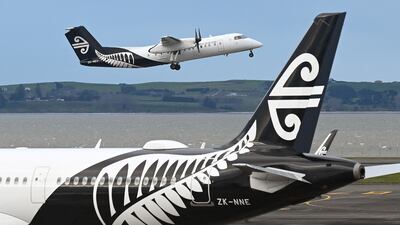
1. Air New Zealand. AFP -
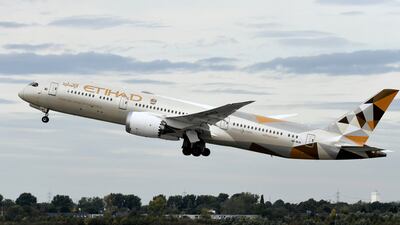
2. Etihad Airways. AFP -
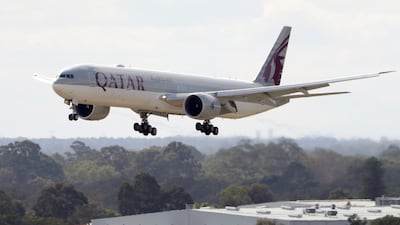
3. Qatar Airways. EPA -
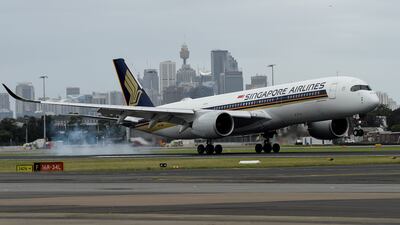
4. Singapore Airlines. EPA -

5. TAP Air Portugal. Reuters -

6. Scandinavian Airlines (SAS). Reuters -

7. Qantas. Reuters -
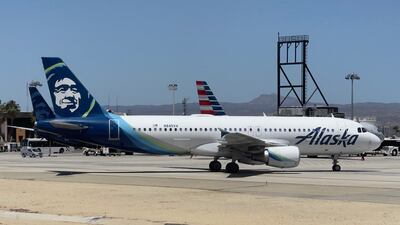
8. Alaska Airlines. AFP -

9. EVA Air. EPA -
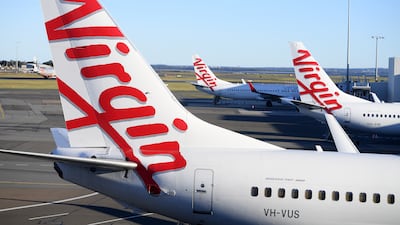
10. Virgin Australia/Atlantic. EPA -

11. Cathay Pacific. Getty Images -

12. Hawaiian Airlines. Reuters -
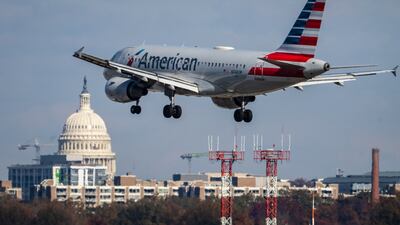
13. American Airlines. AFP -
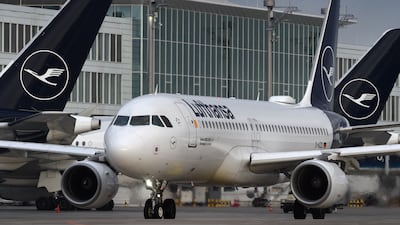
14. Lufthansa/Swiss Group. AFP -
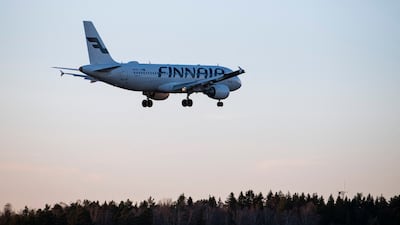
15. Finnair. AFP -
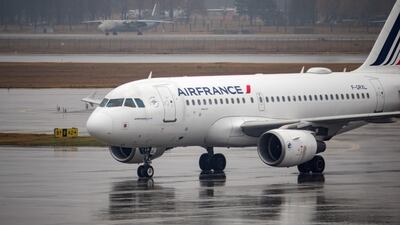
16. Air France-KLM Group. Getty Images -
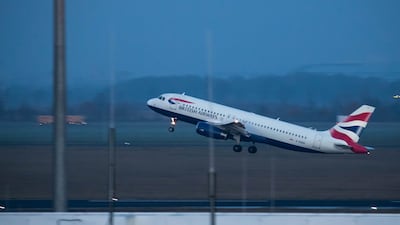
17. British Airways (BA). EPA -
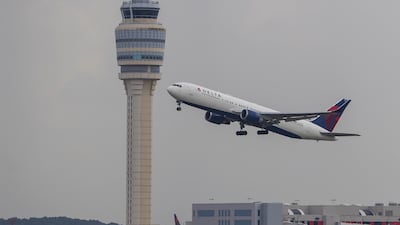
18. Delta Air Lines. EPA -
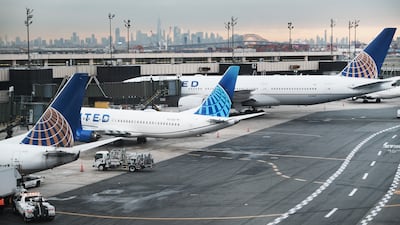
19. United Airlines. AFP -

20. Emirates. Reuters


______________________
The number of fatalities declined to 121 last year, from 132 a year ago, the data showed.
There were no runway or taxiway excursion accidents, for the first time in at least 15 years, Iata said.
The data comes as the airline industry began to bring more aircraft out of storage and more pilots back into service after the coronavirus lockdowns blocked air travel, grounded jets and led millions of aviation workers to lose their jobs.
The overall fatality risk, which measures the exposure of a passenger or crew to a catastrophic accident with no survivors, increased in 2021 to 0.23, from 0.13 in 2020, due to the rise in fatal turboprop accidents, Iata said.
There was one fatal accident involving jet aircraft last year and six involving turboprops.
The overall fatality risk of 0.23 means that on average, a person would need to take a flight every day for 10,078 years to be involved in an accident with at least one fatality, Iata said.
The number of jet hull losses declined in 2021 from a year ago. Iata defines a jet hull loss as an accident in which the aircraft is destroyed or substantially damaged and is not subsequently repaired for various reasons including a financial decision by the owner.
The jet hull loss rate fell slightly to 0.13 in 2021, or one major accident for every 7.7 million flights, Iata said. This compares with a rate of 0.16 in 2020, or one major accident every 6.3 million flights.
The turboprop hull loss rate rose to 1.77 last year, from 1.59 in 2020, Iata said.
Accidents involving turboprop aircraft represented 50 per cent of all accidents, 86 per cent of fatal accidents and 49 per cent of fatalities last year.
“Turboprop operations will be a focus area to identify ways and means to reduce the number of incidents related to certain aircraft types,” Mr Walsh said.
Airlines based in the CIS region experienced no fatal jet accidents in 2021 for the second consecutive year. However, there were four turboprop accidents. Three of these resulted in 41 fatalities, accounting for more than a third of 2021 fatalities.
Airlines based in sub-Saharan Africa experienced four accidents last year, all with turboprop aircraft, three of which resulted in 18 fatalities. There were no jet hull loss accidents last year or the year before in the region.
"We have much work ahead of us to bring all regions and types of operations up to global levels of safety performance,” Mr Walsh said.

