wo25 FEB gulf war kuwait oil wells iraq
-
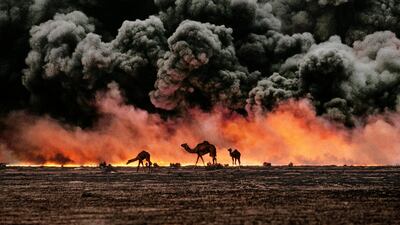
Camels are seen fleeing from a large fire at the al-Ahmadi oil field, Kuwait, 1991, after Saddam Hussein's forces set the oil fields alight following their defeat in the First Gulf War. Courtesy: Steve McCurry / Beetles + Huxley -

A US-led multinational force fought to expel invading Iraqi forces from Kuwait in January and February 1991. Here USAF F-16's stand ready with bombs loaded to take off during the first daylight attack to liberate Kuwait. Reuters -

Iraqi troops were defeated between February 24 and 28, 1991. However, Saddam Hussein ordered his forces to set alight Kuwait's numerous oil wells during their retreat, producing massive fires that blackened the sky. Here one burns on March 1, 1991. AFP -
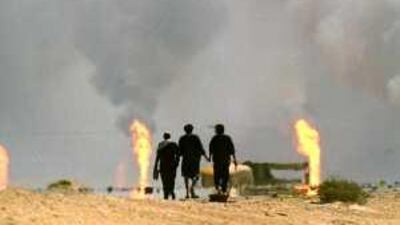
Three of the estimated 30,000 hostages seized during the Gulf War head toward Kuwait after being released by Iraq in March 1991. AFP -

Several blown-out wells damaged by retreating Iraqi soldiers in Al-Ahmadi oil field burn on April 1, 1991 in southern Kuwait. Iraqi troops smashed and torched 727 wells in total. AFP -
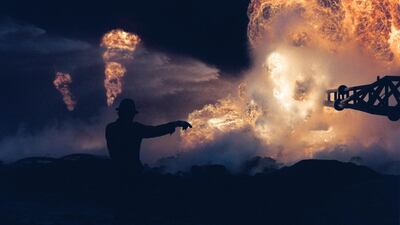
Fire fighters try to put out a blaze at a blown-out well damaged by retreating Iraqi soldiers in Al-Ahmadi oil field in southern Kuwait, April 1, 1991. AFP -
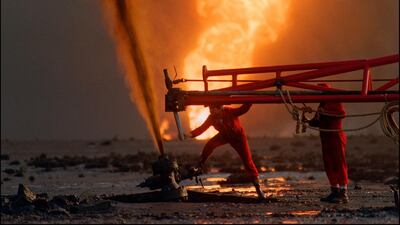
Red Adair fire fighting crew work on a blown-out well damaged by retreating Iraqi soldiers in Al-Ahmadi oil field in southern Kuwait, March 29, 1991. AFP -
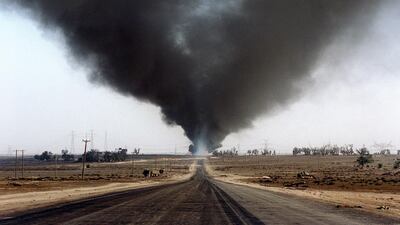
The burning oil wells badly polluted the atmosphere and created crude oil lakes. In addition, up to eight billion barrels of oil were split into the sea by Iraqi forces damaging marine life and coastal areas up to 400 kilometres (250 miles) away. AFP


Most popular today

