Tangier Island - in photos
-
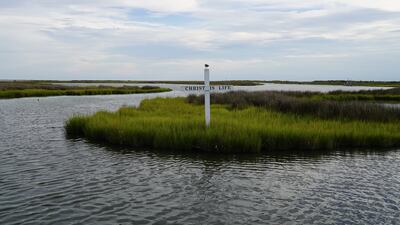
A cross rises from the marsh on Tangier Island in the Chesapeake Bay. Religion is an important part of life on Tangier. All photos: Willy Lowry / The National -
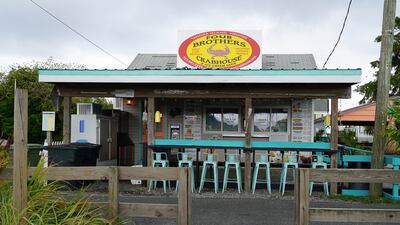
Four Brothers Crabhouse is one of only two restaurants still open on Tangier. -
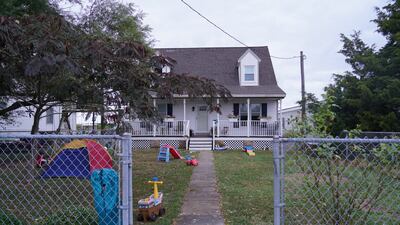
Children's toys fill the front lawn of a house on Tangier Island. The island's population has been steadily decreasing for years. -

A Trump flag flies next to crab traps. -
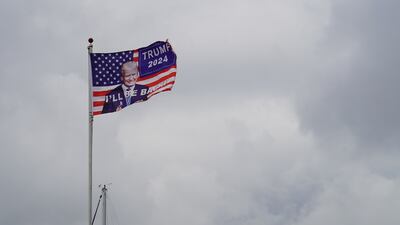
A Trump 2024 flag flies above a dock on Tangier Island. Former president Donald Trump is extremely popular on the island. -
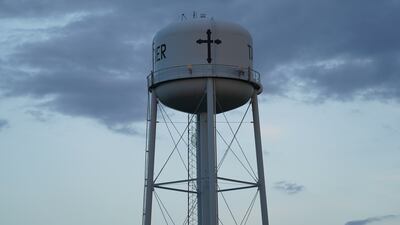
The Tangier water tower rises high above the flat island. -
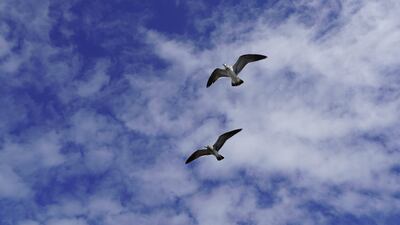
Birds fly over Tangier. The island is a haven for rare species. -
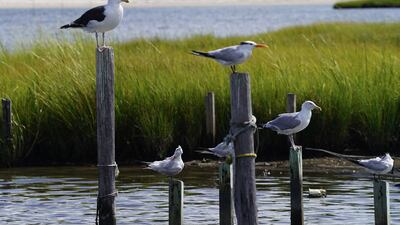
Birds rest on posts jutting out of the Chesapeake Bay. Tangier Island is home to dozens of bird species. -
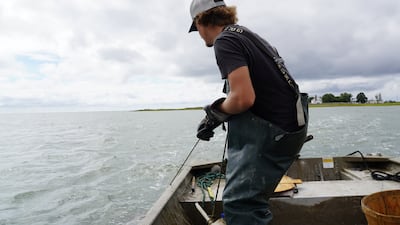
Cameron Evans, 23, pulls up a crab trap that he set in the sandy waters of the Chesapeake Bay. -
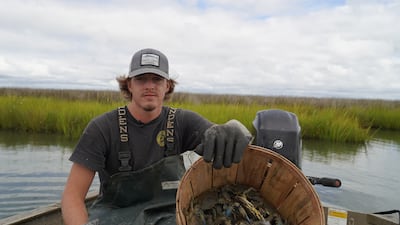
Mr Evans poses with a bushel of crabs he caught. -
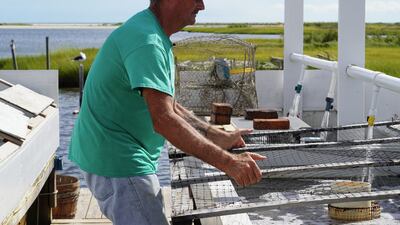
James Eskridge, who goes by 'Ooker' covers a tank holding crabs he caught. Mr Eskridge is the mayor of Tangier. Crabbing is more than a job for the men of Tangier, it's a way of life and connects them to their forefathers. -
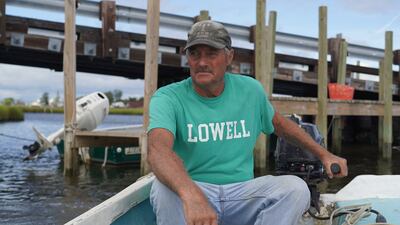
Mr Eskridge drives his small boat through shallow water as he heads to his crab shanty. -

Mr Eskridge dons a Trump hat. The mayor spoke with then-president Donald Trump in 2017 to discuss ways to save the island. -
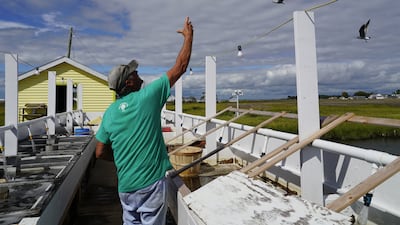
Mr Eskridge feeds birds at his crab shanty. -
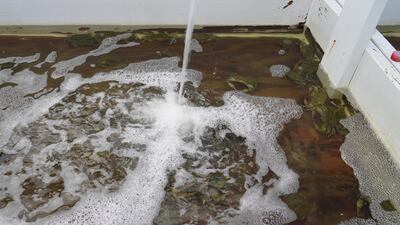
While Mr Eskridge may be mayor of Tangier, he says his first job is waterman and crabber. -

Mr Eskridge navigates the narrow channel that leads to his crab shanty. -
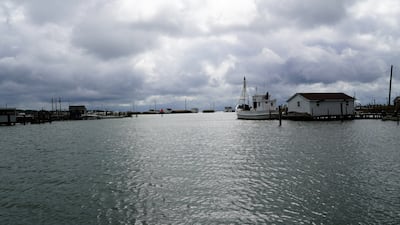
The Harbour of Tangier is home to dozens of crab shanties. -
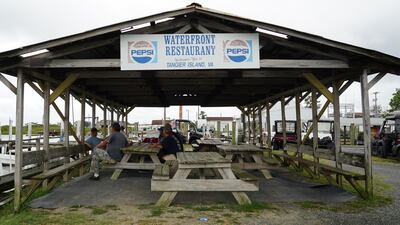
Watermen wait out foul weather under shelter. -
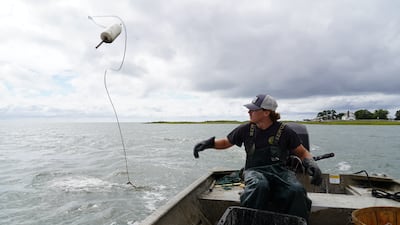
Mr Evans sets a crab trap. -
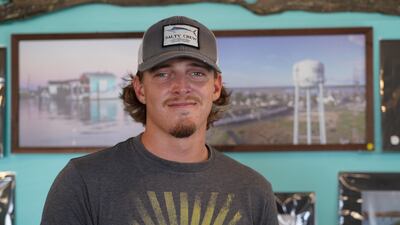
In addition to crabbing, Mr Evans leads photography workshops on the island. Here he poses in his waterfront studio. -
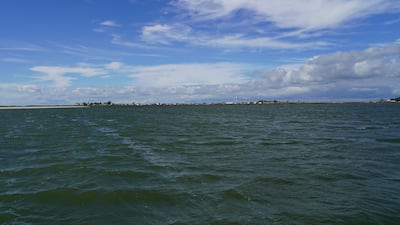
Looking at Tangier Island from the water, one quickly sees how flat and susceptible it is to sea level rise. -

The eastern edge of the island is most susceptible to erosion and rising water levels. -
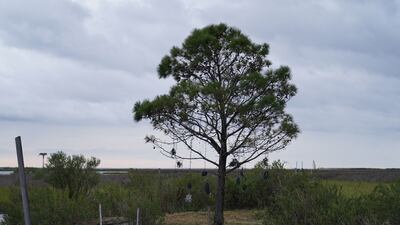
The island is mostly flat grassland and marsh. -
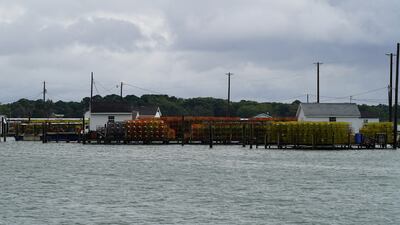
Crab traps line the docks of Tangier. -
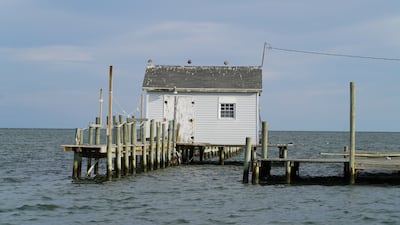
A crab shanty sits on stilts in the Chesapeake bay off of Tangier Island. Watermen store crabs and tools in their shanties, which act like floating offices. -
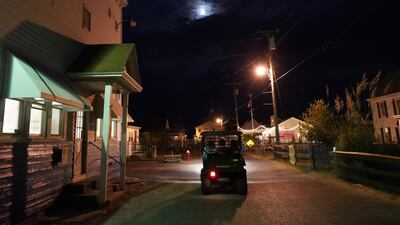
There are only a handful of cars on Tangier. Most people get around by bicycle or golf cart. -
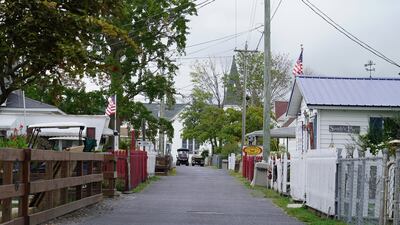
Main Ridge Road, one of three main arteries on Tangier Island. The island consists of three ridges connected by bridges. -
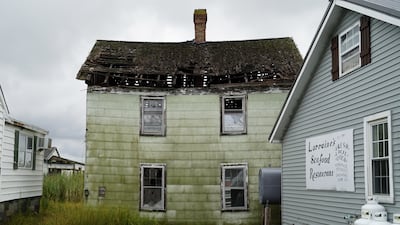
An old abandoned house on Tangier Island. The island's population has decreased significantly in recent years. -
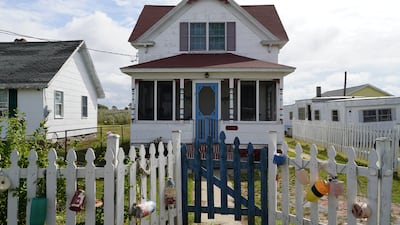
A colourful house on Tangier Island. -
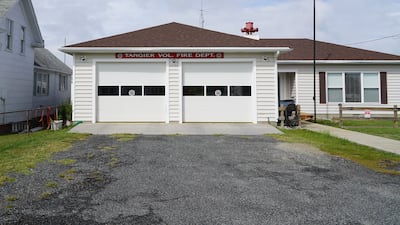
The island is so small it only has a volunteer fire department. -

An egret stands in a marsh with the Tangier village in the background. -
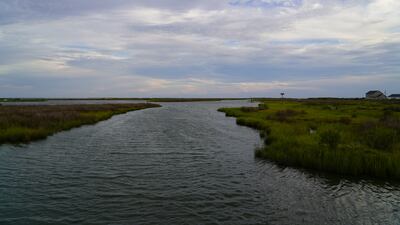
Looking south from Tangier Island. -
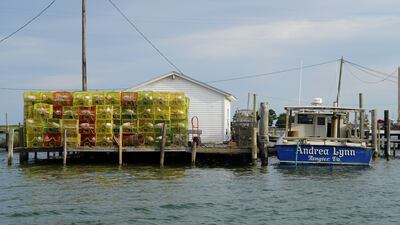
A crabbing boat is docked to next crab traps. -
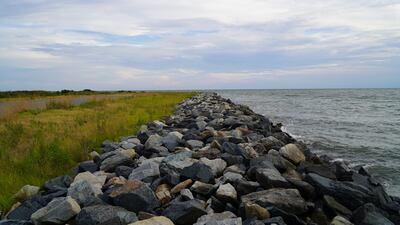
A rock-filled breakwater wall was installed on the island's western edge in 1989. Residents say it has successfully stopped erosion on that side of the island. -
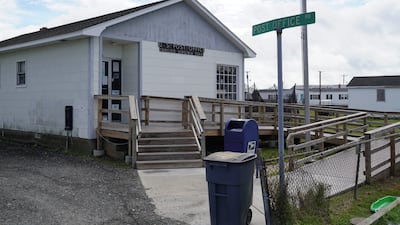
The island's lone post office sits right off Main Ridge Road. -

The Swain Memorial United Methodist Church's cemetery. -
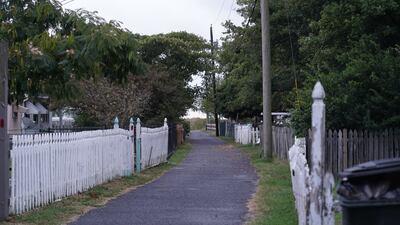
A narrow street on the island's Western Ridge. -
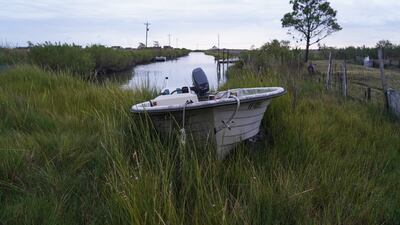
A boat sits on land next to a marshy canal. Boats are everywhere on Tangier. -
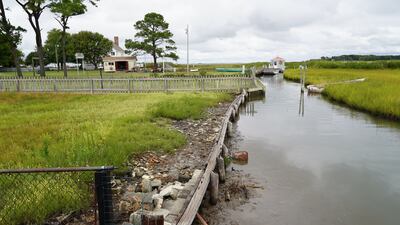
A wooden barricade prevents a yard from falling into the sea. -
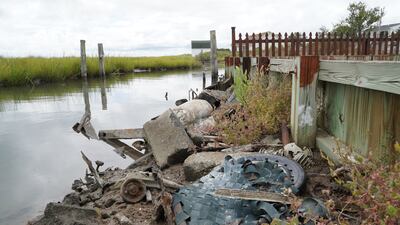
Debris is stacked against the shoreline in an effort to prevent erosion. The island loses as much as nine metres of shoreline a year to erosion. -
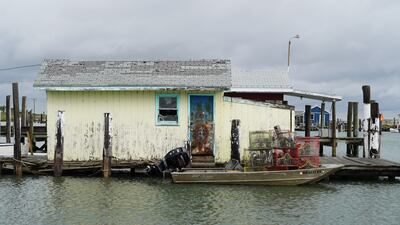
A crabbing boat docked on Tangier Island. -
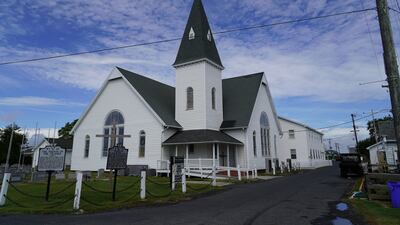
Swain Memorial United Methodist Church, one of two churches on the island. Religion plays a major role in people's lives here. -
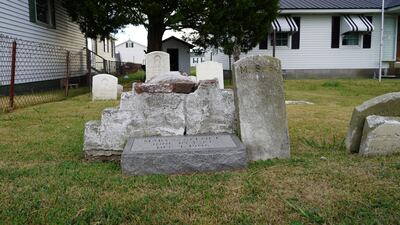
Because land is in such short supply, many families are forced to bury loved ones in their front yards. -

A swing set on Tangier Island. Many residents speak of idyllic childhoods filled with fishing, crabbing and exploring. -
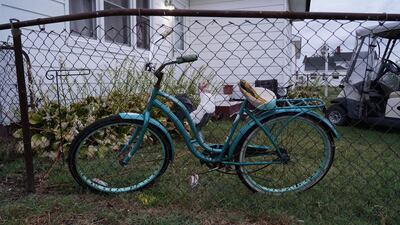
Many people use bicycles to get around the island. -
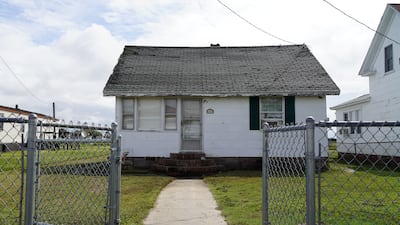
A small house on Tangier Island. -
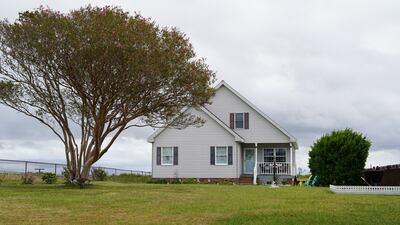
A house on the eastern side of Tangier Island, which is most susceptible to erosion and rising sea levels. -
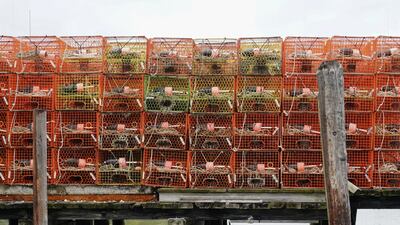
Stacks of crab traps sit on a dock on Tangier Island.


Most popular today

