


The Duke of Sussex would shop for “everyday casual clothes” from TK Maxx, his newly released autobiography has revealed.
Prince Harry said he received an official clothing allowance from “pa” each year, but it was strictly for formal wear, such as suits, ties and ceremonial outfits.
For more casual clothes he would shop at the “discount store”, where he could snap up just-out-of-season clothes for bargain prices.
Writing in his autobiography Spare about the experience in some detail, he said he was “particularly fond” of its annual sale, when the shop would be flush with items that had just out of season or were slightly damaged from Gap or J.Crew.
“If you timed it just right, got there on the first day of the sale, you could snag the same clothes that others were paying top prices for down the high street!
“With two hundred quid you could look like a fashion plate,” he writes.

He writes about his system to grab the best bargains, which involved him reaching the shop 15 minutes before closing.
“Grab a red bucket. Hurry to the top floor. Begin systematically working up one rack and down another,” he writes.
“If I found something promising I’d hold it up to my chest or legs, standing in front of a mirror.
“I never dawdled over colour or style and certainly never went near a changing room. If it looked nice, comfortable, into the bucket it went.”
At closing time he said he would run out with giant shopping bags “feeling triumphant”.
Prince Harry's book is released - in pictures
-
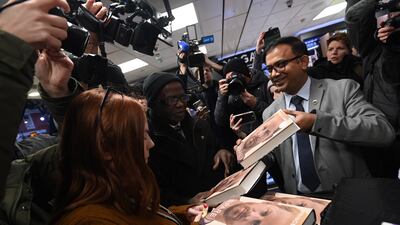
The first copies of Prince Harry's new book Spare are unpacked during a midnight sale at a book shop in London. EPA -
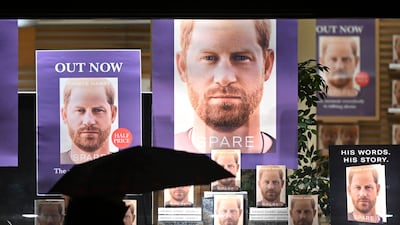
After months of anticipation and a sustained publicity blitz, Prince Harry's book is on sale in the UK. AFP -
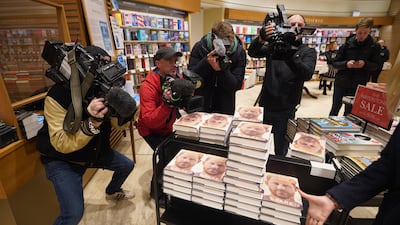
Photographers surround a trolley containing copies of Spare. PA -
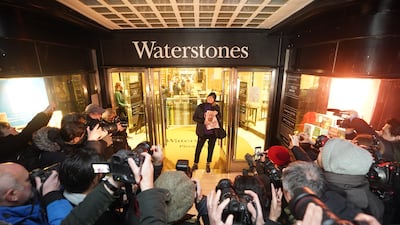
Caroline Lennon, the first customer to purchase a copy of Spare, poses for photographers at Waterstones in Piccadilly, London. PA -
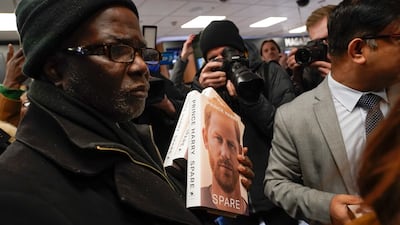
There is no mention of royal family members in the foreword to Spare. AP -
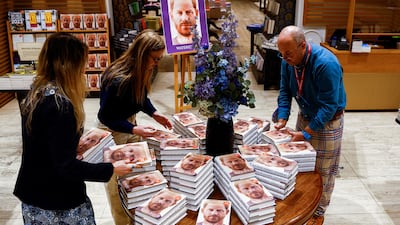
The book reveals that Prince Harry took cocaine and magic mushrooms. Reuters -
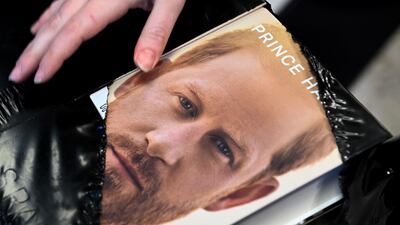
Spare also lifts the lid on the prince's relationships with the royal family. EPA -
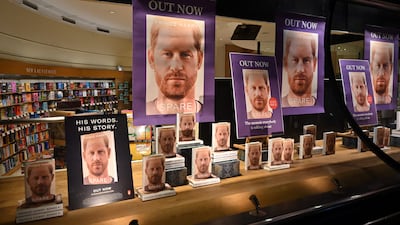
The book contains allegations of racism within the royal family and accounts of a fight with Prince William. AFP


“Now papers wouldn’t call me a slob. At least for a little while,” he writes.
“Far better, I wouldn’t have to think about clothes again for another six months.”
The prince’s highly anticipated memoir, which has generated incendiary headlines and reported details of bitter family resentment, as well as the duke and his wife Meghan’s decision to give up their royal roles and move to California, went on sale at midnight.

