

Meghan, Duchess of Sussex, placed her hands on the grave of Diana, Princess of Wales, and asked for guidance, new details from Prince Harry's new book Spare show.
In the memoir, he also makes a series of accusations and revelations about his brother and sister-in-law, Prince William and Kate, the current Prince and Princess of Wales, exposing how their relationship deteriorated.
Spare is being published near the third anniversary of Prince Harry and Meghan announcing their planned retreat from royal life — January 8, 2020 — but also coincides with the Princess of Wales's birthday on January 9.
Prince Harry wrote about how he had left his wife alone at Diana’s grave during a visit to her family’s Althorp estate.
“When I returned, she was on her knees with her eyes closed and her palms flat against the stone,” Prince Harry wrote.
He added that she told him she had asked Diana for “clarity and guidance”.
Prince Harry said in Spare that he and the Duchess of Sussex had rowed out to his mother’s final resting place on an island on the Althorp estate in 2017.
Spare is dedicated to Diana — who died in a car crash in Paris when Prince Harry was 12 — his wife and children Archie and Lili.
In clips of an interview promoting his book with Good Morning America, Prince Harry said Diana would have been “sad” about her sons’ fractured relationship.
“I have felt the presence of my mum more so in the last two years than I have in the last 30,” he said.
In Spare, Prince Harry refers to his mother as “mummy” and said his father, now King Charles III, did not hug him when he sat on his bed and told him Diana had died.
The book also includes several stories involving the current Princess of Wales and clashes between the brothers.
Prince Harry claimed that it was the Prince and Princess of Wales who encouraged him to wear a Nazi uniform to a fancy dress party in 2005.
-
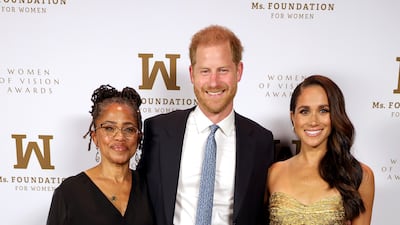
Doria Ragland, Prince Harry and Meghan, Duchess of Sussex, attend the Ms Foundation Women of Vision Awards in New York City. Getty -
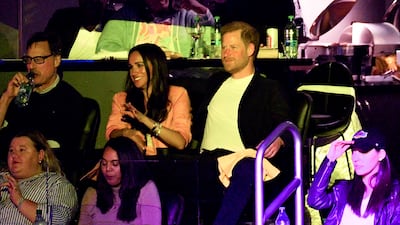
Prince Harry and his wife Meghan attend a basketball game between the Los Angeles Lakers and the Memphis Grizzlies in Los Angeles in April. Getty -
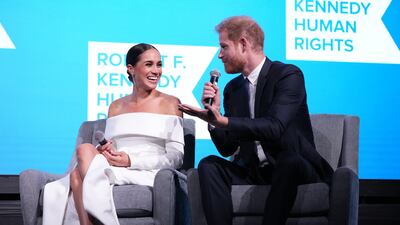
The royal couple speak onstage at the Robert F Kennedy Human Rights Ripple of Hope Gala in New York in December 2022. Getty -
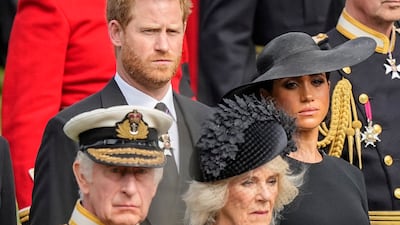
Prince Harry and Meghan watch as the coffin of Queen Elizabeth II is placed into the hearse following the state funeral service at Westminster Abbey in central London in September 2022. AP -
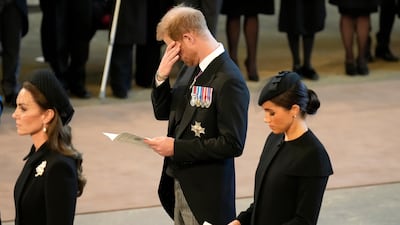
Prince Harry and Meghan pay their respects at the Palace of Westminster. Getty -
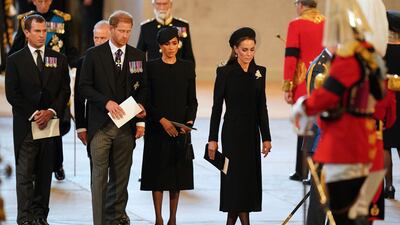
Prince Harry, Meghan and Kate, Princess of Wales, attend a service for the reception of Queen Elizabeth's coffin at Westminster Hall. AFP -
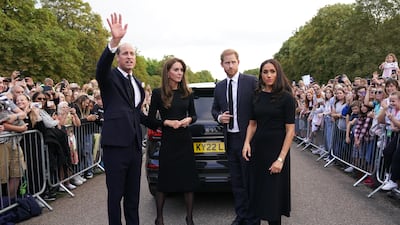
The Princess of Wales, Prince William, Prince Harry and Meghan meet members of the public outside Windsor Castle. Getty -
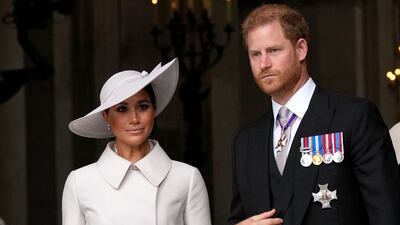
Prince Harry and Meghan leave after a service of thanksgiving for the queen. Getty -
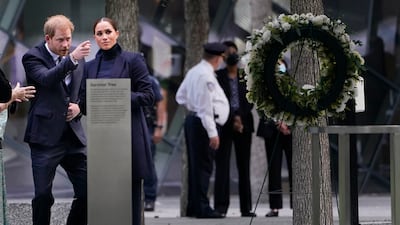
Prince Harry and Meghan at the National September 11 Memorial and Museum in New York in September 2021. AP -
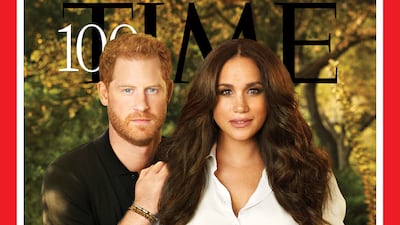
Prince Harry and Meghan on the cover of Time magazine's 100 most influential people in the world edition, in September 2021. Reuters -
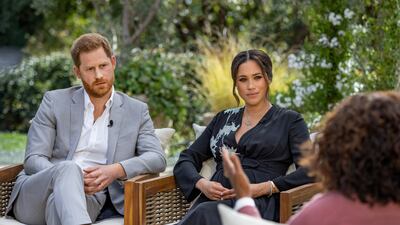
Prince Harry and Meghan are interviewed by Oprah Winfrey in March 2021. Reuters -
Prince Harry and Meghan shared this image on social media in February 2021 to announce they were expecting their second child. AFP -
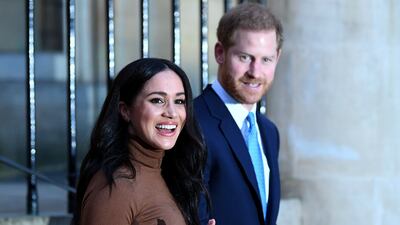
Prince Harry and Meghan visit Canada House, London, in January 2020. Getty -
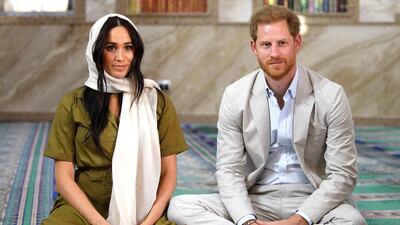
Prince Harry and Meghan visit Auwal Mosque on Heritage Day during their royal tour of South Africa in September 2019. Getty -
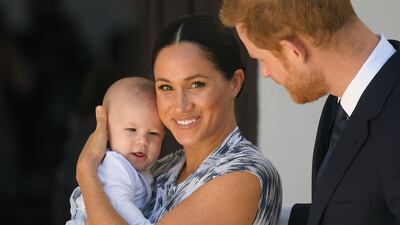
Prince Harry, Meghan and their son Archie Mountbatten-Windsor in South Africa in September 2019. Getty -
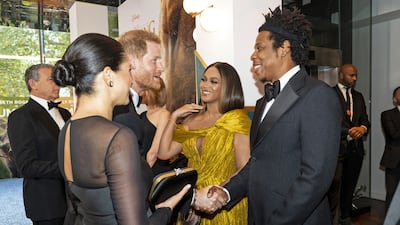
Prince Harry and Meghan meet Beyonce Knowles-Carter and Jay-Z at the European Premiere of Disney's The Lion King at Odeon Luxe Leicester Square, London, in July 2019. Getty -
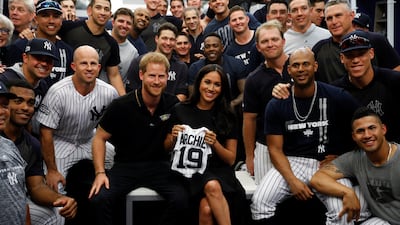
Prince Harry and Meghan pose for a photo with the New York Yankees before their baseball game against the Boston Red Sox at London Stadium in June 2019. Getty -
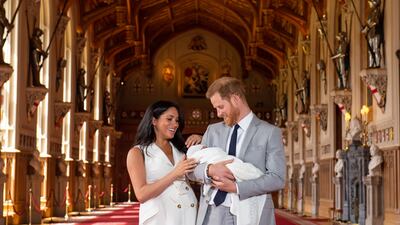
Prince Harry and Meghan pose with their newborn son Archie in St George's Hall at Windsor Castle in May 2019. Getty -
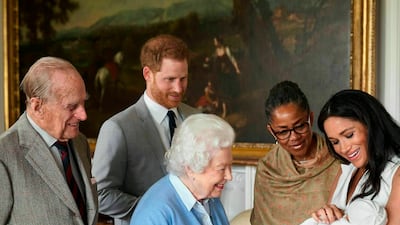
Meghan, joined by her mother Ms Ragland, shows her new son to Queen Elizabeth and Prince Philip at Windsor Castle in May 2019. AP -
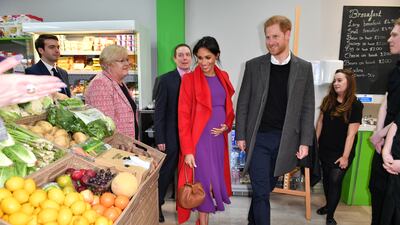
Prince Harry and Meghan officially open Number 7, a Feeding Birkenhead citizen’s supermarket and community cafe in Merseyside in January 2019. Getty -

Prince William, the Princess of Wales, Meghan and Prince Harry attend a Christmas Day church service at the Church of St Mary Magdalene on the Sandringham estate in December 2018. Getty -

Prince William, Prince Harry, Meghan and the Duchess of Cambridge attend a service marking the centenary of the First World War armistice at Westminster Abbey in November 2018. Getty -
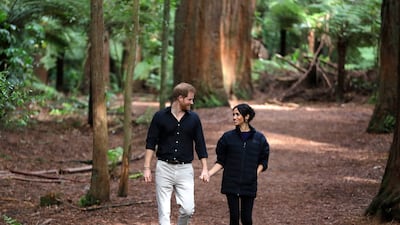
Prince Harry and Meghan visit Redwoods Tree Walk in October 2018 in Rotorua, New Zealand. Getty -
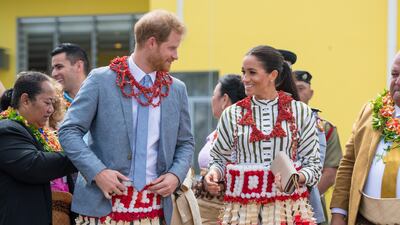
Prince Harry and Meghan visit an exhibition of Tongan handicrafts at the Fa'onelua Convention Centre in October 2018 in Nuku'alofa, Tonga. Getty -
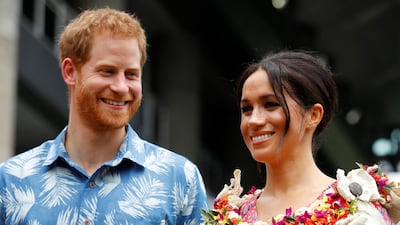
Prince Harry and Meghan visit the University of the South Pacific in October 2018 in Suva, Fiji. Getty -
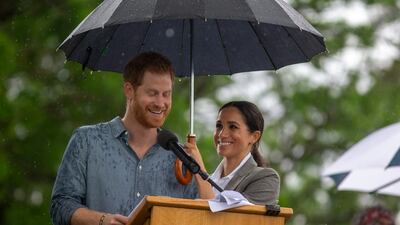
Prince Harry and Meghan address the public during a Community Event at Victoria Park in October 2018 in Dubbo, Australia. Getty -

Prince Harry and Meghan meet a koala during a visit to Taronga Zoo in October 2018 in Sydney, Australia. Getty -
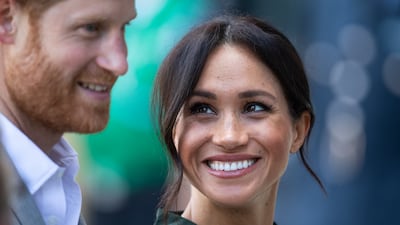
Prince Harry and Meghan arrive at the University of Chichester's Engineering and Digital Technology Park during an official visit to West Sussex in October 2018. Getty -
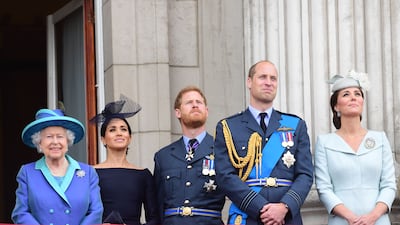
The queen, Meghan, Prince Harry, Prince William and the Duchess of Cambridge watch the RAF 100th anniversary fly-past from the balcony of Buckingham Palace in July 2018. Getty -
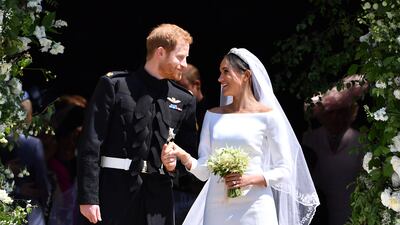
Prince Harry and Meghan on their wedding day in May 2018. Getty -
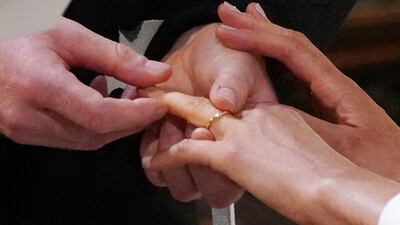
Prince Harry places a wedding ring on his new wife's finger. Getty -
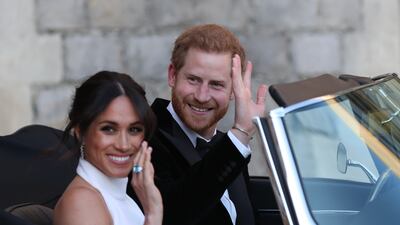
Meghan and Prince Harry head to their evening wedding reception at Frogmore House. Getty -
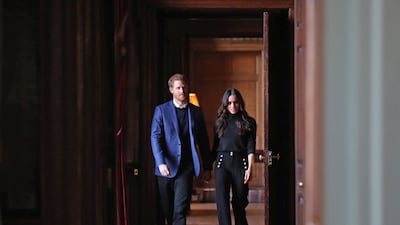
Prince Harry and Meghan walk through the corridors of the Palace of Holyroodhouse on their way to a reception for young people at the Palace in February 2018 in Edinburgh, Scotland. Getty -
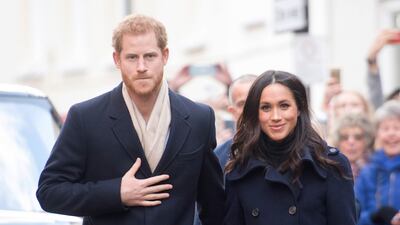
Prince Harry and his then-fiancee Meghan visit Nottingham for their first official public engagement together in December 2017. Getty


“I phoned Willy and Kate, asked what they thought. Nazi uniform, they said,” he wrote. “They both howled. Worse than Willy's leotard outfit! Way more ridiculous! Which, again, was the point.”
Meghan also upset Kate by saying she must have “baby brain” during a phone call in the run-up to the royal wedding in 2018.
During a reconciliatory tea, Prince William, then the Duke of Cambridge, “pointed a finger” at the Duchess of Sussex, saying: “Well, it's rude, Meghan. These things are not done here,” to which she said: “If you don't mind, keep your finger out of my face.”
After that, there was a clash over lip gloss.

Prince Harry recalls an “awkward moment” when his wife asked Kate to borrow some lip gloss before their Royal Foundation Forum appearance in 2018.
“Kate, taken aback, went into her handbag and reluctantly pulled out a small tube,” Prince Harry writes. “Meg squeezed some on to her finger and applied it to her lips. Kate grimaced.”
The duke wrote that the four “should've been able to laugh” about the moment but the press “sensed” it was “something bigger” and so Kate was “on edge” that she was now “going to be compared to, and forced to compete with, Meg”.
The prince has admitted that he and Meghan were offended when the Prince and Princess of Wales switched place cards and changed seats at their wedding.
He added that Kate also made Meghan cry over a bridesmaids' dress fitting for Princess Charlotte.
Prince Harry wrote that the Princess of Wales had texted his wife the week of the wedding about a “problem” with Princess Charlotte's dress.
Kate said the princess's dress was “too big, long and baggy” and that the child “burst into tears when she tried it on”.
He wrote that the dresses, made by Givenchy, had been hand-sewed based solely on measurements so it made sense that they would need some tweaks.
But Kate reportedly said that the dress needed to be remade from scratch.
Prince Harry wrote that he later found Meghan in tears “on the floor” over the disagreement but the next day Kate apologised, bringing over flowers and a card.
Kensington Palace and Buckingham Palace have declined to comment.

