

Amid the turmoil of the Conservative Party conference, senior ministers are signalling that they will refuse budget reductions to their departments to fund controversial tax cuts.
Among the most strident has been Ben Wallace, Britain’s defence secretary, who has demanded that a promise for a substantial increase in spending is kept.
He laid down this marker at a fringe event watched by The National in which he declared if Britain wanted to defend itself against Russia as well as becoming an influential international force, it required defence spending to be 3 per cent of GDP, the equivalent of a 60 per cent rise by 2030.
He also made a damning criticism of previous defence cuts that had ripped out essential stockpiles, stating that the Ukraine invasion was the ‘emperor has no clothes” moment for western militaries.
People also had to accept “attrition” both to their equipment and personnel in any future conflict.
The war itself had also taught Nato powers some vital tactical lessons that western armies had to urgently adapt if they were to survive in the new “broadband” warfare, he told the Policy Exchange event.
Conflict anxiety
The British government’s commitment means that it will spend an additional £157 billion on defence over the next eight years, which Mr Wallace insisted was necessary in an increasingly unstable world.
“This is not a question of whether you should spend 3 per cent of GDP by 2030, it’s that you can't afford not to spend 3 per cent of GDP by 2030,” he said.
“The world every year is getting more unstable, more insecure and more anxious. Our constituents are more anxious than ever before.”
He said that if Britain was to support its US, Australian and Japanese allies in the Pacific, particularly with the potential of conflict with China over Taiwan, then the increase was crucial.
“The tensions in that Pacific region means that if I want to be in two places at once the defence budget of the UK has to grow,” he said.
“It simply can't pretend it can do two things for the price of one. It has to be genuinely able to be ready, resilient, employable and able to address the new lessons that Ukraine is teaching us.”

Accept attrition
Among those lessons was that western countries had to accept “attrition” in terms of losing both personnel and equipment in high numbers.
“Attrition is something that's been lost in our vocabulary and the acceptance of attrition,” he said.
For too long Nato militaries have spent billions on exceptional equipment that it was too afraid to use in conflict because of its immense cost.
“We spend our life buying exquisite military hardware which no one can afford to ever lose, never mind the poor person in them,” he said.
“Everyone's terrified of deploying them. Well attrition is a fact of war that has been conveniently moved aside. We need to get back to understanding how we're going to deal with that, especially against the threats such as Russia.”
No free lunch
The discussion focused on the government’s new look at the Integrated Review that was originally published in March last year before the Russian invasion.
Mr Wallace conceded that policymakers could “draw their conclusions” but was forthright in that whatever they produced needed proper financing as “there’s no such thing as a free lunch”.
“If the ambition of the government collectively is to do more in the Pacific or the High North then that's great, but it's got to come with a cheque attached. I believe that 2.5 per cent of GDP by 2025 [then 3 per cent by 2030] is the direction of travel and we will be able to deliver something very important.”
Emperor’s clothes
In the decades following the end of the Cold War, western countries have attempted to get away with spending much less than 2 per cent of GDP on their defence budgets.
But this failure had been graphically “exposed” when they came perilously close to creating a failure in Ukraine after Nato’s armouries had dried up.
“I think the war has exposed us, the emperor has been clothed and the boy in the crowd has called out,” he said.
Conservative Party conference – in pictures
-

British Prime Minister Liz Truss speaks at the ruling Conservative Party's annual conference in Birmingham. Reuters -
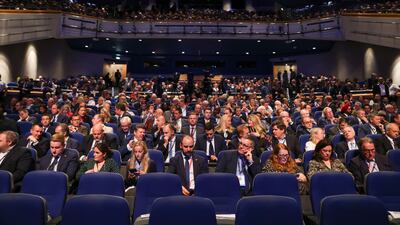
Attendees take their seats before the keynote speech by Ms Truss. Bloomberg -
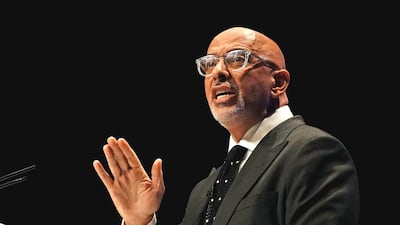
Chancellor of the Duchy of Lancaster Nadhim Zahawi speaks. PA -
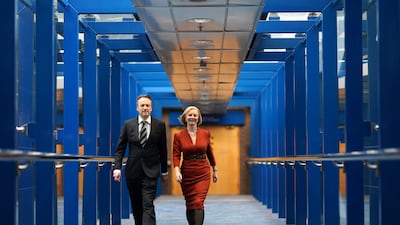
Prime Minister Truss and her husband Hugh O'Leary arrive for day four of the Conservative Party conference. Getty Images -
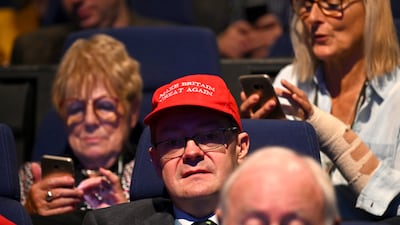
A delegate wears a red 'Make Britain Great Again' cap. Getty Images -
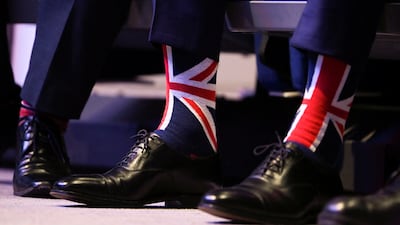
A member of the audience wears socks with Union Jack colours. Reuters -

Liz Truss and Chancellor of the Exchequer Kwasi Kwarteng visit the construction site of a medical innovation campus during day three of the Conservative Party conference in Birmingham. Getty Images -
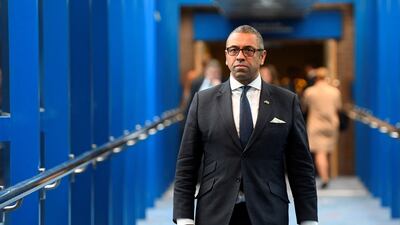
Foreign Secretary James Cleverly arrives at the conference. Reuters -
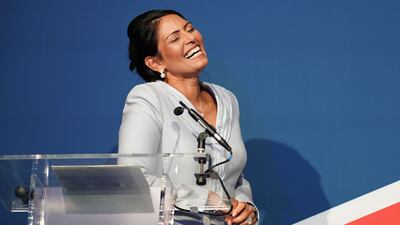
Former home secretary Priti Patel speaks in Birmingham. Getty Images -

A delegate is pictured with a bag displaying pictures of former Conservative prime ministers Benjamin Disraeli, Winston Churchill, Boris Johnson and Margaret Thatcher. AFP -
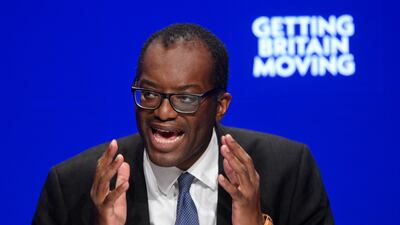
Mr Kwarteng delivers a speech on day two of the annual Conservative Party conference in Birmingham. Getty Images -
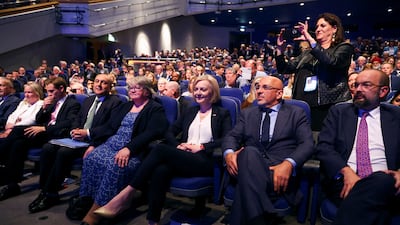
Liz Truss, Chancellor of the Duchy of Lancaster Nadhim Zahawi and Secretary of State for Health and Social Care Therese Coffey listen to Mr Kwarteng speak. Reuters -
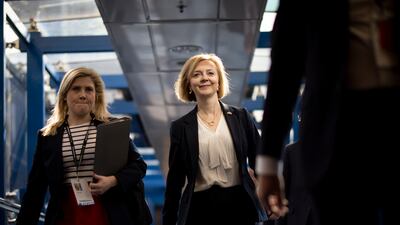
Ms Truss arrives for the Conservative Party Conference. EPA -
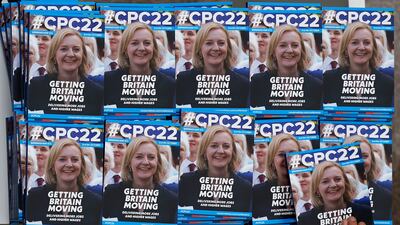
Leaflets with Ms Truss on the cover are seen on the second day of the conference. Getty Images -

A person attending the conference carries a bag from the Taxpayers' Alliance. EPA -
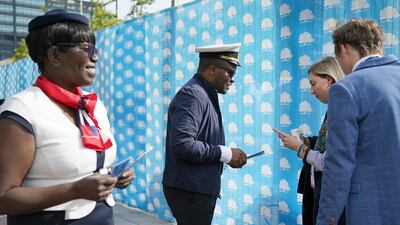
Refugees present Tory delegates with 'one-way tickets' to Rwanda during a protest outside the Conservative Party annual conference. PA -
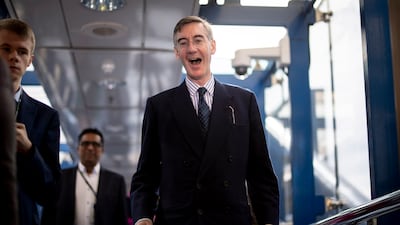
Business, Energy and Industrial Strategy Secretary Jacob Rees-Mogg laughs as he arrives. EPA -
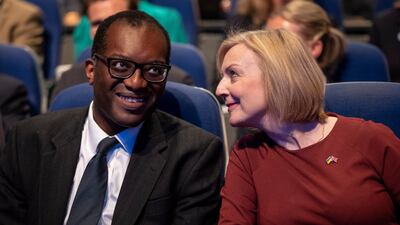
Ms Truss and Mr Kwarteng chat at the opening session of Conservative Party conference in Birmingham. EPA -
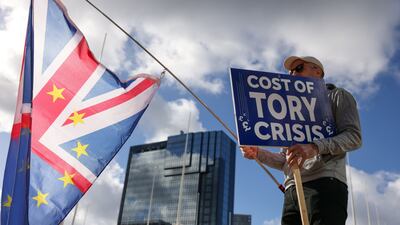
A protester demonstrates outside the annual autumn conference. Bloomberg -

Mr Kwarteng gives a TV interview. Reuters -
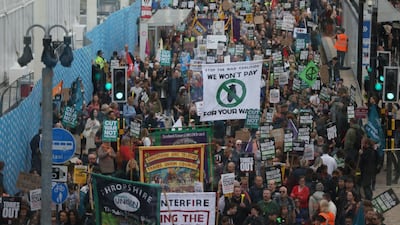
Protesters march with placards at a demonstration in Birmingham against the Conservative government as the party's conference started in the city. Bloomberg -
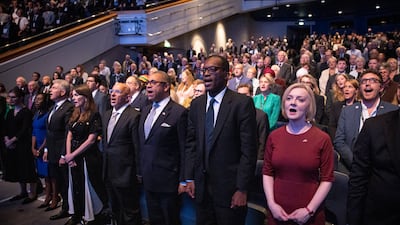
The prime minister and members of her Cabinet sing the national anthem at the opening session. EPA -
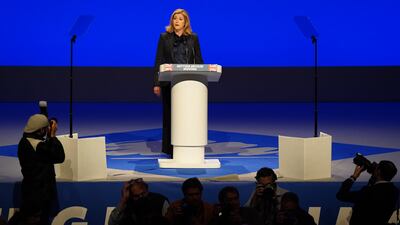
Penny Mordaunt, Leader of the House of Commons, pays tribute to Queen Elizabeth II. PA -
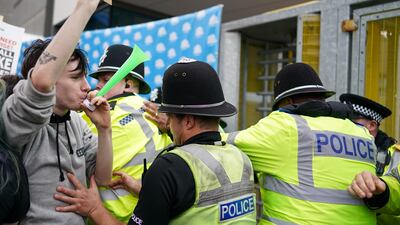
Protesters and police clash in Birmingham city centre. Getty Images -

Former British prime minister Boris Johnson is reflected in Mr Kwarteng's glasses. Reuters -
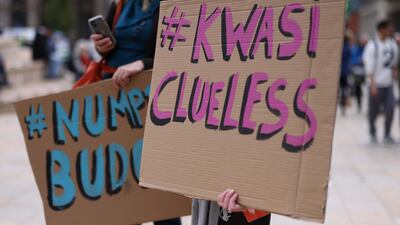
A protester holds a placard condemning the chancellor. Bloomberg -
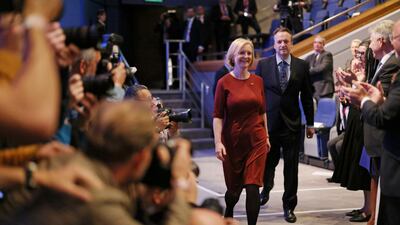
Ms Truss arrives at the conference. Bloomberg -
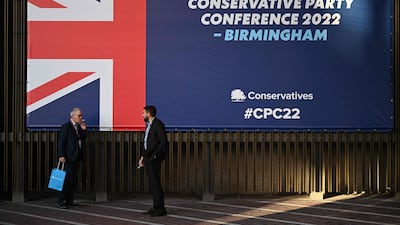
Delegates take a break outside the venue on the opening day. AFP


Nato under-spending on defence had “hollowed out” defence structures that looked good on the surface, “but underneath, we didn't have the readiness, we didn't have the ammunition stocks, we didn't have the boring things that are so key to keeping the armed forces going”.
It was neglecting such things as dry docks for ships or maintenance that serving soldiers only discovered when “you're in a hollowed out unit, as my experience was”, said the former Scots Guards officer. “You discover when the savings came, they fell on the rather unglamorous out-of-sight, out-of-mind, part of the defence budget.”
Supply chains had “dried up” because “we're all living on minimal stocks and ammunition, we didn't replace them”.
After speaking to a fellow Nato defence chief it was clear there was now a “scramble to resupply”.
Broadband warfare
The Ukraine-wide introduction of Starlink broadband by Elon Musk at the start of the conflict had been a major contributing factor to its success, Mr Wallace said, allowing the country to fly drones and use other technology without Russian interference.
But it had also highlighted the fact that “hiding and finding is really important in the future of battlefield”.
The ability to fly “cheap drones” over Russian positions aligned with the advances in artillery ranges had led to “the proliferation of precision changes on the battlefield”.
-
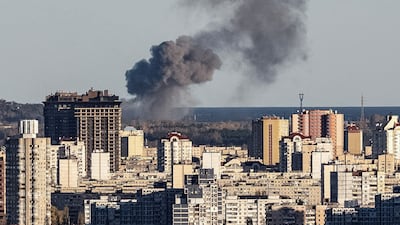
Smoke rises on the outskirts of the city during a Russian missile attack in Kyiv. Reuters -

Workers surround the Monument to the Heroes of the Heavenly Hundred with sandbags against damage from shelling in Mykolaiv. EPA -
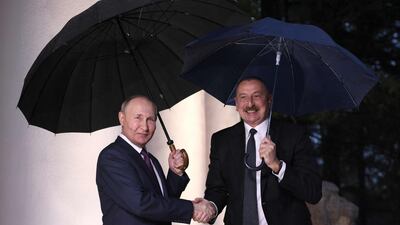
Russian President Vladimir Putin welcomes Azerbaijan President Ilham Aliyev for talks before a meeting between the Russian president and the leaders of Armenia and Azerbaijan in the Black Sea resort city of Sochi, Russia. AFP -
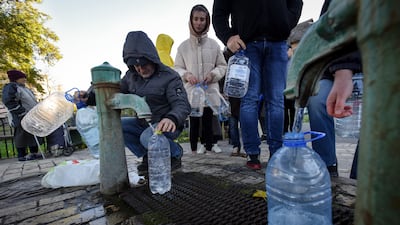
People take water from a water pump in Kyiv. EPA -
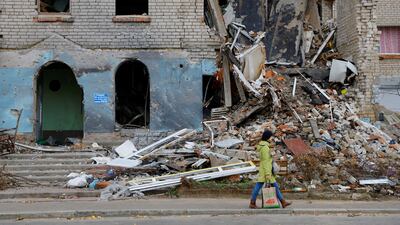
A woman walks past a damaged building in the town of Nova Kakhovka. Reuters -
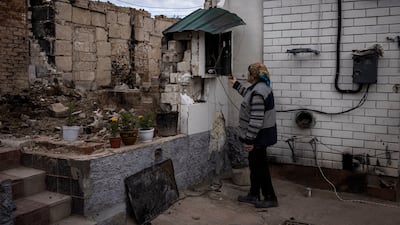
A woman outside her home, which was destroyed during battles at the start of the conflict, in Yahidne, Chernihiv. Getty Images -
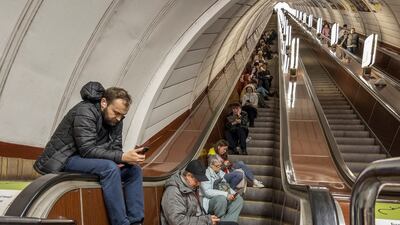
People shelter inside a subway station during a Russian missile attack in Kyiv. Reuters -
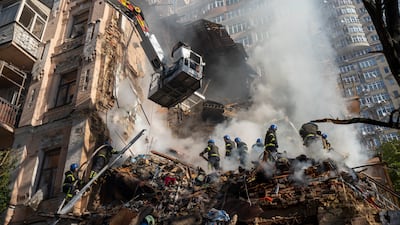
Firefighters at the site of a drone attack in Kyiv, Ukraine. AP -
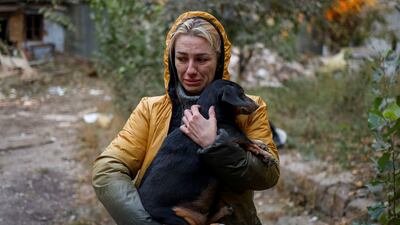
A woman walks past the site of a Russian missile strike in the southern Ukrainian city of Mykolaiv. Reuters -
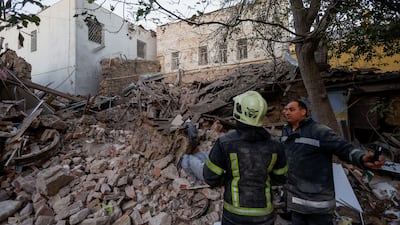
Rescuer workers at a building destroyed in an attack in Mykolaiv. Reuters -
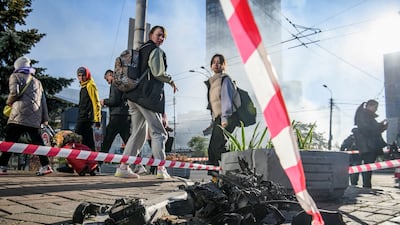
Parts of a drone lie on a street in Kyiv. Reuters -
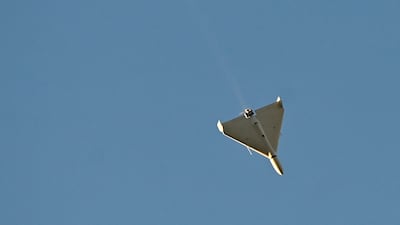
A drone flies over the Ukrainian capital during an attack. AFP -
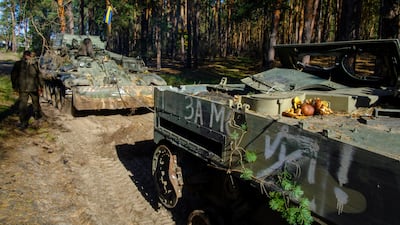
Ukrainian servicemen tow a captured Russian armoured vehicle in Rudneve village, Kharkiv. EPA -
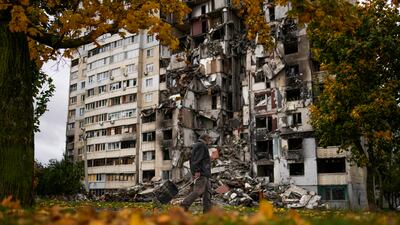
A partially destroyed residential building in Saltivka, in Kharkiv. AP -
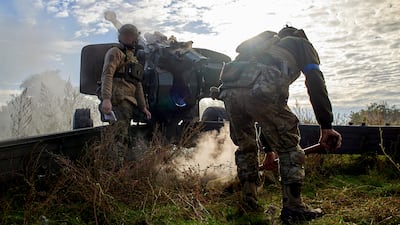
Ukrainian servicemen fire a captured Russian howitzer on a front line near Kupyansk city, Kharkiv. EPA -
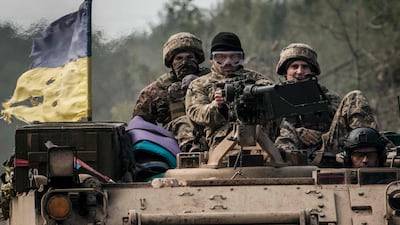
Ukrainian servicemen near the recently retaken town of Lyman in Donetsk region. AFP -
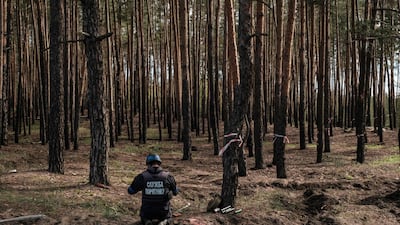
An officer from a Ukrainian national police emergency demining team prepares to detonate collected anti-tank mines and explosives near Lyman, in the Donetsk region. AFP -
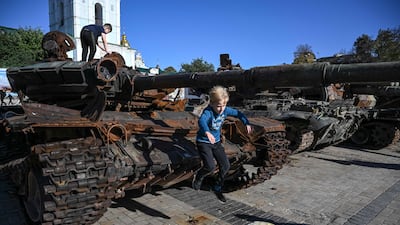
A boy playing on a destroyed Russian tank on display in Kyiv. AFP -
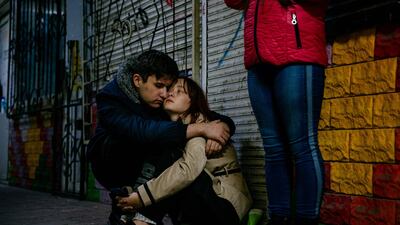
A young couple hiding underground during an air alert in Zaporizhzhia. AFP -
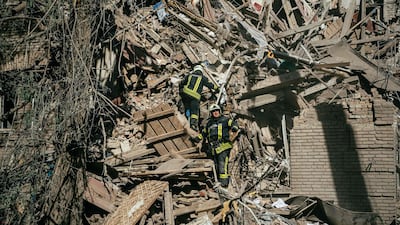
Ukrainian firefighters looking for survivors after a strike in Zaporizhzhia. AFP -
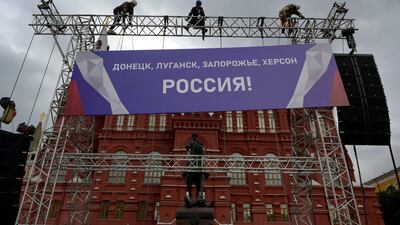
Workers fix a banner reading 'Donetsk, Luhansk, Zaporizhzhia, Kherson - Russia!' to the State Historical Museum near Red Square in Moscow. AFP -

Residents try to cross a destroyed bridge in the Kharkiv region of Ukraine. AFP -
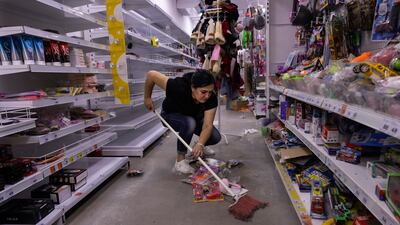
Alyona Kishinskaya helps to clean up a shop as it prepares to reopen in Balakiya, Ukraine, after a six-month Russian occupation. Getty Images -
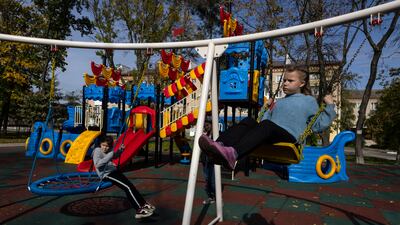
Alla, 12, has a swinging time in Balakiya, Ukraine, as life goes on despite the war. Getty Images -
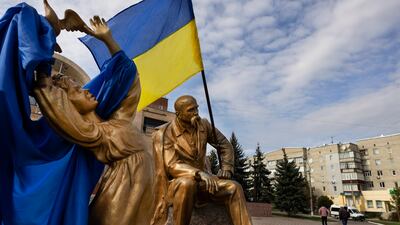
Ukrainian flags in the town square in Balakiya. Getty Images -
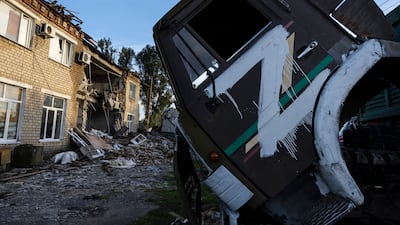
A destroyed Russian command centre in Izium, Ukraine. Getty Images -

In what may be a final farewell, young Russian recruits - escorted by their wives - walk to a train station in Volgograd before being sent to war in Ukraine. AP -
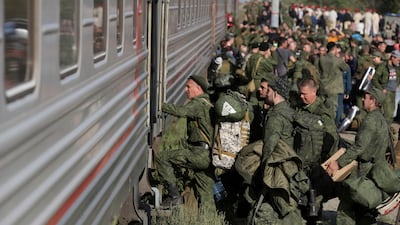
Russian recruits board the train to Ukraine in Volgograd. AP -
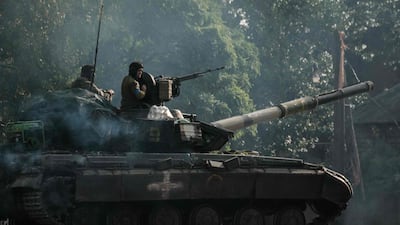
Ukrainian soliders drive a tank at the recently retaken eastern side of the Oskil River in Kharkiv region, Ukraine. AFP -
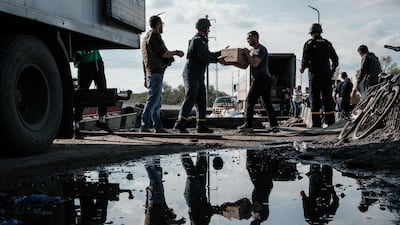
Volunteers pass boxes of food aid on a destroyed bridge over the Oskil River. AFP -
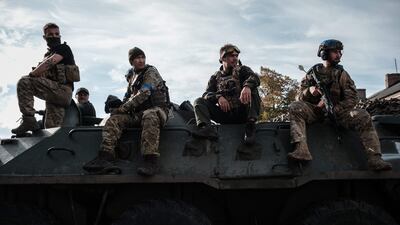
Ukrainian soliders rest on an armoured personnel carrier. AFP -
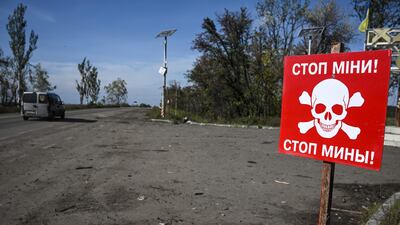
A sign warns of landmines in Izyum, eastern Ukraine. AFP -
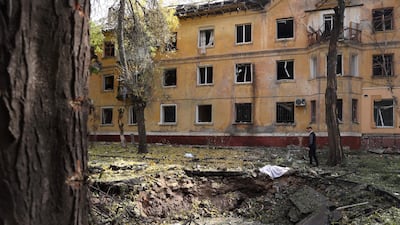
This crater was left after a missile strike in the Donetsk region of Ukraine. AFP


“The ability for a 155mm shell to travel 40, 50, 60 kilometres above what we used to get, of about 25km, is a slight game changer,” he said.
“Couple that with a cheap UAV that can spot it right on to a target in a way that means your artillery is more efficient means that we really have to be good at hiding or moving pretty quickly.”
The key to winning future battles was “who can detect the enemy and who can do something about it quicker than your opponent”.

