


Liz Truss and Rishi Sunak have outlined plans to save households money and reduce serious crime in their latest Conservative leadership race pledges.
Mr Sunak, the former chancellor, has announced he would scrap VAT on all domestic energy bills for the next year, saving the average household £160 ($193), if he became prime minister.
The move is part of his “winter plan” to tackle inflation and the high cost of living which, his campaign team says, stands in contrast to the inflationary £55 billion of fiscal commitments Ms Truss has made.
On top of scrapping VAT on all domestic energy bills, the Tory leadership hopeful said he would also undertake major supply-side reforms.
“Tackling inflation and getting people the support they need to help with the cost of living is critical," Mr Sunak said.
“That’s why, with the price cap expected to rise above £3,000 in October, I will move immediately to scrap VAT on everyone’s domestic energy bills for the next year, saving the average household £160.
“This temporary and targeted tax cut will get people the support they need whilst also – critically – bearing down on price pressures.
"As chancellor I knocked £400 off everyone’s energy bill and provided support of £1,200 for the most vulnerable households. This additional VAT cut will help deal with the current emergency.
“I will also begin undertaking major supply side reforms targeted at the rising cost pressures families are facing.
“That means urgently getting more people off welfare and into work, and tackling the supply chain crunch.”
Under his new plan, Mr Sunak would expand the labour force by tightening the rules on out-of-work benefits, doubling the number of hours someone on welfare has to work a week to avoid having to look for a full-time job.
He would also look at new incentives to support inactive older workers returning to the labour market, and would reduce the UK’s dependence on French ports.
-
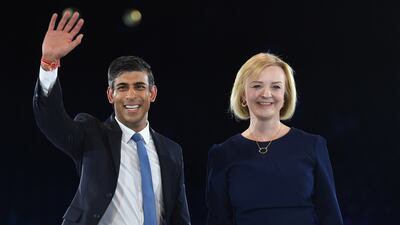
Candidates Rishi Sunak and Liz Truss at the Conservative Party leadership election hustings at Wembley Arena, London. This was the final hustings attended by Tory Party members who will vote for the new leader and next prime minister. EPA -
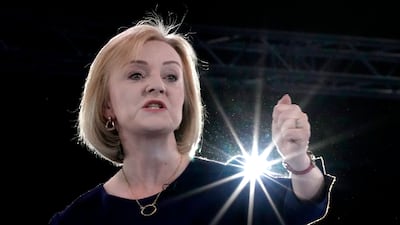
Liz Truss addresses Conservative Party members at Wembley Arena. AP -
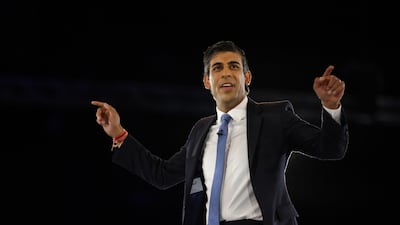
Mr Sunak puts forward his case to be leader while speaking at Wembley Arena. Bloomberg -
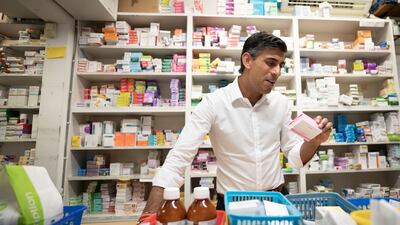
Mr Sunak visits his family's old business, Bassett Pharmacy in Southampton, while on the campaign trail. Reuters -

Ms Truss speaks to staff at Condimentum Ltd at the Food Enterprise Park in Norwich. Getty Images -
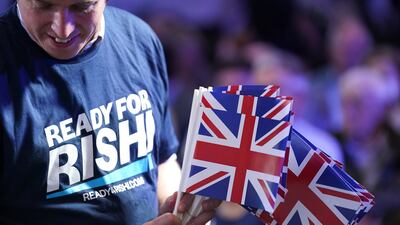
A Rishi Sunak supporter at a hustings event in Norfolk. PA -
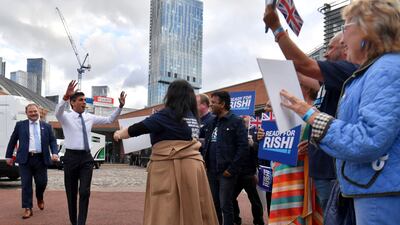
Mr Sunak greets people at a leadership hustings in Manchester. Bloomberg -
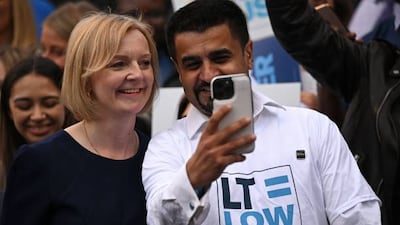
Ms Truss poses for a selfie with a supporter as she arrives for the event in Manchester. Getty -
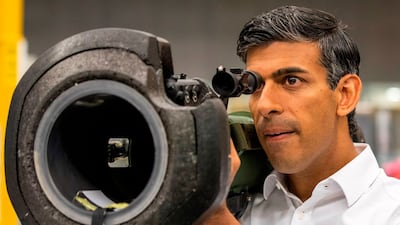
Rishi Sunak looks through the sights of an anti-tank missile launcher, supplied to Ukraine, during a visit to the Thales Defence System plant in Belfast, Northern Ireland. AP -
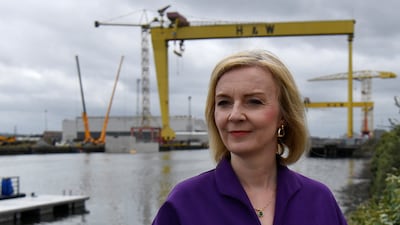
Liz Truss at a Conservative Party leadership campaign event in Belfast. Getty -
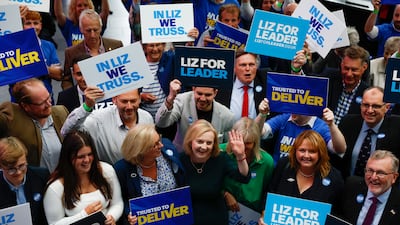
Liz Truss meets supporters before a hustings in Perth, Scotland. Getty -
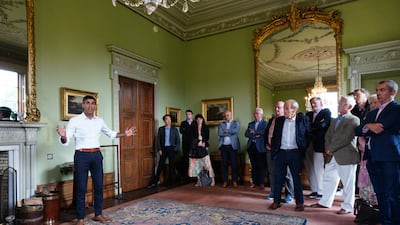
Rishi Sunak speaks during a campaign visit to Cluny Castle in Inverurie, Scotland. Getty -
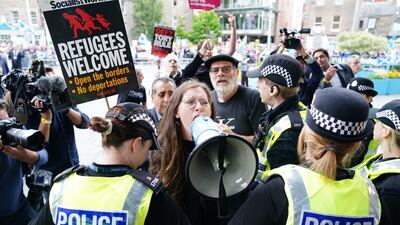
Police hold back protesters outside Perth Concert Hall, Scotland, where Conservative leadership candidates Liz Truss and Rishi Sunak were speaking. PA -
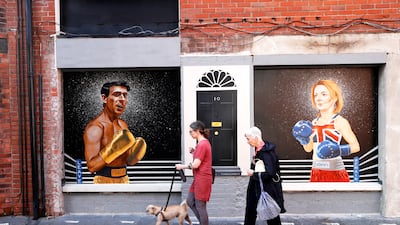
A mural showing the two leadership contestants appears on a wall in Belfast, Northern Ireland. AP -
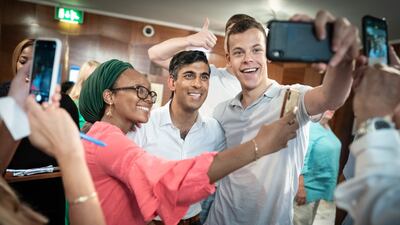
Rishi Sunak during a visit to St John's Wood Synagogue, north London. PA -
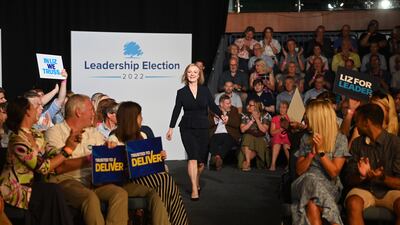
Liz Truss at the Conservative Party leadership election hustings in Cheltenham. EPA -
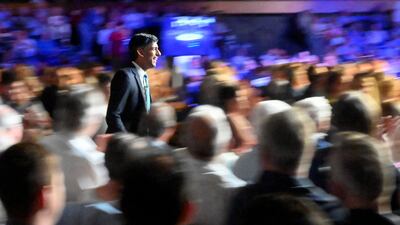
Rishi Sunak during a hustings event in Cheltenham. Reuters -
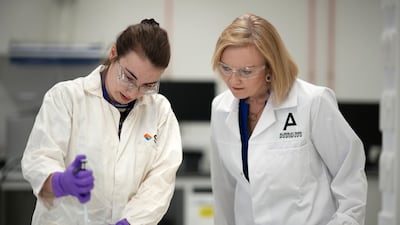
Liz Truss speaks to scientists during a campaign visit to a life sciences laboratory at Alderley Park in Manchester. PA -
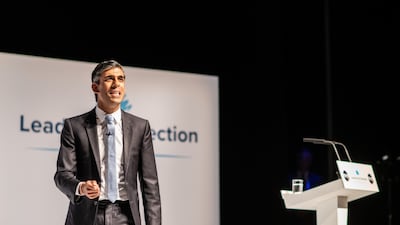
Rishi Sunak during a campaign hustings in Darlington, England. Bloomberg -
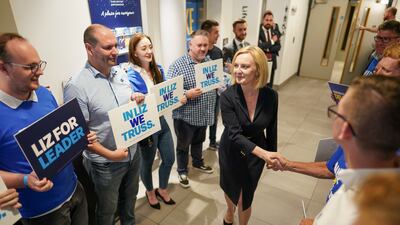
Liz Truss meets party members before she speaks at the Darlington campaign hustings. Getty -
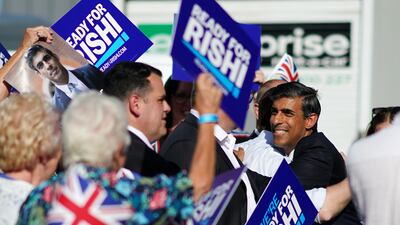
Rishi Sunak arrives for the Darlington hustings. Getty -
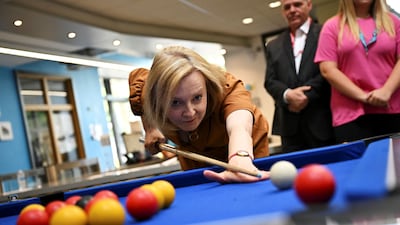
Liz Truss plays pool during a visit to the Onside Future Youth Zone in London. Reuters -
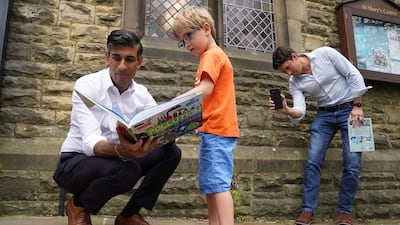
Rishi Sunak looks at a book with Teddy Openshaw, 4, as his father, Henry, looks on after a Conservative leadership campaign event in Ribble Valley, Lancashire, England. Getty -
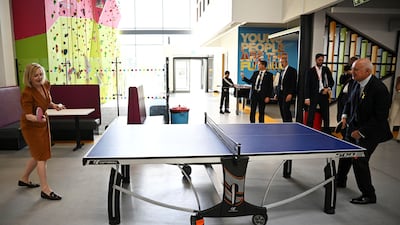
Liz Truss plays table tennis with former Conservative party leader Iain Duncan Smith during a visit to the Onside Future Youth Zone in London. Reuters -
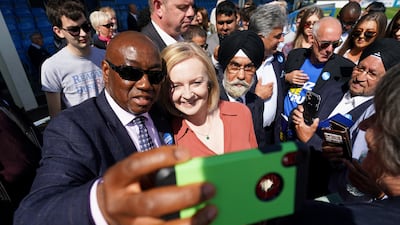
Liz Truss with supporters at a campaign event in Solihull, England. Reuters -
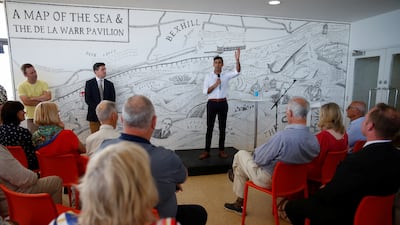
Rishi Sunak attends a campaign event held by his party in Bexhill, England. Reuters -
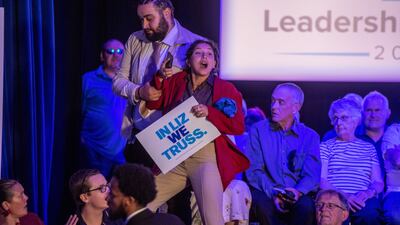
A protester is removed as Ms Truss speaks during the Conservative Party leadership hustings in Eastbourne. Bloomberg -
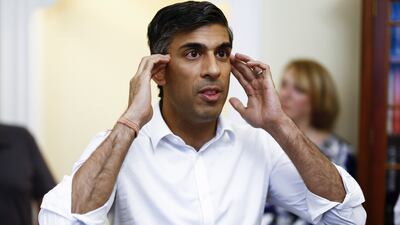
Mr Sunak speaks at an event in Edinburgh. PA -
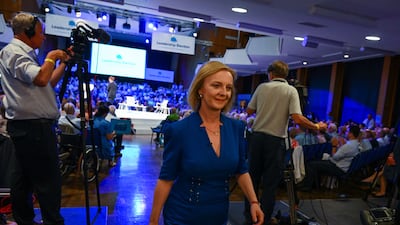
Ms Truss leaves the hall in Exeter, south-west England, after her speech to a Conservative Party membership hustings. Getty -
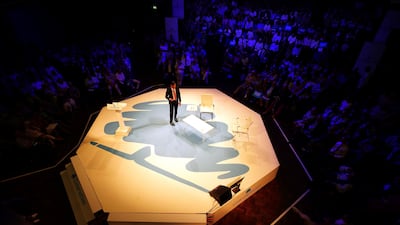
Mr Sunak speaks at the University of Exeter in south-west England. AP -

A supporter of Ms Truss at a Conservative Party hustings in Exeter, south-west England. Getty -
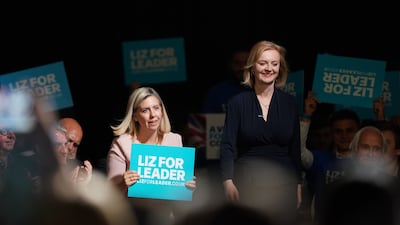
Ms Truss at a hustings event at the Pavilion conference centre at Elland Road in Leeds. PA -
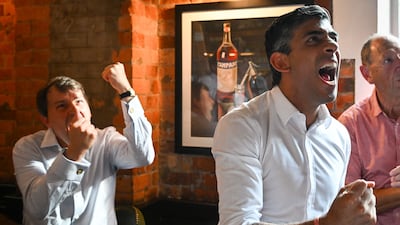
Mr Sunak in Salisbury watching a screening of the Uefa Women's Euro 2022 final between England and Germany at Wembley stadium. England won 2-1 in extra time. PA -
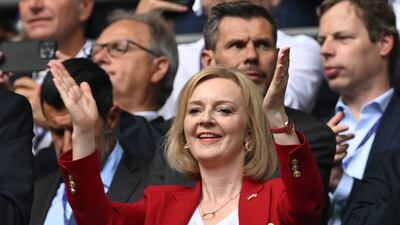
Ms Truss before the Uefa Women's Euro 2022 final at Wembley stadium in London. AFP -
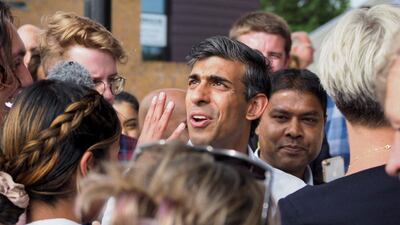
Mr Sunak meets Tory members at Fontwell Park Racecourse. Reuters -
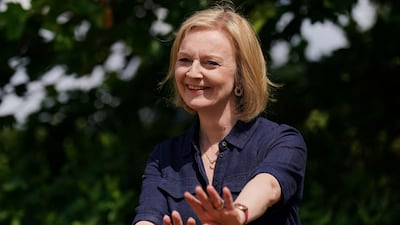
Ms Truss at an event in Dereham, Norfolk. AFP -
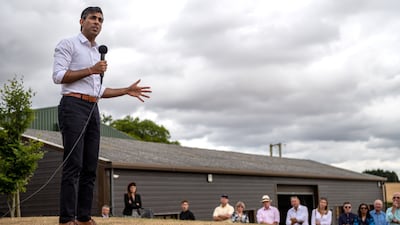
Mr Sunak in Ropley, near Winchester, Hampshire. PA -
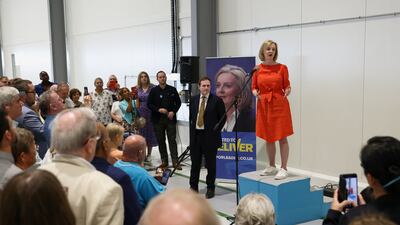
Ms Truss speaks as Conservative Member of Parliament Tom Tugendhat looks on at a Conservative Party leadership campaign event at Biggin Hill Airport. Getty -
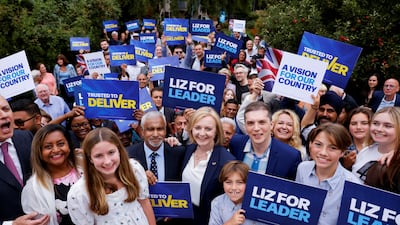
Ms Truss on the campaign trail in Woodford Green, on the outskirts of London. Reuters -
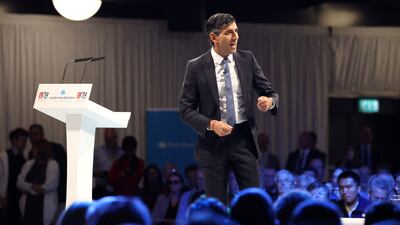
Mr Sunak at a Conservative Party hustings event in Leeds. AFP -
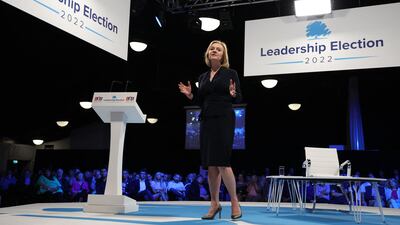
Ms Truss speaks at the hustings event in Leeds. AFP -
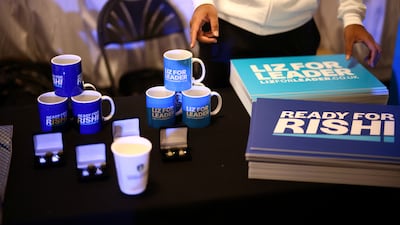
Sunak and Truss-themed souvenirs at a stand during the Leeds hustings event. Reuters -
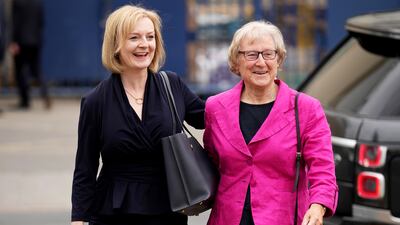
Ms Truss, and her mother, Patricia, arrive for the hustings event. Getty -
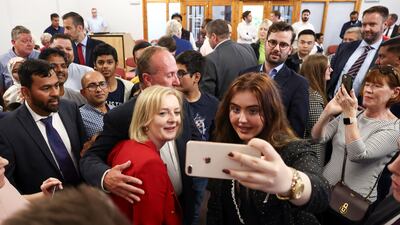
Ms Truss poses with supporters in Morley, England. Getty -

Mr Sunak delivers a speech during a campaign event in Newmarket. AFP -
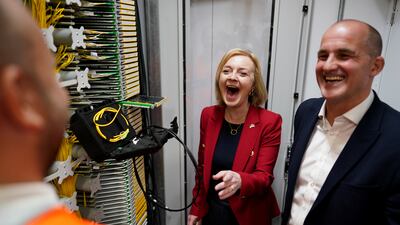
Ms Truss and Jake Berry, MP for Rossendale and Darwen, during a visit to a broadband interchange company in Leeds. PA -
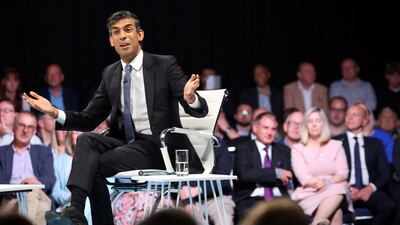
Mr Sunak answers questions as he takes part in the hustings in Leeds. AFP -
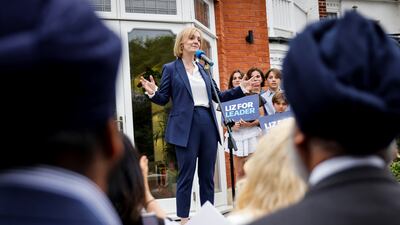
Ms Truss speaks at an event at a private house with members of the Conservative Party in Woodford Green. PA -
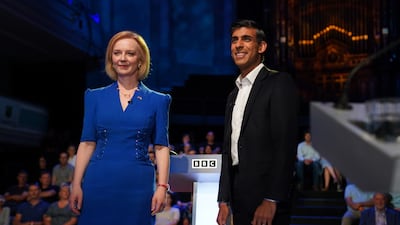
Ms Truss and Mr Sunak pose for a picture before a BBC leadership debate at Victoria Hall in Hanley. Getty -
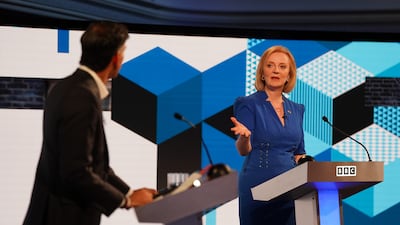
Ms Truss addresses Mr Sunak during the televised debate. Getty -
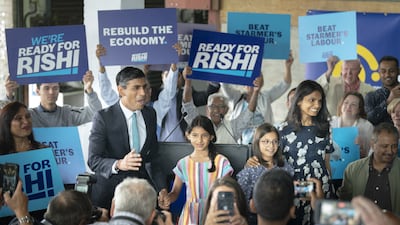
Mr Sunak, with daughters Krishna and Anushka, and wife Akshata Murthy, during a visit to Vaculug tyre specialists at Gonerby Hill Foot, Grantham. PA -
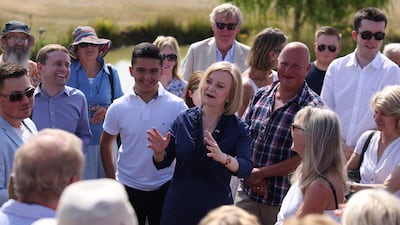
Ms Truss speaks to people while campaigning in Marden. Getty -
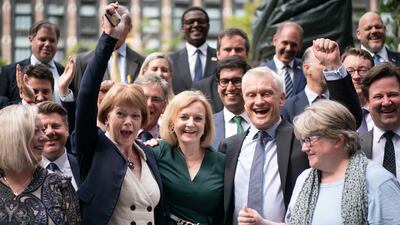
Ms Truss celebrates after being named, along with Mr Sunak, one of the final two candidates in the race to become the UK's next prime minister. PA -
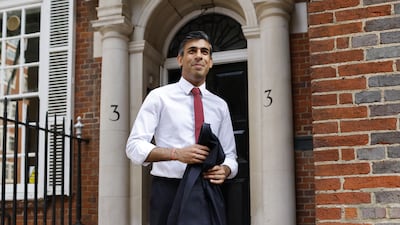
Mr Sunak outside his campaign office in central London. EPA -
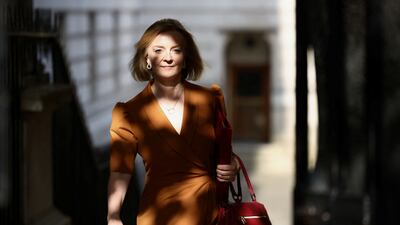
Ms Truss outside Downing Street in London. Reuters -
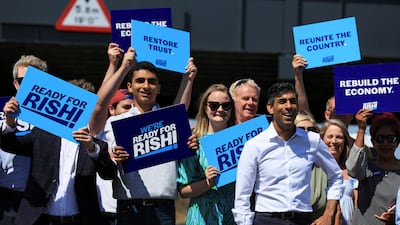
Rishi Sunak meets Conservative Party members and activists, in Teesport, Redcar. Reuters -
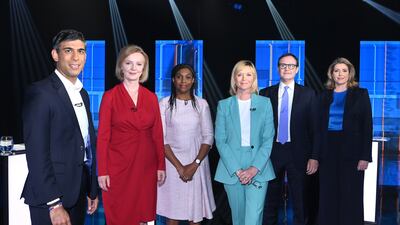
Conservative leadership candidates Mr Sunak, Ms Truss, Kemi Badenoch, presenter Julie Etchingham, Tom Tugendhat and Penny Mordaunt during 'Britain's Next Prime Minister: The ITV Debate' in London. EPA -
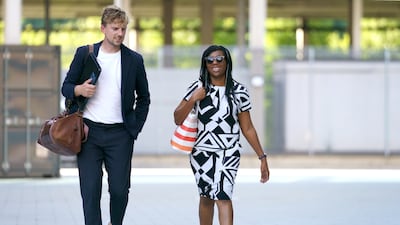
Ms Badenoch arrives at Here East studios in Stratford, east London, before a live television debate. PA -
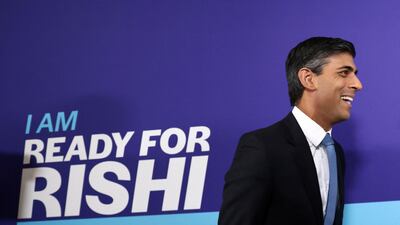
Mr Sunak arrives at a London event to launch his campaign to be the next Conservative Party leader and UK prime minister. Reuters -
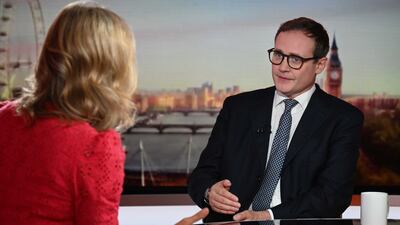
Mr Tugendhat appears on the BBC One current affairs programme, 'Sunday Morning'. PA -
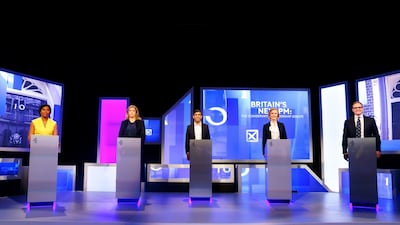
Ms Badenoch, Ms Mordaunt, Mr Sunak, Ms Truss and Mr Tugendhat before the live television debate. PA -
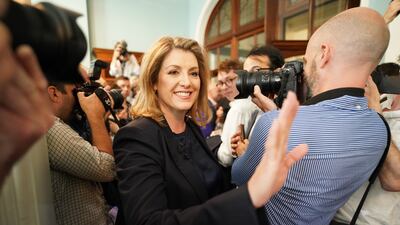
Ms Mordaunt arrives for the launch of her Conservative leadership campaign at the Cinnamon Club in Westminster. PA -
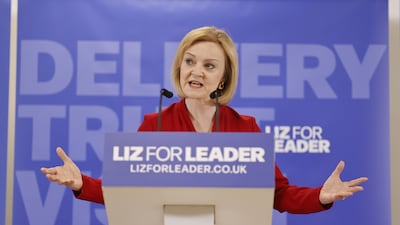
Ms Truss speaks at the launch event for her campaign to become the next leader of the Tory Party and Britain's prime minister, in London. EPA -

Chancellor of the Exchequer Nadhim Zahawi, one of the candidates who has been knocked out of the race, giving a speech at the Churchill War Rooms. PA -
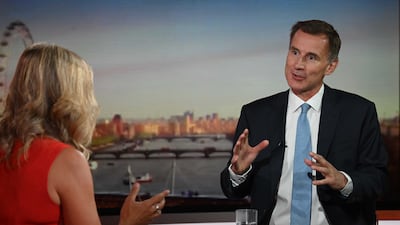
Former leadership candidate Jeremy Hunt appearing on the BBC One current affairs programme, 'Sunday Morning'. PA -

Sajid Javid attending the launch of his campaign to be Conservative Party leader and prime minister, at the Cinnamon Club in London. He has since been knocked out of the contest. PA -
Rehman Chishti is interviewed after announcing his bid to become the next prime minister. Mr Chishti is no longer in the race. Getty -
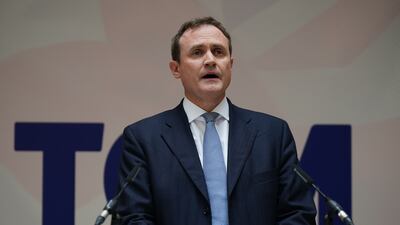
Mr Tugendhat speaking at the launch of his campaign. PA -
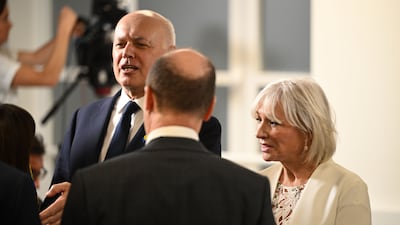
Culture Secretary Nadine Dorries and Conservative MP Iain Duncan Smith arrive for the Truss campaign launch event. Getty -
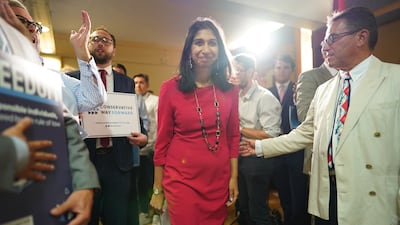
Former leadership candidate Attorney General Suella Braverman at the Churchill War Rooms in central London. PA -
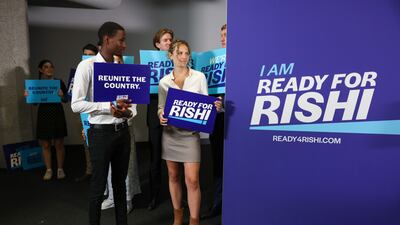
Supporters of Mr Sunak wait for his arrival ahead of the campaign launch. Bloomberg -
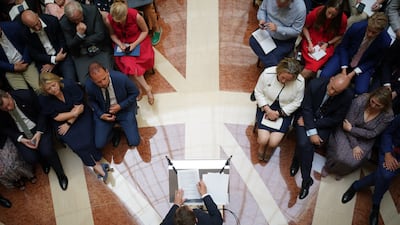
Mr Tugendhat makes a speech at the launch of his campaign. PA -
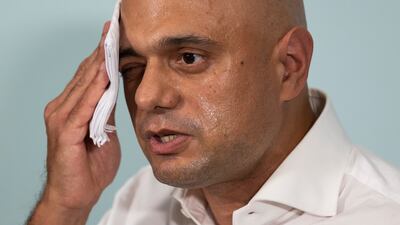
Mr Javid mops his brow while launching his campaign. Getty -
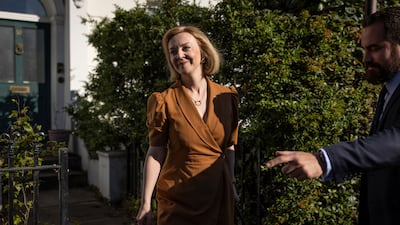
Ms Truss leaves for work after her announcement that she would be running for the leadership of the Conservative Party. Getty


Mr Sunak said that he would work with Britain’s biggest importers to build up trade with Dutch and Danish ports, ending the disruption that is causing the shortages and the price increases.
Work and Pensions Secretary Therese Coffey, who supports Ms Truss in the leadership race, suggested the former chancellor had retreated on his welfare proposals.
“Helping people progress in work by getting better jobs and more hours is a key role of job centres," she said.
“DWP [Department of Work and Pensions] will shortly change the rules to ensure people keep looking for extra work until they have at least 12 hours a week, with an ambition to increase that in the future.
“DWP had hoped to get this under way earlier this year, but unfortunately was blocked by the former chancellor.
“I share the ambition to go further but these new proposals require an extra £210m funding.
“In the meantime, we need to get on so we can help people be more prosperous and help grow the economy.”
“Will the real Rishi Sunak please stand up?" said shadow Treasury minister Pat McFadden.
“Once again he’s acting as his own personal rebuttal unit, attacking a policy for months then adopting it.
“Not content with playing hokey cokey with our taxes as chancellor, he’s devised a poor imitation of the windfall tax Labour called for, and now he wants to cut VAT on energy bills.
“It’s like he’s forcing himself to do dodgy cover versions of a band he insists he always hated.
“This is just another example of the Tory party trying to cling on despite 12 years of continuous failure, when the truth is they are out of time and out of ideas.”
Meanwhile, Liberal Democrat Treasury spokeswoman Sarah Olney said that “this sounds like another Sunak Swindle”.
“His tax hikes alone have cost families four times as much as this measly plan would ever save them," Ms Olney said.
“It is proof that both Sunak and Truss are out of touch and out of ideas. All they can offer is half-baked policies that won’t save people from the frankly frightening rise in energy bills this winter.
“Both candidates are tax-hikers who are guilty of breaking promises made to the British public. We can’t trust them to govern this country through an economic crisis.
“If Conservative MPs refuse to listen to our calls for an emergency tax cut, they face a reckoning from Blue Wall voters at the next election.”
Meanwhile, Ms Truss has pledged to publish police league tables while asking forces to slash serious crime by 20 per cent if she wins the race for Downing Street.
She said she wanted police to “spend their time investigating real crimes, not Twitter rows and hurt feelings”.
If she becomes prime minister at the beginning of September, Ms Truss said her government would tell police to cut homicide, serious violence and neighbourhood crime by a fifth by the end of this Parliament.
She would release crime rate statistics showing how each force is performing against the national average, with leaders of underperforming ones forced to give improvement plans.
Ms Truss also wants every domestic burglary to be attended by a police officer in person.
She said she would give police and crime commissioners more powers to “veto training that focuses on identity politics”.
Free speech would be protected in the code of practice governing hate incidents, she said.
“People across our country want criminals locked up and crime prevented, so they feel safe on their streets," Ms Truss said.
“We and our fantastic Conservative police and crime commissioners have made good progress since the 2019 election, with over 13,000 new police officers on the streets and the increase in powers and resources having a real impact in communities around the country.
"But we now need to go further and faster.
“It’s time for the police to get back to basics and spend their time investigating real crimes, not Twitter rows and hurt feelings.
"People can trust me to deliver and these league tables will help hold the police to account, making our streets safer and our country more prosperous.”
The Commons public accounts committee recently warned that the Home Office faces “significant challenges” in hiring another 6,500 officers by next March to reach the Conservative manifesto target of 20,000.
MPs on the powerful committee criticised the programme’s focus so far “on getting people through the door” without setting out how the new officers’ impact on crime will be assessed.
“Burglars, thugs and murderers should expect to be taken off our streets and thrown behind bars, but it’s unfortunate that some chief constables are not cracking down as hard as they should be," said a Truss campaign source.
“Liz will hold their feet to the fire, and these newly published statistics will help the public do the same.”
A campaign representative for Rishi Sunak said: “A lightweight plan based on publishing data the government already does and a power grab away from Police and Crime Commissioners, including many excellent Conservative PCCs driving down crime in their area.
“The real way to get crime down is more police on the streets, which is why Rishi Sunak has prioritised funding to get these 20,000 new officers by the next general election.
“And on ‘non-crime hate incidents’, we don’t need a code of practice. Things are either illegal or legal.
"Free speech is legal and the police should not be wasting time getting involved, and they won’t in a Rishi Sunak government.”

