

The youngest patient to be treated in Britain using pioneering proton beam therapy has helped mark the three-year anniversary of his treatment.
Teddy Slade recently celebrated his fourth birthday but was only 18 months old when he had surgery to remove a rare brain tumour, followed six and a half weeks of proton beam therapy.
He was treated at The Christie, in Manchester, one of England’s leading cancer hospitals and the first to offer high-energy proton beam therapy on the country’s National Health Service.
The £125 million ($170 million) centre was launched in late 2018; a second, in London, opened last year.
Together, they have the capacity to treat 1,300 patients a year.
Teddy, who lives in Stockport, Greater Manchester, has regular check-ups to monitor his progress.
He is now enjoying nursery school and is leading a full and happy life with his parents, Amy and Dan, and siblings, Lottie, 17, and Charlie, 14.

Proton beam therapy is a type of radiotherapy in which a beam of high-energy protons – small parts of atoms – are used to treat some types of cancer.
The treatment enables a dose of high-energy protons to be directed precisely towards a tumour, reducing the damage to healthy tissue and vital organs.
On World Cancer Day, Ms Slade said: “A diagnosis like Teddy’s is terrifying and devastating. However, the proton beam centre at The Christie is a place of hope.
“It was a huge shock when Teddy was diagnosed as he was so young, and to be told he had a brain tumour was absolutely heartbreaking.”
Teddy’s doctor, consultant clinical oncologist Dr Gillian Whitfield, said: “It is great to see Teddy doing so well and we were thrilled to be able to help him here at The Christie.
“Being able to give patients like Teddy this vital proton beam therapy in the UK is fantastic, as it not only reduces the side-effects of treatment, but also means families don’t have to travel abroad as many did before the NHS opened the centre here in Manchester.”
Dame Cally Palmer, NHS England’s national cancer director, said: “Since Teddy first received proton beam therapy treatment at The Christie, over 700 patients in the UK, including 300 children, have benefited from this pioneering treatment in the NHS.
“In the last few months we have also opened a second centre at University College London Hospital, meaning even more patients now have access to this world-class, innovative care for cancer.
“This is a major milestone for the NHS and marks the completion of our plans to deliver proton beam therapy in the UK and transform cancer treatment across the country.”
World Cancer Day in pictures - 12 celebrities opened up about having the disease
-

Actress Sofia Vergara had thyroid cancer when she was 28 years old. AFP -
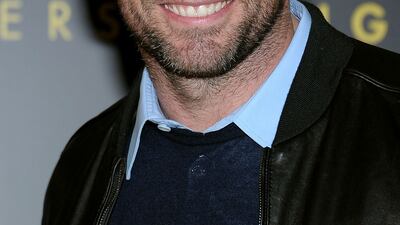
Hugh Jackman has been diagnosed with basal cell carcinoma, a malignant type of skin cancer, several times. AFP -
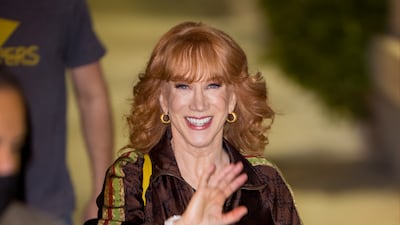
US comedian Kathy Griffin was recently declared cancer free after having half her left lung removed. RB/Bauer-Griffin/GC Images -
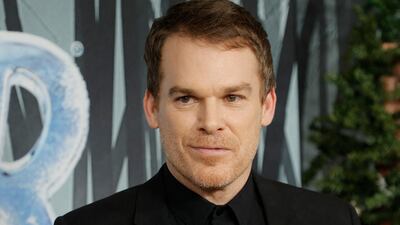
Michael C Hall had Hodgkin's lymphoma while filming hit TV series 'Dexter'. AFP -
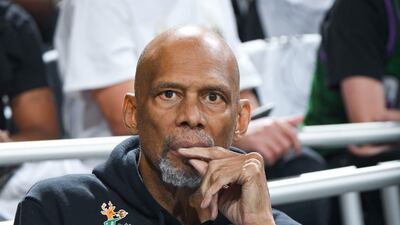
Former NBA star Kareem Abdul-Jabbar has had both prostate cancer and chronic myeloid leukemia. AFP -
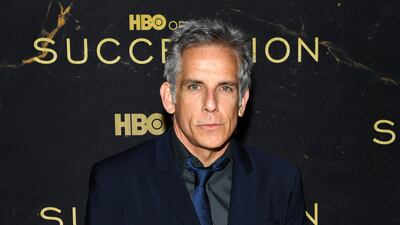
Actor Ben Stiller was treated for prostate cancer in 2014. AFP -

Bollywood actress Sonali Bendre had metastatic cancer in her abdomen. AFP -

Nepalese actress Manisha Koirala had ovarian cancer in 2012. AFP -
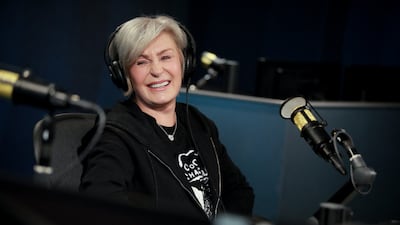
British TV personality Sharon Osbourne was diagnosed with colon cancer in 2002, and also had a double mastectomy in 2012 after finding out she had the gene that increases risk of getting breast cancer. AFP -

Khloe Kardashian has been treated for skin cancer in the past. AFP -

Lebanese singer Elissa has famously discussed her journey with breast cancer. AFP -
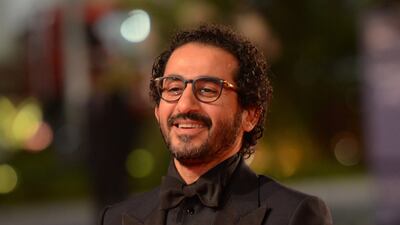
Egyptian actor Ahmed Helmy underwent treatment for cancer while his wife, Mona Zaki, was pregnant with their child. AFP -

From left: Ahmed Helmy, Khloe Kardashian and Manisha Koirala have all opened up about their cancer journeys. Photos: Front Row, AP Photo, AFP



