
French President Emmanuel Macron called on Iran to respect its nuclear obligations in a conversation with President Hassan Rouhani, saying this is the moment the international community must come together to fight the coronavirus.
"He hoped that Iran would turn to the respect of its nuclear obligations, refrain from taking new measures contrary to the Joint Comprehensive Plan of Action and contribute to the easing of regional tensions," the Elysee said.
Tensions have risen sharply between Tehran and Washington since US President Donald Trump withdrew from a landmark nuclear agreement in 2018 and reimposed sweeping sanctions.
-
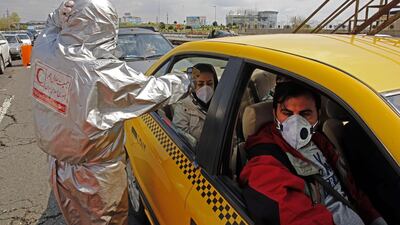
Members of Iranian Red Crescent test people with possible coronavirus Covid-19 symptoms, as police blocked Tehran to Alborz highway to check every car following ordered by the Iranian government, outside Tehran. AFP -
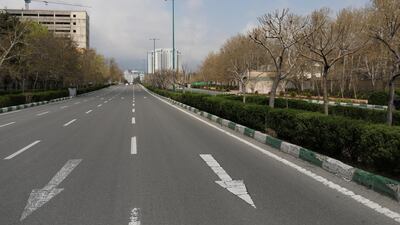
General view of a deserted street, during the intercity ban, amid fear of coronavirus disease (COVID-19), in Tehran, Iran. REUTERS -
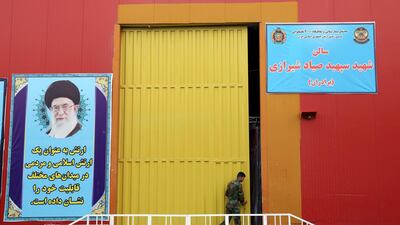
A member of the Iranian Army works at a temporary hospital in Tehran, Iran. AP Photo -
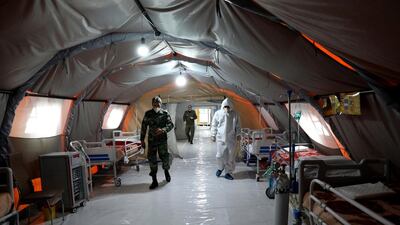
Iranian army soldiers work in a temporary 2,000-bed hospital for COVID-19 coronavirus patients set up by the army at the international exhibition center in northern Tehran, Iran. AP Photo -
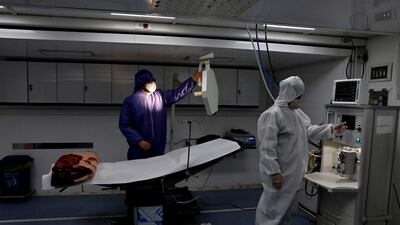
People in protective clothing work in a temporary 2,000-bed hospital for COVID-19 coronavirus patients set up by the Iranian army at the international exhibition center in northern Tehran, Iran. AP Photo -
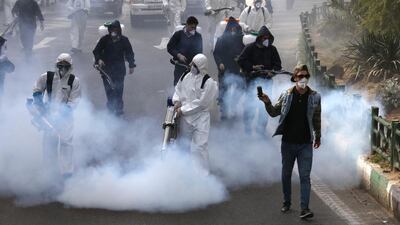
Firefighters disinfect a square against the new coronavirus as a man takes film, in western Tehran, Iran. AP Photo -
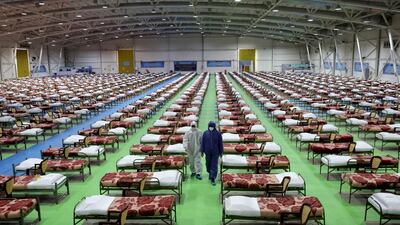
People in protective clothing walk past rows of beds at a temporary 2,000-bed hospital for COVID-19 coronavirus patients set up by the Iranian army at the international exhibition center in northern Tehran, Iran. AP Photo -
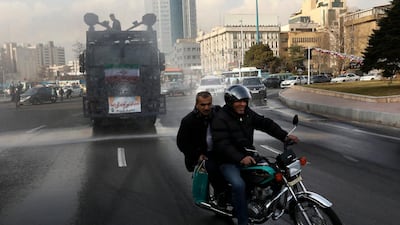
A police vehicle disinfects streets against the coronavirus, in Tehran, Iran. AP Photo -
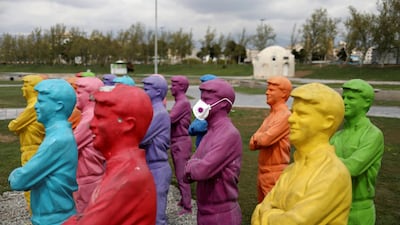
A statue wearing a protective face mask is pictured, amid fear of coronavirus disease (COVID-19), in Azadi square, in Tehran, Iran. REUTERS -
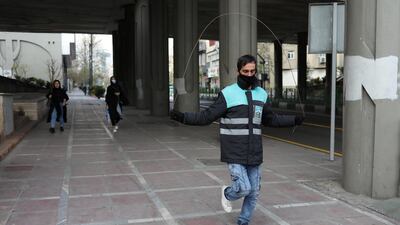
A man wearing a protective face mask and gloves, amid fear of coronavirus disease (COVID-19), jumps rope at Valiasr street in Tehran, Iran. REUTERS -
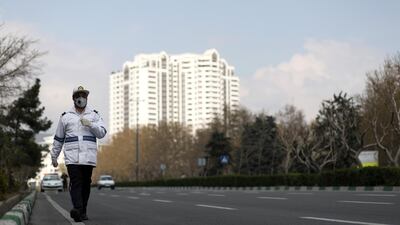
A traffic police officer wears a protective face mask and gloves, amid fear of coronavirus disease (COVID-19), as he walks in Tehran, Iran. REUTERS -
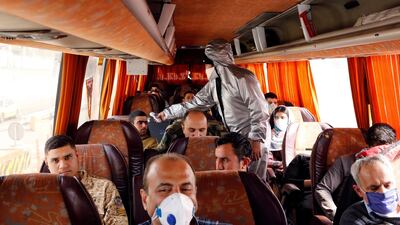
A member of Iranian red crescents test passengers of a bus for possible coronavirus Covid-19 symptoms, as police blocked Tehran to Alborz highway to check every car following ordered by Iranian government, outside of Tehran. EPA -
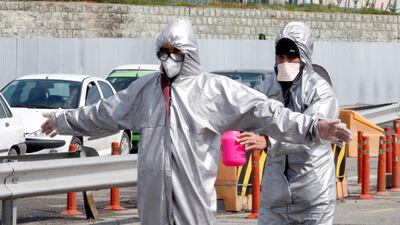
Members of Iranian Red Crescent get themselves disinfected after testing people for possible coronavirus Covid-19 symptoms, outside of Tehran. EPA


They escalated further in January when the US killed Iranian general Qassem Suleimani in a drone strike near Baghdad airport.
Iran retaliated by firing at bases in Iraq housing US troops.
While on high alert for a response after Soleimani's killing, Iranian air defences shot down a Ukrainian airliner minutes after take-off from Tehran, killing all 176 people on board.
Tehran also said it would no longer respect limits set in the deal on how many centrifuges it can use to enrich uranium.
Iranian Foreign Minister Javad Mohammad Zarif said the move was a "remedial step" taken within the framework of the nuclear deal. He said it could be reversed.
The deal was aimed at capping Tehran's nuclear activities in return for the lifting of sanctions.
Iran has repeatedly called on the Trump administration to reverse its sanctions policy, which has been opposed even by US allies, particularly since the Covid-19 pandemic hit.
Democratic presidential front-runner Joe Biden last week called for the United States to ease sanctions on Iran to reduce suffering as the Islamic republic reels from the coronavirus pandemic.
Mr Biden said the United States should set up a dedicated channel for banks and other companies to operate in Iran and issue licences for the sale of pharmaceuticals and medical devices.
The former vice president also called for guarantees to aid groups that they will not be penalised for operating in Iran – and said Tehran should reciprocate by freeing detained Americans.
Mr Biden said that Mr Trump's "maximum pressure" campaign on Iran had "badly backfired" by encouraging aggression from the regime.
"It makes no sense, in a global health crisis, to compound that failure with cruelty by inhibiting access to needed humanitarian assistance," Mr Biden said.
"Artificially limiting the flow of international humanitarian assistance to pursue a political point will not only allow the Iranian government to deflect responsibility for its own botched response, it will increase the threat this virus poses to the American people, now and in the future."
His appeal came a day after his rival for the nomination, Bernie Sanders, led left-leaning lawmakers in calling for a lifting of US sanctions on Iran, where more than 3,100 people have died from Covid-19.

