


Sanctions and energy subsidy reductions might have hurt the Iranian automotive industry. But car makers at one factory are still optimistic, Yeganeh Salehi reports from Tehran. All photos by Maryam Rahmanian for The National
-
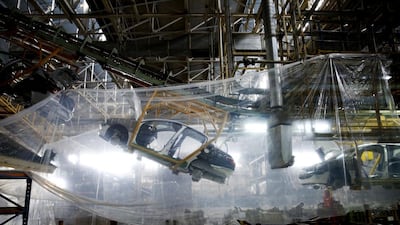
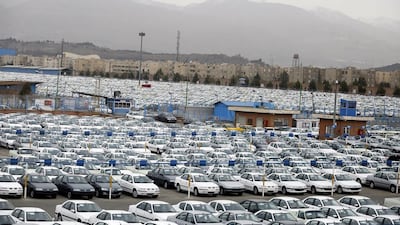
In a recent visit to the Iran Khodro factory in west Tehran rows and rows of new cars were lined up outside waiting for customers. “Three years ago the number of cars parked here was twice as much and workers didn’t have a minute to rest, but now both production and sales have slowed down,” said Hossein Ranjbar, a plant manager. -
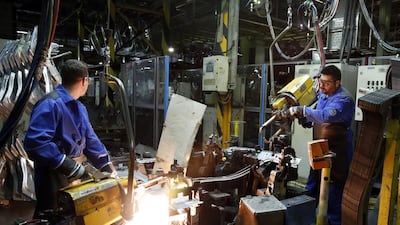
At its peak, Iran Khodro, exported cars to 25 countries and had assembly factories in Azerbaijan, Belarus, Syria, Venezuela, Senegal and Iraq. It provided jobs for 37,000 workers in its production plants in Iran, with another 15,000 working in related facilities. -
Today, there a total of 37,000 workers work in Tehran’s factory.
In pictures: Iran’s auto industry lives on
Most popular today

