A look inside Rahul Mishra's fashion design studio - in pictures
-
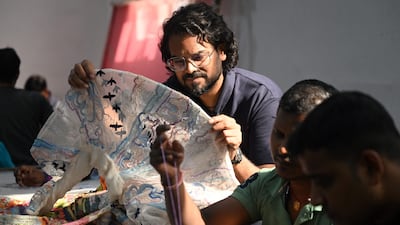
Indian fashion designer Rahul Mishra with his Paris Fashion Week collection, Cosmos, which was due to make its catwalk debut on January 23. All photos: AFP -
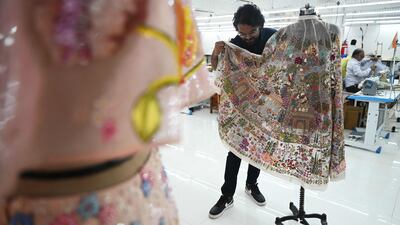
He takes design inspiration from fashion hub France and 19th-century impressionist painter Claude Monet. 'I want to achieve the impossible, I want to paint air,' the designer quoted Monet as saying -
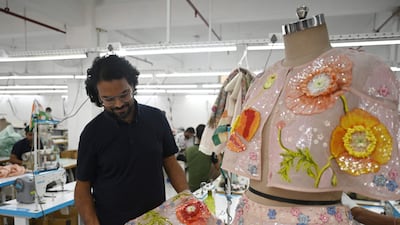
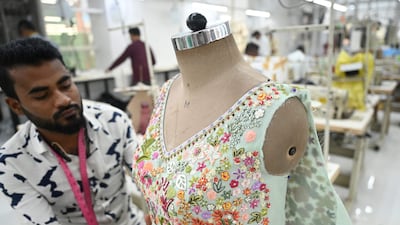
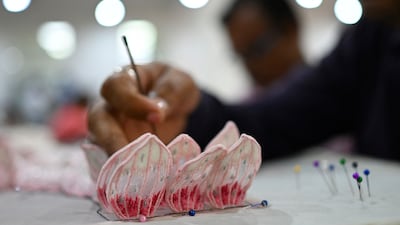
Mishra reflects the same artistic urge as Monet who depicted nature on canvas. Mishra exhibits nature on haute couture gowns, known for their bursts of embroidered floral colours and petal-shaped ornamental flourishes -
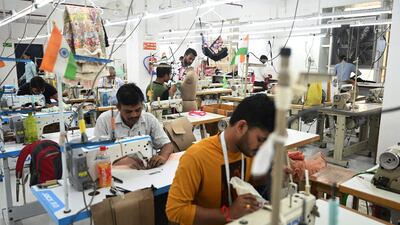
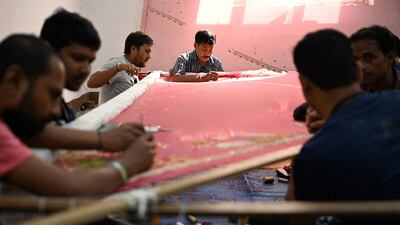
Dozens of designers, tailors and crafters in his workshop in New Delhi have worked to put together the collection -
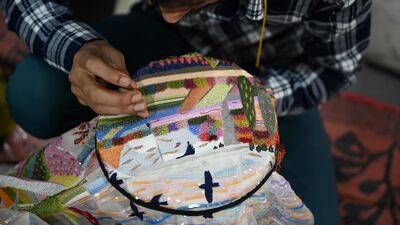
A craftsman with embroidery looms sews flower motifs on a delicate sheer fabric -
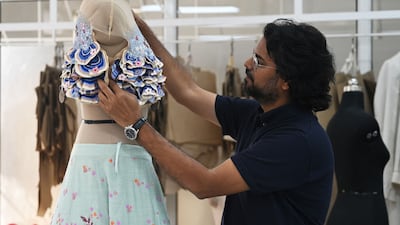
His creations became popular after he won the International Woolmark Prize, one of the fashion world's top accolades, in 2014 -
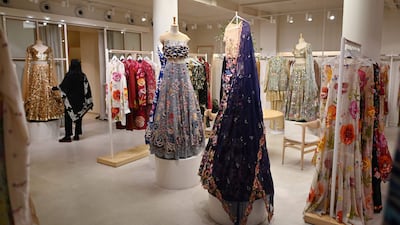
In the same year, the French Fashion Federation included his work on the Paris ready-to-wear runway, and in 2020 he became the first Indian to feature in its haute couture programme -
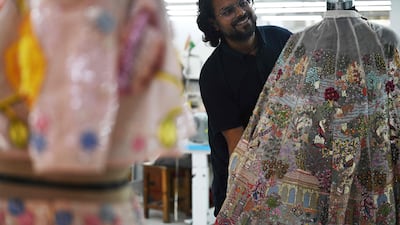
Nature has been the designer's most enduring source of inspiration. He first started sketching blooming flowers and natural scenery around his rural hometown when he was 10 -
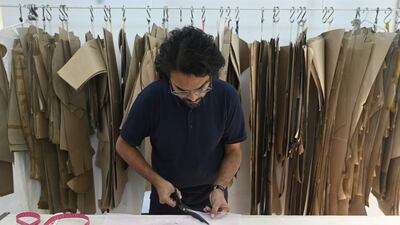
With no mentor and a doctor father, who pushed him to pursue a steady career, the designer took up science studies at a university. He later enrolled at the National Institute of Design, India's premier creative arts academy, before studying in Italy's fashion capital, Milan -
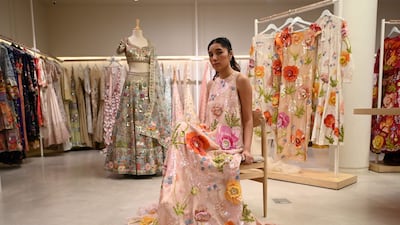
Items from his last collection The Tree of Life (pictured), sold for up to 12,500 euros ($13,500) -
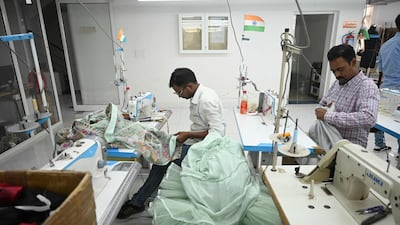
The couture designer aims to build a global presence and will launch a new ready-to-wear collection in Europe in March -
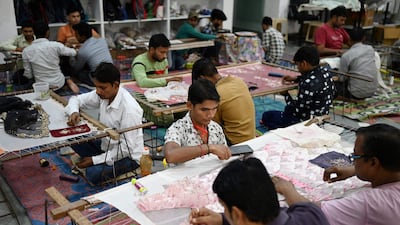
His first European boutique will open in London later this year as a joint venture with Indian conglomerate Reliance, a key distributor of luxury brands which has exclusive tie-ups with Balenciaga and Armani -
But his ambitions rest on building a 'fairly serious' alternative to fast fashion giants such as Uniqlo and Zara, using India's seemingly bottomless pool of textile talent -
'Now is the right time,' he said. 'My biggest goal is that one day we'll be able to provide employment for more than a million people around the world.' -
Like many artists, the designer makes the creation a reflection of the torment and doubt that come with habitual agonising over minute details -
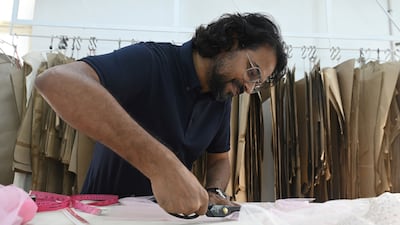
'We celebrate mistakes, we celebrate when we fail. I think more than the final fashion show... what excites me most is the process,' he said


Most popular today

