

A Myanmar junta court has filed five new corruption charges against ousted civilian leader Aung San Suu Kyi.
The charges relate to the alleged hiring and purchase of a helicopter, sources close to the case told AFP.
The Nobel laureate, 76, has been detained since the coup in February last year that triggered mass protests and a bloody crackdown on dissent, with more than 1,400 civilians killed, according to a local monitoring group.
Suu Kyi is facing several criminal and corruption charges, including breaching the country's official secrets laws, and if convicted of all of them could face being sentenced to more than 100 years in prison.
The charges were levelled against Suu Kyi on Friday afternoon and were related to the hiring, maintenance and purchase of a helicopter, AFP reported.
Former Myanmar president Win Myint will face the same charges.
In December, state newspaper Global New Light of Myanmar said the pair would be prosecuted for not following financial regulations and causing a loss to the state over the rent and purchase of a helicopter for former government minister Win Myat Aye.
He rented the helicopter from 2019 to 2021 and used it for only 84.95 hours out of 720 rental hours, the newspaper said.
He is now in hiding, along with other former lawmakers.
A Myanmar court on Monday convicted Suu Kyi of three criminal charges related to illegally importing and owning walkie-talkies and breaking coronavirus rules.
She was sentenced to four years in prison.
In December, she also received a two-year jail sentence for incitement against the military and for other coronavirus breaches.
The sentences will probably prevent Suu Kyi from participating in elections that the military junta has vowed to hold by August 2023.
Suu Kyi is expected to remain under house arrest as the other legal cases proceed.
-
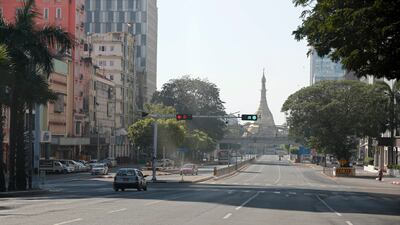
An almost-deserted street in Yangon, Myanmar's largest city. Activists had called on the public to take part in a silent strike on Friday. EPA -
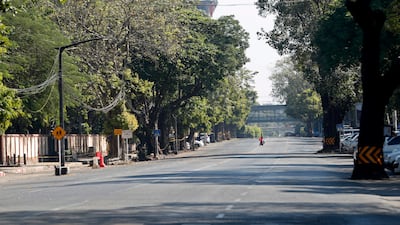
A woman crosses an empty street in downtown Yangon. For the silent strike, members of the public stayed at home and businesses closed from 10am to 4pm. EPA -

A church at the top of a deserted Yangon street. The silent strike is a protest against military rule, following a coup in February. EPA -
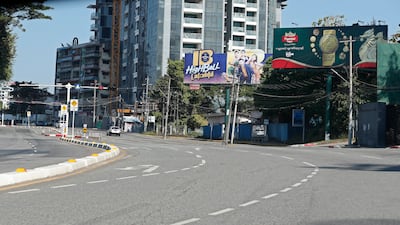
A taxi travels along an empty street in downtown Yangon. The military overthrew leader Aung San Suu Kyi and her government on February 1, triggering protests. EPA -

Military vehicles parked in downtown Yangon. On Monday, Ms Suu Kyi was sentenced to four years in prison – subsequently reduced to two years – after being convicted of the first of many charges she faces. EPA -
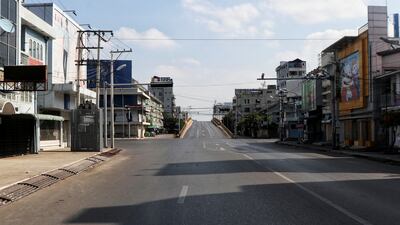
An almost empty road in Mandalay, central Myanmar. Social media posts indicated that the silent strike took place in a number of towns and cities. Reuters -
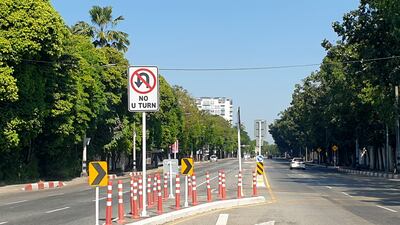
A car drives along an empty road in Yangon. On Sunday, five people were killed when security forces drove a car into an anti-coup protest in the city. EPA -
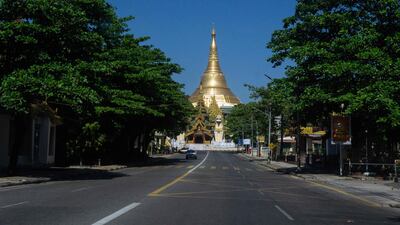
An empty street leading to the Shwedagon Pagoda in Yangon, during the silent strike. AFP -
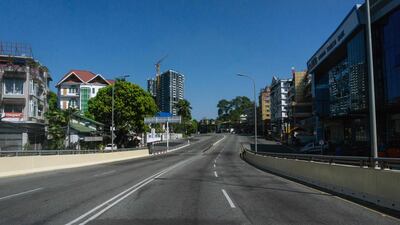
A deserted street in Yangon. Protests against the country's military are continuing despite the deaths of more than 1,300 people since the coup. AFP -
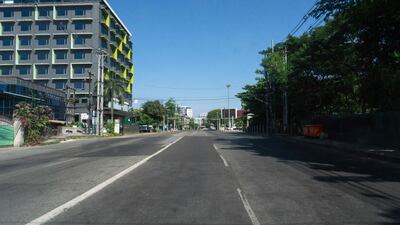
An empty street in Yangon. Myanmar's military has said it staged the coup because a November election won by Ms Suu Kyi's party was rigged. The country's election commission dismissed the claim. AFP -
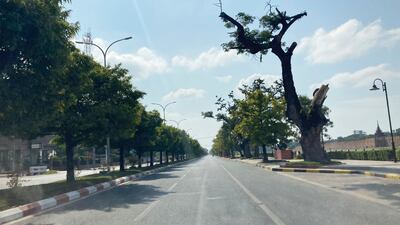
An empty street in Mandalay. The silent strike coincided with International Human Rights Day. AP -
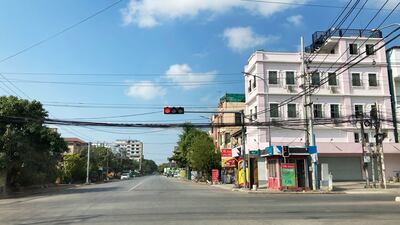
An deserted street in Mandalay. AP -
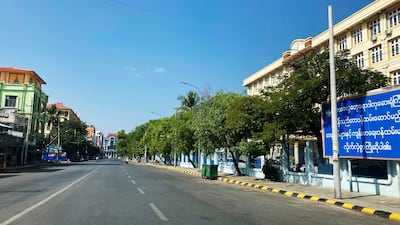
An empty street in Mandalay. A student activist from the General Strikes Collaboration Body protest group said participation in the silent strike had been widespread. AP


Journalists have been barred from attending the special court hearings in Naypyidaw and her lawyers were recently banned from speaking to the media.
The daughter of an independence hero, Suu Kyi spent nearly two decades enduring long periods of house arrest under the former military regime.
Her time in office was marred by her government's handling of the Rohingya refugee crisis in which hundreds of thousands escaped to Bangladesh in 2017 as they faced rapes, arson and extrajudicial killings at the hands of the Myanmar military.
Before the coup, Suu Kyi was on the cusp of beginning another five-year term as the country's de facto leader after the National League for Democracy won a landslide in November 2020 polls.

