


The only thing rising as quickly as Dubai's population is the cost of renting in the city.
And many are asking where the emirate's growing property market could go next.
Smaller housing for third-generation expatriates, new communities on the far outskirts of the city and more tenants becoming buyers are all on the horizon, according to urban planners and real estate experts.
And we're likely to see more residential skyscrapers as the population rises from 3.6 million today to a government-projected 5.8 million by 2040.
head of architecture, Heriot-Watt University Dubai
“Rental and purchase prices will continue to climb simply due to the lack of supply in the market,” said Lewis Allsopp, chief executive of real estate company Allsopp and Allsopp.
“For the next three years we're going to see a lot of pressure put on tenants in relation to affordability of living in Dubai.
“This will be counter-attacked potentially with more cheques for tenants and loans with lower interest rates over the next few years, which will ease the repayments of the mortgages and continue the price gains.”
The average price of residential units in Dubai grew by almost 17 per cent on an annual basis, up from 15.9 per cent year-on-year from the data recorded in May, according to consultancy CBRE, which released its Dubai Residential Market Snapshot report this month.
__________________________________
Dubai's latest housing projects – in pictures
-
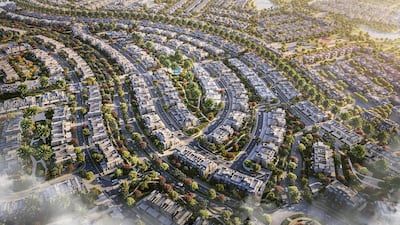
Dubai Properties launched Mudon Al Ranim last week, once completed the 182 townhouses will mark the conclusion of the Mudon master development. Photo: Dubai Properties -
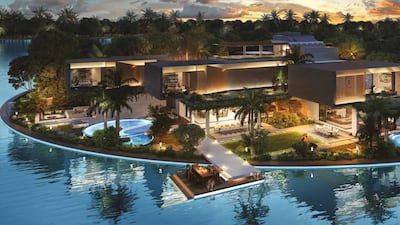
Tilal Al Ghaf is a new community based close to Motor City, Dubai. Photo: Knight Frank -
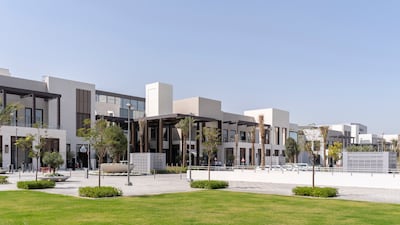
Dubai Hills has been named by experts as a popular up and coming location in the emirate. Photo: Emaar Malls Management -

A viewing deck in Dubai Creek Harbour where experts say is going to become one of the city's most popular communities. Chris Whiteoak / The National -
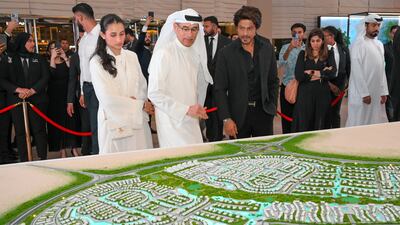
Emaar founder Mohamed Alabbar with Indian actor Shah Rukh Khan last month at the launch of a new $20 billion (Dh73 billion) luxury waterfront property development called The Oasis. Photo: Emaar -
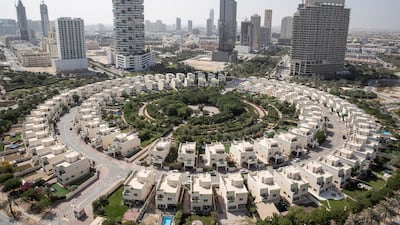
The Nakheel villas in Jumeirah Village Circle, another community thriving as families seek more value for money with their rent. Antonie Robertson / The National


__________________________________
Rents went up by 22.8 per cent on average in the year to June, down from the 24.2 per cent increase recorded the previous month.
Average annual apartment and villa rents stood at Dh104,685 and Dh314,552, in June, according to the same report.
The increasing rent costs are going to result in a significant number of tenants becoming homeowners in Dubai, Mr Allsopp said.
“Long term, I see more tenants evolving into buyers and first-time homeowners moving further afield to get themselves on the property ladder,” he said.
“Lots of people are asking themselves. 'Am I paying more to rent than I would if I finally get on the property ladder?'”
Here comes the silver economy
Another sign of the evolution of Dubai's property market will be the need to provide smaller housing for residents who have stayed here for several generations – something that was unheard of not so long ago.
“Previously, people viewed the city as a temporary stop, planning to move elsewhere after a short stay,” said Denis Leontev, partner with urban planning company Good Time City.
“However, the trend is changing, with more individuals now choosing to stay for over 10 years and even continuing to reside in Dubai after retirement.
“This shift will inevitably impact the way people live, the types of properties they seek, and their demands for public infrastructure.”
Typically, young people or families would live in vibrant districts before moving to larger homes with more bedrooms, giving priority to good school connections and access to sports facilities, Mr Leontev said.
When the children have grown up, he said, these people or couples typically downsize to smaller homes closer to nature.
“In the '90s and 2000s, Dubai was primarily known for its expat life, where families resided in other countries,” said Mr Leontev.
“Now, it's common for expats to live with their families and raise their children in Dubai.
“The next step is to develop an infrastructure for those whose children have grown up and left for international universities.
“These parents are now looking to move into smaller homes and communities that cater to their new requirements.”
Such developments are often known as silver economy communities, he said.

Catering for a growing population
The National reported last month how enrolment rates in Dubai schools are swelling as the number of families leaving the emirate was declining.
Waiting lists are now common, with several new schools being built to cope with the continued rise of Dubai's population.
The emirate’s population hit the 3.5 million mark in April last year because of a rise in migration.
Population growth is a driving factor for Dubai’s government, with a target figure of 5.8 million planned by 2040, along with a major physical expansion of the city.
The increasing population is creating a supply and demand imbalance, causing rents to increase, which will put middle and low-income families under further pressure, said another expert.
“The pressure to accommodate the growing population may also lead to more high-rise constructions, altering the city's skyline,” said Dr Harpreet Seth, head of architecture at Heriot-Watt University Dubai.
__________________________________
Three new communities in 2023 - in pictures
-
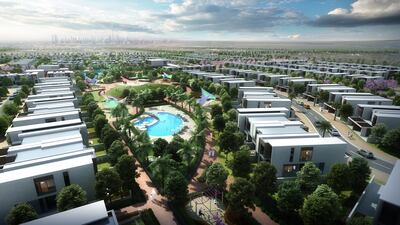
The Cherrywoods community is expected to be in high demand next year. Photo: Meraas -
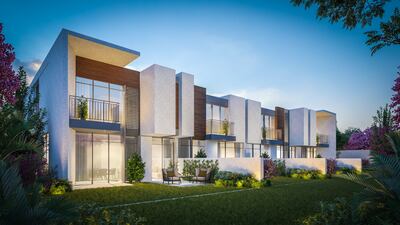
The development mostly features townhouses and larger-style villas. Photo: Meraas -
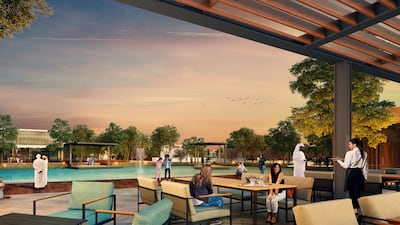
Cherrywoods is already tipped to be one of Dubai's most popular new communities. Photo: Meraas -
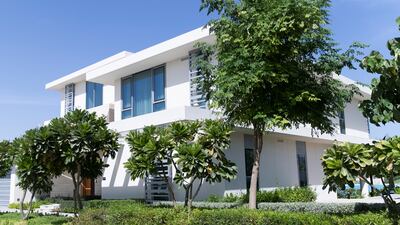
Majid Al Futtaim’s Tilal Al Ghaf is set to be one of the most eagerly awaited developments in 2023. Photo: Reem Mohammed / The National -

Arabian Ranches 3 is expected to open in 2023. Photo: Emaar


__________________________________
“The rapid pace of urban development is inevitable as Dubai aims to cater to its expanding population, potentially impacting surrounding areas and natural habitats.
“Sustainable development becomes crucial as resource management and environmental impact become pressing concerns.
“The increasing population will impact the transportation systems, making prioritising sustainable and well-connected transportation options vital.”
Moving to pastures new
Most experts agree that the rising population and increased rents in popular urban centres across the city is going to mean new communities popping up in new areas in the coming years.
“As the popular areas have reached their peak in terms of prices and development, investing in new communities allows buyers to take advantage of attractive prices and a wide range of property options before the regions grow bigger, more bustling and inevitably more expensive,” said Maureen Schraepler, senior sales consultant at real estate firm Betterhomes.
Areas that have peaked, according to Ms Schraepler, include Downtown, Marina and The Palm, with the likes of Dubai Hills, JVC and Dubai Creek Harbour emerging as popular newer communities.
“To be honest, I think ‘what’s next’ is already happening in that lots of properties are being sold off-plan, which is driving the creation of new master communities,” said Charlie Bannan, sales director with Haus and Haus Real Estate.
“Off plan sold in Q2 topped the secondary market for total properties sold, with off-plan edging 51.5 per cent.”
New communities are already starting to emerge as popular destinations in Dubai, Mr Bannan said.
“We’re already seeing this with Tilal Al Ghaf, which is slowly handing over now,” he said, referring to a new community near Dubai's Motor City.
“It’s a welcome new master community to the market, offering brand new and vacant homes for end users.
“Dubai Creek is continuing to hand over, as is Emaar Beachfront – both are already popular destinations.”
Other communities on the outskirts of the city are expanding.
One such example is that of Mudon Al Ranim, an expansion of the Mudon community near Al Qudra Road in Dubai.
The development at Mudon Al Ranim, which was launched last week, will add 182 townhouses when completed.

