


Dubai residents flocking to the suburbs in search of more space is one of the key property rental trends to emerge in recent months.
With the onset of home-schooling and the continuation of working from home, the effect of Covid-19 on Dubai residents has led to a sharp increase in migration to villas and townhouses, particularly those in outlying areas of the city, where the prices are more favourable.
While landlords are accepting more cheques, tenants are still using the option of paying in one or two cheques to drive the price down further.
Looking ahead to the year to come, experts predicted that short-term rentals will become more pronounced, as landlords look to earn more from their investment.
Rents across Dubai declined between 9 per cent and 17 per cent in 2020, according to international real estate services company Chestertons Mena.
Much of the reductions were in the newer areas, where tenants found better value in paying similar prices for more space in areas such as Mudon, Dubailand and Dubai South.
"2020 saw a clear post-lockdown rise in tenant demand for properties with outside space, with agents reporting an uptick in villa enquiries since May last year," said Chris Hobden, head of strategic consultancy, Chestertons Mena.
Lynnette Abad, director of research and data at Property Finder, said the website recorded a significant month-on-month growth in people using keywords such as pool, garden and balcony.
"If you look at rental contracts that have closed over the last few months, you have more in the villa townhouse sector than you do in the apartment sector, when you compare it to previous years," Ms Abad said.
“People realised ‘I'm going to be spending all my time at home. My home is going to become my office. My home is going to become my children's school – my home is going to be everything’.
“They decided to go more towards the outskirts of Dubai – I call them the suburbs – which is Dubailand and Dubai South area. For what they were paying, for example, in JLT or Marina, they're getting a three-bedroom townhouse in these new outskirt areas.”
Lewis Allsopp, chief executive of Allsopp & Allsopp in Dubai, said the demand for villas and townhouses "has evened out slightly" of late, with demand getting back to where it was pre-Covid-19.
"In saying that, I do believe that apartment lovers now consider villas in their search more than they would have before,” he said.
The move to the outer edges of the city is also driven by affordability, with prices falling in many of the areas where a large number of new villas came on to the market.
"JVC is very popular. We've seen migrations to Dubailand, Dubai South area and Arjan. In Dubai South you can rent a three-bedroom townhouse for Dh80,000. They even go lower to Dh60,000 for two bedrooms," Ms Abad said.
“You can buy a three-bedroom townhouse in Akoya for between Dh600,000 and Dh800,000. Affordability is a huge factor, obviously, for rent as well.”
Prices increasing
While lockdown last year led to drop in demand and rental prices across Dubai, Mr Allsopp said popular areas like the Marina, and higher-end properties, have since recorded increases.
“A five-bedroom Garden Home on Palm Jumeirah was rented in quarter two last year for Dh290,000 and this month a five-bedroom Garden Home was rented for Dh550,000,” he said.
-
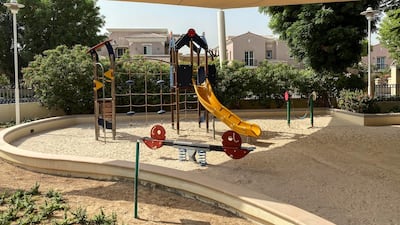
The Ranches has an abundance of facilities from tennis, basketball courts and playgrounds. Antonie Robertson / The National -
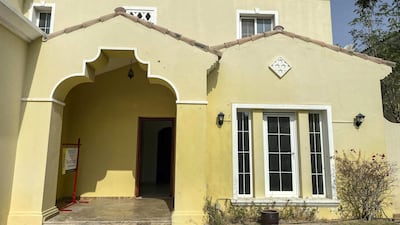
A Spanish style villa in the Mirador sub-community in Arabian Ranches. All photos by Antonie Robertson/The National -
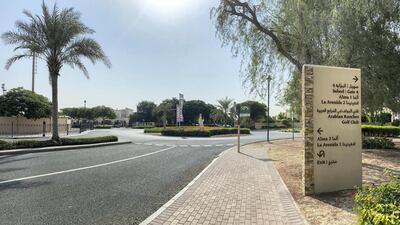
The community has 15 sub-communities with 4,500 townhouses and villas -
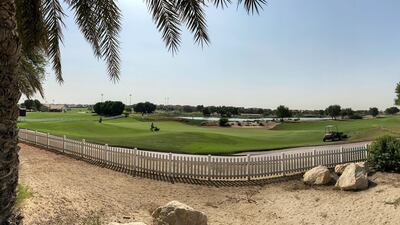
Some of the luxury villas overlook the golf course -
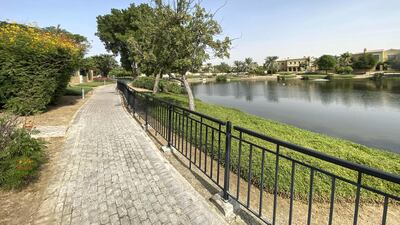
Others have a lake view. The most affordable two-bedroom townhouses have a starting rent of Dh70,000 -

Nearly all of them come with very spacious and landscaped backyards -
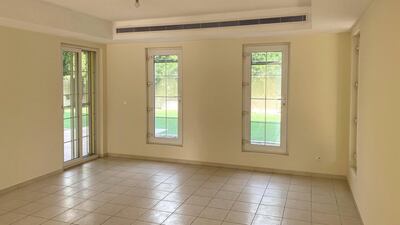
Inside a Spanish-style villa in Arabian Ranches -
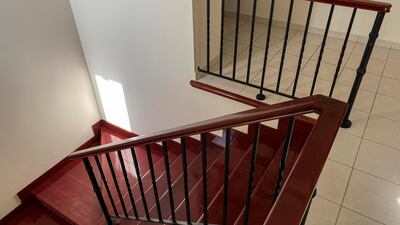
They have spacious bedrooms and a large-sized living area -
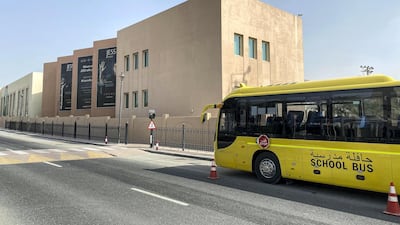
The district is self-sustaining and has a range of facilities. It is home to the Jumeirah English Speaking School, which has primary and secondary -
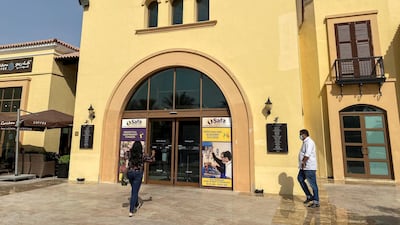
It has a community centre with about 20 to 25 retail outlets -

The Costa coffee shop is a popular hang out spot for residents -
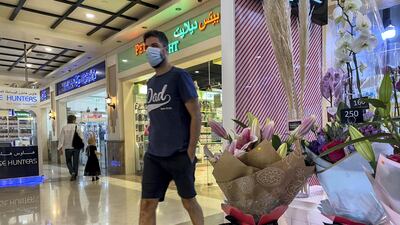
There is also a Carrefour in the centre -

Each sub-community has its own swimming pool, kids play area and park -

There are tennis and basketball courts -

A view of the mosque in the neighbourhood


“The demand for high luxury homes has increased and now we're seeing Palm villas renting before listings get a chance to go live on property portals, or within seven days if they do go live.”
He said a two-bedroom apartment in Silverene Tower A in Dubai Marina is now renting for Dh120,000, compared to Dh100,000 in May last year.
End of the single cheque?
One of the curiosities for expats arriving in the UAE for the first time is having to pay a year's rent in advance, in one cheque. That is changing, however, with landlords increasingly accepting more cheques, if requested. It is a trend that started before the pandemic, according to Mr Allsopp, but accelerated during lockdown.
“Some owners are now asking for fewer cheques again but overall, more owners are appreciating that they need to offer increased cheque payments – gone are the days that companies pay for rent in one cheque.
"As we have entered 2021, I have noticed that this is happening less and we are slowly creeping back to pre-Covid trends in landlords looking for fewer than four cheques."
Ms Abad said they also saw the trend of several cheques coming to the market about two years ago.
“We started to see, four cheques, sometimes even 12,” Ms Abad said.
“You have the developers like Dubai Properties who offer 12 cheques for all of their properties – it's like a monthly direct deposit or a withdrawal from your bank account.
"But when it came to the single landlord, what we saw last year was that the number of cheques actually [fell]. They've gone back to one cheque or two cheques, but what is happening is that the landlord is negotiating a lower price for that."
Mr Hobden said property owners are increasingly flexible on rental contracts, including being open to a higher number of rental cheques, where requested by tenants.
"Interestingly, the share of payments made through single cheques rose over the second half of last year, with tenants in a position to make annual payments, taking advantage of attractive discounts offered by landlords in exchange for security of income," Mr Hobden said.
-
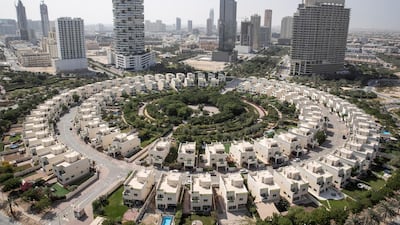
View of the Nakheel Villas in Jumeirah Village Circle. All photos by Antonie Robertson/The National -
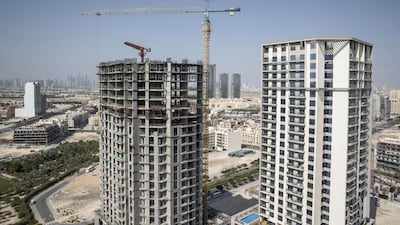
Commonly known as JVC, the district is home to more than 25,000 residents. Construction of some buildings are ongoing, but completed ones quickly attracted people -

This is one of the newer buildings in the neighbourhood. There is a mix of developers, so rents vary from each residential structure -
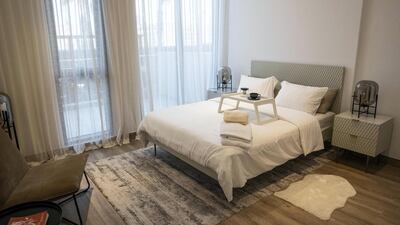
Rents for a one-bedroom apartment start at Dh25,000, but ones in newer buildings like this can cost between Dh65,000 to Dh75,000 -

Flats in new buildings come with equipped kitchens, wooden flooring and a more modern look -
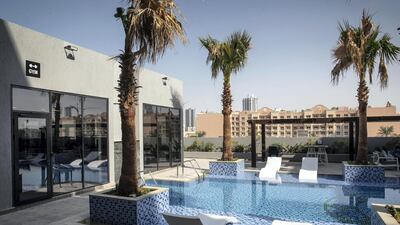
Most buildings in JVC have their own swimming pool and gymnasium -
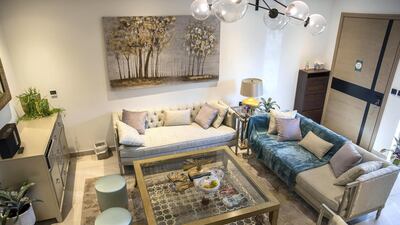
A view of a living room in a one-bedroom flat -
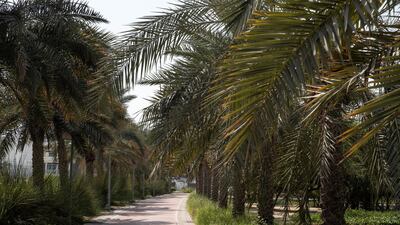
Halfa park is one among many other parks in JVC -
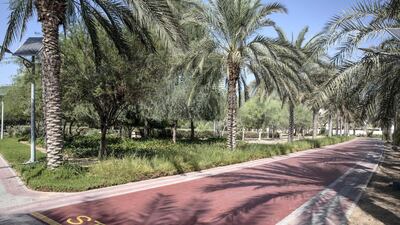
Most of them have a running track and kids play area -
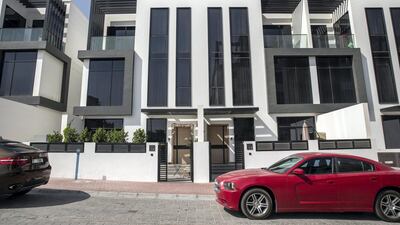
JVC is also known for its unique townhouses and villas -
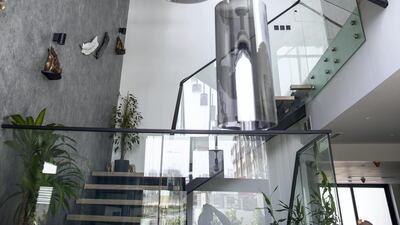
This is a three-storey townhouse that comes with its own private lift -
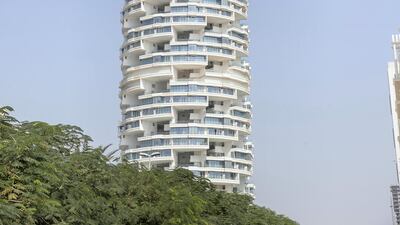
This is the signature structure in JVC -- the Five hotel. It has 269 infinitey pools - nearly one for each room


More short-term rentals
In 2020 there was a rise in demand for short-term rentals, with tenants largely drawn by the offers of increased flexibility, convenience and lack of upfront costs, Mr Hoben said.
"We expect Dubai's new remote working visa to drive demand for short-term rentals. The emirate's overall quality of life, international transport links and ever more affordable accommodation options make Dubai well placed to attract the growing number of professionals seeking to explore relocation options internationally."
The growth in short-term lets in the past year was so great that Allsopp & Allsopp opened up a separate department to deal with the demand.
"The pandemic has changed the lives of many people and tenants and landlords alike are now less inclined to commit to yearly contracts," Mr Allsopp said.
“We have noticed that tenants are looking into their options, making sure they are safe in their jobs before committing to a tenancy contract where they are locked in for a year.
"Landlords are becoming more inclined to let their property short term for some of the same reasons. They are looking for flexibility with their property and in some cases steering away from being locked in a contract where a year's notice needs to be given before they can sell the property.”

