


As the effects of the climate crisis grow increasingly apparent, the environment is becoming a growing theme in art.
This summer, 28 art organisations joined the World Weather Network, a year-long project to document and reflect on the weather conditions in disparate locales.
The Serpentine Gallery in London mounted a major, multiyear project called Back to Earth, addressing the climate emergency.
The Sharjah Architecture Triennial announced resource extraction and scarcity as the theme of its 2023 edition, and Warehouse421 in Abu Dhabi, the Jameel Arts Centre in Dubai and Hayy Jameel in Jeddah all announced or closed exhibitions dedicated to aspects of the climate emergency.
But a growing consensus is arguing that these efforts may not be enough. Infrastructural changes, some say, are as important as curatorial approaches to the climate crisis.
Even when exhibits aim to raise awareness of climate change, the very effects of putting together exhibitions, publishing and communication ― emissions from flights, transporting artworks, installation and fabrication — have been shown to have a negative effect on what they are trying to protect.

With this in mind, many art institutions are now trying to reduce their climate footprint while still mounting exhibitions and commissioning artists.
“There are a number of ways the art world can address climate change,” says Victoria Siddall, a co-founder and trustee of the Gallery Climate Coalition (GCC), which was set up two years ago by a group of London galleries frustrated by the lack of government action. First, she says, is the work itself.
“Artists can use their work to inspire people to realise the urgency of climate change. The second is thinking practically, through the nuts and bolts of how the art world should respond.
“That’s where the Gallery Climate Coalition comes in. It’s a membership organisation, and everyone signs up to a 50 per cent reduction in their climate emissions by 2030, in line with the Paris agreement. The GCC produces resource and information and measurement tools to help them achieve that goal.”
head of exhibitions at the Jameel Arts Centre
Measurement, she says, is key. The audits from GCC's free carbon calculator tool show that 80 per cent to 90 per cent of emissions come from transportation and travel ― “the movement of artworks and people”, as Siddall puts it, noting that the figure fluctuates depending on the amount of fairs each gallery participates in, and the number of branches it runs.
The climate cost of transporting art makes for a strong jumping-off point, because there are ready alternatives. With air freight producing 60 times more emissions than shipping by sea, one simple solution is to simply switch to the latter. Curators are increasingly avoiding transportation for their exhibitions, and are instead experimenting with sustainable practices such as producing work on site, working with biodegradable materials or reusing items for subsequent exhibitions.
At the Serpentine, the curators thought about how they could commission works for Back to Earth that would reduce exposure to transportation.
“We saw it as a constraint that was part of the creative process,” says Rebecca Lewin, curator of the exhibition component of Back to Earth at the Serpentine North Gallery.

Of the 13 works in Back to Earth, only three were couriered from abroad to London. The rest were made on site or elsewhere in the UK, and the team of curators thought carefully about the sustainability of the installation.
Rather than buying some materials, they hired them. They also reused materials from previous exhibitions, which could then be recycled for subsequent shows, and chose work, such as non-PVC wallpapers, that would have a minimal impact on the building.
The artist Alexandra Daisy Ginsberg created a garden in nearby Kensington Gardens to support pollinating insect species. The garden will remain there until April 2024.
For museums, the maths is more uncertain: the GCC’s audits show that the 90 per cent of emissions from museums come from buildings' climate control systems ― leading to the real irony of a museum contributing to warming the planet by keeping works about climate change cool.

Jameel Arts Centre in Dubai was the first institution in the Gulf to implement a carbon audit, in 2020. They did a second this year as well, with a water usage survey. Both confirmed that the overwhelming majority of their emissions come from air conditioning and humidity control, which they have taken on board as part of a multifaceted attempt to address the climate emergency.
Since the Jameel Arts Centre opened in late November 2018, with Hayy Jameel in Jeddah following in December 2019, the two institutions have had three major shows around resources: Crude, which addressed oil, in 2018—2019 in Dubai; Jeddah's Staple: What's on Your Plate?, about food sources; and an ongoing research project into water. In Dubai, they have used their Artist's Garden commissions series to explore ecological research.
“We have a two-prong approach,” says Nora Razian, head of exhibitions at the Jameel Arts Centre, who is leading on their climate strategy.
“First, doing things to reduce footprint as much as possible, such as choosing suppliers and materials that limit waste and carbon emissions. And secondly, thinking about climate justice. Especially with Cop27 in Cairo this November and then in the UAE the year after, this is a moment for the region to think about our footprint and resource scarcity.”

Other Gulf organisations are also starting to change. The UAE's Warehouse421 recently instituted a policy where no more than half of the material used in an exhibition, including the artwork, can be shipped in.
Faisal Al Hassan, who directs the Abu Dhabi institution, says they are also reusing exhibition architecture ― as opposed to the earlier days of the space, where exhibitions were newly reconfigured each time ― and even QR codes, which means they can simply update a website rather than printing different labels for each exhibition.
Alserkal Avenue in Dubai is also taking steps to address its footprint. In January, the organisation installed solar panels across the art and design neighbourhood, which yield about a fifth of the energy consumed, and has completed a pilot project that reuses condensation from AC units for water in the common area washrooms. Both Alserkal Avenue and Warehouse421 are embarking on audits to understand the scale of their climate emissions and water use.
“Many of these are small things,” Al Hassan says. “But they are also building awareness among our creative community about the impact one can have.”
Almost all the organisations The National spoke to said they were in the early stages of reorienting their museums. Artists, privately, say that they sometimes ask for sustainable environmental solutions, which are promised and then not delivered in the final stages of installations. And some of the changes recommended by surveys and audits are not achievable in reality.

In the UAE, the Jameel Arts Centre's audits showed that the only way for the museum to substantially reduce emissions would be to switch to renewable energy. Yet although the UAE has been aggressively financing renewable energy initiatives, they still provide a slim minority of energy power (about 2.5 per cent in 2019, according to the International Energy Agency), and Razian says they are not yet a workable option for the museum.
Similarly, the Gallery Climate Coalition, which has expanded to 20 countries with 800 members, has now produced a clear road map for lowering emissions from jumping. But beyond slower sea travel to galleries and their clients, the organisation can do little to make sure this change happens.
“An issue of this scale should not come down to the responsibility of the individual and small businesses,” Siddall says. “Lobbying power, talking to the shipping industry, implementing new standards ― all this ultimately will require legislative change.”
Many curators say they feel overwhelmed by the scale of change required, while also fighting off the idea that they should then do nothing.

“There’s an avoidance of claiming to do something beyond what is possible,” Lewin says.
“The idea that there is an impact in any use of materials: so if we use materials, how can we talk about the climate? This just leads to paralysis. You have to knowingly enter into a position where you have to fail. It’s a challenge that any institution that is trying to address the environment will have to acknowledge. You don’t go ahead as business as usual, where you ship works across the world, but you try to reduce your impact.”
Artistic programming also has an active role to play in reorienting thoughts around climate change, campaigners say. With national governments accused of reneging on their responsibilities, scientists, activists, artists and designers believe they have played an outsize role in keeping the conversation at the forefront of national and international policy.
Art’s ability to work between the cracks of research and communication is instrumental here: a duo such as Cooking Sections, who are showing at the Serpentine and who have done a number of projects in Sharjah, have yielded original research around new types of plants to eat in an era of resource scarcity.
Perhaps more importantly, they have effectively used the art world’s mechanisms of publicity to place their findings before a larger, non-academic and non-scientific audience.
The Jameel Art Centre's next show is about water, which its curators are approaching not simply as a resource but as something fundamental, shared among us. It comprises 55 per cent to 60 per cent of our bodies, and Razian says the show is looking to “re-enchant” our relationship with the substance.
“We’re so used to seeing things in a particular way,” Razian says. “We need to shift the image of climate change. It’s a crisis of the imagination.”
Sony World Photography Awards 2022 winners cover plight of migrants and climate change — in pictures
-
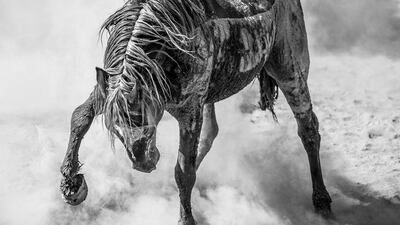
Scott Wilson, UK, winner, open competition, Natural World & Wildlife. All Photos: the photographer and Sony World Photography Awards 2022 -
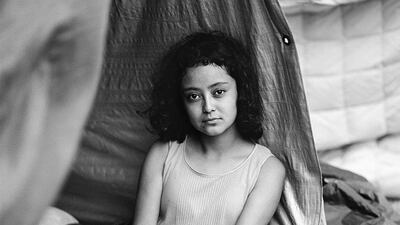
Australian photographer Adam Ferguson won first place in the Portraiture competition, as well as the Photographer of the Year award. -

George Tatakis, Greece, second place, Professional competition, Portraiture. -
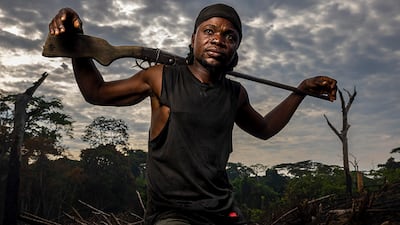
Brent Stirton, South Africa, third place, Professional competition, Portraiture. -
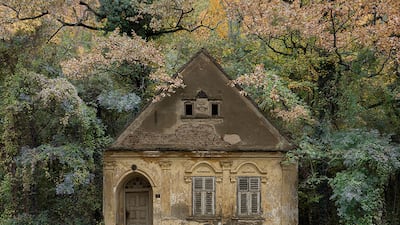
Domagoj Burilovic, Croatia, first place, Professional competition, Architecture & Design. -

Javier Arcenillas, Spain, second place, Professional competition, Architecture & Design. -

Yun Chi Chen, Taiwan, third place, Professional competition, Architecture & Design. -
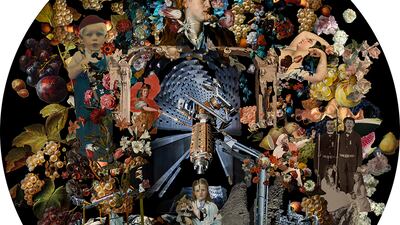
Alnis Stakle, Latvia, first place, Professional competition, Creative. -
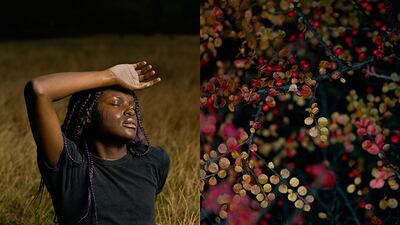
Raphael Neal, UK, second place, Professional competition, Creative. -
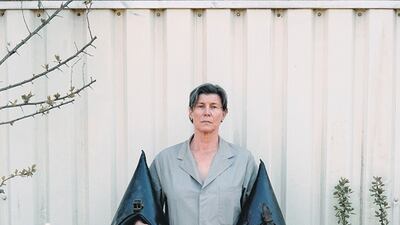
Sarah Grethe, Germany, third place, Professional competition, Creative. -

Jan Grarup, Denmark, first place, Professional competition, Documentary Projects. -
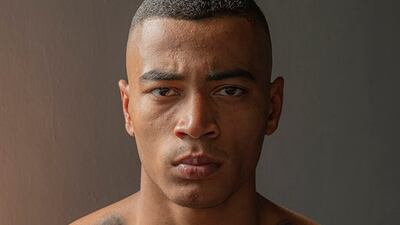
Fabian Ritter, Germany, second place, Professional competition, Documentary Projects. -

Win McNamee, US, third place, Professional competition, Documentary Projects. -
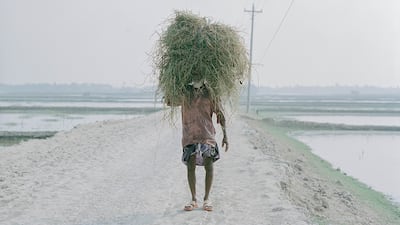
Shunta Kimura, Japan, first place, Professional competition, Environment. -
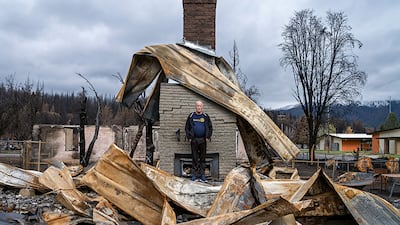
Gideon Mendel, South Africa, second place, Professional competition, Environment. -
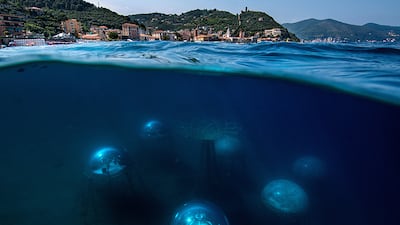
Giacomo d'Orlando, Italy, third place, Professional competition, Environment. -

Lorenzo Poli, Italy, first place, Professional competition, Landscape. -
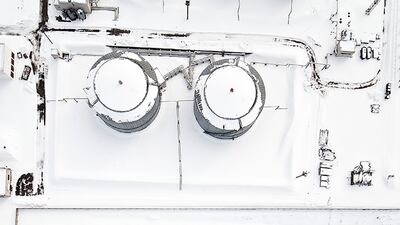
Andrius Repsys, Lithuania, second place, Professional competition, Landscape. -
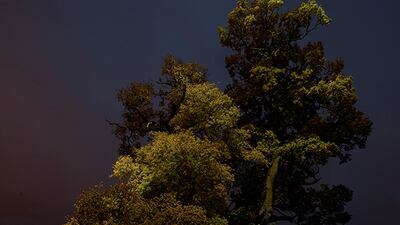
Gareth Iwan Jones, UK, third place, Professional competition, Landscape. -

Hugh Fox, UK, first place, Professional competition, Portfolio. -

Julian Anderson, UK, second place, Professional competition, Portfolio. -

Anna Neubauer, Austria, third place, Professional competition, Portfolio. -
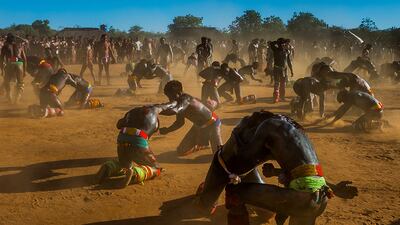
Ricardo Teles, Brazil, first place, Professional competition, Sport. -
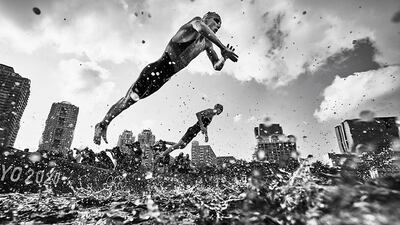
Adam Pretty, Australia, second place, Professional competition, Sport. -
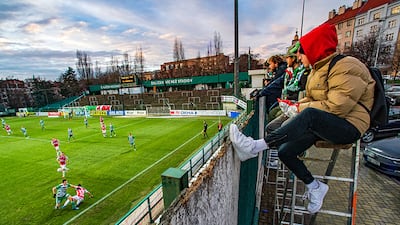
Roman Vondrous, Czech Republic, third place, Professional competition, Sport. -
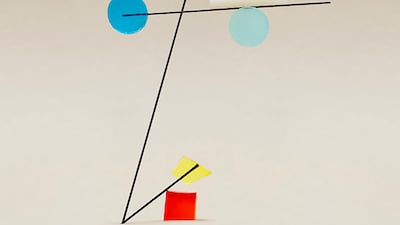
Haruna Ogata, Japan and Jean Etienne Portail, France, first place, Professional competition, Still Life. -
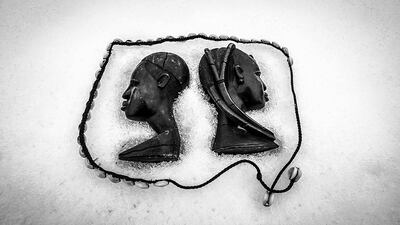
Cletus Nelson Nwadike, Sweden, second place, Professional competition, Still Life. -
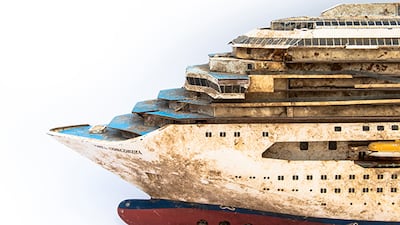
Alessandro Gandolfi, Italy, third place, Professional competition, Still Life. -
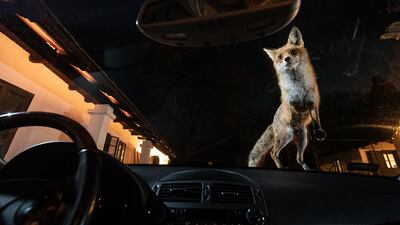
Milan Radisics, Hungary, first place, Professional competition, Wildlife & Nature. -
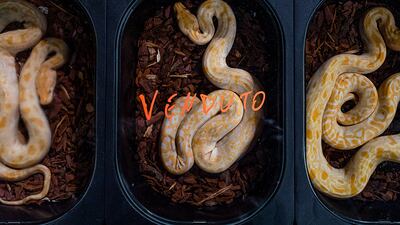
Federico Borella, Italy, second place, Professional competition, Wildlife & Nature. -
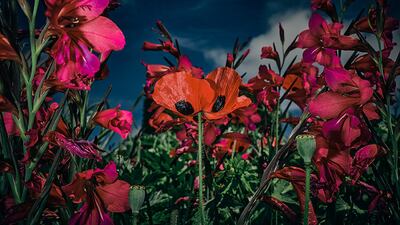
Oana Bakovic, Romania, third place, Professional competition, Wildlife & Nature.



