

Sheikh Hamdan bin Mohammed, Crown Prince of Dubai, has announced that tenants who are rebuilding or renovating properties in Al Quoz Creative Zone will be exempt from paying rent for up to two years.
The move is part of ambitious efforts to transform the Dubai district into a world-leading hub for the creative sector.
It is in line with a 100-day action plan for the development project aimed at attracting top talent from across the globe to live and work in Dubai.
The plan was unveiled by the project's higher committee, led by Sheikha Latifa bint Mohammed, chairwoman of the Dubai Culture and Arts Authority.
Sheikh Hamdan established Al Quoz Creative Zone in April to serve as a state-of-the-art centre of activity for the world's best talents.
The sprawling zone aims to provide top-class facilities that cover everything from publishing, writing and print to cinema, music and video. It will also embrace artistic and cultural industries, cultural heritage museums, historical sites, archives, major cultural events, libraries, and the software and video game industry.
It will use multipurpose spaces and art workshops to help drive the creative industry in the emirate and beyond.
-
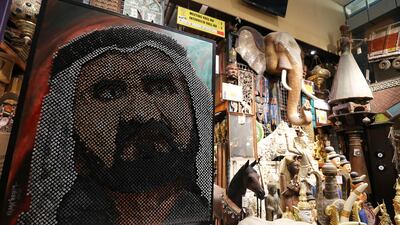
A portrait of Sheikh Mohammed bin Rashid, UAE Vice President and Ruler of Dubai, made by Indian artist Nisar Ibrahim using 6,800 screws. The piece is on display at the Antique Museum in Al Quoz, Dubai, and costs Dh35,000 ($9,530). Pawan Singh / The National -

Metal pots from India, Iran and Afghanistan. They are more than 150 years old and cost from Dh50 to Dh20,000 at the museum. Pawan Singh / The National -
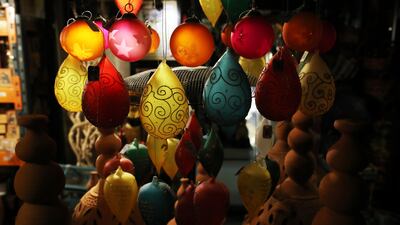
Moroccan lights worth between Dh50 and Dh3,000 on display at the museum. Pawan Singh / The National -
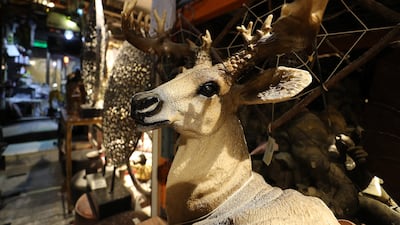
A statue from Thailand worth Dh1,850. The museum imports and deals with a wide range of products from 27 countries. Pawan Singh / The National -

Silver bangles from Oman that cost at least Dh200. The museum offers a vast array of crafts made by women. Pawan Singh / The National -

Red Indian statues from Thailand, priced from Dh1,000 to Dh3,000. The museum is 26 years old and run by Fakih Group of Companies. Pawan Singh / The National -
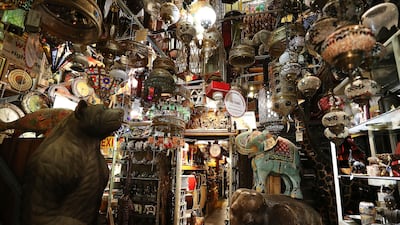
The museum spans about 7,000 square metres. Pawan Singh / The National -
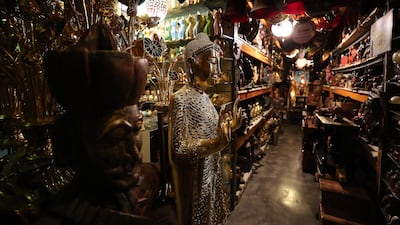
A Buddha statue from Thailand that costs about Dh9,500. The museum also offers items such as traditional gifts, souvenirs and handicrafts. Pawan Singh / The National -

Items from 27 countries are on display at the museum. Pawan Singh / The National -
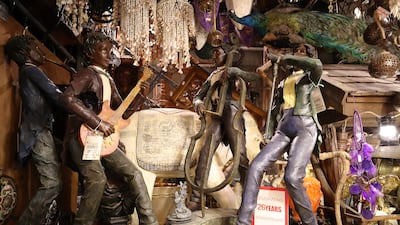
Statues from China on display at the museum. They are priced from Dh3,000 each. Pawan Singh / The National -
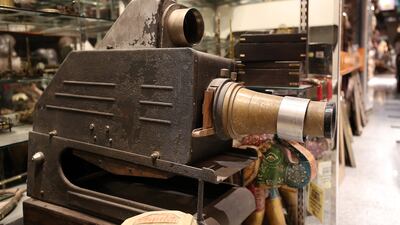
A vintage opaque projector from India is among the items there. Pawan Singh / The National -
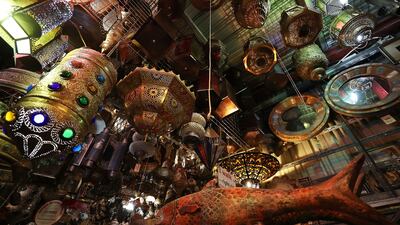
The museum's handmade Moroccan lamps cost between Dh1,000 and Dh5,000 each. Pawan Singh / The National -
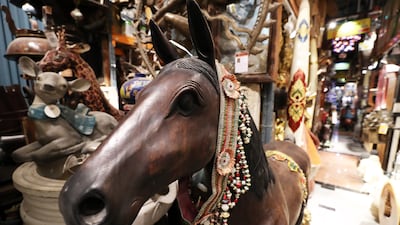
A teak wood horse from Thailand, priced at Dh44,500. Pawan Singh / The National -

Indian Guard statues from Rajasthan, India, are priced from Dh3,000 to Dh15,000. Pawan Singh / The National -
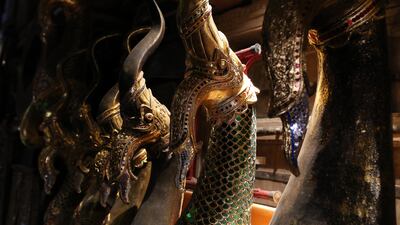
Statues from Thailand, which carry price tags that start at Dh1,650, are among the antiques on display. Pawan Singh / The National -
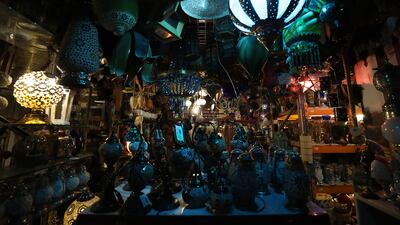
The museum also has a collection of lamps from Turkey that cost between Dh50 and Dh6,000. Pawan Singh / The National -
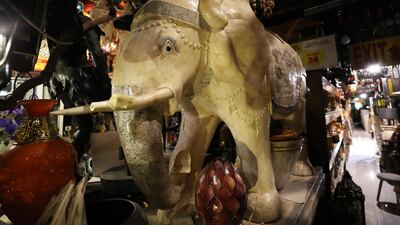
An elephant statue made from camel bone. The piece, from Rajasthan, is priced at Dh120,000. Pawan Singh / The National


Dubai's creative mission
The 100-day action plan will focus on the project's master plan to design a vibrant urban space, accommodating a wide variety of creative industries.
Key categories of activities related to the creative industries sector will be identified and permits to be given in the Al Quoz Creative Zone will be listed.
The zone's transport infrastructure will also take shape, including connecting Al Safa Metro Station to the creative zone.
The network will include a bus route with special designs, as well as cycle tracks, a pedestrian bridge and pedestrian sidewalks.
Dubai Culture is inviting members of the creative community to share ideas and suggestions for designs that can enhance the aesthetic and artistic ambience of the area.
Al Quoz is at the heart of Sheikh Mohammed bin Rashid's enterprising vision to bolster Dubai's creative sector.
In April, the Ruler of Dubai set out a plan to boost the value of the city's creative sector - generating more jobs and doubling the number of companies in the industry.
He said the government aims to increase the GDP contributions of the creative and arts sectors from 2.6 per cent to 5 per cent.
He said design, content, culture and arts will be a "major driver for the future of our country".
Sheikh Mohammed, who is also Vice President and Prime Minister, said about 8,300 companies trade in the emirate's creative sector today.
-
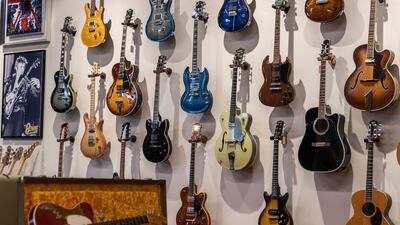
Situated in Al Quoz’s Courtyard, Art of Guitar fills a glaring absence in the region's vintage and high-end guitar offerings. Antonie Robertson / The National -
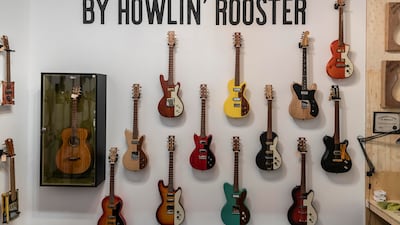
Howling Rooster guitars built by in-house luthier Basil Azizoghly. Antonie Robertson / The National -

The space also sells old posters and original photographs. Antonie Robertson / The National -

The venue also offers guitar-building workshops led by in-house luthier Basil Azizoghly. Antonie Robertson / The National -
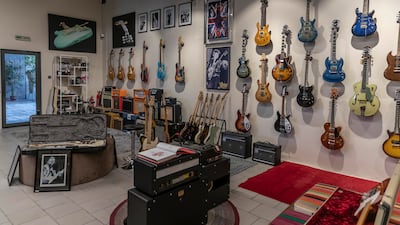
During the cooler months, Art of Dubai intends to become a venue for local artists to perform, setting up an ad-hoc stage in the Courtyard’s open space. Antonie Robertson / The National -
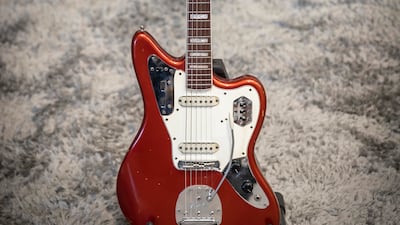
A 1968 Jaguar in glossy candy red finish, on sale for Dh30,000. Antonie Robertson / The National -
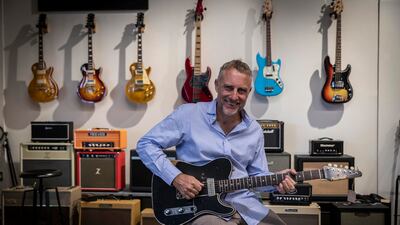
Art of Guitar owner Rick Vlemmiks. Antonie Robertson / The National -

Signed memorabilia is available for purchase here. Antonie Robertson / The National -

Art of Guitar takes over a space that used to be an art gallery. Antonie Robertson / The National



