Sophie Huet-Trupheme, global editor-in-chief at AFP, at the Arab Media Forum in Dubai. Chris Whiteoak / The National

Newsrooms have a duty to tell the truth on climate change, AFP chief says


John Dennehy
  • English
  • Arabic

Climate change stories can be depressing, trigger anxiety and lead to news avoidance, but journalists have a duty to keep telling the truth, a senior media chief has said.

Sophie Huet-Trupheme, global editor-in-chief of Agence France-Presse, said it was important to show solutions to the crisis so people do not feel completely powerless.

Speaking at the Arab Media Forum in Dubai, Huet-Trupheme said the audience was huge every time a natural disaster struck, but journalists had a duty to keep readers engaged by moving stories forward and explaining why the disasters happened.

“It is important to keep telling the truth and the facts,” she told The National on Wednesday.

“The facts are terrible. But this is our job and we are not here just to, as one of our climate reporters wrote … create hope. That is not our business.”

Huet-Trupheme, who gave a talk at the forum on how life on Earth was at stake and newsrooms needed to hold decision-makers accountable, also outlined how AFP placed the future of the planet at the heart of its global coverage.

Climate change leads news agenda

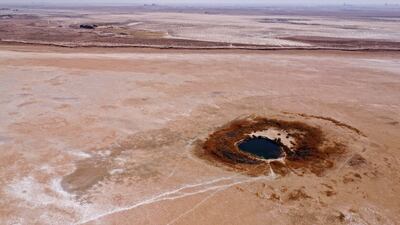
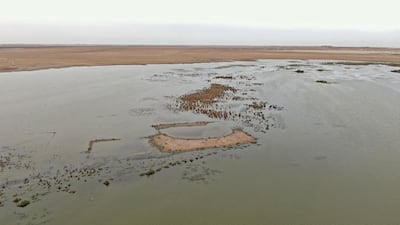
  • A remaining pond at the dried-up Sawa Lake on the edge of Iraq’s western desert. AFP
    A remaining pond at the dried-up Sawa Lake on the edge of Iraq’s western desert. AFP
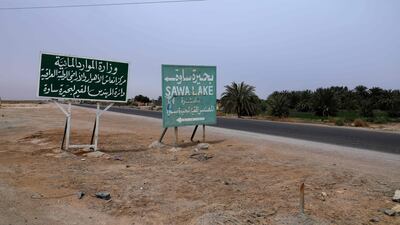
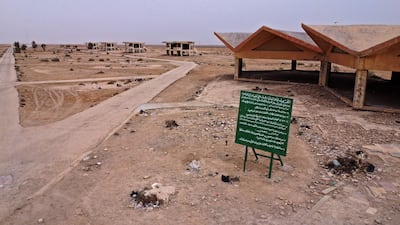
  • A street sign for Sawa Lake. A sharp drop in rainfall –now only at 30 per cent of what used to be normal for the region – has lowered the underground water table, said a senior advisor at Iraq's water resources ministry. AFP
    A street sign for Sawa Lake. A sharp drop in rainfall –now only at 30 per cent of what used to be normal for the region – has lowered the underground water table, said a senior advisor at Iraq's water resources ministry. AFP
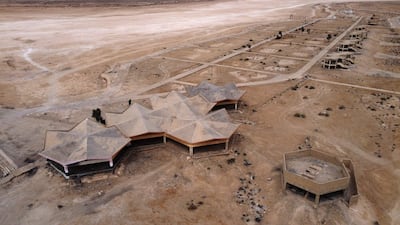
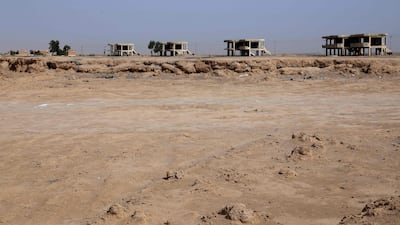
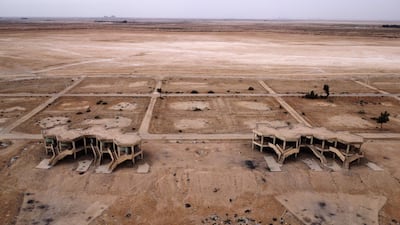
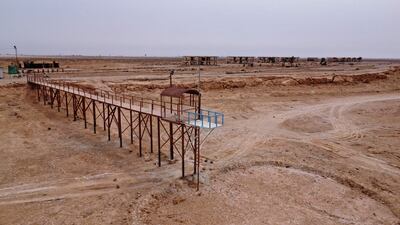
  • Hotels and tourist facilities near Sawa Lake have been abandoned. AFP
    Hotels and tourist facilities near Sawa Lake have been abandoned. AFP
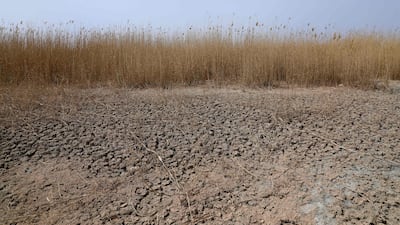
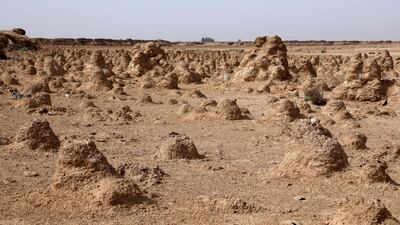
  • Dry, arid landscape remains. AFP
    Dry, arid landscape remains. AFP
  • What's left of hotel accommodation. AFP
    What's left of hotel accommodation. AFP
  • Iraq's Sawa Lake was once a popular tourist destination. AFP
    Iraq's Sawa Lake was once a popular tourist destination. AFP
  • What was once a tourist hotspot now stands empty. AFP
    What was once a tourist hotspot now stands empty. AFP
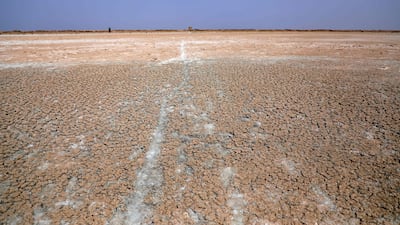
  • Parts of Sawa Lake are completely dry. AFP
    Parts of Sawa Lake are completely dry. AFP
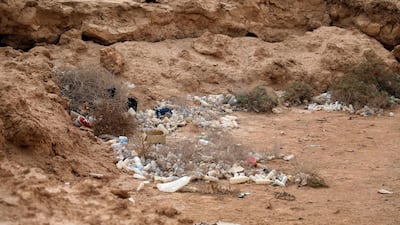
  • Bottles and plastic bags litter what was once a luscious lake. AFP
    Bottles and plastic bags litter what was once a luscious lake. AFP
  • What was once a lake is now dry, arid landscape. AFP
    What was once a lake is now dry, arid landscape. AFP
  • Lake Milh, also known as Razzaza Lake, in Iraq's central province of Karbala is also facing the perils of drought. AFP
    Lake Milh, also known as Razzaza Lake, in Iraq's central province of Karbala is also facing the perils of drought. AFP
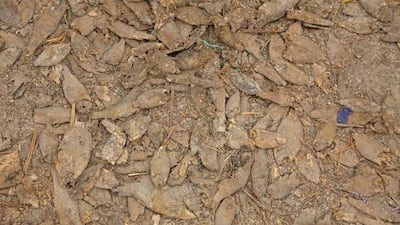
  • Dead fish litter Iraq's Lake Milh. AFP
    Dead fish litter Iraq's Lake Milh. AFP
  • Human activity and climate change have combined to turn the site into a barren wasteland with piles of salt. AFP
    Human activity and climate change have combined to turn the site into a barren wasteland with piles of salt. AFP
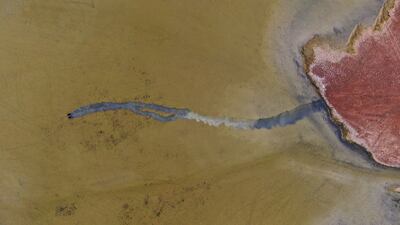
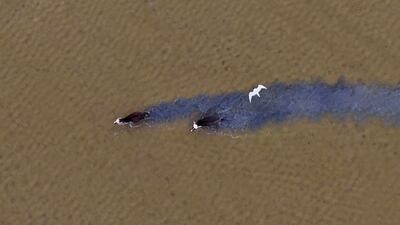
  • This aerial view shows horses running in Lake Milh. AFP
    This aerial view shows horses running in Lake Milh. AFP
  • Sawa Lake is now dry due to years of drought. AFP
    Sawa Lake is now dry due to years of drought. AFP

AFP, which was founded in 1835, has about 2,400 staff around the globe and works in six languages.

Four years ago, AFP sent a “clear message” to its reporters that climate change was to be a top priority, she said.

The Covid-19 pandemic delayed the reorganisation, she said, but a new hub was created to allow reporters from different sections to collaborate.

“The idea was to have conversations between people in economics covering carbon emitters such as transport, energy and agriculture to join those covering climate and science and biodiversity," she said.

Another issue was engagement from readers, but she said this was changing and made reference to a recent AFP report on Iraq's Tigris River drying up that was among the agency's most popular stories.

AFP has focused on visual stories and explainers that are easy to understand and is keen to reach younger audiences who show greater interest in climate change.

“We launched this summer a new format for social media with vertical photos, videos and text so it is easy to access on social media," Huet-Trupheme said.

"For the younger generation – this is where they are to look at the news."

Fighting fake news

Turning to the issue of public trust in media and the proliferation of fake news on events such as the war in Ukraine and Philippine elections, Huet-Trupheme said her agency was worried but had done a lot of work to fight against disinformation.

"It comes from people trying to push their views," she said of elections. "Some candidates rely on disinformation.

“[We must] raise questions internally about how we are doing our job. [But] AFP has become the global leader in media to fight disinformation. It has become a huge operation for us.”

It started four years ago with one reporter and AFP now has more than 130 worldwide conducting fact-checks in more than 25 languages that it then posts on social media linked to the fake stories.

“This is an important action but not the only one," she said.

"[We must] use expertise to improve global coverage with these digital skills and put more stories on our traditional wires about disinformation.”

Morocco's last nomads are struggling with climate change - in pictures

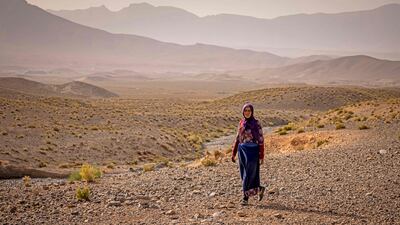
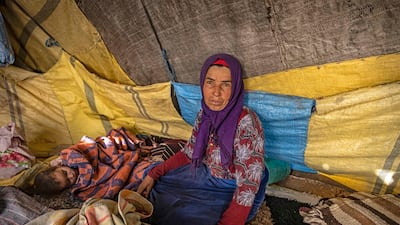
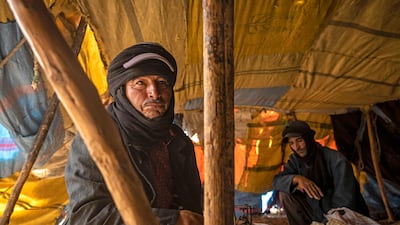
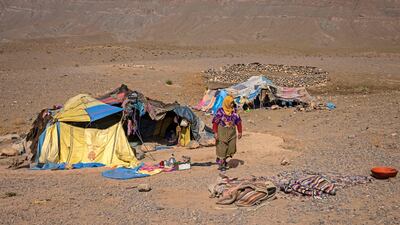
  • Amazigh Ida Ouchaali at an encampment near the village of Amellagou, where some of the last people to keep Morocco's nomadic traditions reside. They say their ancient lifestyle has become impossible to sustain as climate change brings ever more intense droughts. All photos: AFP
    Amazigh Ida Ouchaali at an encampment near the village of Amellagou, where some of the last people to keep Morocco's nomadic traditions reside. They say their ancient lifestyle has become impossible to sustain as climate change brings ever more intense droughts. All photos: AFP
  • Amazigh Ida Ouchaali belongs to a community of about 25,000 people at the last census in 2014. Its numbers are down by two-thirds in a decade.
    Amazigh Ida Ouchaali belongs to a community of about 25,000 people at the last census in 2014. Its numbers are down by two-thirds in a decade.
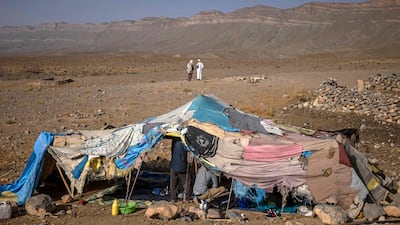
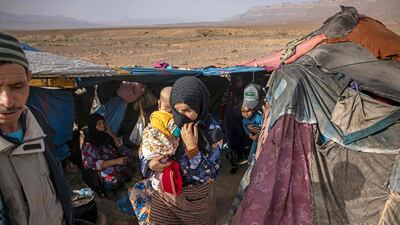
  • Amazigh tents near the village of Amellagou in Morocco. Ida Ouchaali's tribe spent centuries roaming the country to find food for their animals, but their way of life is steadily disappearing. Ms Ouchaali says she is 'exhausted' by her fight for survival.
    Amazigh tents near the village of Amellagou in Morocco. Ida Ouchaali's tribe spent centuries roaming the country to find food for their animals, but their way of life is steadily disappearing. Ms Ouchaali says she is 'exhausted' by her fight for survival.
  • Amazigh women in Amellagou carry out their daily chores.
    Amazigh women in Amellagou carry out their daily chores.
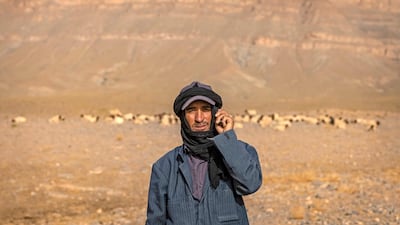
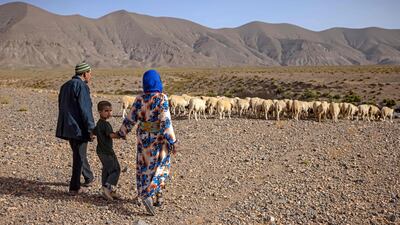
  • An Amazigh man poses for a picture next to a herd of sheep near the village of Amellagou. Water for livestock is hard to find and the harsh climate threatens his way of life.
    An Amazigh man poses for a picture next to a herd of sheep near the village of Amellagou. Water for livestock is hard to find and the harsh climate threatens his way of life.
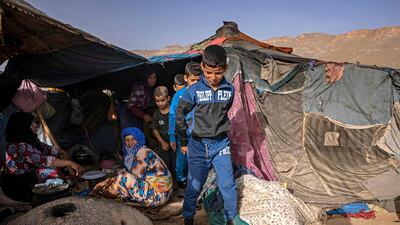
  • Amazigh families at Amellagou worry about the future of their children. One teenager says the young want to 'turn the page on nomadism'.
    Amazigh families at Amellagou worry about the future of their children. One teenager says the young want to 'turn the page on nomadism'.
  • Amazigh Moha Ouchaali is in his 50s. 'Everything has changed,' he says. 'I don't recognise myself anymore in the world of today.'
    Amazigh Moha Ouchaali is in his 50s. 'Everything has changed,' he says. 'I don't recognise myself anymore in the world of today.'
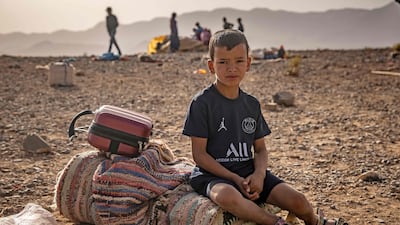
  • An Amazigh boy and his belongings in the Moroccan desert.
    An Amazigh boy and his belongings in the Moroccan desert.
  • Children of Amazigh families grow up in a shrinking community. At one time there were nearly 500 tents around the village of Amellagou but now there are less than a tenth of that.
    Children of Amazigh families grow up in a shrinking community. At one time there were nearly 500 tents around the village of Amellagou but now there are less than a tenth of that.
  • Each generation of Amazigh face social and economic changes that make their lives more difficult. Laws passed by Morocco that would defend the nomadic way are simply ignored by other people, they say.
    Each generation of Amazigh face social and economic changes that make their lives more difficult. Laws passed by Morocco that would defend the nomadic way are simply ignored by other people, they say.
  • Amazigh sheltering at Amellagou say they recall a time when nomadic people were welcomed by settled communities but such hospitality is largely gone.
    Amazigh sheltering at Amellagou say they recall a time when nomadic people were welcomed by settled communities but such hospitality is largely gone.
  • Driss Skounti says he has little hope for the future. 'Nomadic life has an identity and a tradition steeped in history, but is doomed to disappear within 10 years.'
    Driss Skounti says he has little hope for the future. 'Nomadic life has an identity and a tradition steeped in history, but is doomed to disappear within 10 years.'
Dengue%20fever%20symptoms
%3Cp%3EHigh%20fever%20(40%C2%B0C%2F104%C2%B0F)%3Cbr%3ESevere%20headache%3Cbr%3EPain%20behind%20the%20eyes%3Cbr%3EMuscle%20and%20joint%20pains%3Cbr%3ENausea%3Cbr%3EVomiting%3Cbr%3ESwollen%20glands%3Cbr%3ERash%26nbsp%3B%3C%2Fp%3E%0A
RESULTS
%3Cp%3E3.30pm%3A%20Al%20Maktoum%20Challenge%20Round%203%20%E2%80%93%20Group%201%20(PA)%20%2475%2C000%20(Dirt)%202%2C000m%3Cbr%3EWinner%3A%20Jugurtha%20De%20Monlau%2C%20Pat%20Dobbs%20(jockey)%2C%20Jean-Claude%20Pecout%20(trainer)%3C%2Fp%3E%0A%3Cp%3E4.05pm%3A%20Dubai%20City%20Of%20Gold%20%E2%80%93%20Group%202%20(TB)%20%24250%2C000%20(Turf)%202%2C410m%3Cbr%3EWinner%3A%20Global%20Storm%2C%20William%20Buick%2C%20Charlie%20Appleby%3C%2Fp%3E%0A%3Cp%3E4.40pm%3A%20Burj%20Nahaar%20%E2%80%93%20Group%203%20(TB)%20%24250%2C000%20(D)%201%2C600m%3Cbr%3EWinner%3A%20Discovery%20Island%2C%20James%20Doyle%2C%20Bhupat%20Seemar%3C%2Fp%3E%0A%3Cp%3E5.15pm%3A%20Nad%20Al%20Sheba%20Turf%20Sprint%20%E2%80%93%20Group%203%20(TB)%20%24250%2C000%20(T)%201%2C200m%3Cbr%3EWinner%3A%20Al%20Dasim%2C%20Mickael%20Barzalona%2C%20George%20Boughey%3C%2Fp%3E%0A%3Cp%3E5.50pm%3A%20Al%20Bastakiya%20%E2%80%93%20Listed%20(TB)%20%24170%2C000%20(D)%201%2C900m%3Cbr%3EWinner%3A%20Go%20Soldier%20Go%2C%20Adrie%20de%20Vries%2C%20Fawzi%20Nass%3C%2Fp%3E%0A%3Cp%3E6.25pm%3A%20Al%20Maktoum%20Challenge%20Round%203%20%E2%80%93%20Group%201%20(TB)%20%24450%2C000%20(D)%202%2C000m%3Cbr%3EWinner%3A%20Salute%20The%20Soldier%2C%20Adrie%20de%20Vries%2C%20Fawzi%20Nass%3C%2Fp%3E%0A%3Cp%3E7.10pm%3A%20Ras%20Al%20Khor%20%E2%80%93%20Conditions%20(TB)%20%24300%2C000%20(T)%201%2C400m%3Cbr%3EWinner%3A%20Al%20Suhail%2C%20William%20Buick%2C%20Charlie%20Appleby%3C%2Fp%3E%0A%3Cp%3E7.45pm%3A%20Jebel%20Hatta%20%E2%80%93%20Group%201%20(TB)%20%24350%2C000%20(T)%201%2C800m%3Cbr%3EWinner%3A%20Alfareeq%2C%20Dane%20O%E2%80%99Neill%2C%20Charlie%20Appleby%3C%2Fp%3E%0A%3Cp%3E8.20pm%3A%20Mahab%20Al%20Shimaal%20%E2%80%93%20Group%203%20(TB)%20%24250%2C000%20(D)%201%2C200m%3Cbr%3EWinner%3A%20Sound%20Money%2C%20Mickael%20Barzalona%2C%20Bhupat%20Seemar%3C%2Fp%3E%0A
Gulf Under 19s final

Dubai College A 50-12 Dubai College B

Haircare resolutions 2021

From Beirut and Amman to London and now Dubai, hairstylist George Massoud has seen the same mistakes made by customers all over the world. In the chair or at-home hair care, here are the resolutions he wishes his customers would make for the year ahead.

1. 'I will seek consultation from professionals'

You may know what you want, but are you sure it’s going to suit you? Haircare professionals can tell you what will work best with your skin tone, hair texture and lifestyle.

2. 'I will tell my hairdresser when I’m not happy'

Massoud says it’s better to offer constructive criticism to work on in the future. Your hairdresser will learn, and you may discover how to communicate exactly what you want more effectively the next time.

3. ‘I will treat my hair better out of the chair’

Damage control is a big part of most hairstylists’ work right now, but it can be avoided. Steer clear of over-colouring at home, try and pursue one hair brand at a time and never, ever use a straightener on still drying hair, pleads Massoud.

Abaya trends

The utilitarian robe held dear by Arab women is undergoing a change that reveals it as an elegant and graceful garment available in a range of colours and fabrics, while retaining its traditional appeal.

Essentials

The flights

Emirates and Etihad fly direct from the UAE to Geneva from Dh2,845 return, including taxes. The flight takes 6 hours. 

The package

Clinique La Prairie offers a variety of programmes. A six-night Master Detox costs from 14,900 Swiss francs (Dh57,655), including all food, accommodation and a set schedule of medical consultations and spa treatments.

Name: Peter Dicce

Title: Assistant dean of students and director of athletics

Favourite sport: soccer

Favourite team: Bayern Munich

Favourite player: Franz Beckenbauer

Favourite activity in Abu Dhabi: scuba diving in the Northern Emirates 


Results

5pm: Maiden (PA) Dh80,000 (Turf) 1,200m. Winner: Majd Al Megirat, Sam Hitchcott (jockey), Ahmed Al Shehhi (trainer)

5.30pm: Handicap (PA) Dh80,000 (T) 1,600m. Winner: Dassan Da, Patrick Cosgrave, Helal Al Alawi

6pm: Abu Dhabi Fillies Classic Prestige (PA) Dh110,000 (T) 1,400m. Winner: Heba Al Wathba, Richard Mullen, Jean de Roualle

6.30pm: Abu Dhabi Colts Classic Prestige (PA) Dh110,000 (T) 1,400m. Winner: Hameem, Adrie de Vries, Abdallah Al Hammadi

7pm: Wathba Stallions Cup Handicap (PA) Dh70,000 (T) 2,200m. Winner: Jawal Al Reef, Richard Mullen, Ahmed Al Mehairbi

Handicap (TB) Dh100,000 (T) 2,200m. Winner: Harbour Spirit, Adrie de Vries, Jaber Ramadhan.

Other acts on the Jazz Garden bill

Sharrie Williams
The American singer is hugely respected in blues circles due to her passionate vocals and songwriting. Born and raised in Michigan, Williams began recording and touring as a teenage gospel singer. Her career took off with the blues band The Wiseguys. Such was the acclaim of their live shows that they toured throughout Europe and in Africa. As a solo artist, Williams has also collaborated with the likes of the late Dizzy Gillespie, Van Morrison and Mavis Staples.
Lin Rountree
An accomplished smooth jazz artist who blends his chilled approach with R‘n’B. Trained at the Duke Ellington School of the Arts in Washington, DC, Rountree formed his own band in 2004. He has also recorded with the likes of Kem, Dwele and Conya Doss. He comes to Dubai on the back of his new single Pass The Groove, from his forthcoming 2018 album Stronger Still, which may follow his five previous solo albums in cracking the top 10 of the US jazz charts.
Anita Williams
Dubai-based singer Anita Williams will open the night with a set of covers and swing, jazz and blues standards that made her an in-demand singer across the emirate. The Irish singer has been performing in Dubai since 2008 at venues such as MusicHall and Voda Bar. Her Jazz Garden appearance is career highlight as she will use the event to perform the original song Big Blue Eyes, the single from her debut solo album, due for release soon.

Updated: October 06, 2022, 11:20 AM