Arabian Leopard Baby Cub - in pictures
-

In a step towards conserving the endangered Arabian leopard, a cub has been born at a captive breeding centre in Saudi Arabia. All photos: Aline Coquelle -
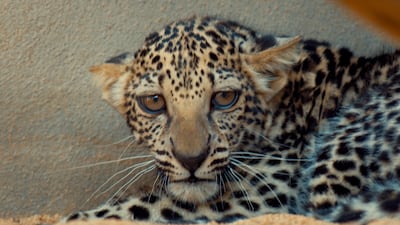
The female cub is now five months old. -
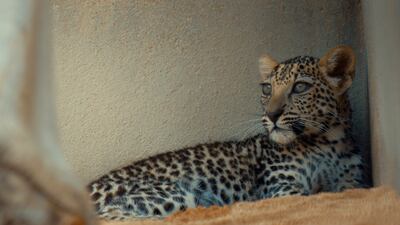
The Arabian leopard cub was born at the Prince Saud Al Faisal Wildlife Research Centre near Taif in south-west Saudi Arabia on April 23. The subspecies is native to the Arabian Peninsula.. -
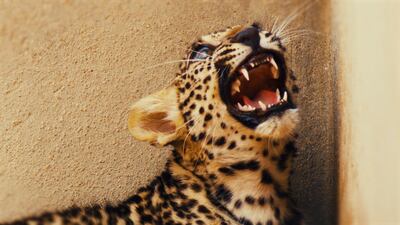
The cub was checked by vets and its gender identified in mid-July. -
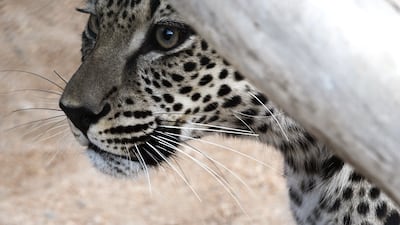
There are ambitious plans to reintroduce the big cats in north-west Saudi Arabia, offering hope that they could become more widespread in the wild once again. -

Habitat loss, decline of prey species and persecution have caused numbers of Arabian leopards to fall for centuries. There are now thought to be fewer than 200 in the wild. -

Typically slightly paler than its African cousin, the Arabian leopard is known as An Nimr Al Arabi in Arabic. -

Classified as critically endangered by the International Union for Conservation of Nature, the subspecies is found in the wild in Oman, Yemen and, possibly, Saudi Arabia.


Most popular today

