Doctors at Cleveland Clinic Abu Dhabi have offered advice to Muslims fasting this Ramadan to help avoid common health issues.
Going long periods without food or water can result in problems such as dry eyes, allergic rhinitis – also known as hay fever, gastrointestinal problems, headaches and hypertension.
In 2018 a study by Cleveland Clinic Abu Dhabi found that 49 per cent of people fasting were concerned about managing their diet and illnesses throughout Ramadan.
We always tell patients to ease into the month of fasting by making simple changes to their daily routine
"In patients who do not suffer from chronic conditions, most health issues are caused by a sudden change in routine, unhealthy eating habits and sleep patterns," said Dr Hussein Saadi, chair of the hospital's medical subspecialties institute.
"For patients with chronic diseases, symptoms can intensify if they do not seek advice from their doctor on how to manage their conditions while fasting.
“We always tell patients to ease into the month of fasting by making simple changes to their daily routine before Ramadan, so that their body is not shocked into adjusting.”
Diet, sleep and managing pre-existing conditions are the three most important things for people to be aware of going into the holy month, Dr Saadi said.
“Start by detoxifying your body with a generous, well-balanced breakfast and plenty of water early in the day and end with a light meal to prep the body for the coming month.
"Additionally, cut out caffeine in the lead up to the month to prevent withdrawal symptoms during the first few days of Ramadan,” he said.
The quality of sleep you get also plays an important role. Without suitable rest additional problems, such as fatigue and hormonal imbalances, can arise.
“Disruption in sleep patterns is common during Ramadan, but this can be addressed by staying away from heavy foods during Iftar, going to bed earlier and taking naps to make up for lost sleep at night.”
Patients who take medication for chronic conditions must consult their doctor before beginning a fast, as adjustments may need to be made to their health management plan.
To help patients over the holy month, Cleveland Clinic Abu Dhabi is providing evening clinics from 9:00PM to 1:00AM.
Top five health concerns during Ramadan
1) Gastrointestinal problems
Fasting can improve health, but a diet full of oily and sugary foods can lead to bloating, belching, acid reflux – also known as heartburn – and indigestion, even in people who do not suffer from gastric problems.
The frequency of peptic ulcers – open sores that develop on the inside lining ofthe stomach – which cause stomach aches, are also higher during Ramadan.
Overeating and opting for fried and spicy foods can stress the digestive system and trigger reflux.
Experts suggest hydrating properly between fasts, eating slowly and having well-balanced meals with plenty of fibre.
Aid digestion by including exercise and walks into your daily routine.
2) Allergic rhinitis
Also called hay fever, this is a type of inflammation in the nose caused by an overreaction of the immune system to allergens in the air. It causes a runny or stuffy nose, sneezing, and itchy and watery eyes. A regular complaint during the summer months, the issue can be more pronounced in Ramadan when patients who fast change their routines.
Experts suggest creating a dust-free environment at home by controlling temperature and humidity, keeping the air-conditioning vents clean and using air purifiers to prevent attacks.
3. Dry eye
Dry eye is a condition that occurs when tears aren't able to provide adequate lubrication for the eyes. A change in diet and reduced intake of nutrient-rich foods can impact on the functioning of the eye muscles and tear glands.
Patients with a pre-existing dry eye condition can exacerbate the situation during Ramadan if a healthy diet and regular sleep pattern are not maintained. Experts recommend consulting a physician as soon as symptoms occur.
4. Hypertension
A change in eating and sleeping patterns can cause fluctuations in blood pressure. People with mild to moderate hypertension can fast safely by maintaining a healthy lifestyle – exercising and adhering to medication protocols on the advice of their physician.
5. Headaches
Dehydration, caffeine withdrawal, low blood sugar and lack of sleep can contribute to headaches.
Experts say adopting a steady routine during Ramadan, eating complex carbohydrates to maintain the blood sugar level, drinking at least eight glasses of water and getting seven hours of sleep every day can help reduce the occurrence of headaches.
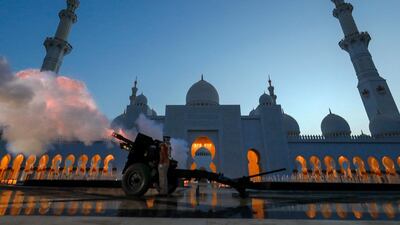
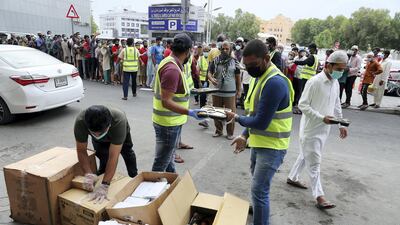
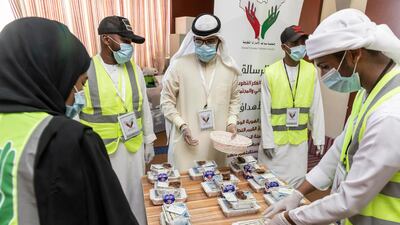
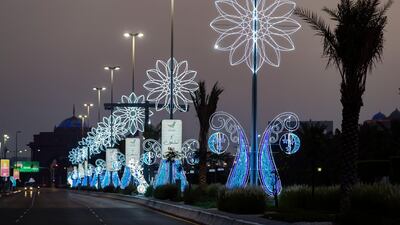
Ramadan in the UAE – in pictures
The specs
Engine: 3.0-litre 6-cyl turbo
Power: 374hp at 5,500-6,500rpm
Torque: 500Nm from 1,900-5,000rpm
Transmission: 8-speed auto
Fuel consumption: 8.5L/100km
Price: from Dh285,000
On sale: from January 2022
COMPANY PROFILE
Name: Lamsa
Founder: Badr Ward
Launched: 2014
Employees: 60
Based: Abu Dhabi
Sector: EdTech
Funding to date: $15 million
NYBL PROFILE
Company name: Nybl
Date started: November 2018
Founder: Noor Alnahhas, Michael LeTan, Hafsa Yazdni, Sufyaan Abdul Haseeb, Waleed Rifaat, Mohammed Shono
Based: Dubai, UAE
Sector: Software Technology / Artificial Intelligence
Initial investment: $500,000
Funding round: Series B (raising $5m)
Partners/Incubators: Dubai Future Accelerators Cohort 4, Dubai Future Accelerators Cohort 6, AI Venture Labs Cohort 1, Microsoft Scale-up
SPEC%20SHEET%3A%20SAMSUNG%20GALAXY%20S23%20ULTRA
%3Cp%3E%3Cstrong%3EDisplay%3A%3C%2Fstrong%3E%206.8%22%20edge%20quad-HD%2B%20dynamic%20Amoled%202X%2C%20Infinity-O%2C%203088%20x%201440%2C%20500ppi%2C%20HDR10%2B%2C%20120Hz%3C%2Fp%3E%0A%3Cp%3E%3Cstrong%3EProcessor%3A%3C%2Fstrong%3E%204nm%20Qualcomm%20Snapdragon%208%20Gen%202%2C%2064-bit%20octa-core%3C%2Fp%3E%0A%3Cp%3E%3Cstrong%3EMemory%3A%3C%2Fstrong%3E%208%2F12GB%20RAM%3C%2Fp%3E%0A%3Cp%3E%3Cstrong%3EStorage%3A%3C%2Fstrong%3E%20128%2F256%2F512GB%2F1TB%20(only%20128GB%20has%20an%208GB%20RAM%20option)%3C%2Fp%3E%0A%3Cp%3E%3Cstrong%3EPlatform%3A%3C%2Fstrong%3E%20Android%2013%3C%2Fp%3E%0A%3Cp%3E%3Cstrong%3EMain%20camera%3A%3C%2Fstrong%3E%20quad%2012MP%20ultra-wide%20f%2F2.2%20%2B%20200MP%20wide%20f%2F1.7%20%2B%2010MP%20telephoto%20f%2F4.9%20%2B%2010MP%20telephoto%202.4%3B%203x%2F10x%20optical%20zoom%2C%20Space%20Zoom%20up%20to%20100x%3B%20auto%20HDR%2C%20expert%20RAW%3C%2Fp%3E%0A%3Cp%3E%3Cstrong%3EVideo%3A%3C%2Fstrong%3E%208K%4024%2F30fps%2C%204K%4060fps%2C%20full-HD%4060fps%2C%20HD%4030fps%2C%20full-HD%20super%20slo-mo%40960fps%3C%2Fp%3E%0A%3Cp%3E%3Cstrong%3EFront%20camera%3A%3C%2Fstrong%3E%2012MP%20f%2F2.2%3C%2Fp%3E%0A%3Cp%3E%3Cstrong%3EBattery%3A%3C%2Fstrong%3E%205000mAh%2C%20fast%20wireless%20charging%202.0%2C%20Wireless%20PowerShare%3C%2Fp%3E%0A%3Cp%3E%3Cstrong%3EConnectivity%3A%3C%2Fstrong%3E%205G%2C%20Wi-Fi%2C%20Bluetooth%205.2%2C%20NFC%3C%2Fp%3E%0A%3Cp%3E%3Cstrong%3EI%2FO%3A%3C%2Fstrong%3E%20USB-C%3B%20built-in%20Galaxy%20S%20Pen%3C%2Fp%3E%0A%3Cp%3E%3Cstrong%3ESIM%3A%3C%2Fstrong%3E%20single%20nano%20%2F%20nano%20%2B%20eSIM%20%2F%20nano%20%2B%20nano%20%2B%20eSIM%20%2F%20nano%20%2B%20nano%3C%2Fp%3E%0A%3Cp%3E%3Cstrong%3EColours%3A%3C%2Fstrong%3E%20cream%2C%20green%2C%20lavender%2C%20phantom%20black%3B%20online%20exclusives%3A%20graphite%2C%20lime%2C%20red%2C%20sky%20blue%3C%2Fp%3E%0A%3Cp%3E%3Cstrong%3EPrice%3A%3C%2Fstrong%3E%20Dh4%2C949%20for%20256GB%2C%20Dh5%2C449%20for%20512GB%2C%20Dh6%2C449%20for%201TB%3B%20128GB%20unavailable%20in%20the%20UAE%3C%2Fp%3E%0A
Who was Alfred Nobel?
The Nobel Prize was created by wealthy Swedish chemist and entrepreneur Alfred Nobel.
- In his will he dictated that the bulk of his estate should be used to fund "prizes to those who, during the preceding year, have conferred the greatest benefit to humankind".
- Nobel is best known as the inventor of dynamite, but also wrote poetry and drama and could speak Russian, French, English and German by the age of 17. The five original prize categories reflect the interests closest to his heart.
- Nobel died in 1896 but it took until 1901, following a legal battle over his will, before the first prizes were awarded.
Schedule:
Sept 15: Bangladesh v Sri Lanka (Dubai)
Sept 16: Pakistan v Qualifier (Dubai)
Sept 17: Sri Lanka v Afghanistan (Abu Dhabi)
Sept 18: India v Qualifier (Dubai)
Sept 19: India v Pakistan (Dubai)
Sept 20: Bangladesh v Afghanistan (Abu Dhabi) Super Four
Sept 21: Group A Winner v Group B Runner-up (Dubai)
Sept 21: Group B Winner v Group A Runner-up (Abu Dhabi)
Sept 23: Group A Winner v Group A Runner-up (Dubai)
Sept 23: Group B Winner v Group B Runner-up (Abu Dhabi)
Sept 25: Group A Winner v Group B Winner (Dubai)
Sept 26: Group A Runner-up v Group B Runner-up (Abu Dhabi)
Sept 28: Final (Dubai)
Mercer, the investment consulting arm of US services company Marsh & McLennan, expects its wealth division to at least double its assets under management (AUM) in the Middle East as wealth in the region continues to grow despite economic headwinds, a company official said.
Mercer Wealth, which globally has $160 billion in AUM, plans to boost its AUM in the region to $2-$3bn in the next 2-3 years from the present $1bn, said Yasir AbuShaban, a Dubai-based principal with Mercer Wealth.
“Within the next two to three years, we are looking at reaching $2 to $3 billion as a conservative estimate and we do see an opportunity to do so,” said Mr AbuShaban.
Mercer does not directly make investments, but allocates clients’ money they have discretion to, to professional asset managers. They also provide advice to clients.
“We have buying power. We can negotiate on their (client’s) behalf with asset managers to provide them lower fees than they otherwise would have to get on their own,” he added.
Mercer Wealth’s clients include sovereign wealth funds, family offices, and insurance companies among others.
From its office in Dubai, Mercer also looks after Africa, India and Turkey, where they also see opportunity for growth.
Wealth creation in Middle East and Africa (MEA) grew 8.5 per cent to $8.1 trillion last year from $7.5tn in 2015, higher than last year’s global average of 6 per cent and the second-highest growth in a region after Asia-Pacific which grew 9.9 per cent, according to consultancy Boston Consulting Group (BCG). In the region, where wealth grew just 1.9 per cent in 2015 compared with 2014, a pickup in oil prices has helped in wealth generation.
BCG is forecasting MEA wealth will rise to $12tn by 2021, growing at an annual average of 8 per cent.
Drivers of wealth generation in the region will be split evenly between new wealth creation and growth of performance of existing assets, according to BCG.
Another general trend in the region is clients’ looking for a comprehensive approach to investing, according to Mr AbuShaban.
“Institutional investors or some of the families are seeing a slowdown in the available capital they have to invest and in that sense they are looking at optimizing the way they manage their portfolios and making sure they are not investing haphazardly and different parts of their investment are working together,” said Mr AbuShaban.
Some clients also have a higher appetite for risk, given the low interest-rate environment that does not provide enough yield for some institutional investors. These clients are keen to invest in illiquid assets, such as private equity and infrastructure.
“What we have seen is a desire for higher returns in what has been a low-return environment specifically in various fixed income or bonds,” he said.
“In this environment, we have seen a de facto increase in the risk that clients are taking in things like illiquid investments, private equity investments, infrastructure and private debt, those kind of investments were higher illiquidity results in incrementally higher returns.”
The Abu Dhabi Investment Authority, one of the largest sovereign wealth funds, said in its 2016 report that has gradually increased its exposure in direct private equity and private credit transactions, mainly in Asian markets and especially in China and India. The authority’s private equity department focused on structured equities owing to “their defensive characteristics.”
Racecard
%3Cp%3E1.45pm%3A%20Bin%20Dasmal%20Contracting%20Cup%20%E2%80%93%20Maiden%20(PA)%20Dh50%2C000%20(Dirt)%201%2C200m%3Cbr%3E2.15pm%3A%20Al%20Shafar%20Investment%20Cup%20%E2%80%93%20Maiden%20(TB)%20Dh60%2C000%20(D)%201%2C200m%3Cbr%3E2.45pm%3A%202023%20Cup%20by%20Emirates%20sprint%20series%20%E2%80%93%20Handicap%20(TB)%20Dh84%2C000%20(D)%201%2C200m%3Cbr%3E3.15pm%3A%20HIVE%20Cup%20%E2%80%93%20Handicap%20(TB)%20Dh68%2C000%20(D)%201%2C400m%3Cbr%3E3.45pm%3A%20Jebel%20Ali%20Mile%20Prep%20by%20Shadwell%20%E2%80%93%20Conditions%20(TB)%20Dh100%2C000%20(D)%201%2C600m%3Cbr%3E4.15pm%3A%20JARC%20Cup%20%E2%80%93%20Maiden%20(TB)%20Dh60%2C000%20(D)%201%2C600m%3Cbr%3E4.45pm%3A%20Deira%20Cup%20by%20Emirates%20Sprint%20series%20%E2%80%93%20Handicap%20(TB)%20Dh76%2C000%20(D)%201%2C950m%3C%2Fp%3E%0A
Cricket World Cup League 2 Fixtures
Saturday March 5, UAE v Oman, ICC Academy (all matches start at 9.30am)
Sunday March 6, Oman v Namibia, ICC Academy
Tuesday March 8, UAE v Namibia, ICC Academy
Wednesday March 9, UAE v Oman, ICC Academy
Friday March 11, Oman v Namibia, Sharjah Cricket Stadium
Saturday March 12, UAE v Namibia, Sharjah Cricket Stadium
UAE squad
Ahmed Raza (captain), Chirag Suri, Muhammad Waseem, CP Rizwan, Vriitya Aravind, Asif Khan, Basil Hameed, Rohan Mustafa, Kashif Daud, Zahoor Khan, Junaid Siddique, Karthik Meiyappan, Akif Raja, Rahul Bhatia