



As the economy recovers from the onset of the pandemic and Dubai property prices recover, tenants say they face sizeable rises in rent.
In some of the most popular areas of the emirate, rent has increased by up to 20 per cent after prices dipped during the pandemic.
In October last year, Lebanese resident Hoda Ayache, 52, rented a spacious flat in Dubai Sports City through an estate agency so she could work from home more comfortably.
She paid Dh42,000 a year for the two-bedroom property, and said this was a good deal at the time, despite months of maintenance glitches including problems with the air conditioning and plumbing.
Dubai resident
In July, three months before her contract was up for renewal, she was told the rent would rise to Dh50,400 a year.
“The agency sent me an email and stated that according to the Real Estate Regulatory Authority (Rera) calculator, they could increase the rent by 20 per cent as the property was already rented out at 40 per cent less than market value,” she told The National.

“I wouldn’t have minded so much, but the apartment was in such bad condition. For the whole time I was living there, the air conditioning did not work correctly and I had continuous leaks in the bathroom ceiling.
“Despite several visits from the maintenance team, the landlord or agency didn’t fix the issues, so when I got that email about the rent increase I was shocked.”
After months of going back and forth, trying to negotiate the price, Ms Ayache decided to move out of the apartment when her contract expired.
Lucas Charles, a public relations executive from New Zealand, said he faced a yearly increase of Dh6,000 on his two-bedroom property in The Greens two months ago. He had been paying Dh56,000 per year for two years prior to the rent increase alert.
“I know the rental market has bounced back from the Covid-19 pandemic, which is good for landlords, but some people are still faced with pay cuts from work,” he said.
-
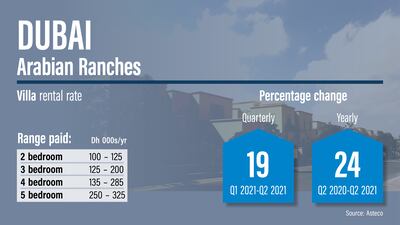
Dubai rents Q2, 2021 -
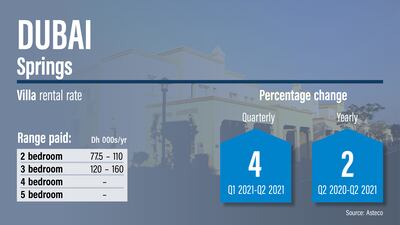
Dubai rents Q2, 2021 -
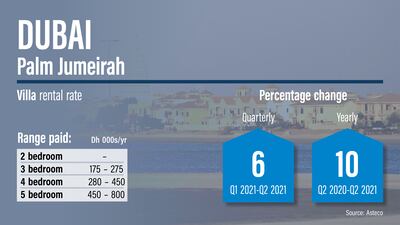
Dubai rents Q2, 2021 -
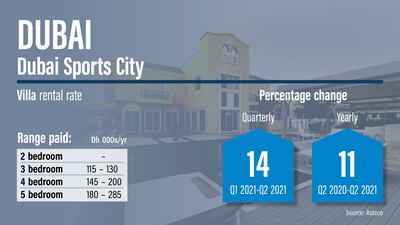
Dubai rents Q2, 2021 -
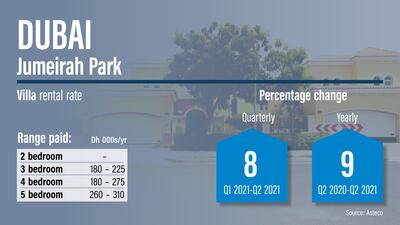
Dubai rents Q2, 2021 -

Dubai rents Q2, 2021 -
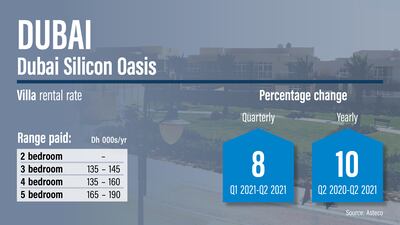
Dubai rents Q2, 2021 -
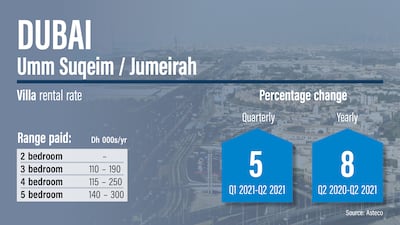
Dubai rents Q2, 2021 -
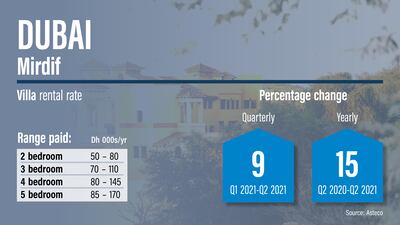
Dubai rents Q2, 2021 -

Dubai rents Q2, 2021 -

Dubai rents Q2, 2021 -
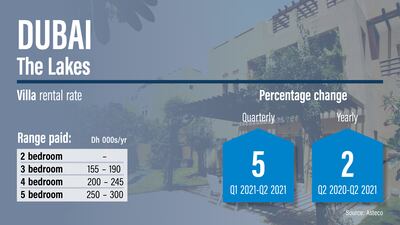
Dubai rents Q2, 2021 -
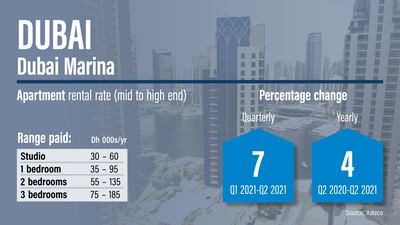
Dubai rents Q2, 2021 -
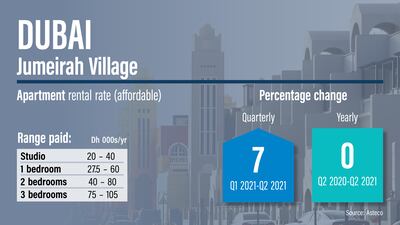
Dubai rents Q2, 2021 -
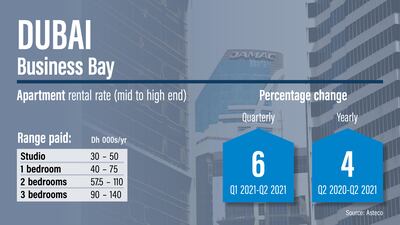
Dubai rents Q2, 2021 -
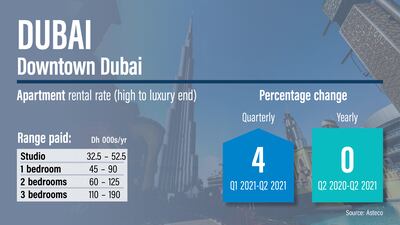
Dubai rents Q2, 2021 -
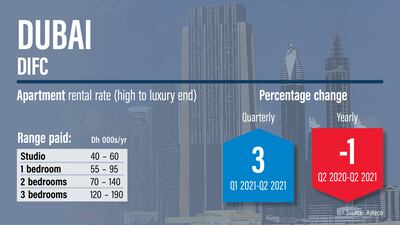
Dubai rents Q2, 2021 -

Dubai rents Q2, 2021 -
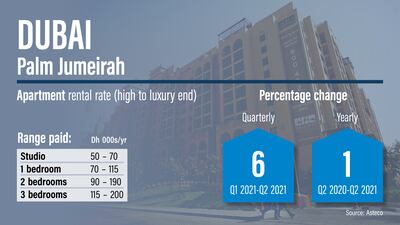
Dubai rents Q2, 2021 -
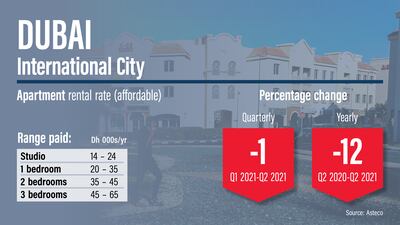
Dubai rents Q2, 2021 -
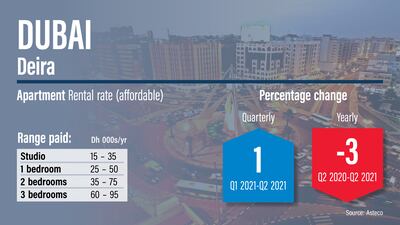
Dubai rents Q2, 2021 -

Dubai rents Q2, 2021 -
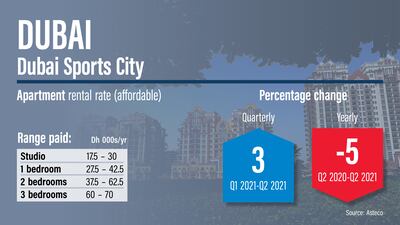
Dubai rents Q2, 2021 -
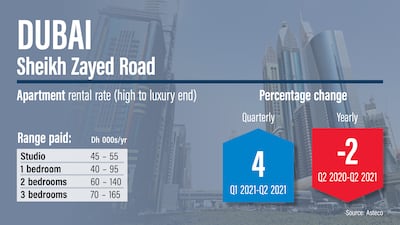
Dubai rents Q2, 2021 -
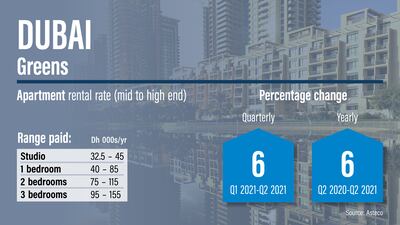
Dubai rents Q2, 2021 -

Dubai rents Q2, 2021


“To get slapped with a considerable rent hike is stressful. I didn’t want to move from the property as I love the area, so I tried to negotiate a fair deal.
“After several unanswered emails, I eventually managed to speak to someone but had no luck trying to lower the increase. I ended up just agreeing to the new contract.”
He now pays Dh62,000 a year for his apartment.
Estate agents say property market is booming
Estate agents working across the city said the rental market has not been this busy in years. Clients are eager to snap up townhouses and villas – particularly in the city’s desert suburbs – as quickly as possible. The legacy of remote working is a major factor, with many professionals now splitting their working week between the office and home.
Mario Volpi, sales and leasing manager for Engel & Voelkers, said landlords can legally raise the rent by up to a fifth, regardless of whether they are charging below market price.
“The most he or she can raise it by in any one year is 20 per cent, but it has to be in line with what the Rera calculator states,” he said.
“The likelihood is, if a tenant is now being charged 20 per cent more from one year to the next, they must have been paying well below market value to begin with.
“When someone moves into a property, a tenancy agreement is written. In that, it states that if a tenant or landlord wish to make changes to a contract, be it the rent or number of cheques given, this has to be communicated three months before the year is up,” Mr Volpi said.
-
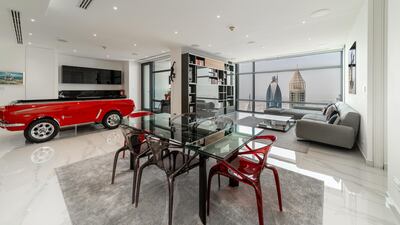
The property is on the rental market for Dh500,000 per year -

Lounge in the enormous bath soaking up the Dubai view -

The master bedroom -
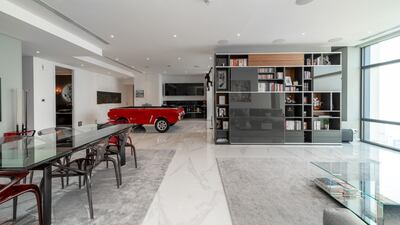
The generously sized open-plan living and dining room -

Breakfast with a view -

One of the two generously sized bedrooms -
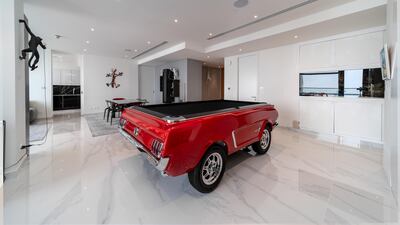
A snooker table in the form of a life-sized vintage car model in the bar area -
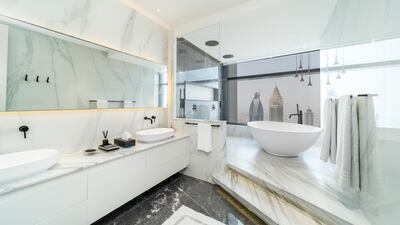
A sleek hotel-quality ensuite bathroom -
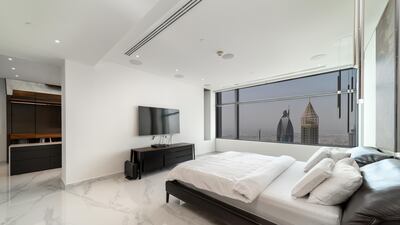
Dubai skyline views from the bedroom -

The home office -
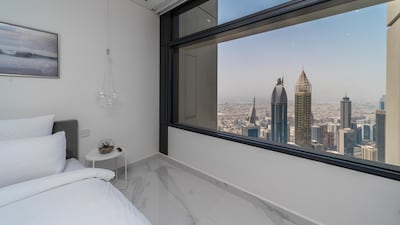
Look out across the city from the comfort of your bed -
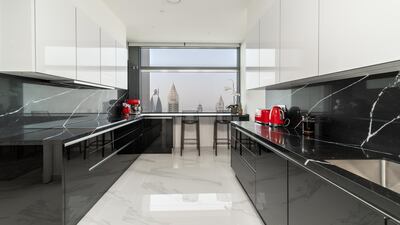
The kitchen is finished with sleek black and white fittings and bold red appliances -
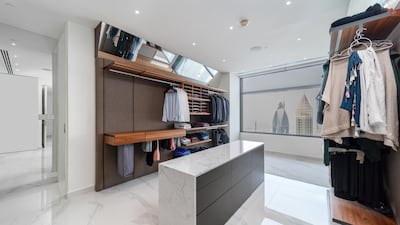
A walk-in wardrobe -

Modern bathroom finishes -
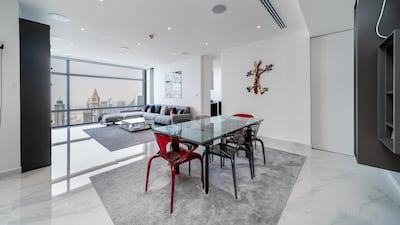
The open-plan living and dining room area, with floor-to-ceiling windows -

Ample space for lounging -
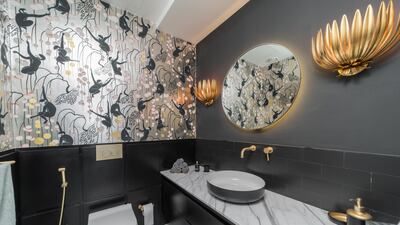
The property has been fully upgraded throughout -
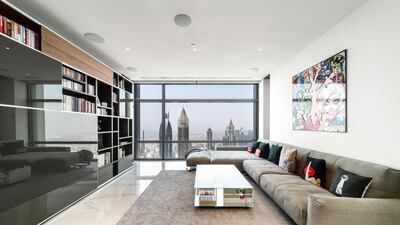
High-end built-in cabinets in the living room


“If the landlord has communicated a rental increase within the 90-day period, in writing, and it is in line with the Rera calculator, if the tenant does not agree, their only other choice is to vacate the property.”
How Dubai’s rent calculator works
Rera was established 2013 to regulate the market and prevent it from overheating. Its rental calculator shows whether or not an increase is applicable and uses criteria such as location, property type, current rent and number of rooms. It works by comparing properties with similar ones nearby.
For instance, if the current annual rent is below 10 per cent of the market value, no increase is allowed. But if the rent is between 11 per cent and 20 per cent under the market, a maximum rise of 5 per cent is permitted. This progresses to a maximum of 20 per cent.
Mr Volpi said coming to a fair agreement on rent is all about negotiating and “establishing good landlord-tenant relationships”. But ultimately, if the landlord does not agree to the tenant’s revised price, the tenant has to vacate.
While tenants may feel hard done by in this case, Mr Volpi said the current property laws often tend to “favour and protect the tenant”, as the government does not want to be seen allowing landlords to push tenants out unfairly.
“When the market is going up, as it is now, the landlord has to abide by the Rera calculator not the market price,” he said.
“But when prices go down, the rent calculator goes out of the window and the tenant relies with the market forces and, as such, has way more bargaining power.”
Naseer Alam, founder and chief executive of Expert Properties in Dubai, said demand for residential property was rising.
“This is majorly because of people visiting the UAE for Expo 2020 Dubai,” he said.
“It has led to a substantial rise in the properties, be it short or long-term, particularly studio apartments preferred by executives or villas opted for by families. As per our records, this rise in price is greater than anything that has been in the past three years.
“Some of the most prominent areas where these properties have witnessed an increase in demand and rents are Dubai Marina, Al Wasl, Jumeirah, The Palm and Dubai Silicon Oasis.”
How properties in Dubai go in minutes
-

Estate agent Charlie Shetliffe is arranging up to six viewings a day for potential tenants. Issa AlKindy for The National -
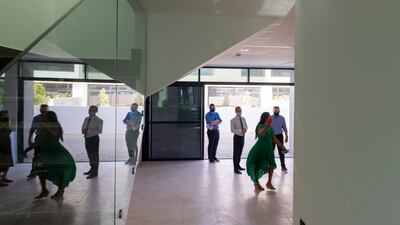
Prospective tenants view a property in Dubai's Jumeirah Golf Estates. Issa AlKindy for The National -

Dubai Marina remains the most popular destination in the emirate for those seeking luxury apartments, according to a report. AFP -

Jumeirah Village Circle is the most searched for area by those looking for budget-friendly apartments in Dubai, the report revealed. Chris Whiteoak / The National -

There is currently a lot of demand for villa communities in Dubai, according to estate agents. Issa AlKindy for The National -

Villas and town houses are being snapped up almost immediately in the emirate. Issa AlKindy for The National -
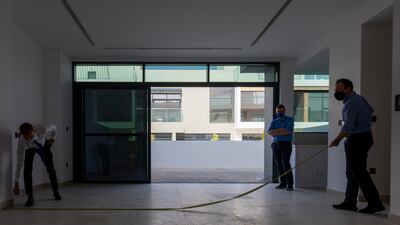
Potential tenants measure a property in Jumeirah Golf Estates. Issa AlKindy for The National



