


The number of teenagers driving without a licence has dropped significantly in Dubai in the past two years, authorities said.
The legal age of driving in the emirate is 18 but a person can start taking lessons at 17 years and six months.
Between January and June this year, 56 different cases that involved teenagers were reported to the prosecutors but only eight were related to underage driving.
“Generally, the number of traffic offences committed by youngsters in this age group is not alarming,” said Mohammed Ali Rustom, Dubai's advocate general and head of Family and Juvenile Prosecution.
“The majority of juveniles cases we deal with are mutual assault or theft incidents.”
Of all the cases registered against minors last year, about 25 per cent were related to underage driving, according to Dubai’s Family and Juvenile Prosecution.
“Throughout 2020, we dealt with 37 such cases [underage driving] which involved 39 young drivers,” said the senior Dubai prosecutor.
It was a sharp drop from 64 cases registered in 2019 that involved 67 young drivers aged between seven and 17.
In 2019, young drivers caused 24 crashes, resulting in one death and three injuries. In two cases, teenagers were caught driving under the influence of alcohol or drugs.
In some cases, teenagers caught driving without a licence were also charged with other offences such as damaging property, endangering lives, defying police orders, and fleeing the scene of an accident.
“If our investigations reveal that an adult has given the car to a teenager and allowed him to drive, they will also be charged, which has happened in some cases,” Mr Ali Rustom said.
But in most cases, adult members of the family have claimed their teenage children or siblings took the keys without the family’s knowledge or consent.
“Parents know better and should be more careful about where they place their car keys. No one knows a child more than his parents,” he said.
“As a parent, I know exactly what my son is like and if he loves cars or not.”
Car keys should not be accessible to children, he said.
Drivers aged between 18 and 35 were responsible for about 64 per cent of collisions leading to severe injury and deaths in 2019, the emirate's chief traffic prosecutor had said earlier.
Accidents in Dubai - in pictures
-
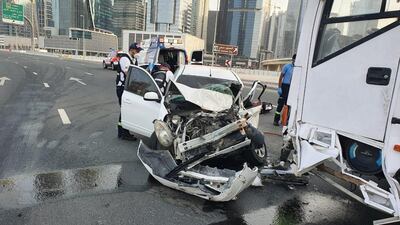
Dubai Police were called to a number of road accidents on August 31. Photo: Dubai Police -

A car overturned after a road crash in Dubai on August 31. Photo: Dubai Police -
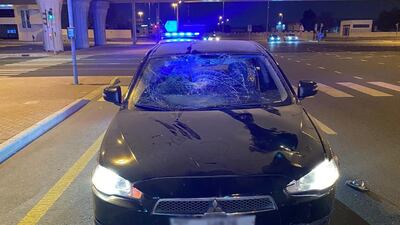
One person died and several other suffered injuries in a number of accidents on Dubai's roads on August 31. -

A taxi and a Cadillac were involved in a collision on a section of Dubai Tram track.



