



Sharjah and Ajman have both revealed plans to boost their tourism infrastructure at World Travel Market 2021, which is currently taking place at the Excel London convention centre in the UK.
The Department of Tourism Development in Ajman announced that a number of major museums would be developed in the emirate, including the Ajman Museum, Masfout Museum and Al Manama Museum.
Parallel to this, the Ajman Museum mobile app is being enhanced, with the addition of new features and services that promote the museum and its attractions. These features include voice command technology, audio tours, an interactive map, a QR code reader and the use of location sensors.
Also in the pipeline are new facilities for the emirate’s beaches and recreational areas. A Poetry Museum is in the works and the emirate plans to organise events and activities that promote Emirati heritage and attract investment into arts and culture.

Sharjah is also looking at ways to increase its attractiveness as a tourist destination. At WTM, the Sharjah Investment and Development Authority (Shurooq) signed an agreement with Singapore’s The Lux Collective group, which specialises in managing luxury hotels and hospitality institutions. This will result in the group managing two new tourist resorts in Sharjah’s Al Dhaid and Khor Fakkan.
It also announced Nomad, a new adventure travel experience consisting of 20 gleaming Airstream trailers that will be set up at various locations across the emirate.
The emirate also used the occasion to highlight new and existing tourism projects, including Sharjah Safari in Al Dhaid, the Moon Retreat by Mysk in Mleiha, Al Suhub Rest House in Khor Fakkan and Kalba Waterfront, as well as plans to develop the emirate’s beaches, including Al Heerah and Al Luluyah.
“Tourism is a key pillar of Sharjah’s economy and the national economy in general,” said Khalid Jasim Al Midfa, chairman of Sharjah Commerce & Tourism Development Authority. “It is a necessary requirement to drive sustainable development at every level.
“WTM is an opportunity for us to highlight the great potential of Sharjah’s tourism sector, showcasing the emirate’s various tourist attractions, which are once again drawing tourists from around the world as travel restrictions are gradually rolled back and air traffic rebounds.”
___________________
UAE megaprojects 2021
-
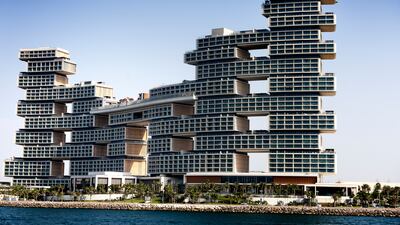
The Atlantis The Royal hotel in Dubai. It is set to open in March 2023. Getty Images -
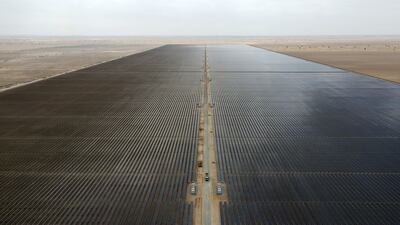
The Mohammed bin Rashid Al Maktoum Solar Park Phase 5 in Dubai. Pawan Singh / The National -
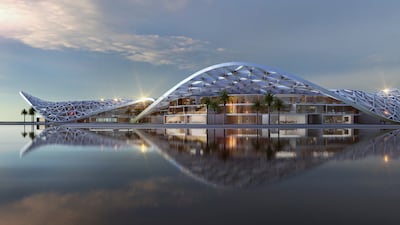
The Dubai Urban Tech District is slated to create 4,000 jobs. Photo: URB -
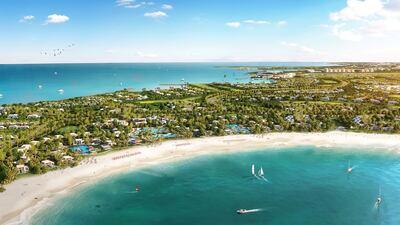
Nakheel, the Dubai-based master developer, has unveiled a new vision for Dubai Islands. Photo Nakheel -
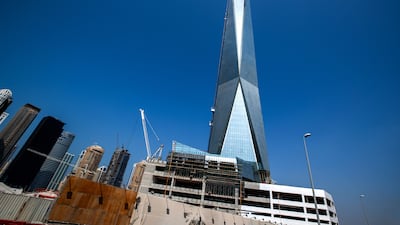
Uptown Tower is a new skyscraper set to open in Dubai later this year. Victor Besa / The National -
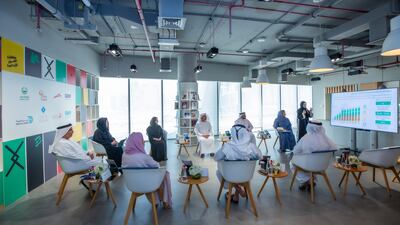
Al Quoz Creative Zone meeting to approve the master plan. The zone is to expand on a large scale. -
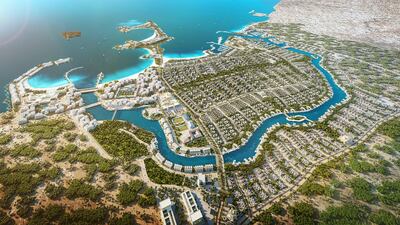
The AlJurf project on the coast between Abu Dhabi and Dubai. Courtesy IMKAN -

First look at the Mohammed Bin Rashed Library in Al Jaddaf, Dubai. Chris Whiteoak / The National -
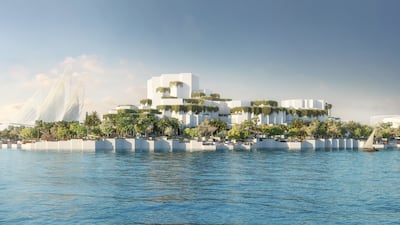
The Natural History Museum Abu Dhabi's design alludes to natural rock formations, reflecting on the its mission of engaging the public with the natural world. Photo: DCT – Abu Dhabi -
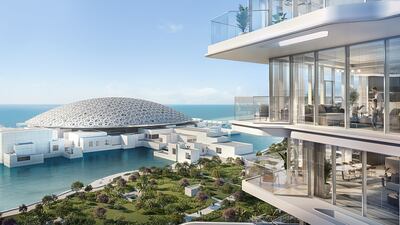
The Louvre Abu Dhabi Residences by Aldar will come with spectacular views. Photo: Aldar -
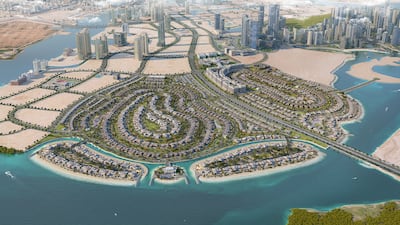
Reem Hills on Reem Island. Courtesy Q Properties -

Masaar is a 19 million square foot project in Sharjah that will include 4,000 villas and townhouses in total. Courtesy Arada -
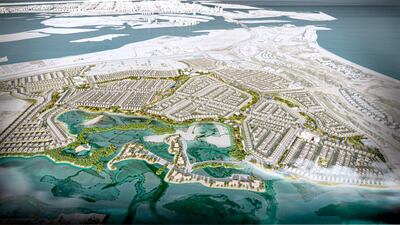
Aldar's Saadiyat Island mixed-use development. Credit: Aldar Properties -
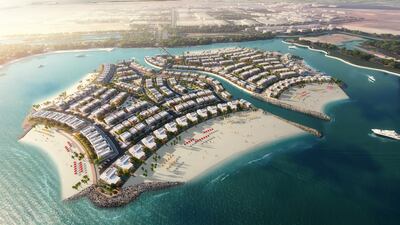
Al Hamra, the leading lifestyle developer and investment company in Ras Al Khaimah, has announced the launch of an exclusive freehold luxury villa project – the Falcon Island - within the award-winning Al Hamra Village residential community. Photo: Al Hamra -
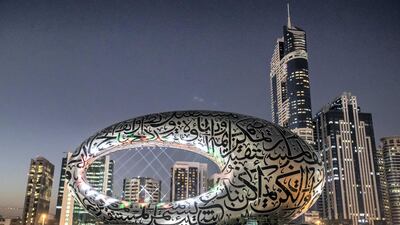
Museum of The Future lights up in Dubai. Antonie Robertson / The National -

Blizzard’s Bazaar, Snowflake Garden and Flurries’ Mountain are just some of the unique attractions that will welcome visitors at Snow Abu Dhabi at Reem Mall. Wam -
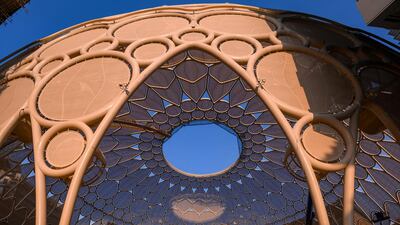
The steel structure that is Al Wasl Plaza - the heart of the Expo site. Courtesy: Expo 2020 Dubai -
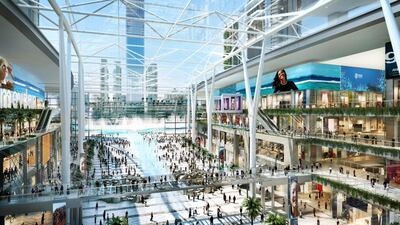
Groundbreaking of Meydan One Mall took place in 2017. Courtesy The Meydan Group -
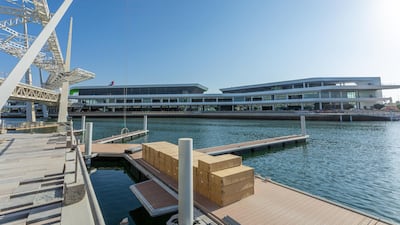
A dining area at Al Qana in Abu Dhabi. The waterfront destination is was about 90 per cent complete during the early months of 2021. Courtesy: Al Barakah International Investment -
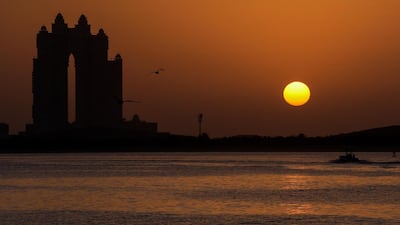
The Rixos Marina Abu Dhabi dominates the skyline out towards Marina Mall. Victor Besa / The National -

Jubail Island will eventually house 5,000 residents. -
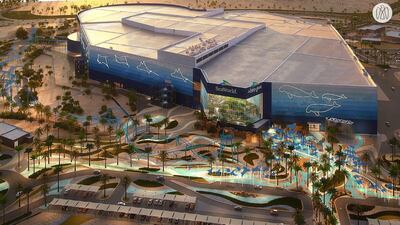
SeaWorld AbuDhabi will include six distinct realms which tell a unified and immersive “One Ocean” story and one of the world’s largest and most progressive indoor aquariums. Courtesy Abu Dhabi Government Media Office -
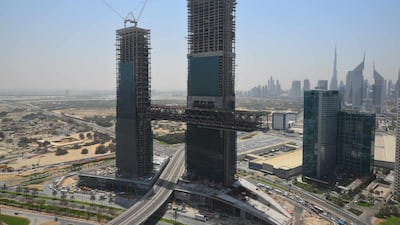
Both towers of One Zaabeel in Dubai have been topped out. -

The first new hotel to have opened on Yas Island in 12 years, the Hilton Abu Dhabi Yas Island is located on Yas Bay, beside the Etihad Arena. Courtesy Hilton -
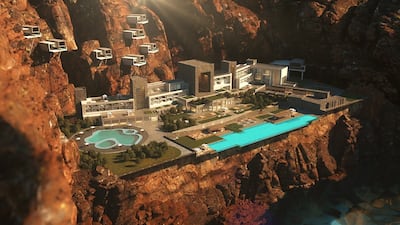
Hatta is being transformed into an attractive local and international destination for business, investment and tourism. Photo: WAM -
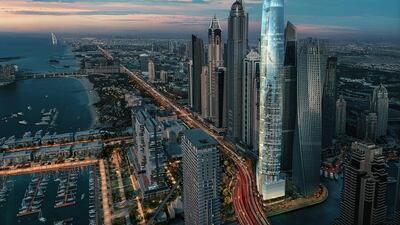
Ciel wil be open by 2023 and is set to be the world's tallest hotel. Courtesy The First Group -
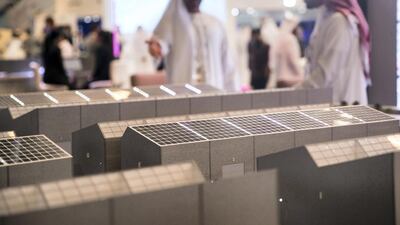
Dubai CommerCity's first phase has been launched. Reem Mohammed / The National -
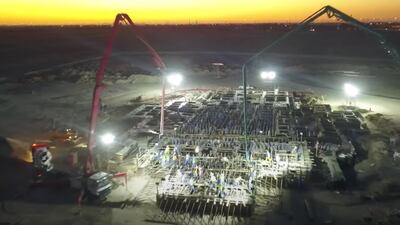
Foundation work and tunnelling is being completed at the Abu Mureikha site in Abu Dhabi of the country's first traditional Hindu stone temple. Courtesy: BAPS Hindu Mandir -
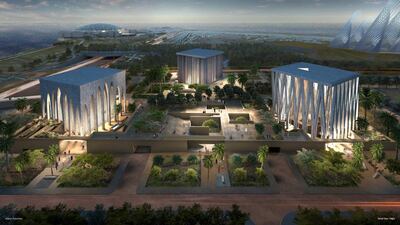
An artist's illustration of the Abrahamic Family House to be built on Saadiyat Island in Abu Dhabi. Courtesy Edelman -

The Ruler of Sharjah, Sheikh Dr Sultan bin Muhammad Al Qasimi, opened Khor Kalba Fort and also viewed plans for a new museum. Wam -
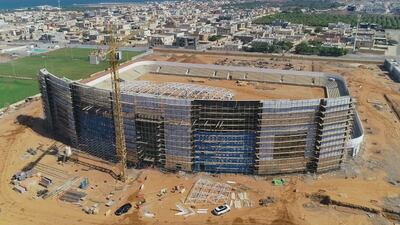
Progress at the Dibba Fujairah Sports Club Stadium project in Al Ras, Dibba Fujairah. -
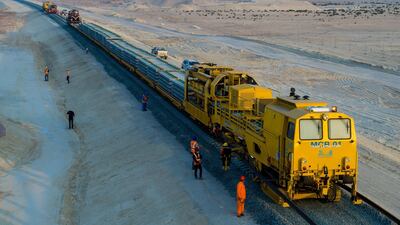
Railroad laying works for the second phase of the Etihad Rail project. Wam -
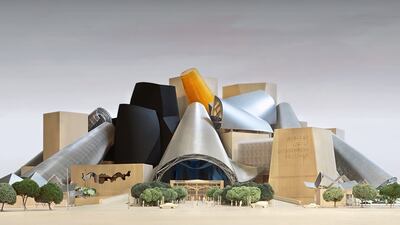
The Guggenheim Abu Dhabi is on track to be completed in 2025. Photo: Guggenheim Abu Dhabi



